Loading video…


 29 Concepts
 26K views

Video Summary: Drug Administration and Therapy Phases Explained
Did you know that when you take an aspirin for a headache, it goes through four distinct phases before actually relieving your pain? Drug administration therapy phases represent the complete journey of how medications work in your body, from the moment you swallow a pill to when symptoms disappear. The FDA requires rigorous testing of these phases for every medication, including common drugs like ibuprofen sold in US pharmacies. Drug Administration And Therapy Phases Explained breaks down this complex process into understandable steps that connect directly to real-world medical treatments. Watch the full video on JoVE Coach to master this concept with expert-led visuals and step-by-step explanations.
Drug administration therapy phases represent a systematic framework that explains how medications progress from manufactured products to therapeutic outcomes in patients. This concept is fundamental to pharmacology and appears frequently on MCAT exams, AP Biology tests, and college-level pharmacology courses. Understanding these phases helps students grasp why medications work differently depending on their formulation, route of administration, and individual patient factors.
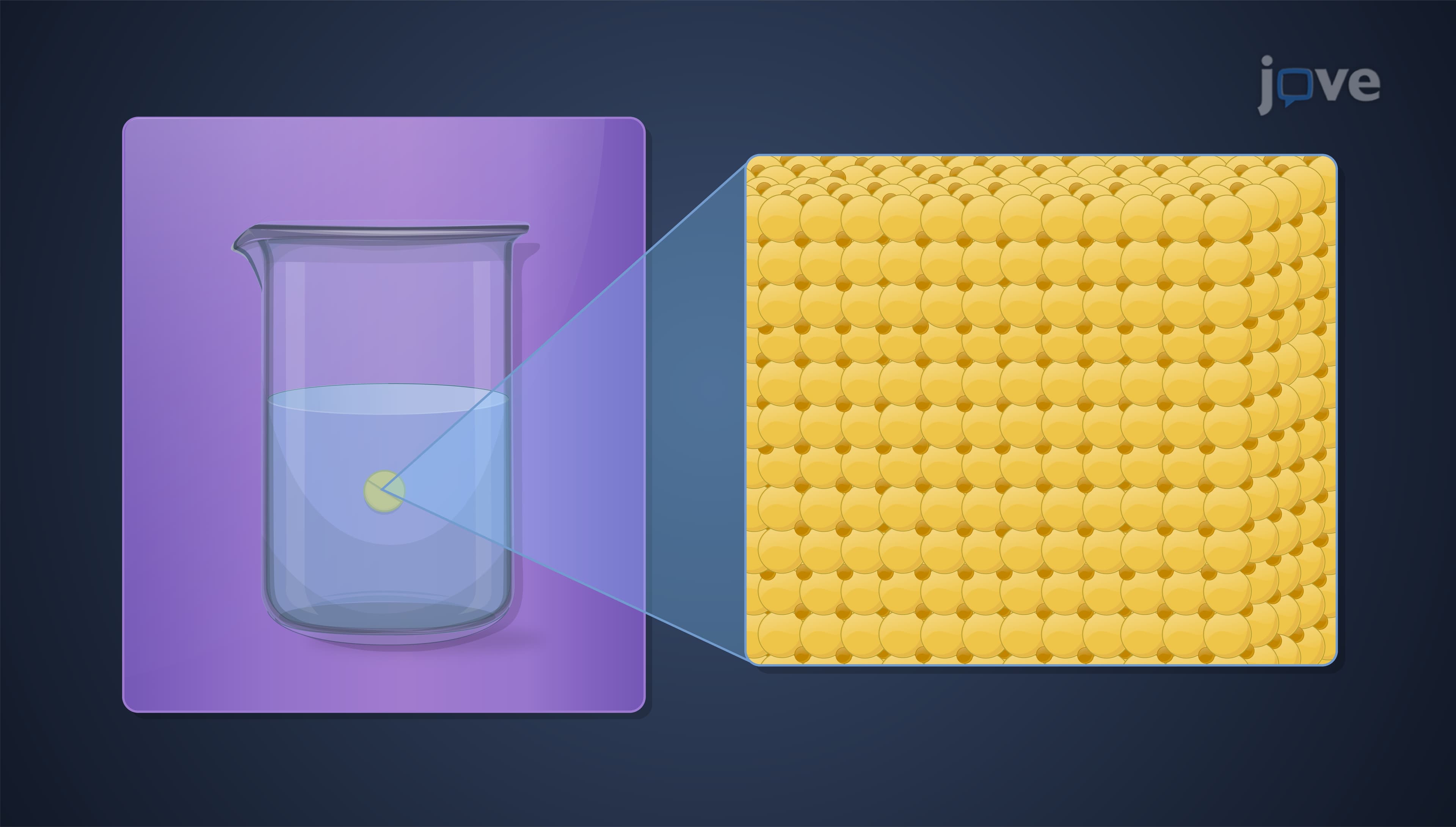
The pharmaceutic phase focuses on transforming active drug compounds into deliverable products. US pharmaceutical companies like Pfizer and Johnson & Johnson invest billions in developing optimal formulations. During this phase, chemists consider factors like drug stability, bioavailability, and patient convenience. For example, extended-release formulations of medications like Adderall allow once-daily dosing for ADHD patients, improving compliance compared to immediate-release versions requiring multiple daily doses.
Key considerations include choosing appropriate excipients (inactive ingredients), determining tablet hardness for proper dissolution, and selecting packaging that maintains drug potency. The FDA's current Good Manufacturing Practice (cGMP) regulations ensure consistent quality during this phase.
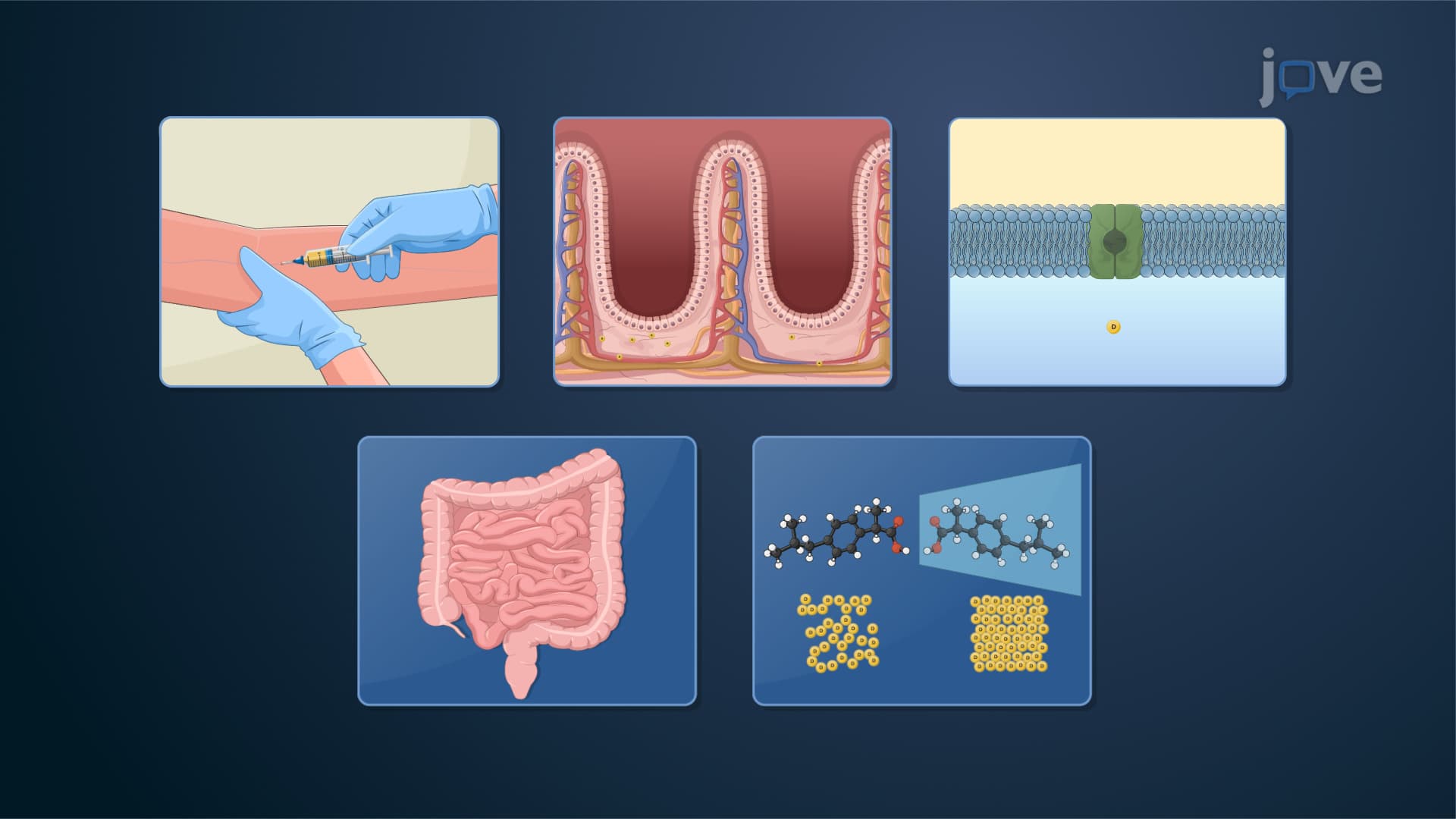
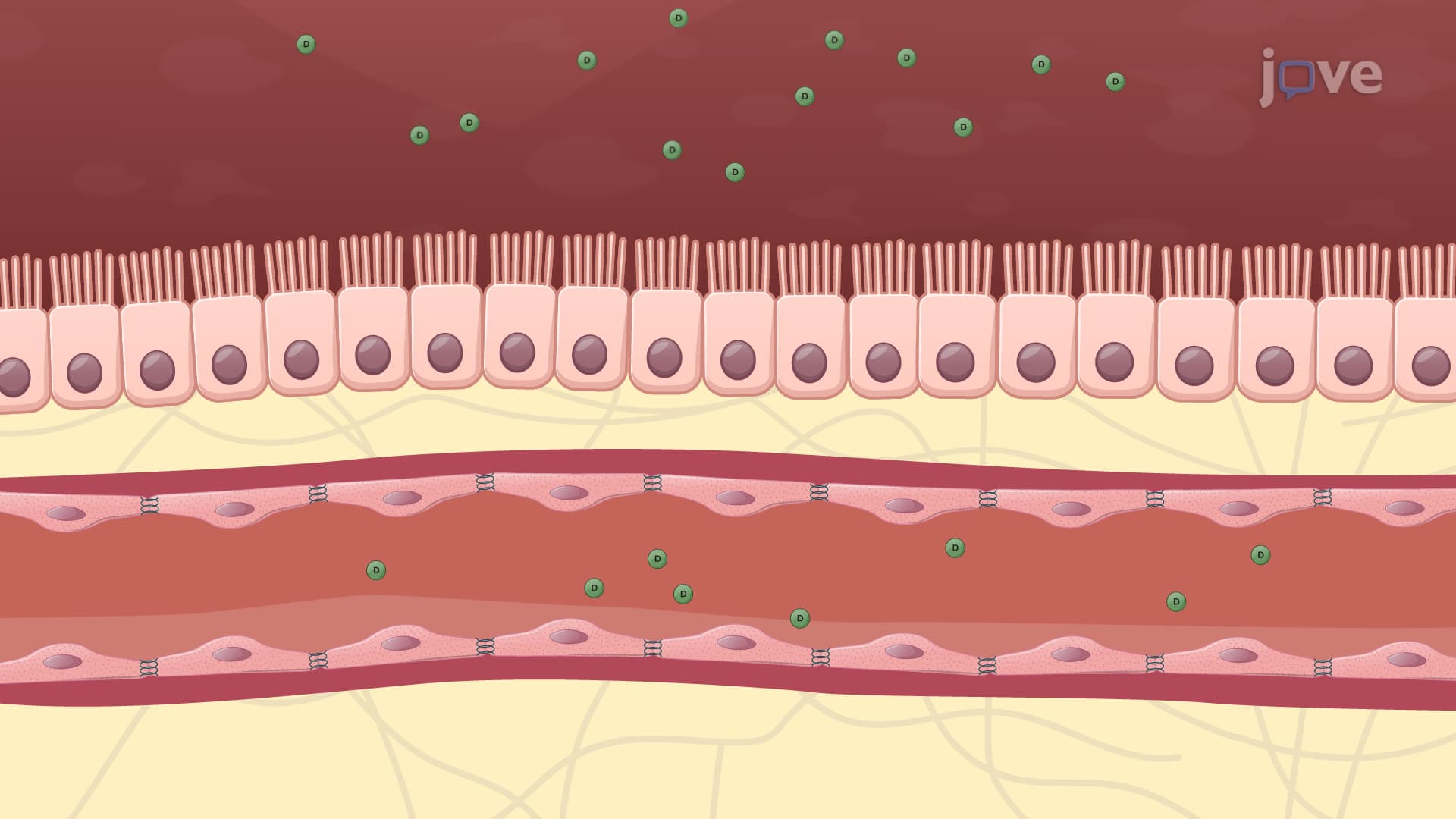
What is drug administration and therapy phases becomes clearer when examining pharmacokinetics - the study of drug movement through the body. This phase encompasses four critical processes known as ADME: absorption, distribution, metabolism, and excretion.
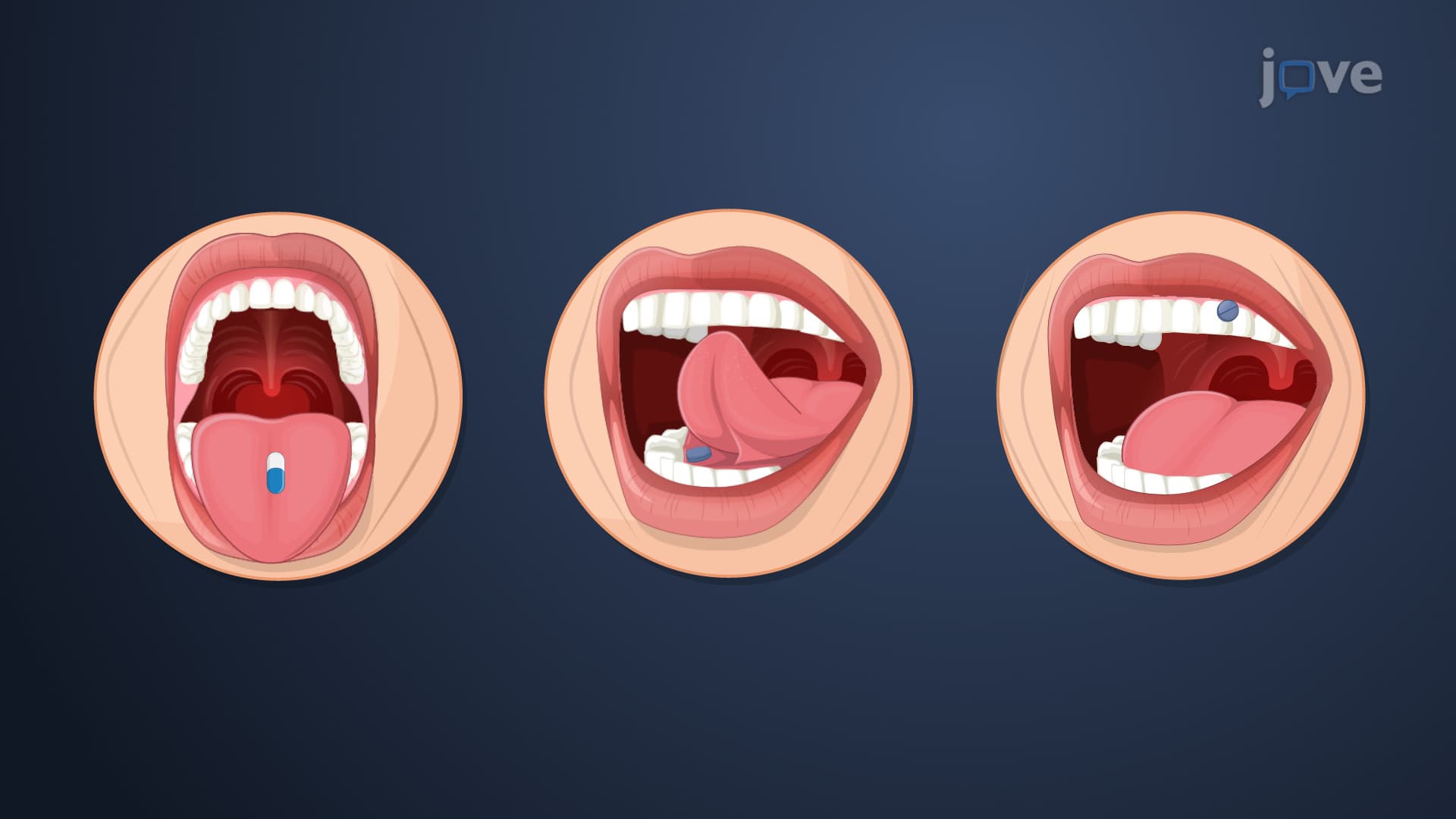
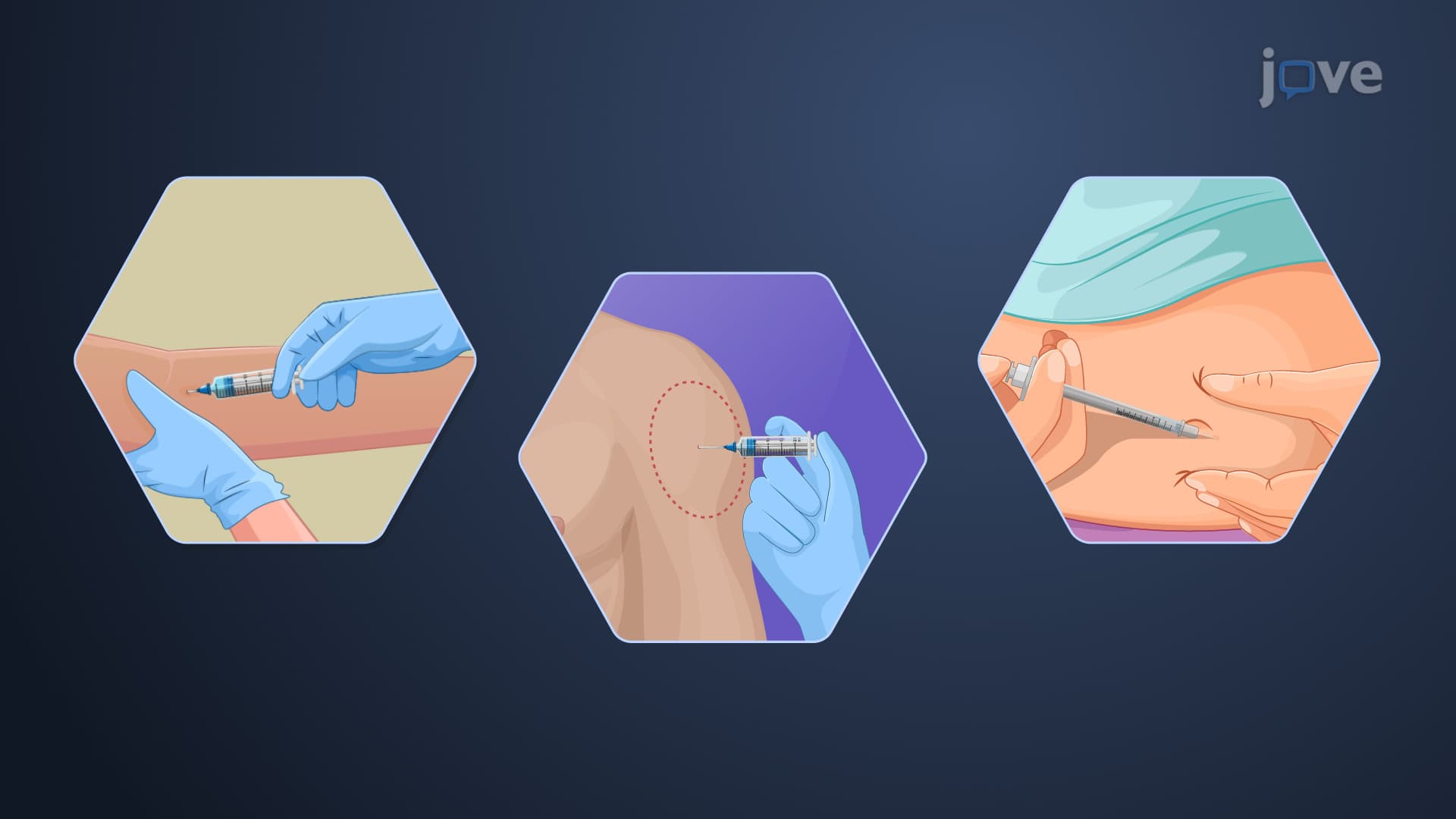
Absorption varies dramatically by route. Oral medications like acetaminophen must survive stomach acid and pass through intestinal walls, while intravenous drugs like emergency epinephrine enter circulation directly. Distribution depends on factors like protein binding and tissue affinity - lipophilic drugs like anesthetics readily cross the blood-brain barrier, while hydrophilic antibiotics like penicillin remain primarily in blood and extracellular fluid.
Metabolism, primarily occurring in the liver through cytochrome P450 enzymes, can activate prodrugs or inactivate medications. Genetic variations in these enzymes explain why some patients metabolize medications like warfarin faster or slower than average. Excretion, mainly through kidneys, determines how long drugs remain active in the body.
The pharmacodynamic phase examines how drugs produce their effects at the molecular level. Most medications work by binding to specific targets: receptors (like opioid receptors for morphine), enzymes (like cyclooxygenase for NSAIDs), ion channels (like sodium channels for local anesthetics), or transporters (like serotonin reuptake transporters for antidepressants).
The relationship between drug concentration and effect follows predictable patterns described by dose-response curves. This principle explains why aspirin provides pain relief at low doses but anti-inflammatory effects at higher doses, and why therapeutic drug monitoring is crucial for medications like digoxin with narrow therapeutic windows.
The therapeutic phase represents the ultimate goal: translating molecular drug actions into measurable clinical benefits. This phase considers factors like therapeutic index (the ratio between toxic and effective doses), individual patient variability, and real-world effectiveness versus controlled study efficacy.
For instance, ACE inhibitors like lisinopril demonstrate clear pharmacodynamic effects on angiotensin-converting enzyme, but their therapeutic value lies in reducing blood pressure, preventing heart attacks, and improving survival in heart failure patients. This phase is crucial for healthcare providers making treatment decisions and appears prominently in USMLE Step 1 questions about clinical pharmacology.
Related Micro-courses