Loading subject page…


26,027 views


Video Summary: Factors Affecting Dissolution Drug Permeability Explained
Did you know that erythromycin, a common antibiotic prescribed in US hospitals, would be completely useless without special protective coating? Factors affecting dissolution drug absorption determine whether medications work effectively in your body or fail entirely. The factors affecting dissolution drug permeability explained include lipophilicity, molecular size, drug stability, and membrane characteristics that control how drugs cross intestinal barriers to reach systemic circulation. Watch the full video on JoVE Coach to master this concept with expert-led visuals and step-by-step explanations.
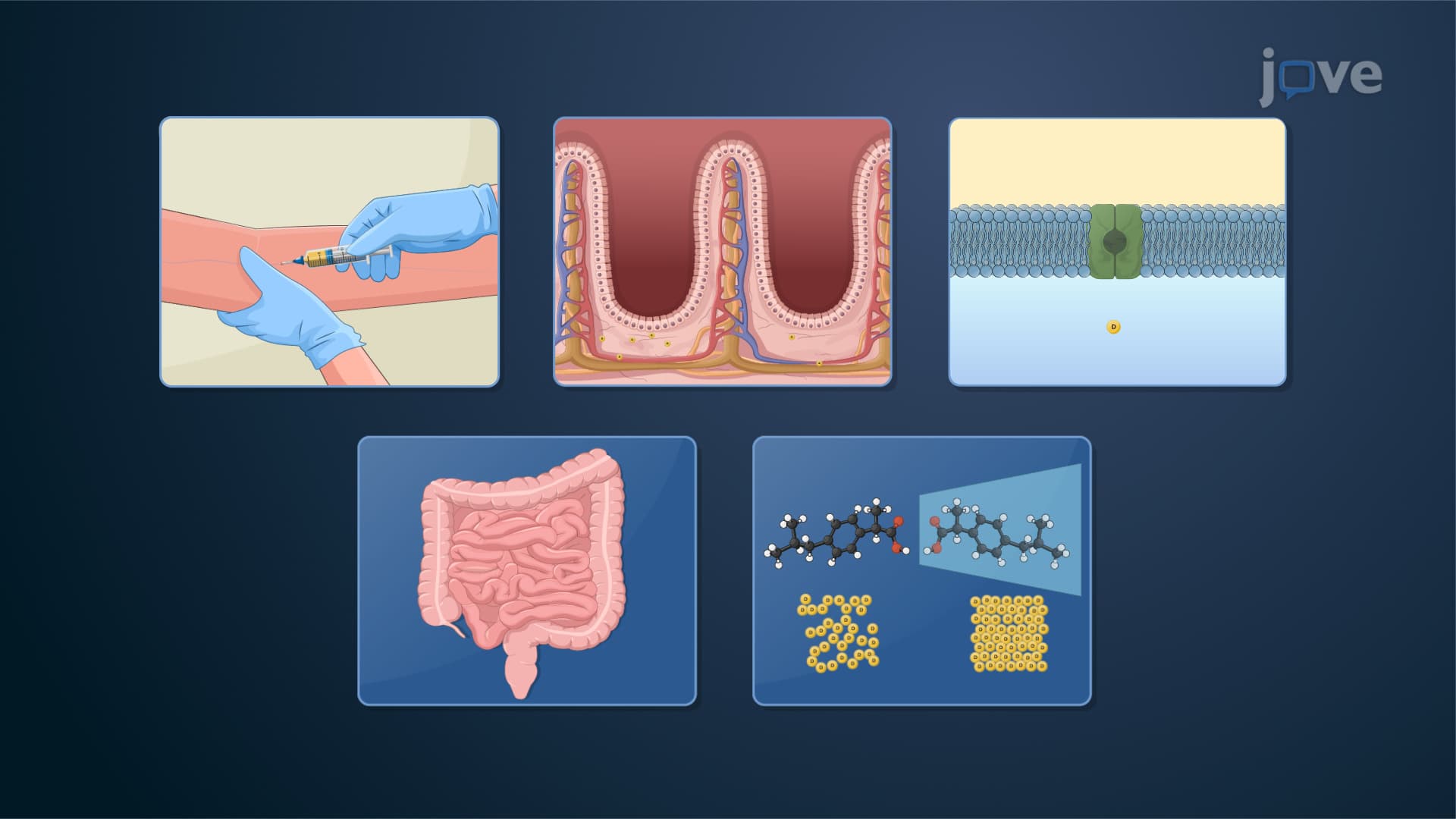
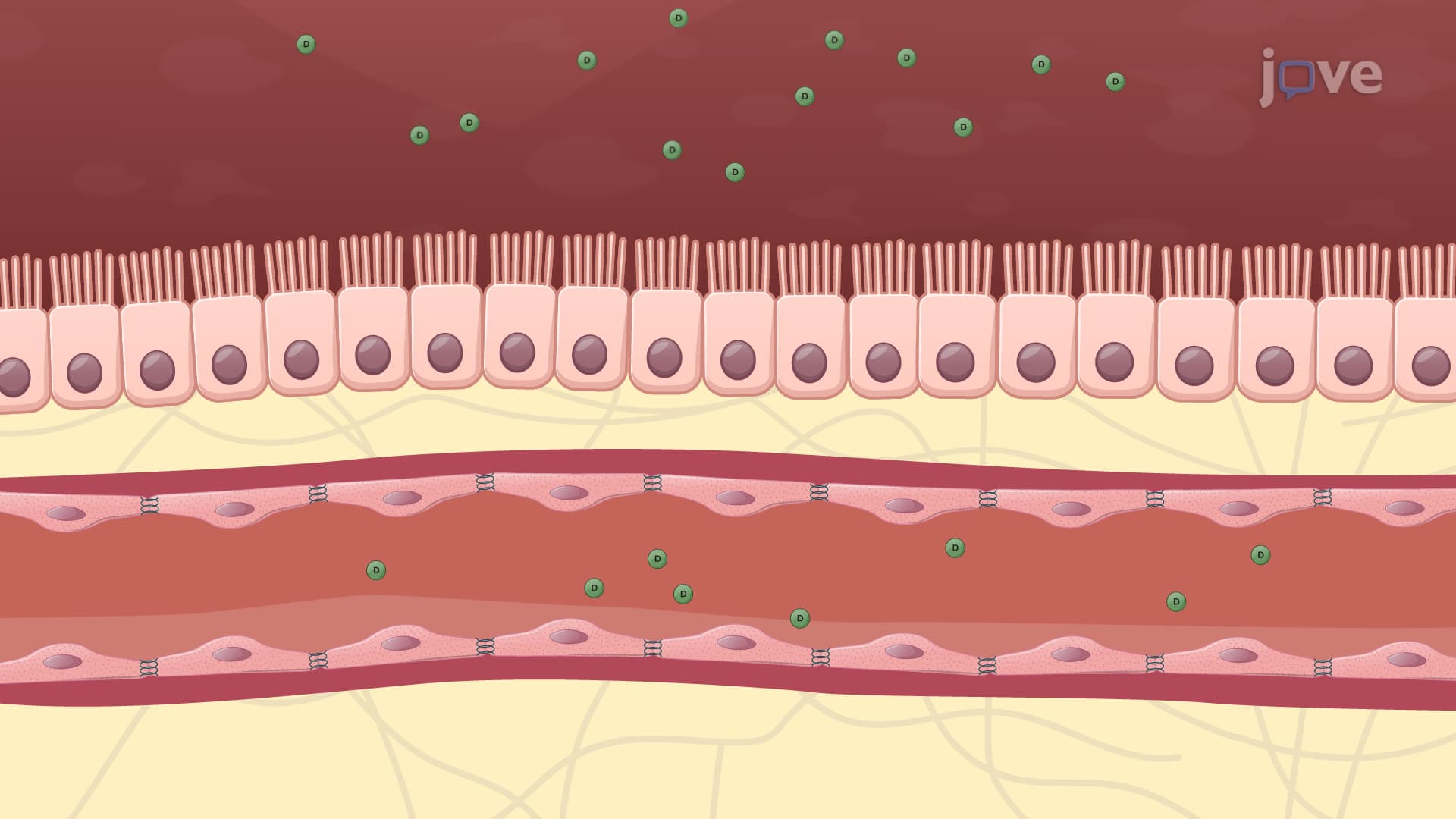
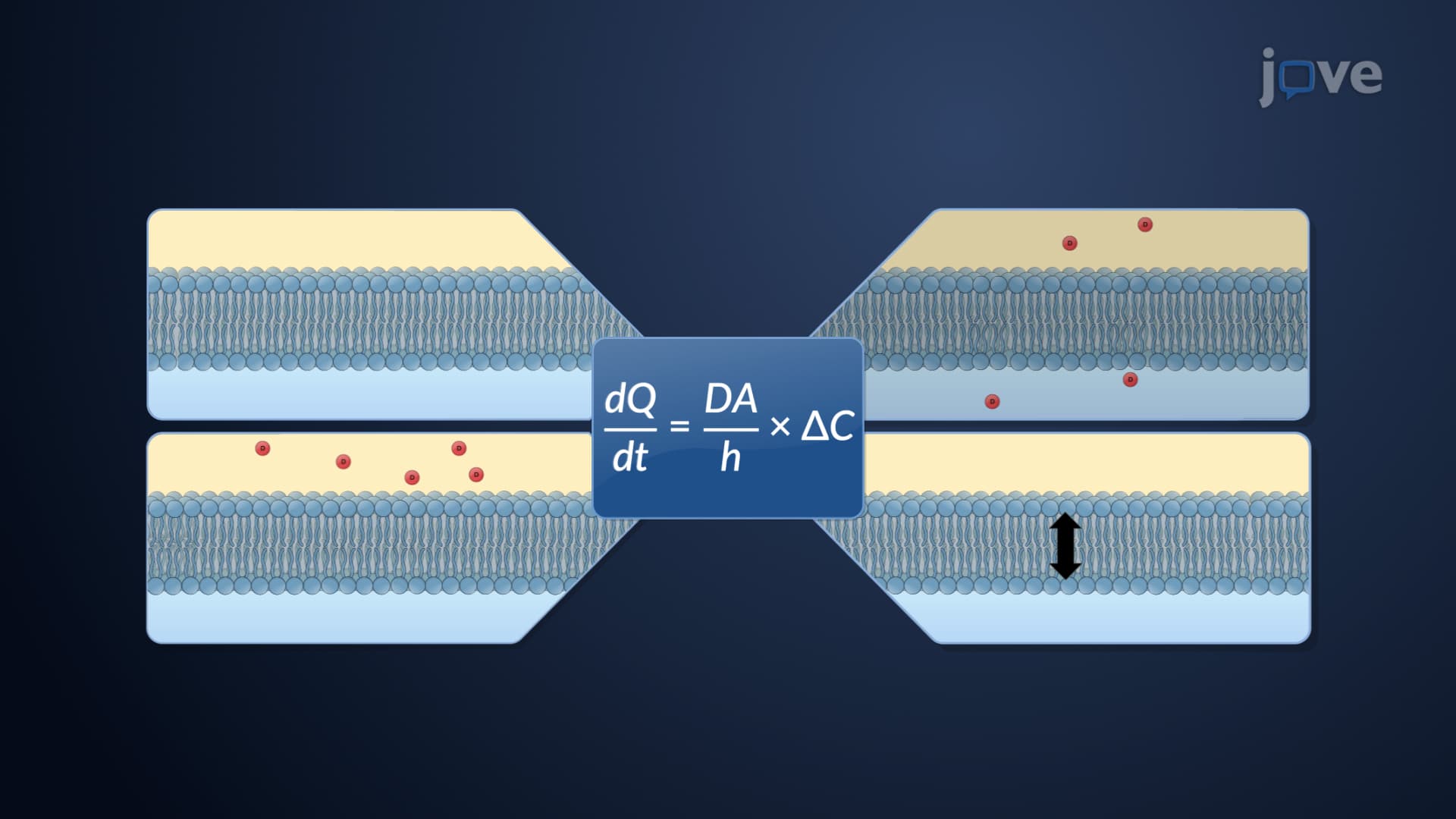
Drug permeability fundamentals govern how orally administered medications successfully reach systemic circulation. When you swallow a pill, multiple interconnected factors determine whether the active ingredient will effectively cross intestinal membranes and provide therapeutic benefit. This complex process involves four primary determinants: effective membrane permeability, available surface area, apparent luminal drug concentration, and residence time within the gastrointestinal lumen.
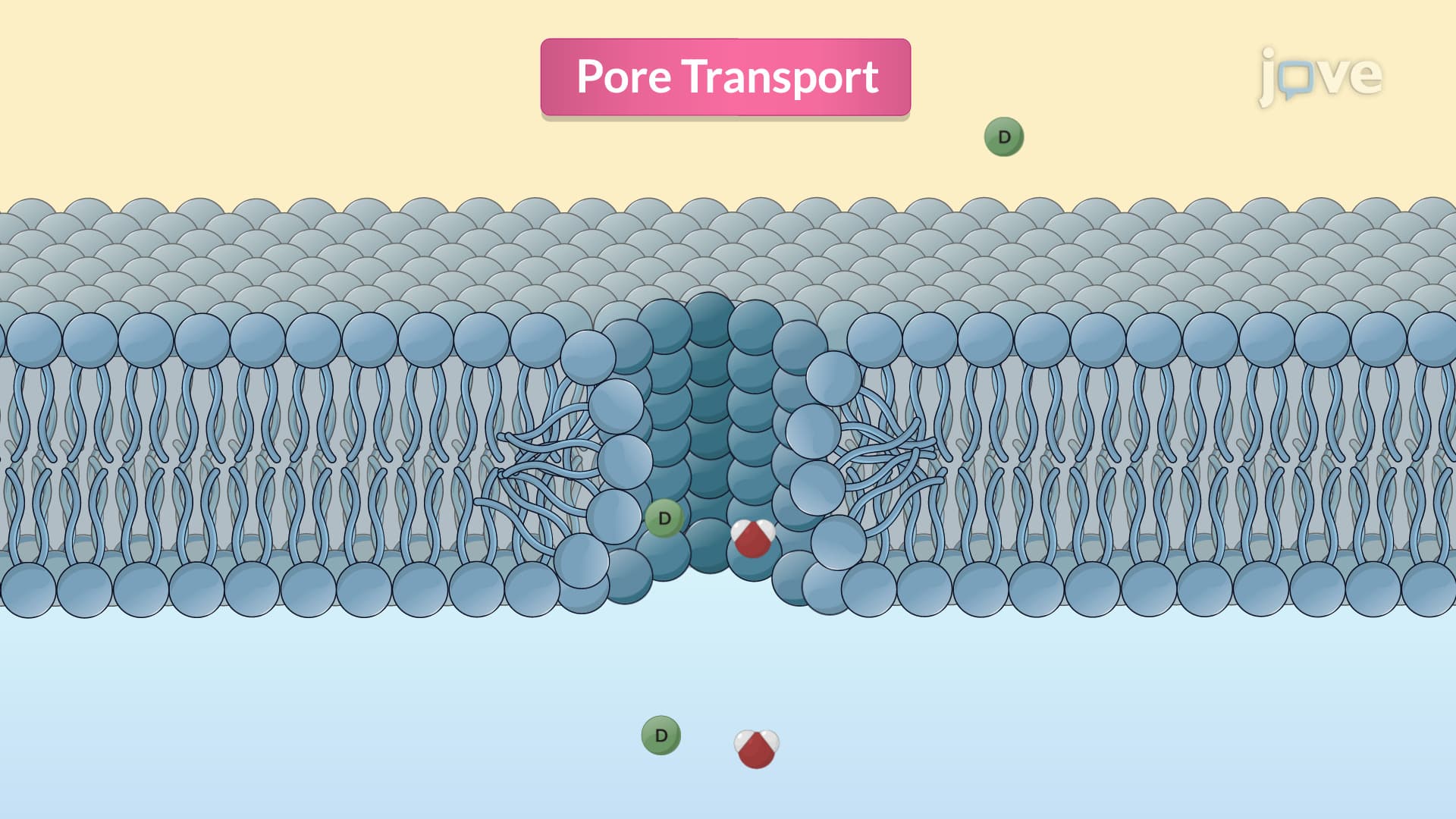
The chemical structure of pharmaceutical compounds directly influences their ability to penetrate biological membranes. Lipophilicity represents the drug's affinity for fatty tissues and cell membranes-highly lipophilic molecules like diazepam easily cross membranes, while hydrophilic compounds like furosemide require specialized transport mechanisms. Molecular size creates physical barriers; large proteins like insulin cannot passively cross intestinal walls and require injection routes.
Polarity affects dissolution patterns significantly. Non-polar drugs dissolve readily in lipid membranes but struggle in aqueous environments, while polar molecules face opposite challenges. Pharmaceutical scientists optimize these properties through structural modifications, creating prodrugs that convert to active forms after absorption.
Chemical stability profoundly impacts therapeutic effectiveness. Many medications degrade when exposed to gastric acid, digestive enzymes, or intestinal bacteria. Erythromycin exemplifies this challenge-this macrolide antibiotic rapidly breaks down in stomach acid (pH 1.5-2.0), rendering it therapeutically useless without protection.
Enteric coatings solve stability problems by creating acid-resistant barriers that dissolve only in alkaline small intestine environments (pH 6.0-7.5). This pharmaceutical innovation enables acid-labile drugs to reach absorption sites intact, dramatically improving bioavailability from less than 10% to over 80% for certain medications.
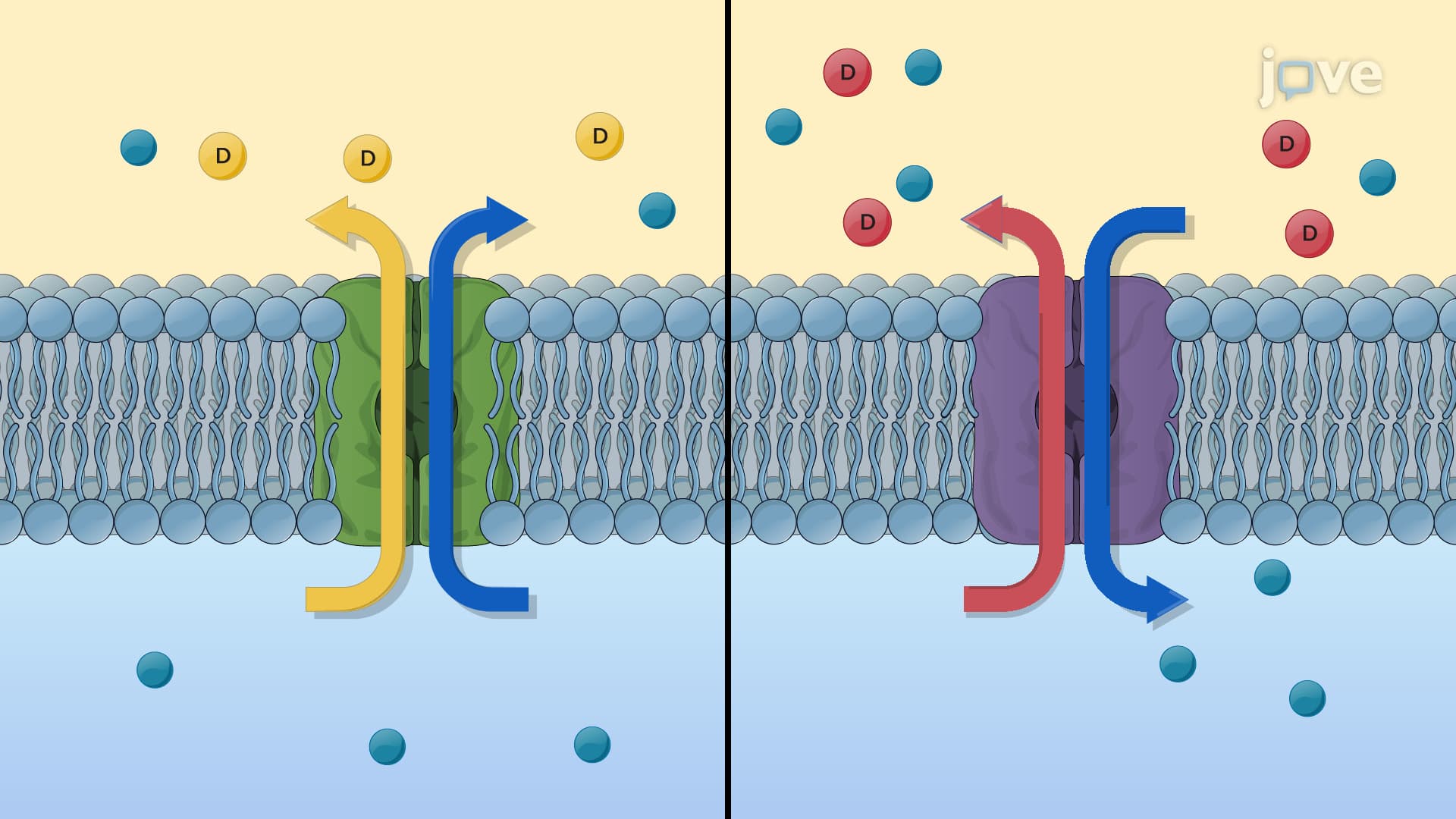
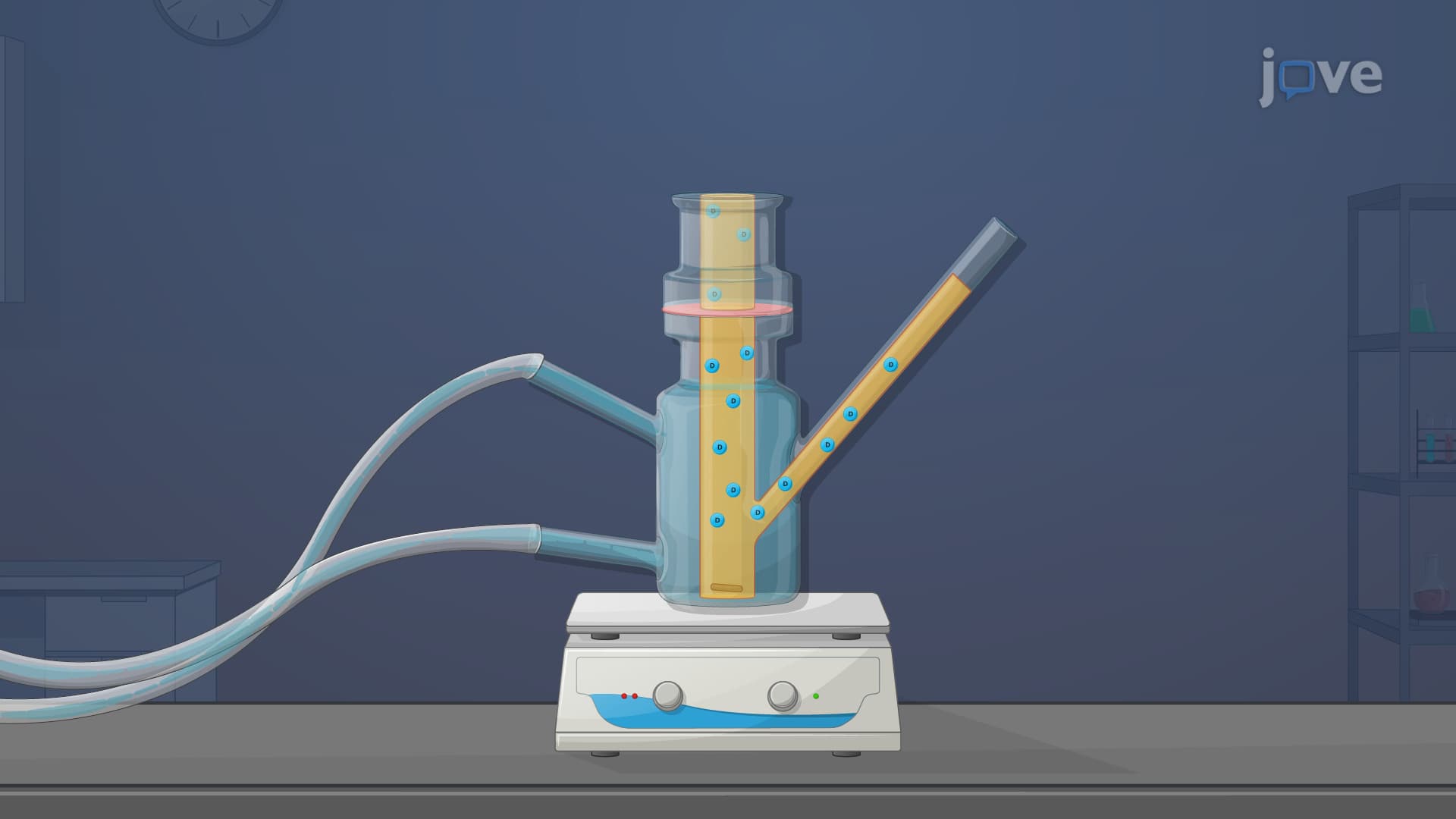
Enantiomers-mirror-image molecular forms-demonstrate fascinating absorption differences. While passive diffusion shows no stereoselectivity (both forms cross membranes equally), carrier-mediated transport exhibits significant stereospecificity. L-DOPA, used in Parkinson's disease treatment, relies on specific amino acid transporters that recognize only the L-form, making the D-enantiomer therapeutically inactive.
This concept frequently appears on MCAT pharmacology sections and advanced placement biology exams, where students must distinguish between passive and active transport mechanisms. Understanding these principles helps pre-med students grasp why pharmaceutical companies invest heavily in developing single-enantiomer formulations rather than racemic mixtures.
Related Micro-courses