Loading subject page…


26,033 views


Video Summary: Factors Affecting Dissolution Drug Pka Explained
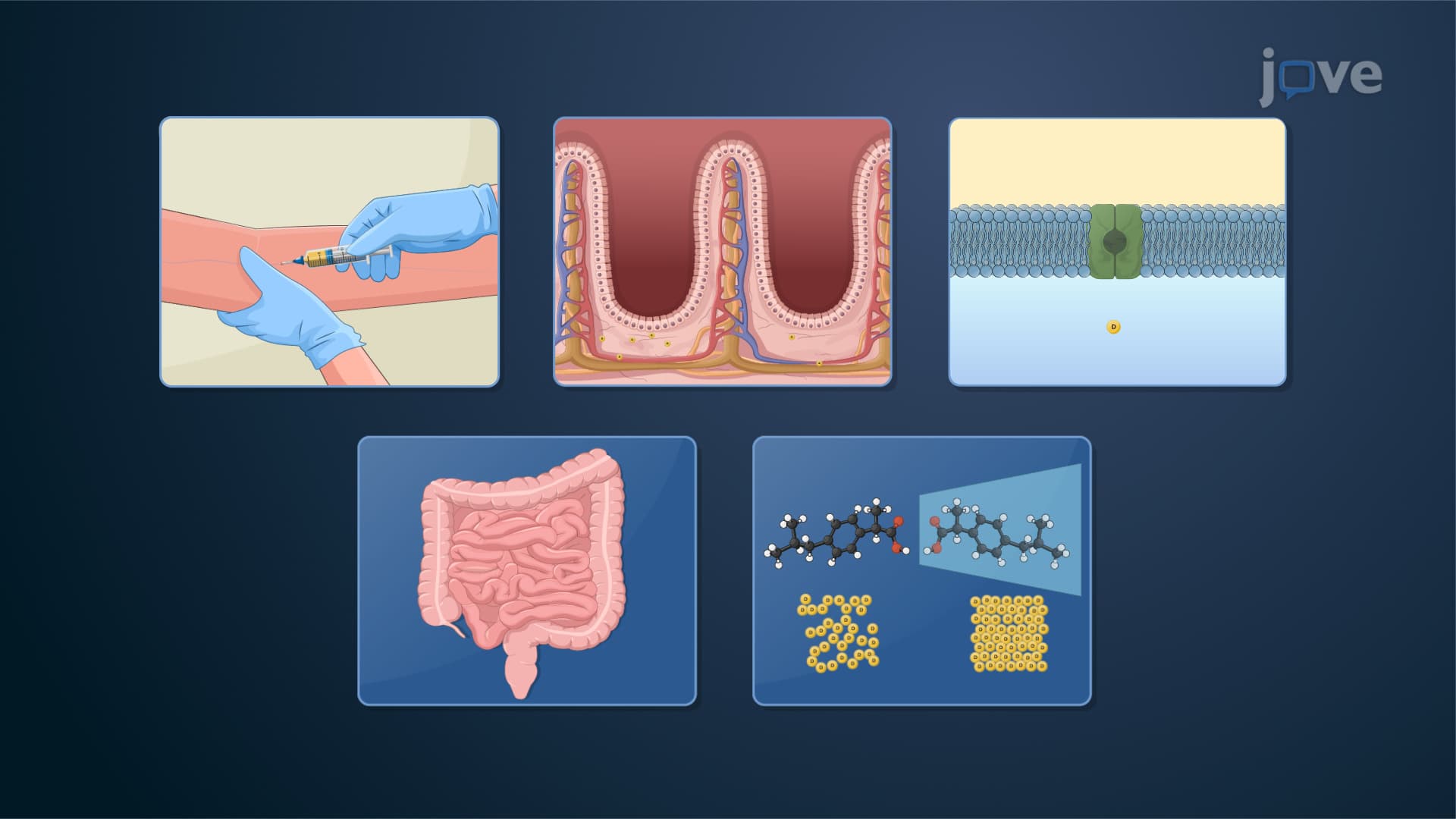
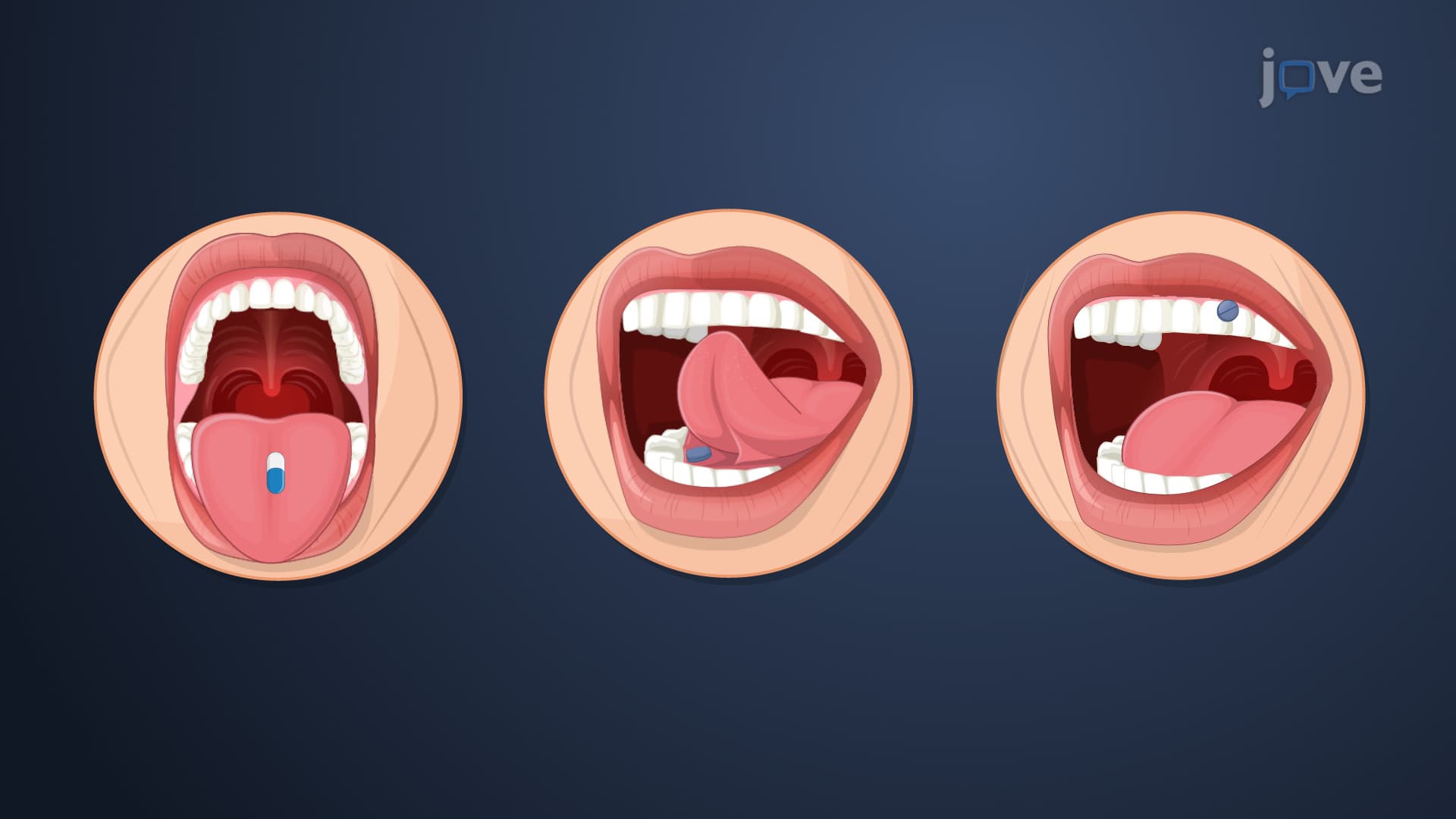
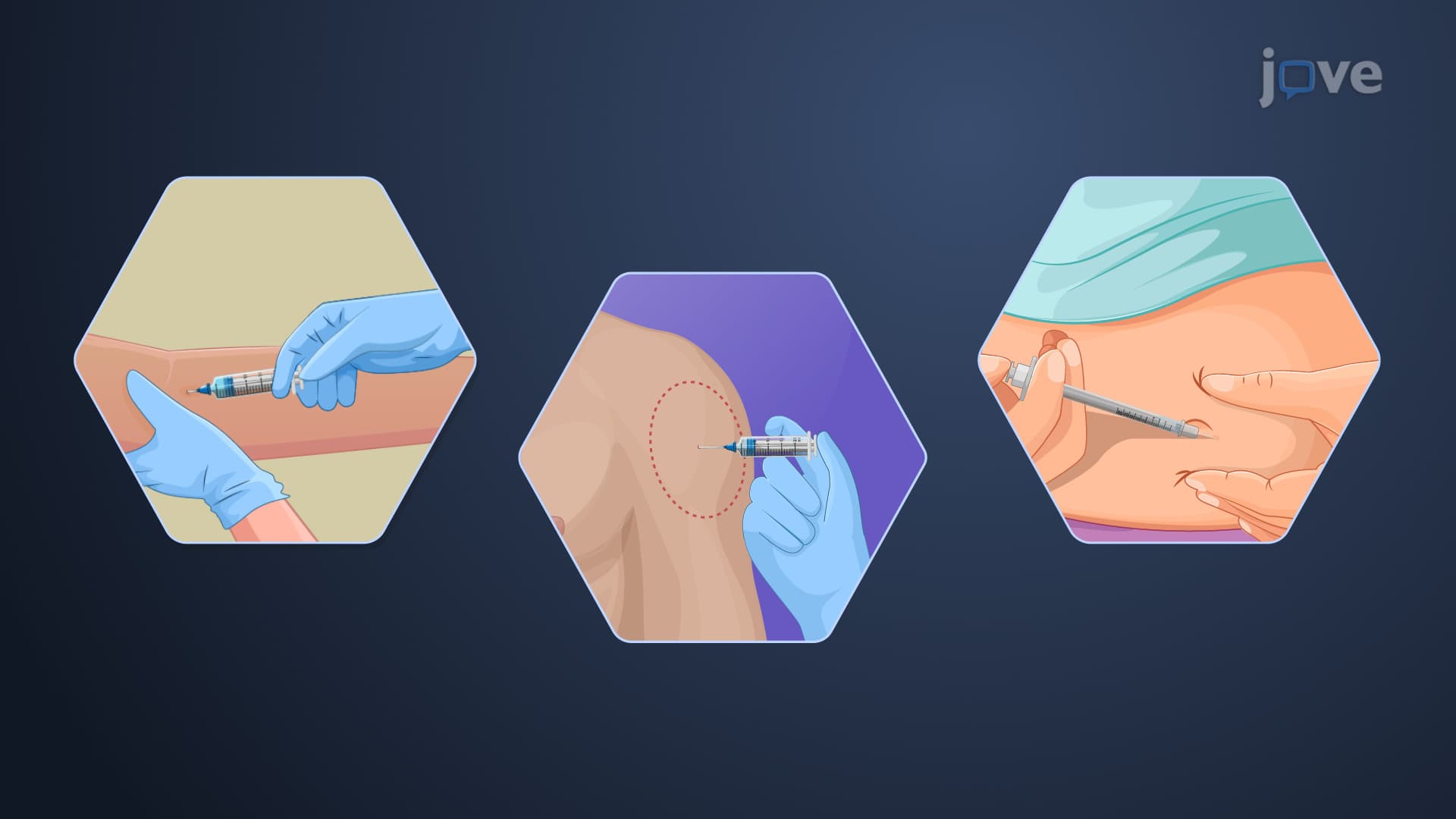
Ever wonder why aspirin works better on an empty stomach while antacids are more effective after meals? The factors affecting dissolution drug behavior depend critically on pH and molecular properties. For instance, ibuprofen (Advil) dissolves differently in your acidic stomach versus alkaline small intestine, directly impacting how quickly pain relief kicks in. Understanding Factors Affecting Dissolution Drug PKA Explained reveals why timing matters for medication effectiveness. Watch the full video on JoVE Coach to master this concept with expert-led visuals and step-by-step explanations.
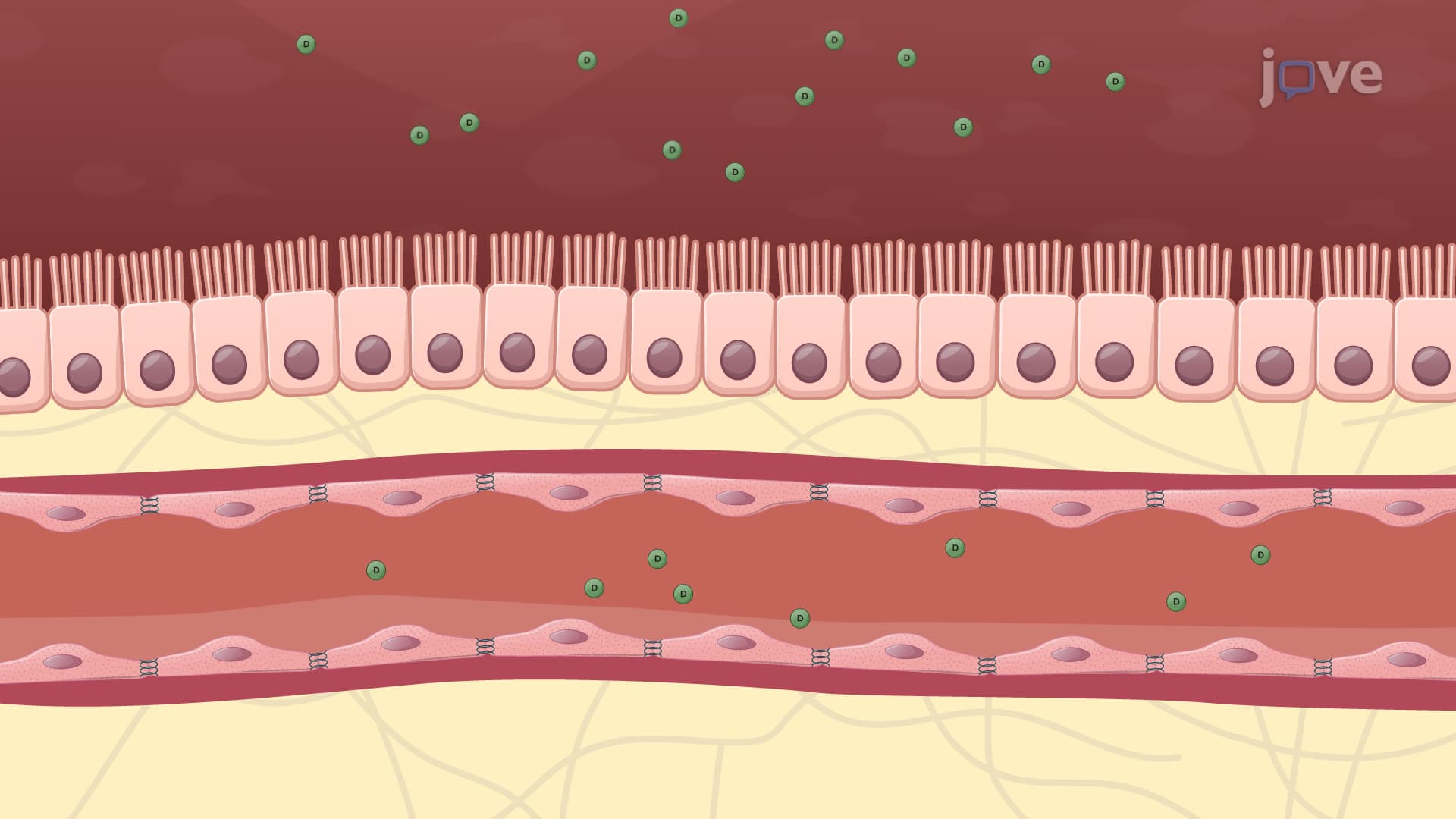
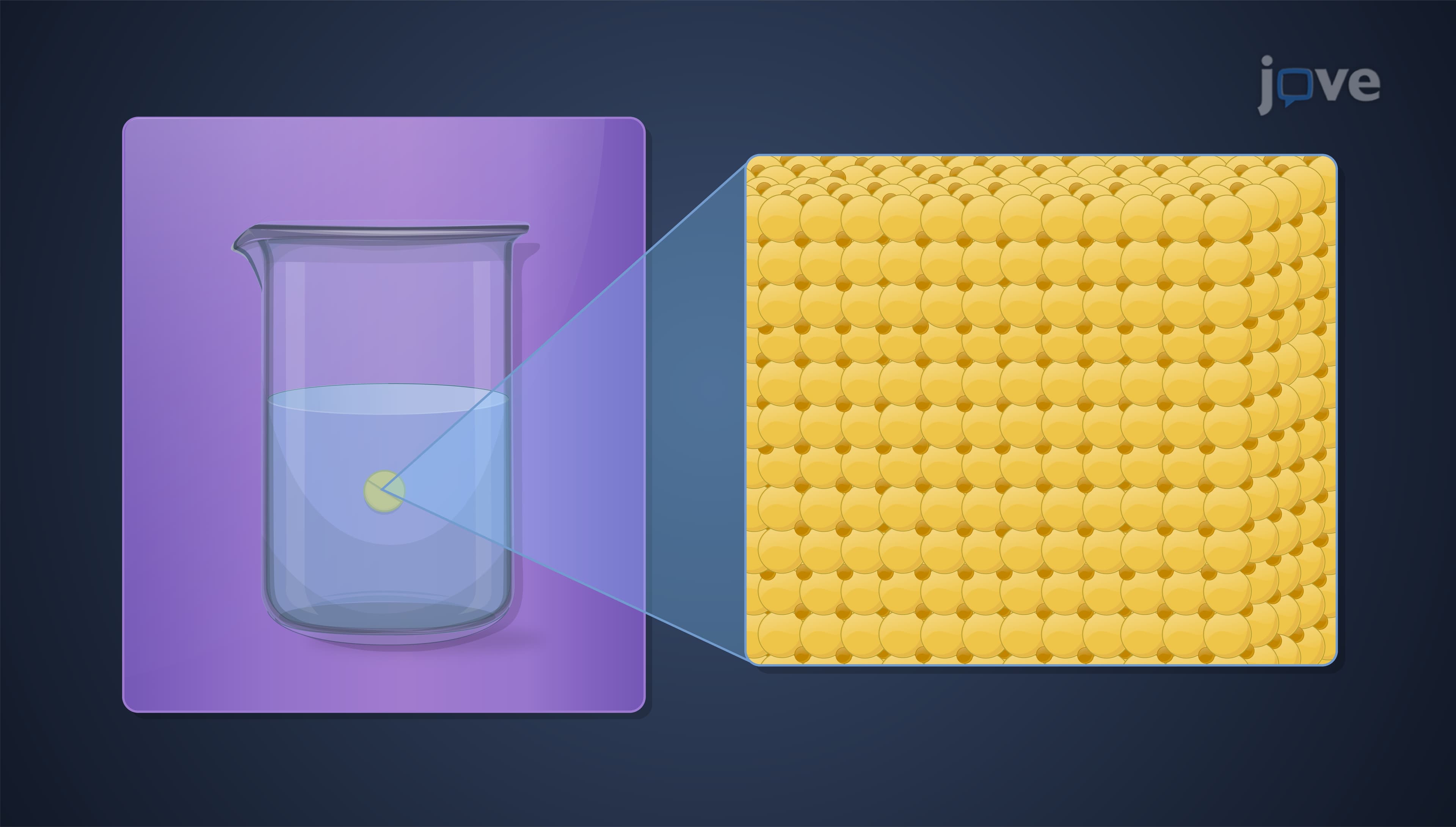
Drug dissolution represents a critical step in pharmaceutical absorption, where solid medication transforms into dissolved molecules capable of crossing biological membranes. The factors affecting dissolution drug behavior create a complex interplay between chemical properties and physiological conditions that determines therapeutic effectiveness.
The Henderson-Hasselbalch equation governs drug ionization: pH = pKa + log([A-]/[HA]) for acids, with similar principles applying to bases. When environmental pH equals a drug's pKa, exactly 50% exists in ionized form. Aspirin (pKa = 3.5) remains largely unionized in stomach acid (pH ~1.5), promoting dissolution and absorption. Conversely, basic drugs like morphine (pKa = 8.0) favor ionization in acidic conditions, reducing gastric absorption but enhancing intestinal uptake where pH approaches 7.4.
This concept frequently appears on MCAT passages and AP Chemistry exams, where students must predict absorption sites based on pKa calculations. College pharmacology courses emphasize these relationships when studying bioavailability and therapeutic timing.
The oil/water partition coefficient (Log P) quantifies lipophilicity, determining membrane-crossing ability. Highly lipophilic drugs (Log P > 2) like diazepam readily penetrate cell membranes but may accumulate in fatty tissues. Hydrophilic compounds (Log P < 0) like furosemide require active transport mechanisms, explaining why loop diuretics work specifically in kidney tubules with specialized transporters.
Pharmaceutical companies exploit these principles in drug formulation. Enteric-coated aspirin tablets resist gastric dissolution, releasing active ingredient in the alkaline duodenum to minimize stomach irritation. Extended-release formulations use pH-dependent polymers that dissolve selectively in specific intestinal regions, controlling absorption timing.
Understanding these mechanisms helps healthcare providers optimize dosing schedules. Taking proton pump inhibitors like omeprazole before meals maximizes effectiveness, while iron supplements absorb better with acidic conditions, explaining why vitamin C enhances iron bioavailability.
Related Micro-courses