Loading subject page…


26,027 views


Video Summary: Factors Affecting Dissolution Particle Size Explained
Ever wonder why crushing an aspirin tablet makes it work faster? Factors affecting dissolution particle size reveal that smaller drug particles dissolve exponentially faster than larger ones. The FDA requires particle size specifications for medications like hydrocortisone because micronized particles can increase absorption by up to 400% compared to standard formulations. Understanding factors affecting dissolution particle size explained helps predict how quickly medications will take effect in your body. Watch the full video on JoVE Coach to master this concept with expert-led visuals and step-by-step explanations.
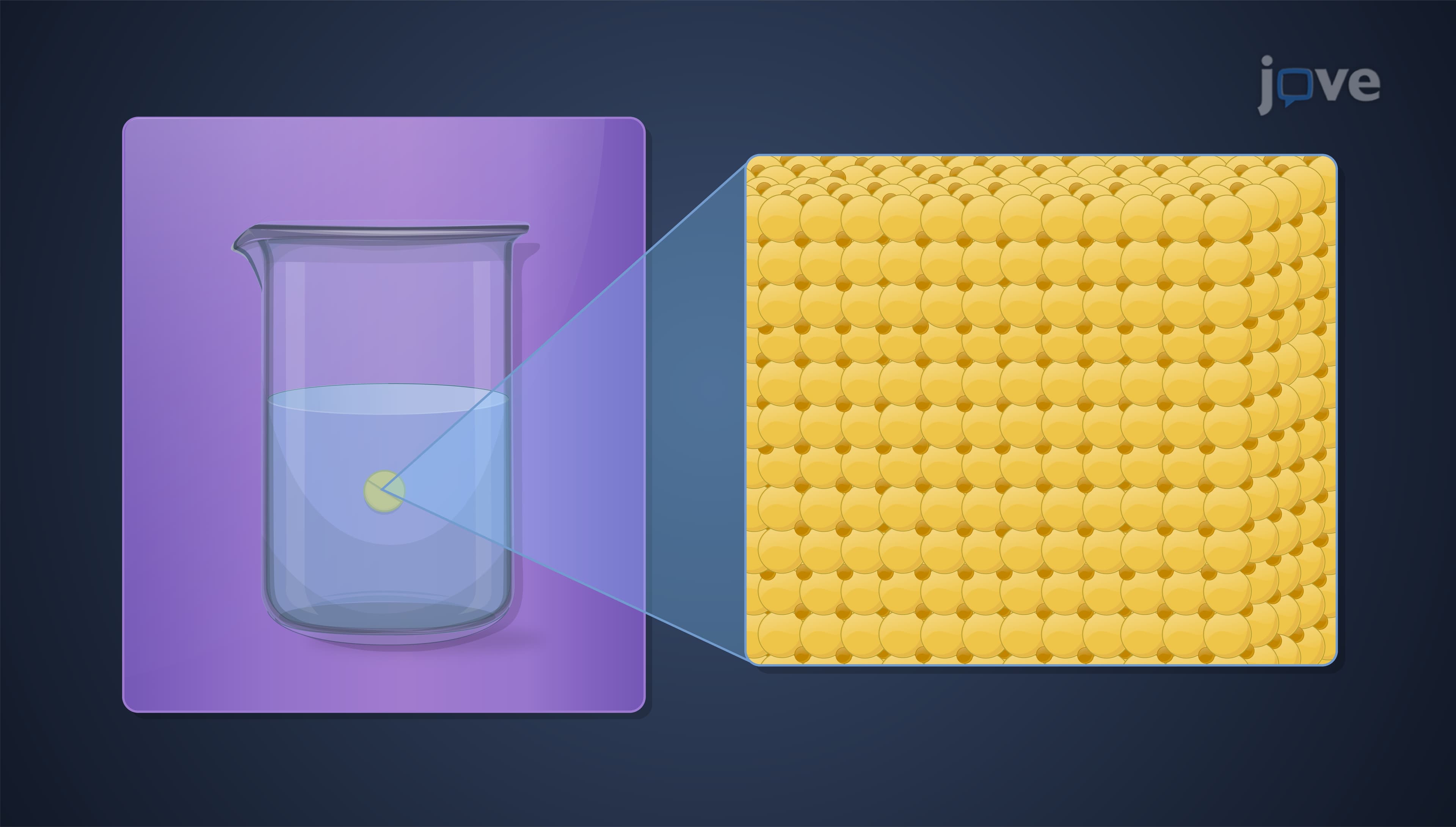
The relationship between particle size and drug dissolution forms a cornerstone of pharmaceutical science, directly impacting how quickly medications take effect in patients. When pharmaceutical companies reduce particle size, they dramatically increase the surface area available for drug-solvent interactions, accelerating the dissolution process according to the Noyes-Whitney equation.
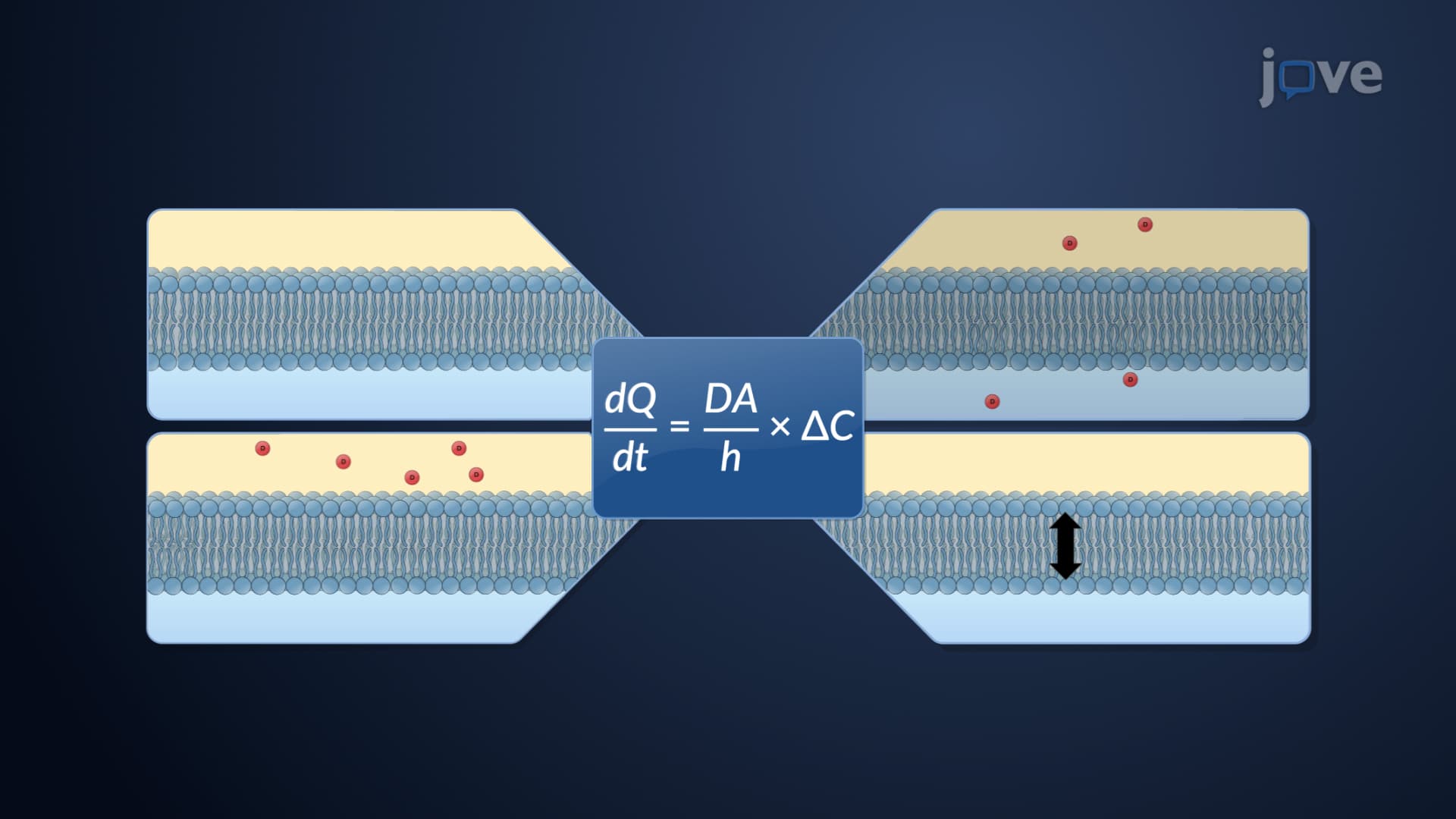
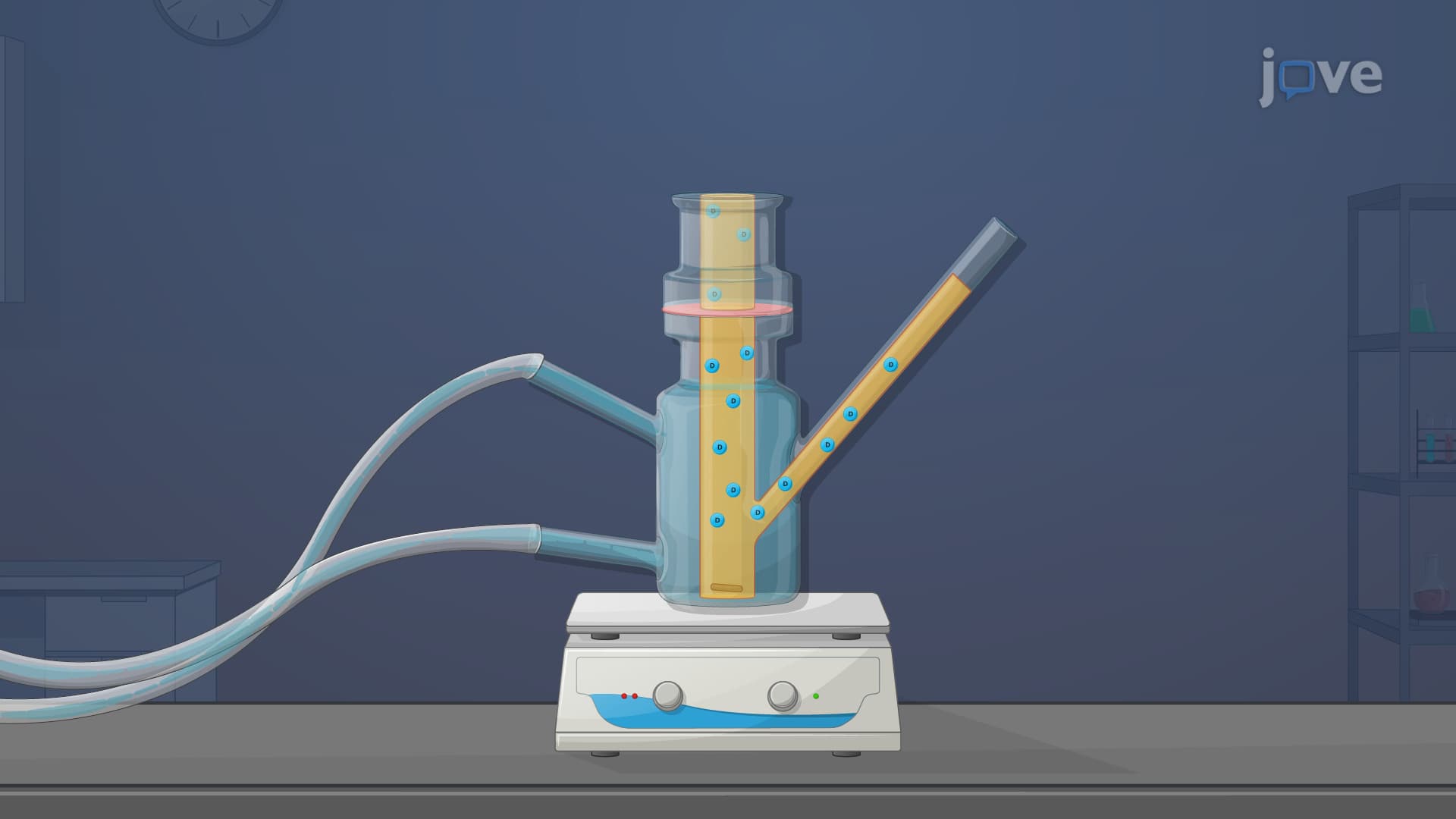
The Noyes-Whitney equation mathematically describes dissolution rate as: dM/dt = (D × A × (Cs - C))/h, where A represents surface area. Since surface area increases exponentially as particle size decreases, micronization can transform poorly absorbed drugs into highly bioavailable formulations. For example, the antifungal medication griseofulvin shows dramatically improved absorption when particle size drops from 10 micrometers to 2 micrometers.
US pharmaceutical manufacturers routinely micronize problematic drugs to enhance therapeutic outcomes. Hydrocortisone, a steroid with naturally poor water solubility, becomes significantly more effective when micronized for topical formulations. Similarly, nitrofurantoin, an antibiotic used for urinary tract infections, requires micronization to achieve adequate absorption levels. These modifications often allow for reduced dosing frequencies, improving patient compliance and reducing side effects.
When traditional micronization proves insufficient, pharmaceutical scientists employ nanosizing techniques to create particles in the nanometer range. These nanosuspensions can be administered orally or intravenously, opening new therapeutic possibilities. Additionally, surfactants like polysorbate 80 enhance the wetting properties of hydrophobic drugs, further improving dissolution rates by reducing surface tension between drug particles and surrounding fluids.
Students preparing for advanced placement chemistry, MCAT examinations, or pharmacy school should understand these principles as they frequently appear in pharmaceutical sciences coursework and professional licensing examinations.
Related Micro-courses