Loading subject page…

- Pharmacokinetics and Pharmacodynamics
- Pharmacokinetics: Drug Absorption
- Factors Affecting Dissolution: Polymorphism, Amorphism and Pseudopolymorphism
Micro-course: Pharmacokinetics: Drug Absorption
26,027 views
Learn key concepts and earn your certificate.
















Factors Affecting Dissolution: Polymorphism, Amorphism and Pseudopolymorphism


00:00
01:21
Video Summary: Factors Affecting Dissolution Polymorphism Amorphism Explained
Did you know that the same medication can exist in completely different crystal forms, dramatically changing how quickly your body absorbs it? Factors affecting dissolution polymorphism determine why some pills work faster than others, even with identical active ingredients. For example, chloramphenicol suspensions contain multiple crystal structures that dissolve at vastly different rates in the human body. This phenomenon affects everything from FDA drug approval processes to why generic medications sometimes feel different from brand names. Watch the full video on JoVE Coach to master this concept with expert-led visuals and step-by-step explanations.
- Understand how factors affecting dissolution polymorphism amorphism explained influence drug bioavailability and therapeutic effectiveness in pharmaceutical applications
- Identify the structural differences between polymorphs, pseudopolymorphs, hydrates, and amorphous forms of the same chemical compound
- Analyze dissolution rate patterns and solubility curves for different crystalline forms using time-versus-percent dissolved graphs
- Compare the stability and conversion processes of metastable polymorphs during manufacturing and storage conditions
- Evaluate the impact of solvate formation on drug dissolution properties and pharmaceutical formulation strategies
- Apply knowledge of crystal structure relationships to predict bioavailability outcomes in clinical pharmacy settings
- Recognize manufacturing challenges like tablet cracking and compression issues caused by polymorphic transitions
- Explore real-world examples including chloramphenicol suspensions and erythromycin hydrate formations in pharmaceutical development
Understanding Factors Affecting Dissolution Polymorphism Fundamentals
Polymorphism represents one of the most critical factors influencing drug dissolution in pharmaceutical sciences. When pharmaceutical compounds exist in multiple crystalline arrangements while maintaining identical chemical formulas, their physical properties-including dissolution rates-can vary dramatically. This phenomenon directly impacts drug bioavailability, making it essential for pharmacy students preparing for MCAT exams and pharmaceutical chemistry courses.
The FDA requires extensive polymorphic screening during drug development because different crystal forms can behave like entirely different medications in the human body. For instance, ritonavir, an HIV medication, experienced a major pharmaceutical crisis when a more stable polymorph appeared unexpectedly, dramatically reducing the drug's bioavailability and requiring complete reformulation.
Polymorphic Variations and Their Clinical Significance
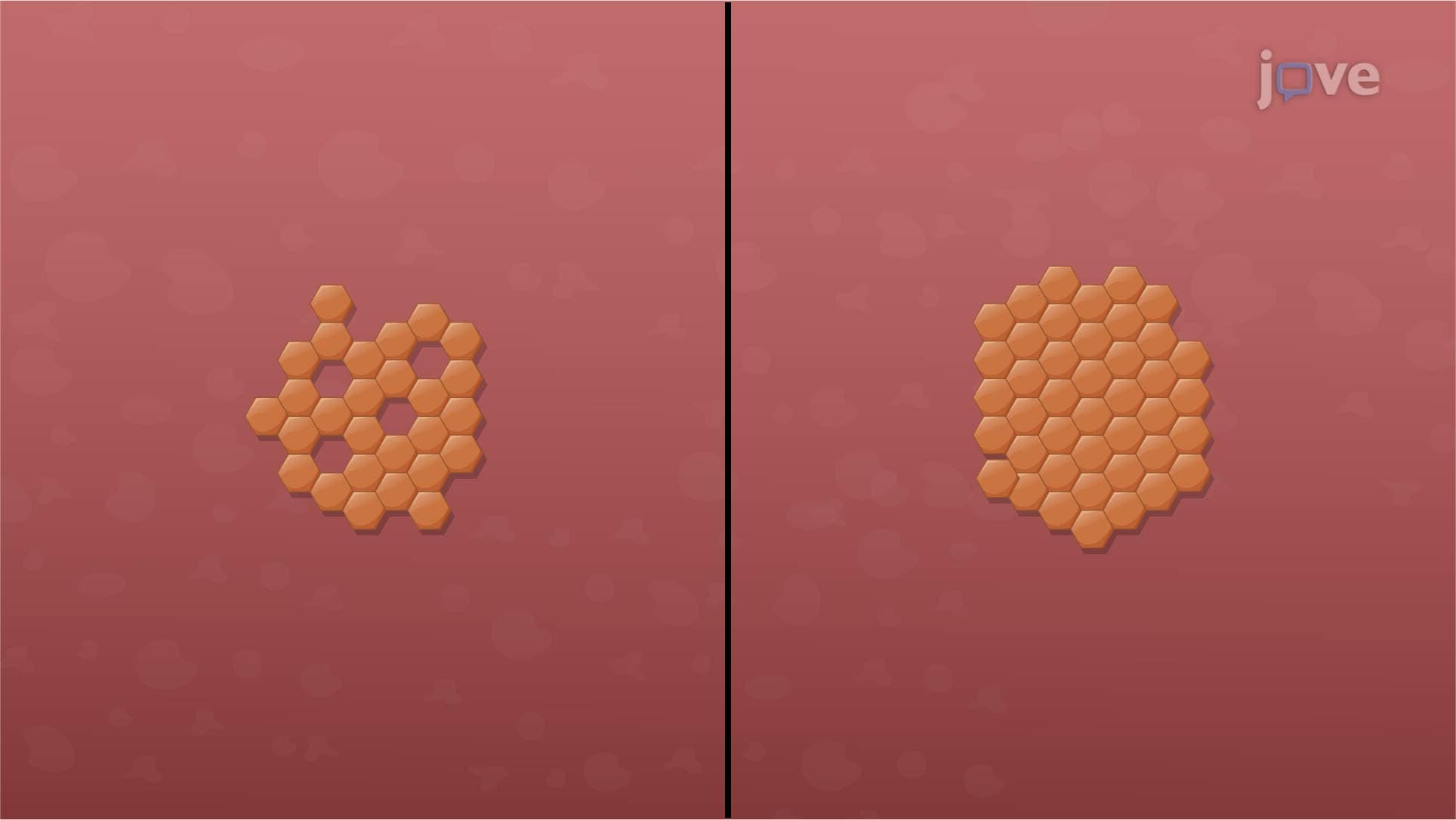
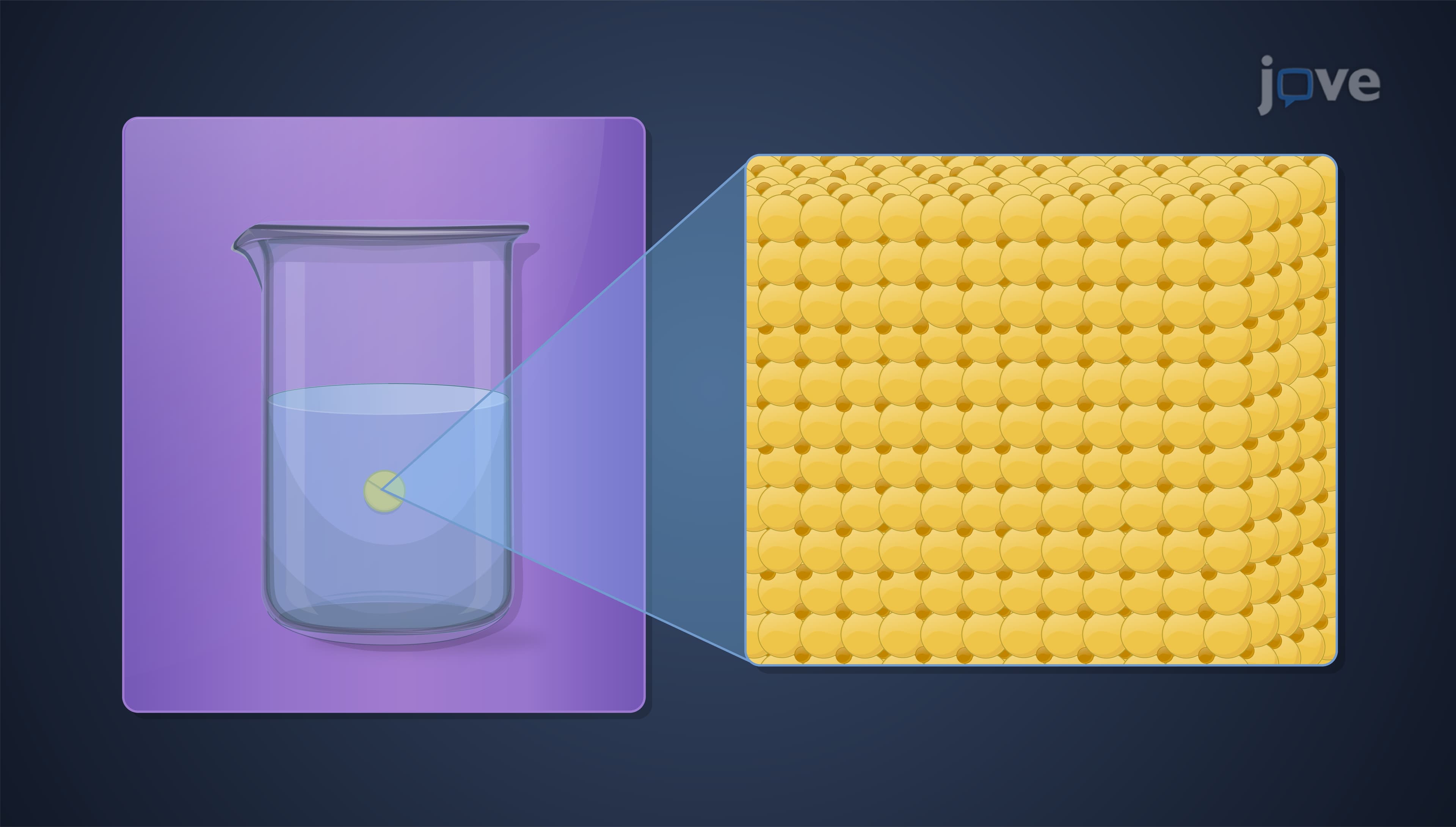
True polymorphs share identical molecular compositions but arrange differently in crystal lattices, creating distinct melting points, solubilities, and dissolution profiles. Students often encounter this concept in AP Chemistry when studying crystal structures and intermolecular forces. The α-polymorph of chloramphenicol demonstrates superior dissolution compared to other forms, directly translating to enhanced therapeutic outcomes.
Metastable polymorphs present unique manufacturing challenges. These less stable forms can spontaneously convert during production, storage, or even after packaging. Such transitions can cause tablets to crack, prevent proper granulation compression, or alter dissolution profiles unexpectedly. Pharmaceutical companies invest millions in polymorph screening to identify and control these transformations.
Pseudopolymorphs and Hydrate Formation
Pseudopolymorphs form when drug molecules incorporate solvent molecules into their crystal structures during manufacturing. When water serves as the incorporated solvent, hydrates result. Erythromycin exemplifies this complexity, existing as dihydrate, monohydrate, and anhydrous forms, each displaying distinct dissolution characteristics that pharmacy students must understand for USMLE Step 1 preparation.
The clinical implications extend beyond academic study. Carbamazepine, an anticonvulsant medication, exists in multiple hydrated forms with significantly different dissolution rates. Understanding these differences helps pharmacists counsel patients about potential bioequivalence variations between manufacturers.
Amorphous Forms and Enhanced Dissolution
Amorphous forms lack organized crystal structures, resembling "frozen liquids" at the molecular level. This structural disorder typically results in dramatically enhanced dissolution rates compared to crystalline counterparts. However, amorphous forms often prove thermodynamically unstable, potentially converting to crystalline forms over time, which poses formulation challenges that pharmaceutical scientists address through specialized stabilization techniques taught in advanced pharmaceutical chemistry coursework.
Frequently Asked Questions
The primary factors include crystal structure arrangements (polymorphs), solvent incorporation (pseudopolymorphs and hydrates), and molecular organization (amorphous vs. crystalline forms). These structural variations directly influence dissolution rates, bioavailability, and therapeutic effectiveness. Understanding these concepts is crucial for MCAT preparation and pharmaceutical science coursework.
MCAT questions typically focus on relating crystal structures to dissolution rates and bioavailability concepts. Pharmacy school exams emphasize clinical applications, requiring students to predict how different polymorphic forms affect therapeutic outcomes. Students should practice interpreting dissolution-time graphs and comparing bioavailability between different crystal forms.
USMLE Step 1 covers pharmacokinetics sections where polymorphism affects drug absorption and bioavailability. Students encounter questions about bioequivalence, generic vs. brand medications, and factors influencing drug dissolution rates. Understanding these concepts helps with pharmacology questions involving drug formulations and therapeutic effectiveness.
Common examples include different insulin formulations, where crystal structures determine onset and duration of action. Acetaminophen exists in multiple polymorphic forms affecting dissolution rates, while aspirin polymorphs influence bioavailability in different tablet formulations. These real-world applications help students understand clinical relevance beyond textbook theory.
While detailed pharmaceutical applications are advanced, the basic concepts build on familiar chemistry principles like crystal structures and intermolecular forces covered in AP Chemistry. Students can grasp fundamental ideas about how molecular arrangements affect physical properties, preparing them for more advanced pharmaceutical chemistry concepts in college coursework.
Create comparison charts showing different crystal forms, their dissolution rates, and clinical implications. Practice interpreting dissolution curves and relating crystal structures to bioavailability outcomes. Focus on specific drug examples like chloramphenicol and erythromycin to understand real-world applications that frequently appear on pharmaceutical chemistry exams.
This foundational knowledge leads directly to pharmaceutical formulation science, drug development processes, and regulatory chemistry coursework. Students build expertise in structure-property relationships essential for pharmaceutical research careers. Understanding polymorphism also prepares students for advanced topics like nanotechnology drug delivery and personalized medicine approaches.
Pharmaceutical scientists use this knowledge in drug development and formulation design, while regulatory affairs professionals apply it in FDA submissions and approval processes. Clinical pharmacists counsel patients about generic bioequivalence, and analytical chemists perform polymorphic screening in quality control laboratories throughout the pharmaceutical industry.
Related Micro-courses