Loading video…


 29 Concepts
 26K views


Video Summary: Factors Influencing Drug Absorption Pharmaceutical Parameters Explained
Ever wonder why your Advil tablet works faster than a vitamin pill? The factors influencing drug absorption depend heavily on pharmaceutical parameters like manufacturing methods and excipients used in drug formulation. For instance, FDA-approved medications like acetaminophen (Tylenol) undergo specific compression forces during tablet manufacturing that directly impact how quickly the drug dissolves in your stomach. Understanding these Factors Influencing Drug Absorption Pharmaceutical Parameters Explained is crucial for pharmaceutical development and therapeutic effectiveness. Watch the full video on JoVE Coach to master this concept with expert-led visuals and step-by-step explanations.
Drug absorption represents a complex interplay between pharmaceutical manufacturing decisions and biological processes. When you take an over-the-counter medication like ibuprofen, the speed and extent of absorption depend on carefully engineered pharmaceutical parameters established during manufacturing.
Compression force during tablet manufacturing creates a delicate balance. Higher compression forces increase tablet density, making them more durable for shipping and storage. However, this increased density reduces the tablet's wettability-its ability to interact with stomach fluids. The FDA requires dissolution testing for all solid oral dosage forms, and manufacturers must optimize compression to meet these standards.
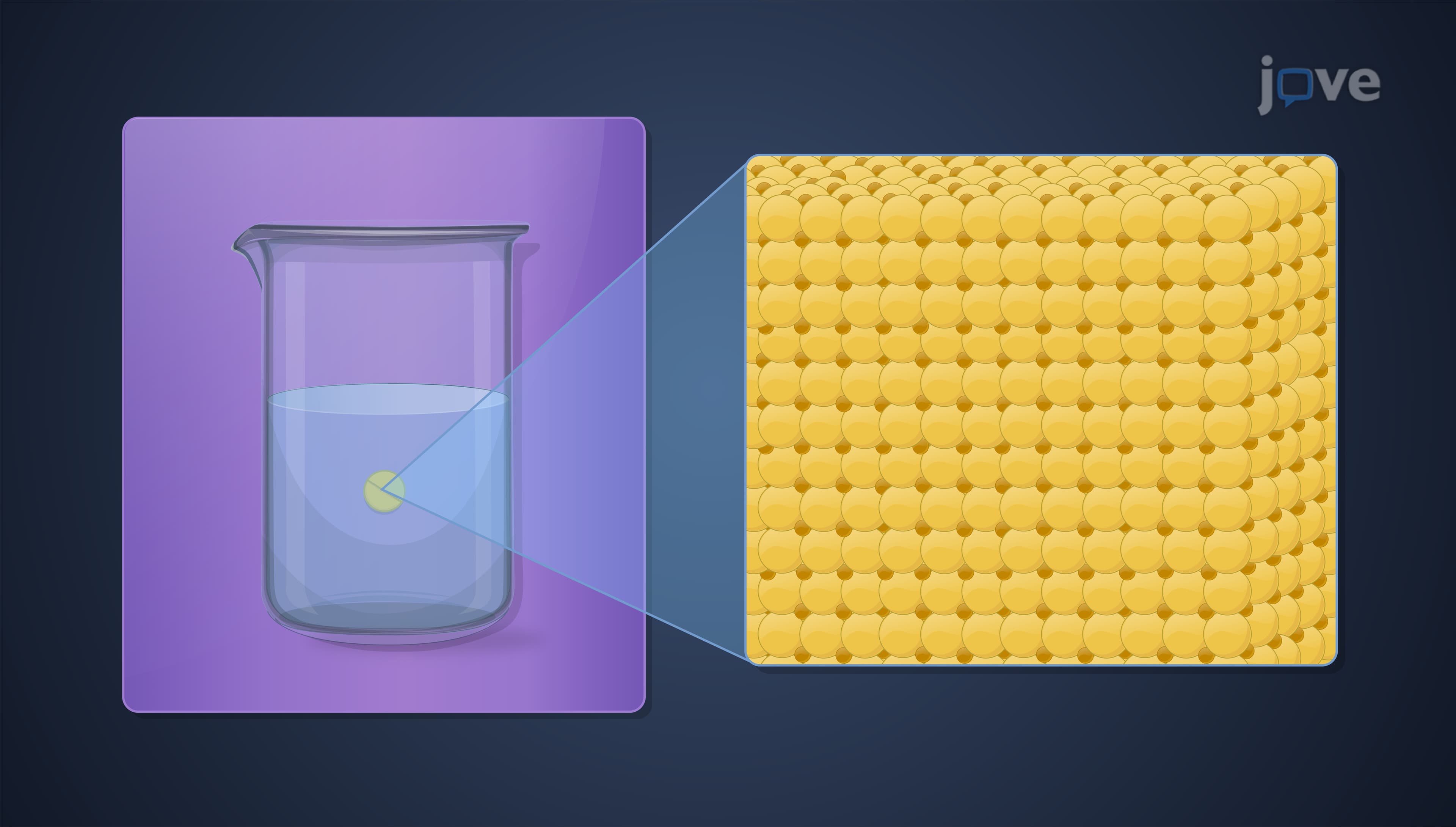
Granulation methods significantly impact dissolution rates. Wet granulation typically produces tablets with different dissolution profiles compared to dry granulation. For AP Chemistry students, this concept connects to surface area principles: smaller, more uniform granules provide greater surface area for dissolution reactions.
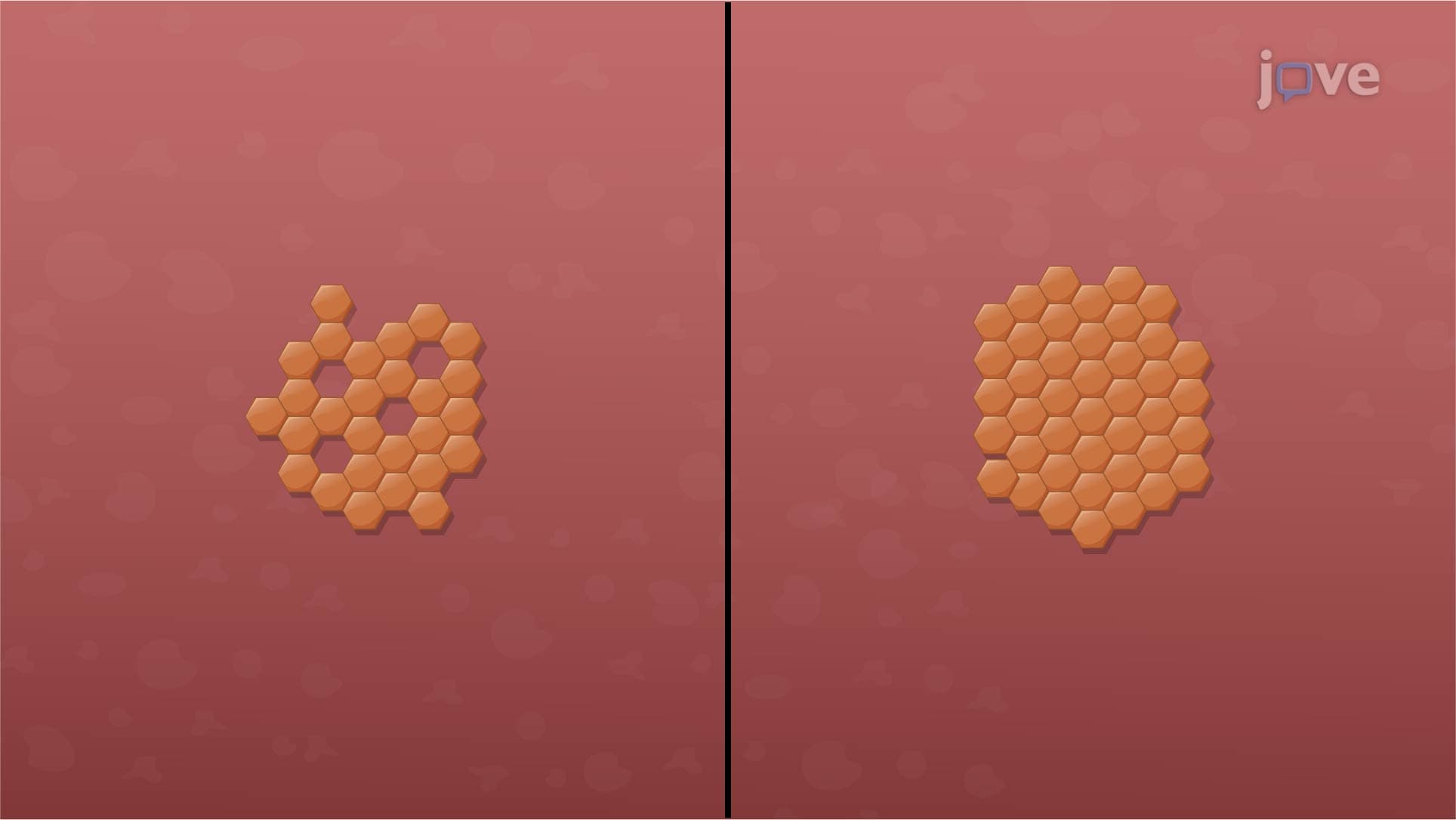
Interestingly, high compression forces sometimes enhance dissolution through particle deformation. When drug particles deform under pressure, they create micro-fractures that increase effective surface area, potentially accelerating dissolution despite reduced wettability.
Excipients comprise 80-90% of most pharmaceutical tablets, yet remain largely invisible to consumers. These inactive ingredients ensure drug stability, manufacturability, and optimal bioavailability. Understanding excipient functions is crucial for MCAT preparation and pharmaceutical science courses.
Vehicles and diluents serve as the foundation. Water-miscible vehicles like polyethylene glycol rapidly mix with gastrointestinal fluids, promoting quick drug release. For hydrophobic drugs like many cholesterol medications, specific diluents enhance dissolution rates.
Disintegrants break apart tablets once they contact stomach fluids. Common disintegrants include croscarmellose sodium and sodium starch glycolate. Surfactants reduce surface tension, improving drug particle wettability-essential for poorly water-soluble compounds.
Binders and lubricants present interesting challenges. Binders like microcrystalline cellulose hold powder particles together during compression, ensuring tablet integrity. Lubricants such as magnesium stearate prevent powder from sticking to manufacturing equipment. However, both can form films around drug particles, potentially slowing dissolution.
This balance between manufacturability and bioavailability exemplifies pharmaceutical engineering principles tested in college-level courses and professional examinations.
Related Micro-courses