Loading video…


 29 Concepts
 26K views

Video Summary: Factors Influencing Drug Absorption Physicochemical Parameters Explained
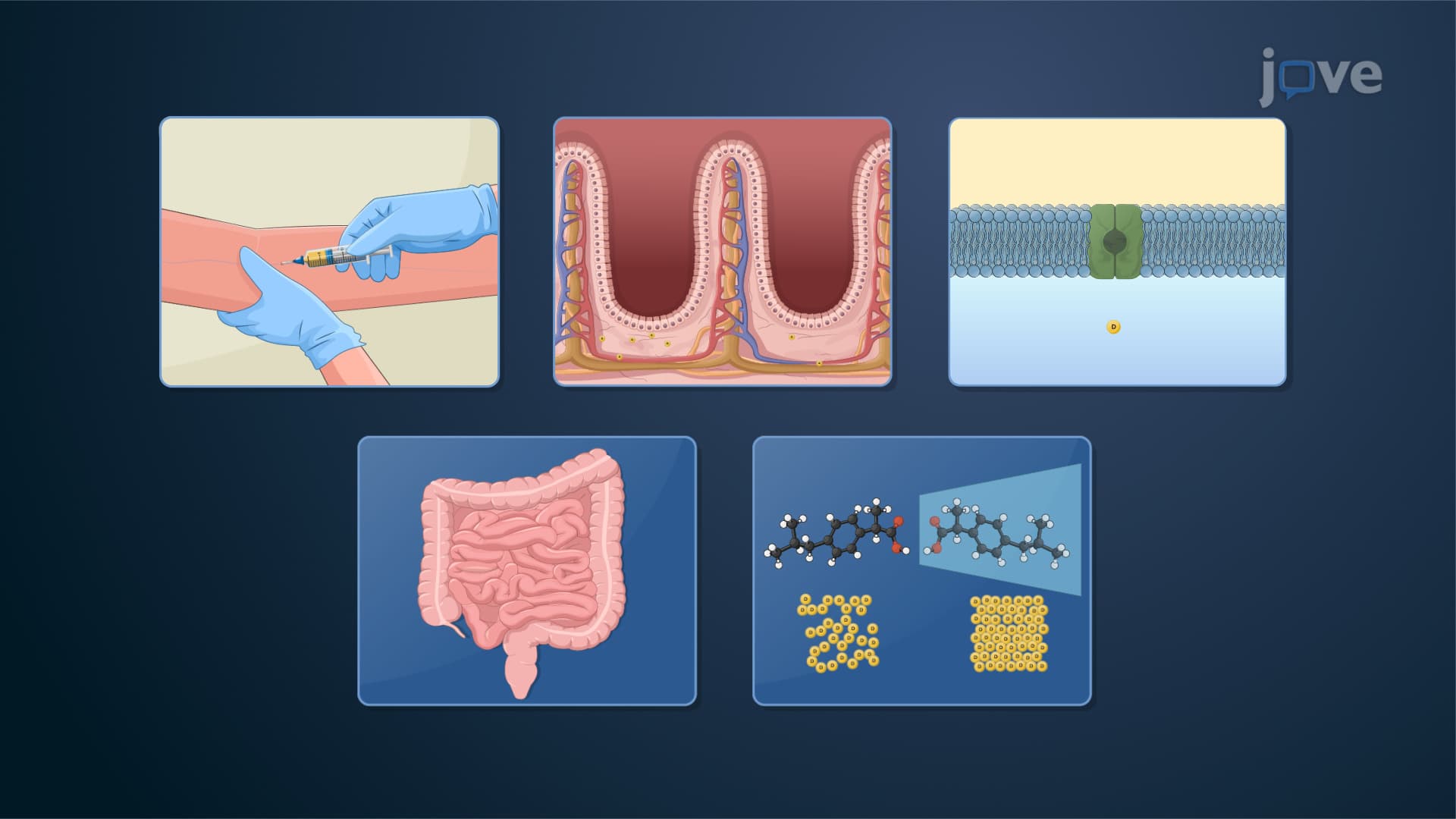
Did you know that aspirin's effectiveness depends on whether your stomach is empty or full? The factors influencing drug absorption are determined by complex physicochemical parameters that control how medications enter your bloodstream. From the pH changes in your digestive tract to a drug's molecular structure, these factors influencing drug absorption physicochemical parameters explained determine whether a medication like ibuprofen dissolves quickly or needs special coating to survive stomach acid. Watch the full video on JoVE Coach to master this concept with expert-led visuals and step-by-step explanations.
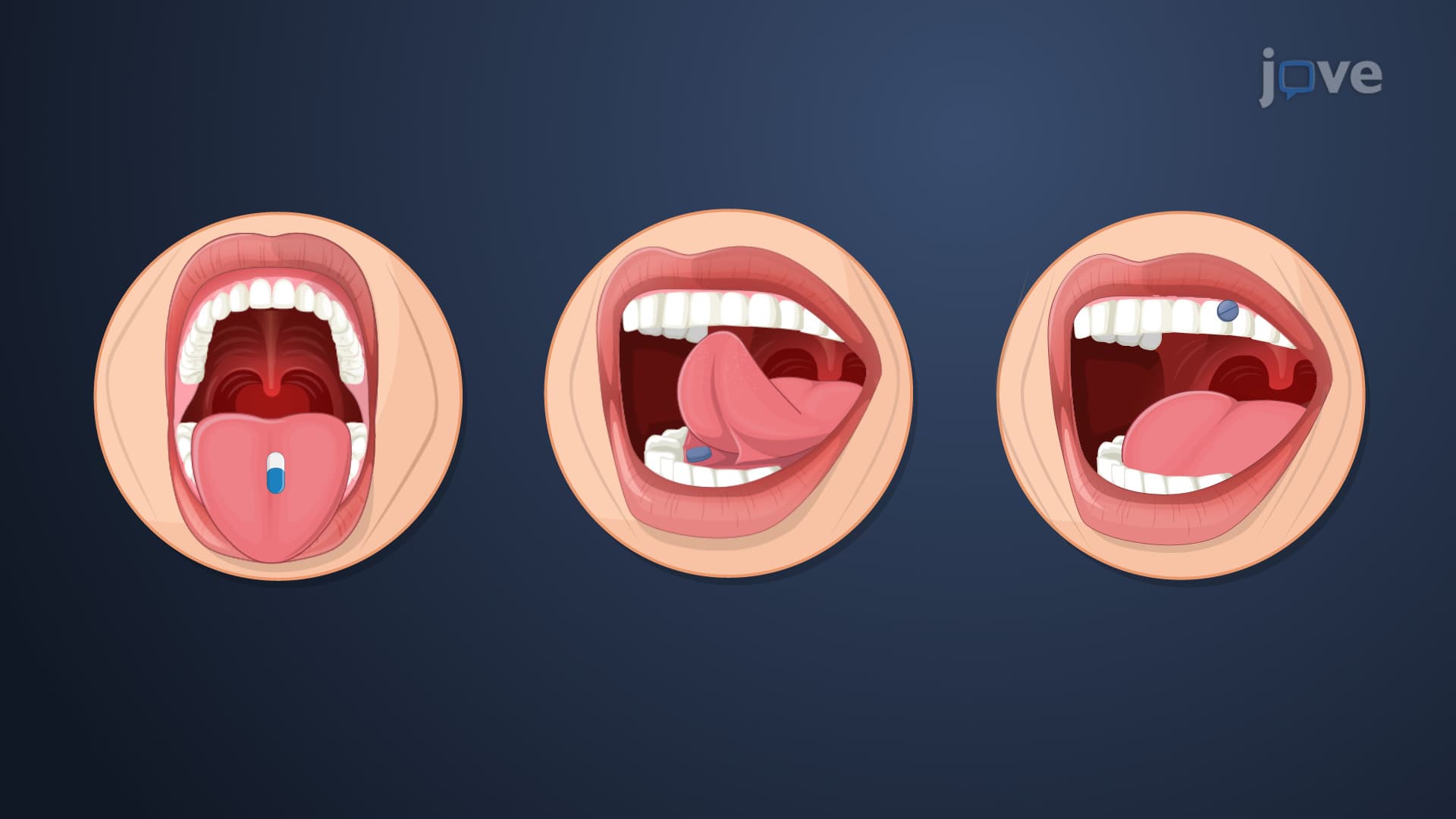
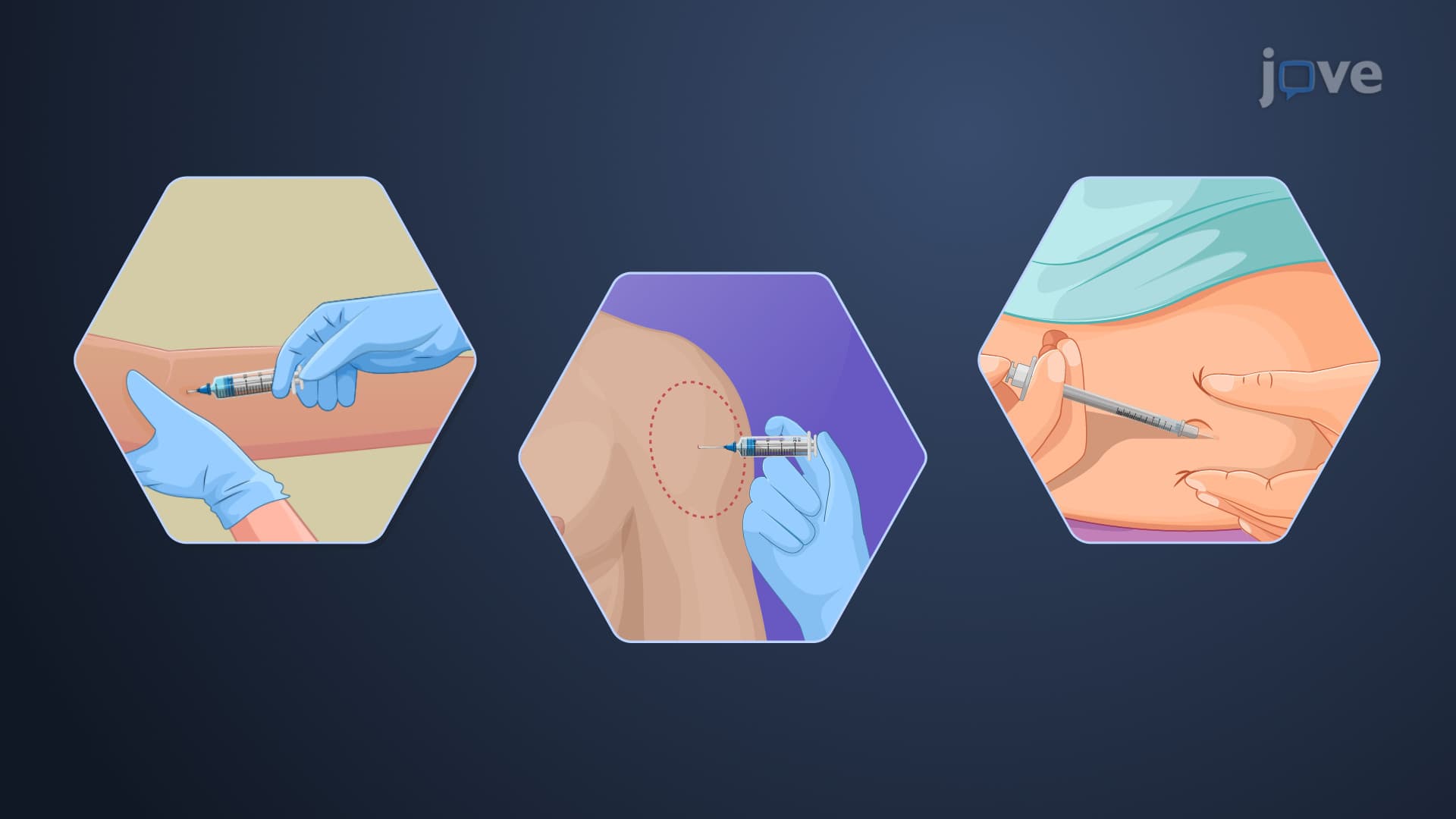
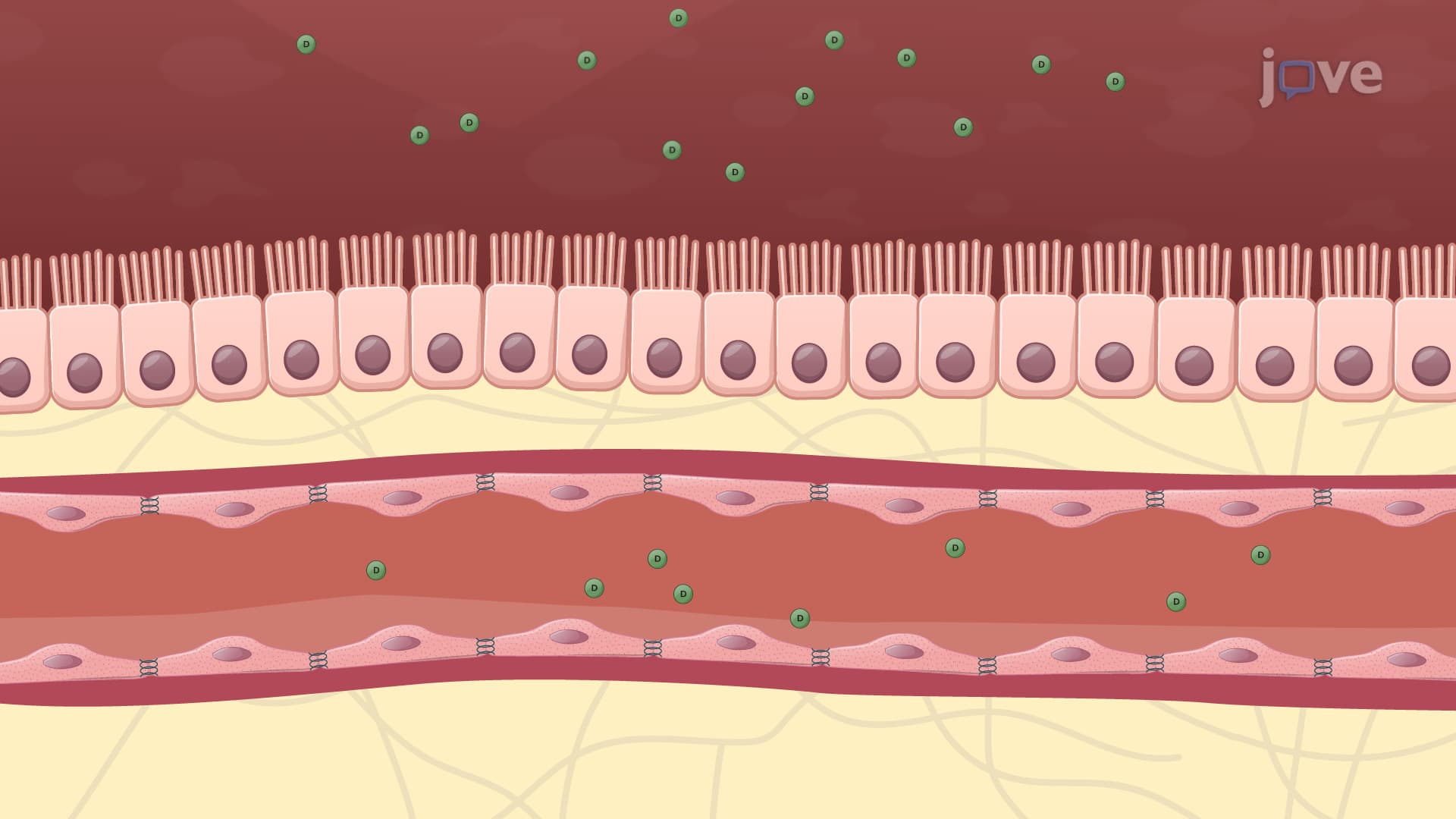
When you swallow a medication, its journey to effectiveness depends on multiple physicochemical factors that pharmaceutical scientists carefully optimize. These parameters determine whether a drug reaches therapeutic levels in your bloodstream or fails to provide the intended treatment. Understanding these concepts is crucial for AP Chemistry, pre-med courses, and pharmacy school preparation.
The human digestive system creates a pH gradient from highly acidic (stomach pH 1-3) to alkaline (small intestine pH 7-8). A drug's pKa value-its dissociation constant-determines its ionization state at different pH levels. Weak acids like aspirin (pKa 3.5) remain mostly unionized in acidic stomach conditions, allowing rapid absorption. Conversely, weak bases like morphine (pKa 8.0) become ionized in stomach acid, requiring transport to the more alkaline small intestine for optimal absorption.
This principle appears frequently on MCAT passages and college pharmacology exams. Students should remember that unionized forms cross cell membranes more easily than ionized forms, following the Henderson-Hasselbalch equation taught in general chemistry courses.
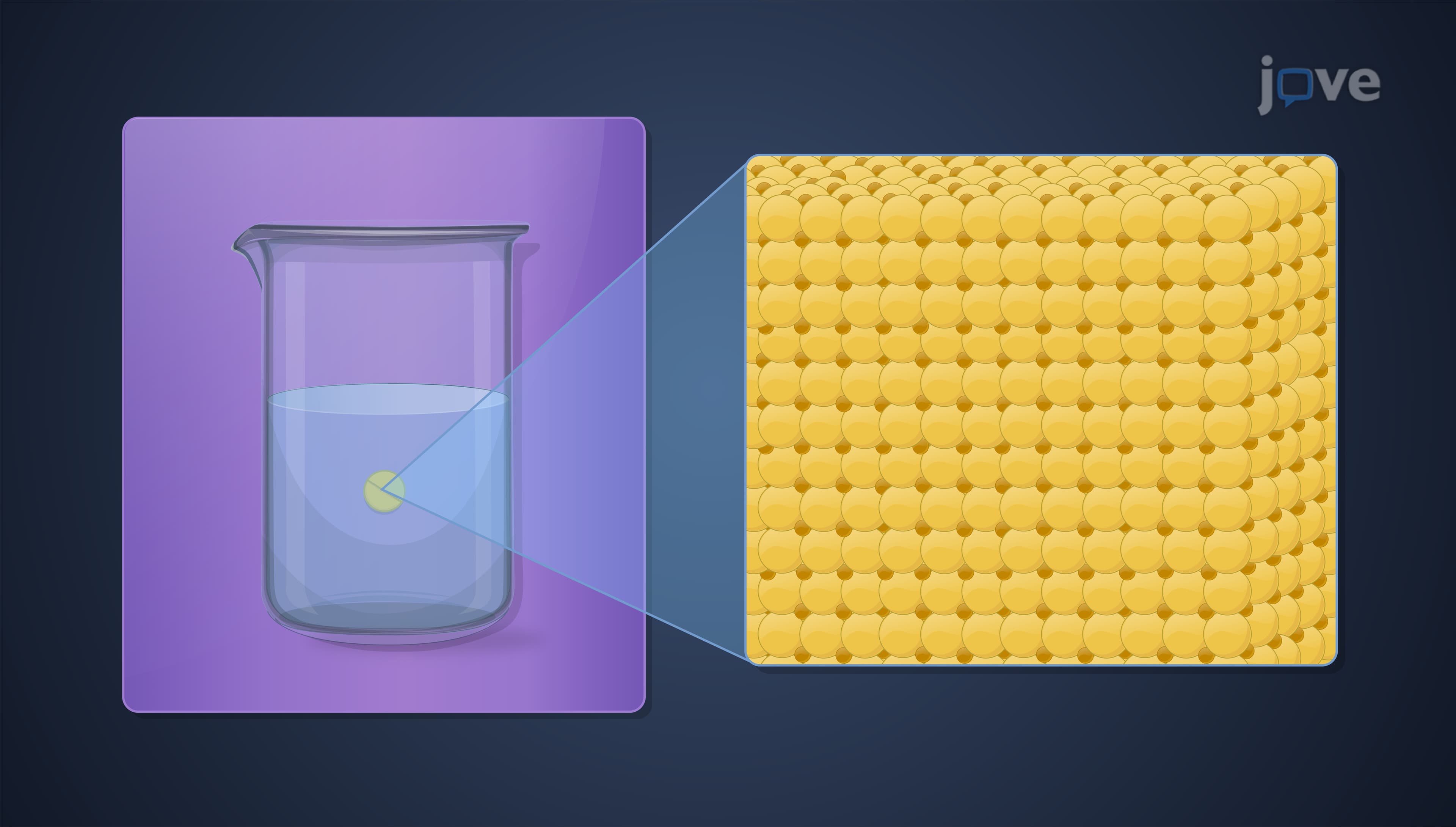
Drug manufacturers manipulate particle size to control absorption rates. Smaller particles create larger surface areas, increasing contact with gastrointestinal fluids and accelerating dissolution. Pharmaceutical companies like Pfizer use micronization techniques to reduce particle sizes from 100 micrometers to less than 10 micrometers, dramatically improving bioavailability.
This concept connects to AP Chemistry surface area principles and appears in college-level pharmaceutical sciences curricula. The relationship between surface area and reaction rates directly applies to drug dissolution kinetics.
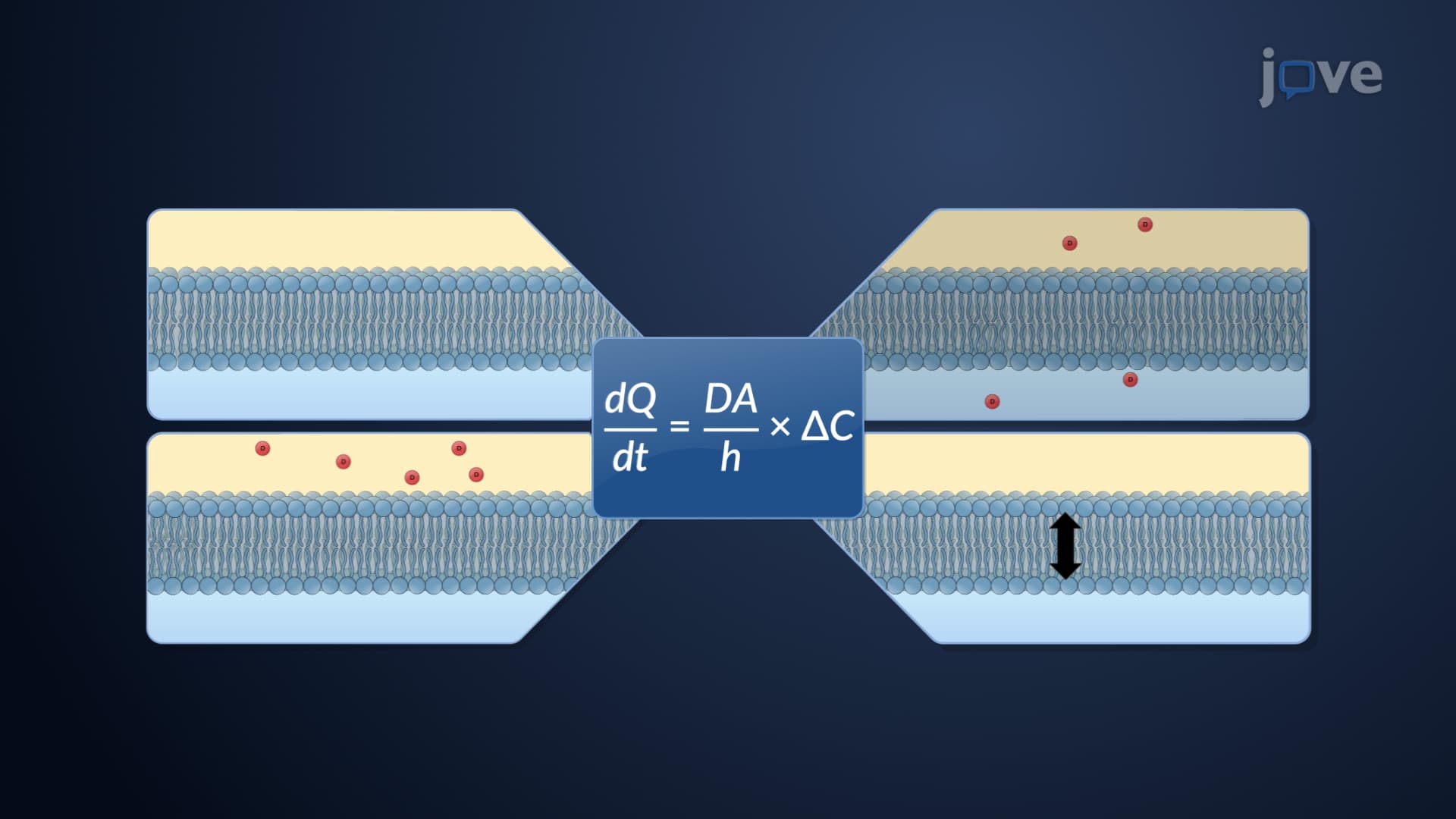
Enteric coatings protect acid-sensitive drugs like omeprazole (Prilosec) from stomach acid degradation. These pH-sensitive polymers dissolve only in alkaline conditions, ensuring drug release in the small intestine. Meanwhile, lipophilic drugs with high partition coefficients can cross cellular membranes despite poor water solubility, explaining why some medications require fatty meals for optimal absorption.
Understanding these formulation strategies helps students excel in pharmaceutical sciences coursework and provides practical knowledge for future healthcare careers.
Related Micro-courses