Loading video…


 29 Concepts
 26K views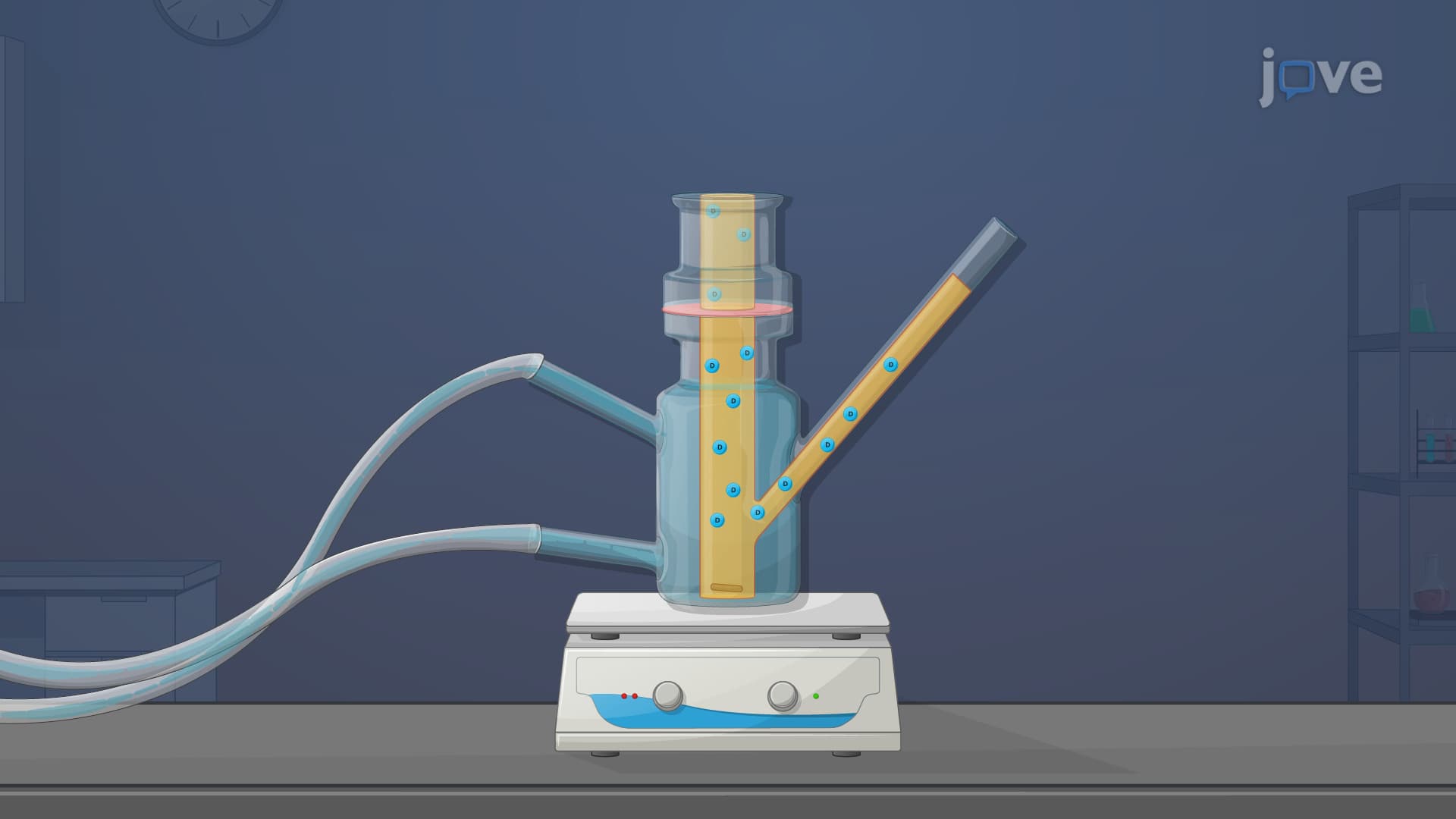

Video Summary: In Vitro Methods for Studying Drug Absorption
Ever wonder how pharmaceutical companies test whether a new diabetes medication will actually reach your bloodstream before conducting human trials? In vitro methods for studying drug absorption allow researchers to simulate how medications cross biological barriers using laboratory models instead of live patients. For instance, when Pfizer develops a new oral medication, they first test absorption using techniques like Caco-2 cell cultures that mimic the human intestinal lining. These in vitro methods for studying drug absorption provide crucial safety and efficacy data before expensive clinical trials begin. Watch the full video on JoVE Coach to master this concept with expert-led visuals and step-by-step explanations.
In vitro methods for studying drug absorption represent sophisticated laboratory techniques that pharmaceutical scientists use to predict how medications will behave in the human body without conducting expensive and time-consuming clinical trials. These methods have revolutionized drug development by providing reliable, reproducible data about a drug's ability to cross biological barriers-particularly the intestinal wall where most oral medications are absorbed.
The term "in vitro" literally means "in glass," referring to experiments conducted in controlled laboratory environments rather than in living organisms. For students preparing for the MCAT or AP Biology exams, understanding these methods demonstrates key principles of cell biology, pharmacokinetics, and experimental design that frequently appear on standardized tests.
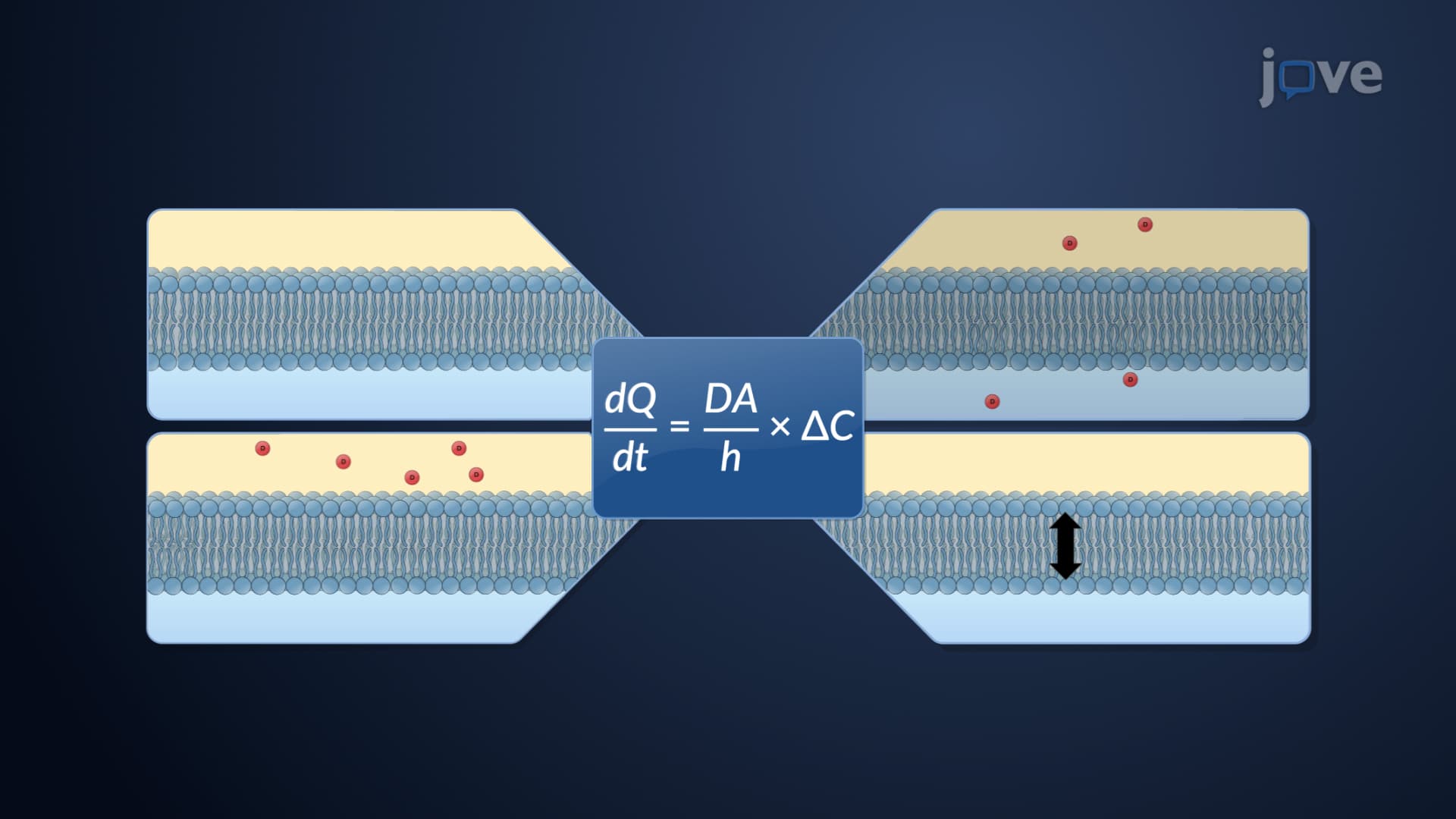
The diffusion cell method creates a simplified model of biological absorption using either synthetic or natural gastrointestinal membranes. This technique involves two chambers: a donor compartment containing the drug solution and a receptor compartment filled with buffer solution. The membrane separates these compartments, allowing researchers to measure how much drug passes through over time.
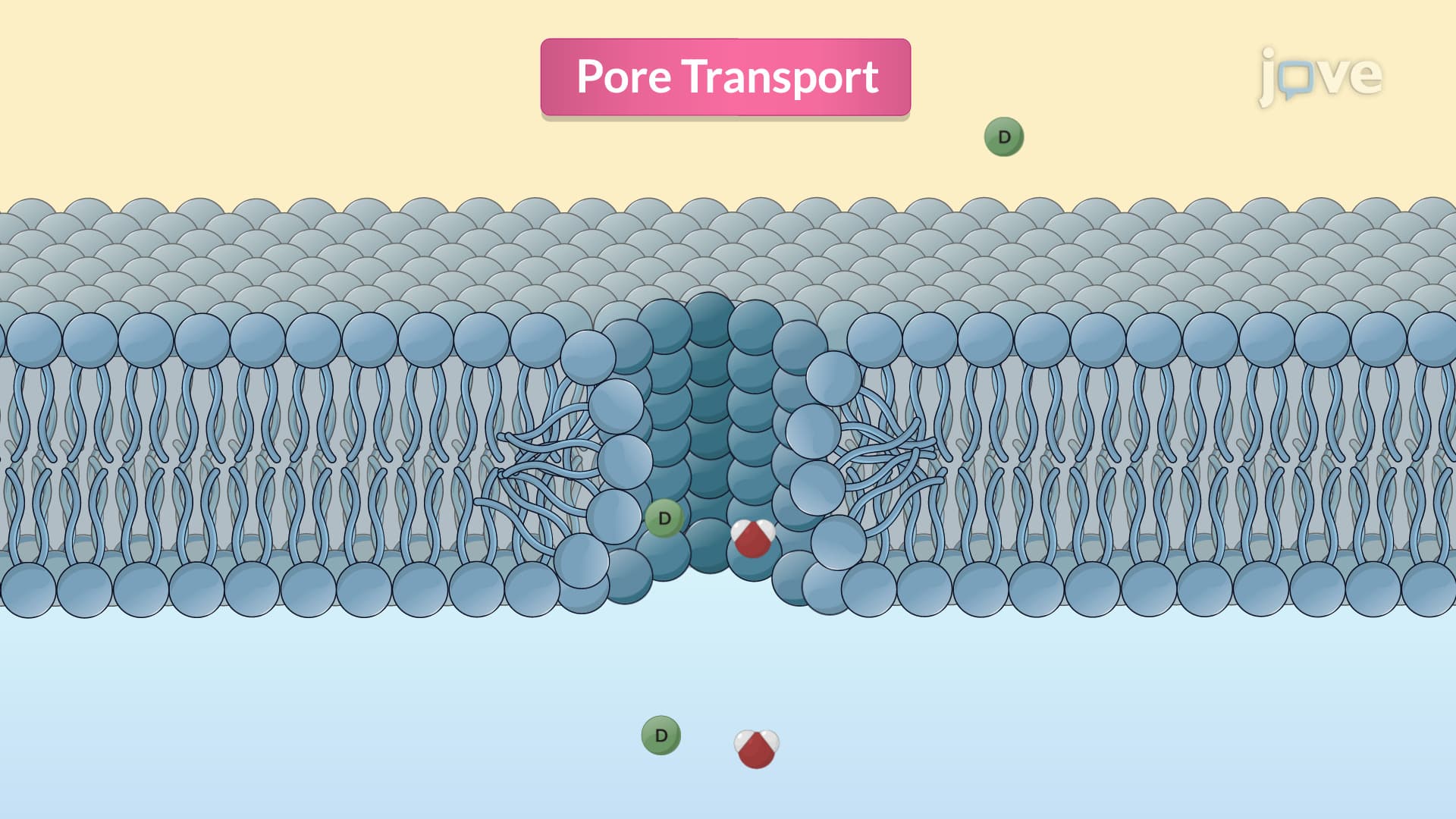
This method is particularly valuable for studying passive diffusion-the process by which many medications, including common pain relievers like ibuprofen, cross cell membranes. Students studying for college pharmacology courses should understand that this technique helps predict bioavailability, a critical factor determining how much of an administered dose reaches systemic circulation.
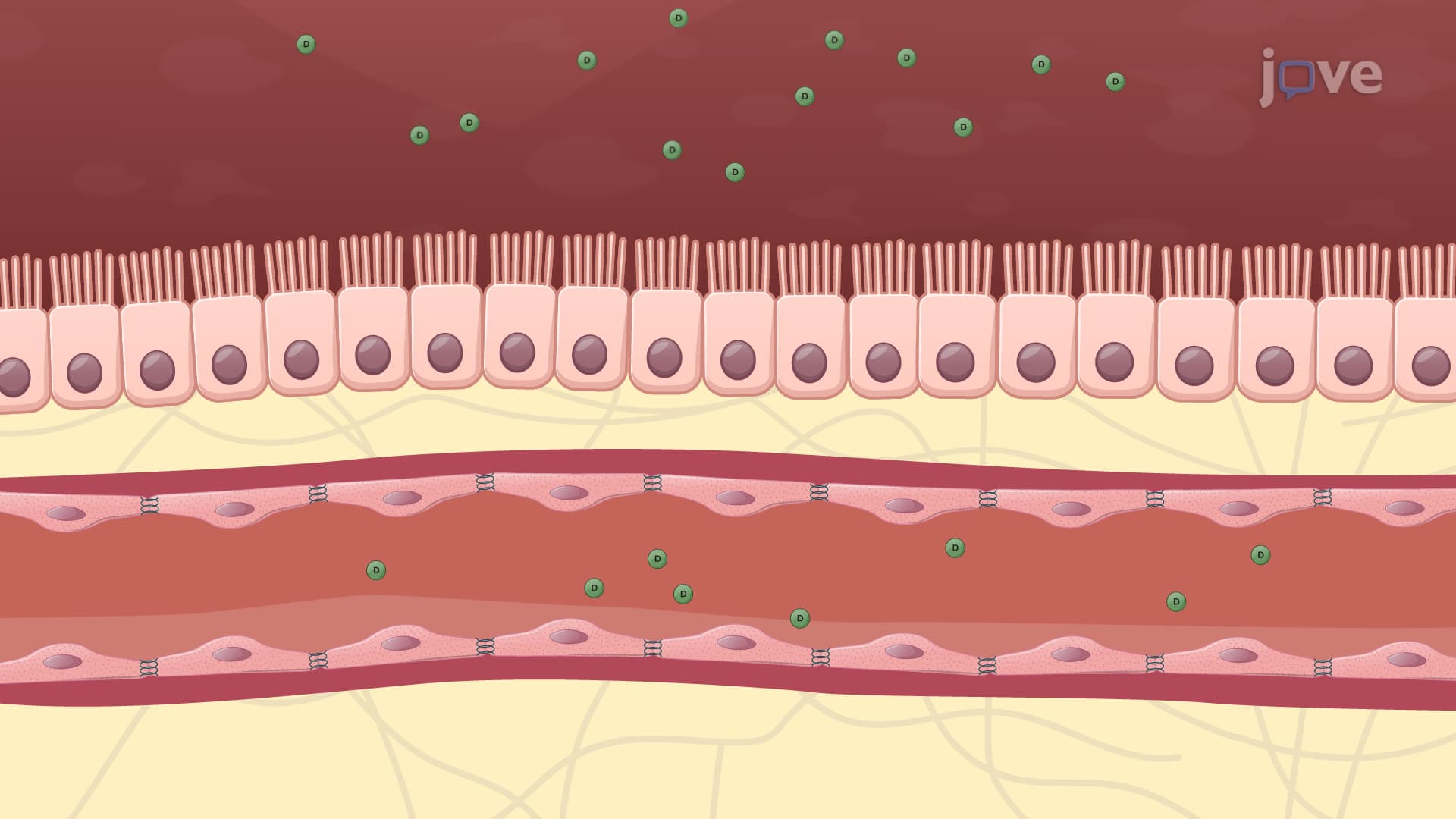
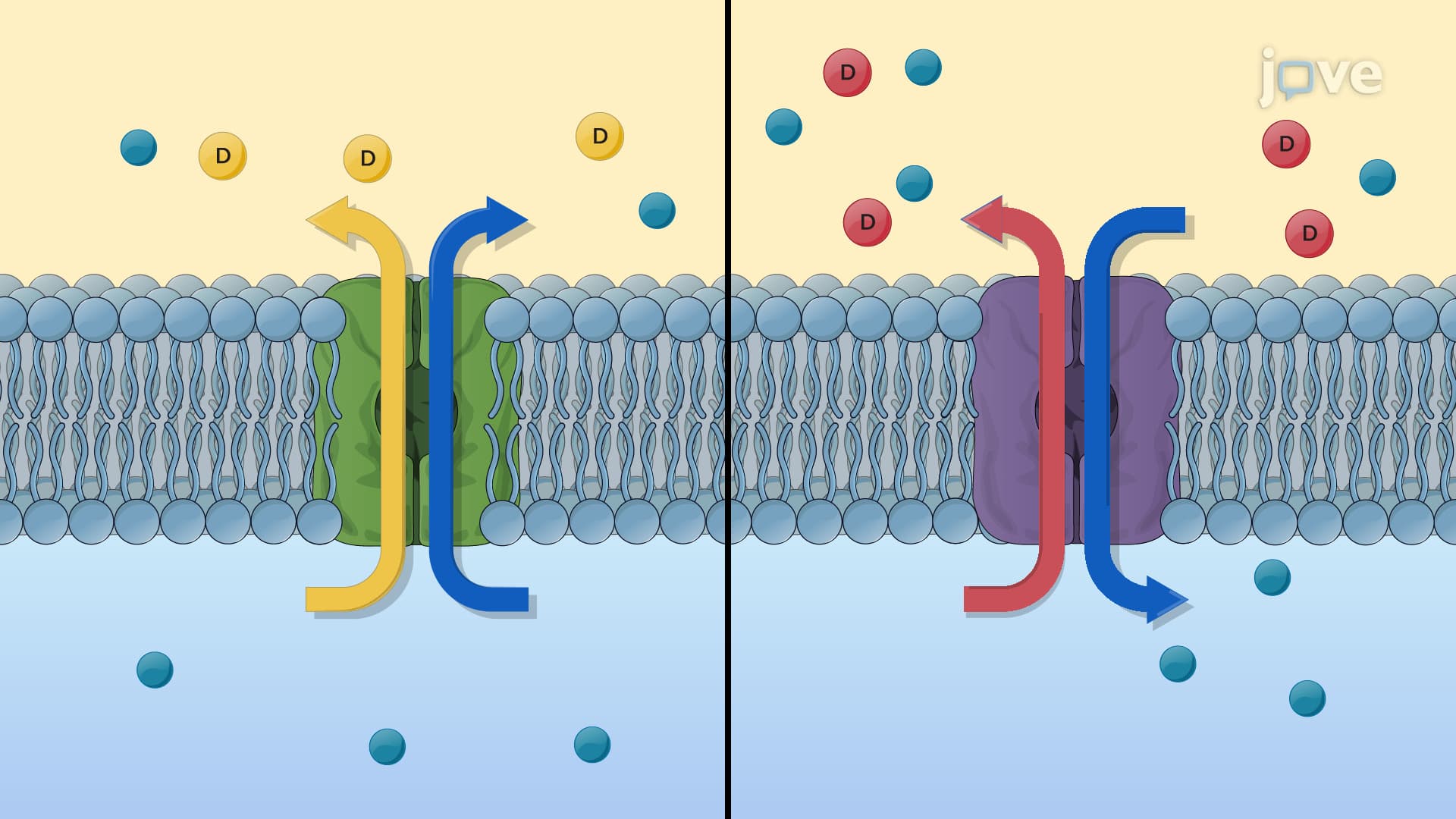
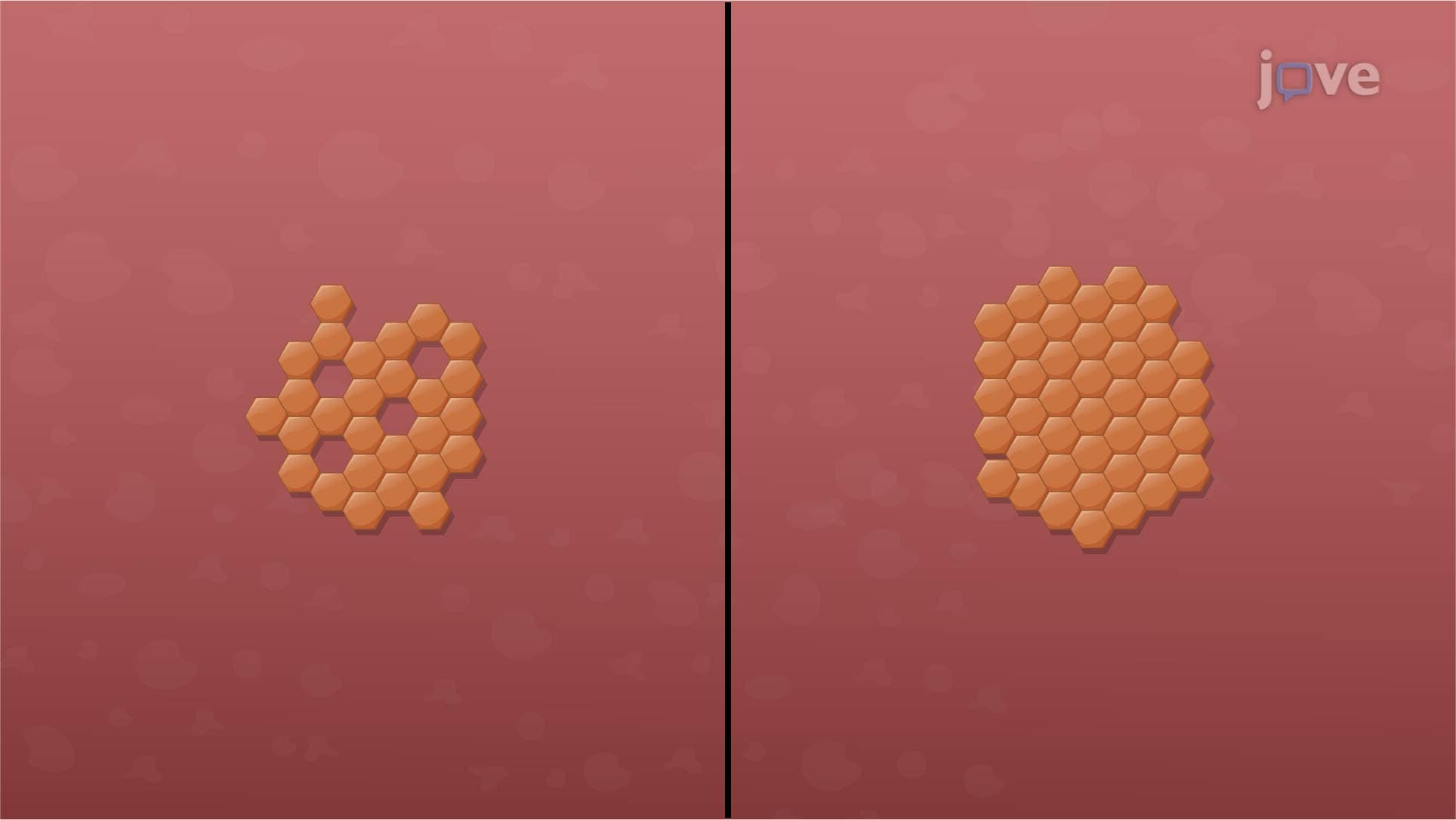
The Caco-2 cell culture technique represents the gold standard for in vitro absorption studies. These cells, originally derived from human colorectal carcinoma, possess the unique ability to differentiate into enterocyte-like cells that closely resemble the human small intestinal epithelium. When grown on specialized polycarbonate membranes, Caco-2 cells form tight junctions and develop the same transport mechanisms found in actual intestinal tissue.
Major pharmaceutical companies like Johnson & Johnson and Merck routinely use Caco-2 models during drug development. For instance, when developing new formulations of existing medications, researchers use these cell cultures to compare absorption rates and optimize drug delivery. Students should recognize that this method provides data directly applicable to human physiology, making it invaluable for regulatory submissions to the FDA.
The everted sac and everted ring techniques utilize actual intestinal tissue from laboratory animals, providing the most physiologically relevant in vitro models. In the everted sac method, researchers turn a section of small intestine inside-out and fill it with buffer solution, then immerse it in drug-containing solution. This arrangement allows direct contact between the drug and the absorptive surface while maintaining tissue viability.
The everted ring technique offers similar physiological relevance but uses smaller tissue samples, making it suitable for studying limited quantities of experimental compounds. Both methods maintain the complex architecture of intestinal tissue, including blood vessels, nerve endings, and multiple cell types that influence drug absorption in real-world conditions.
Related Micro-courses