Loading subject page…


26,027 views

Video Summary: Passive Diffusion Overview and Kinetics Explained
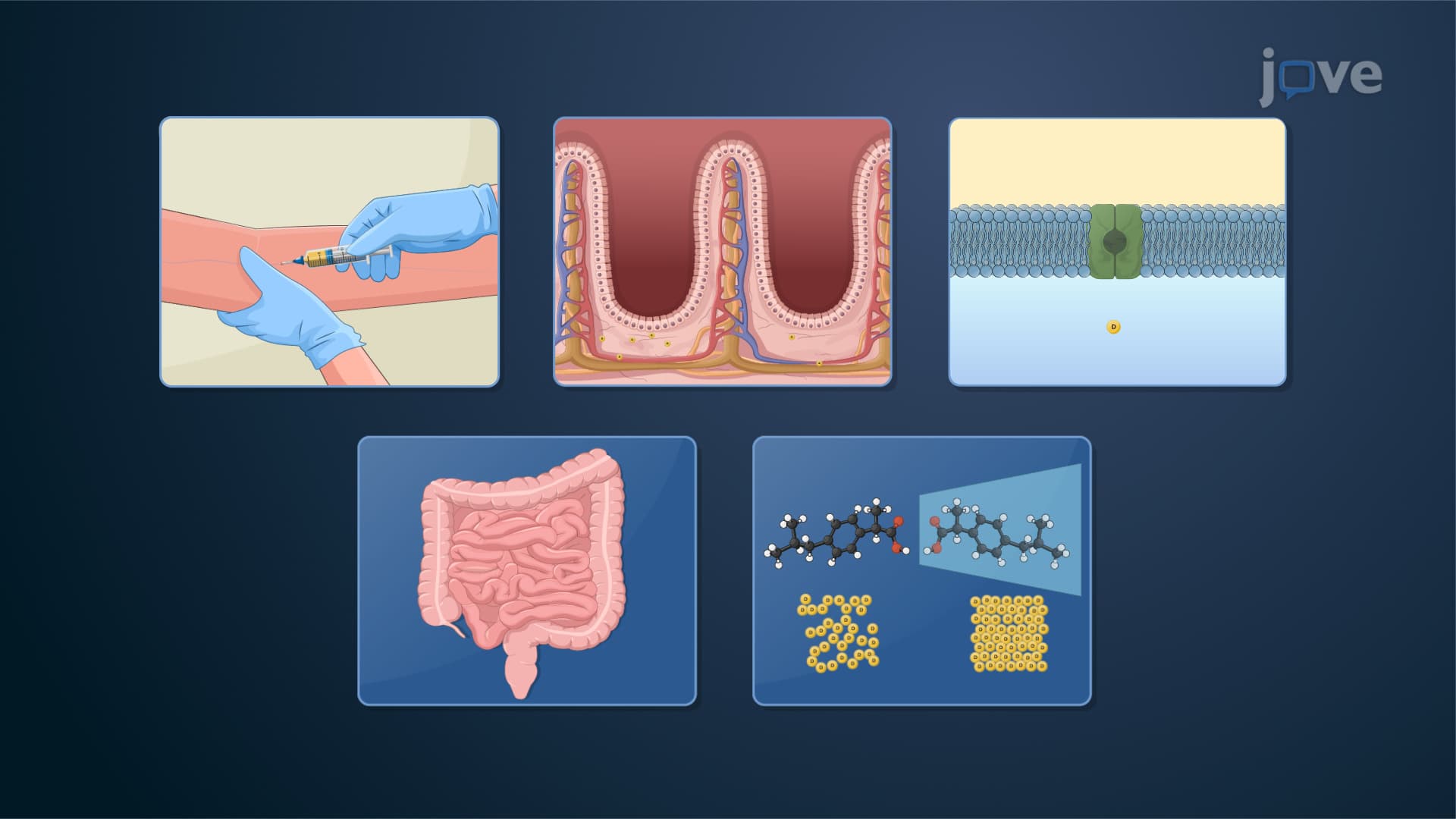
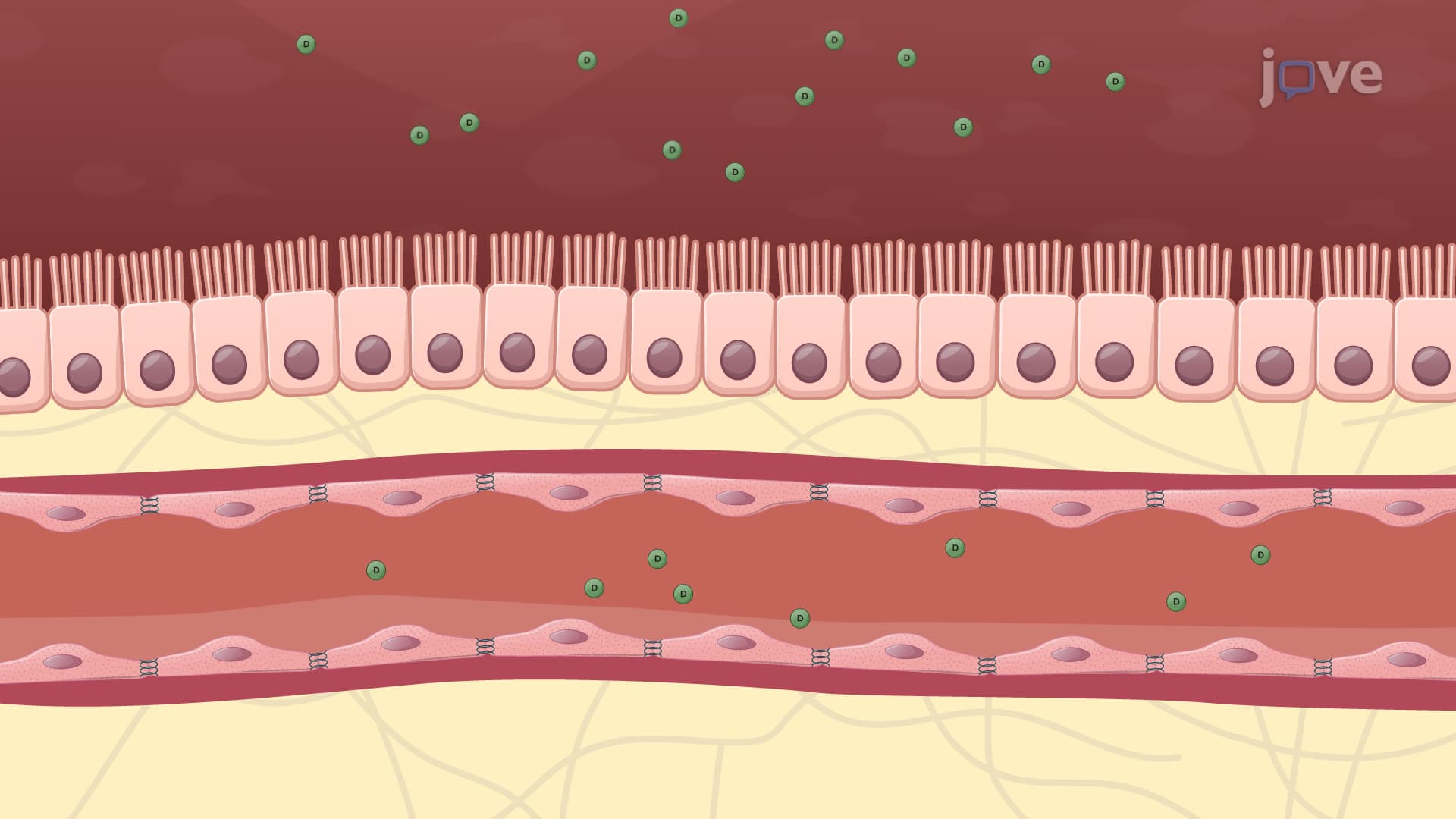
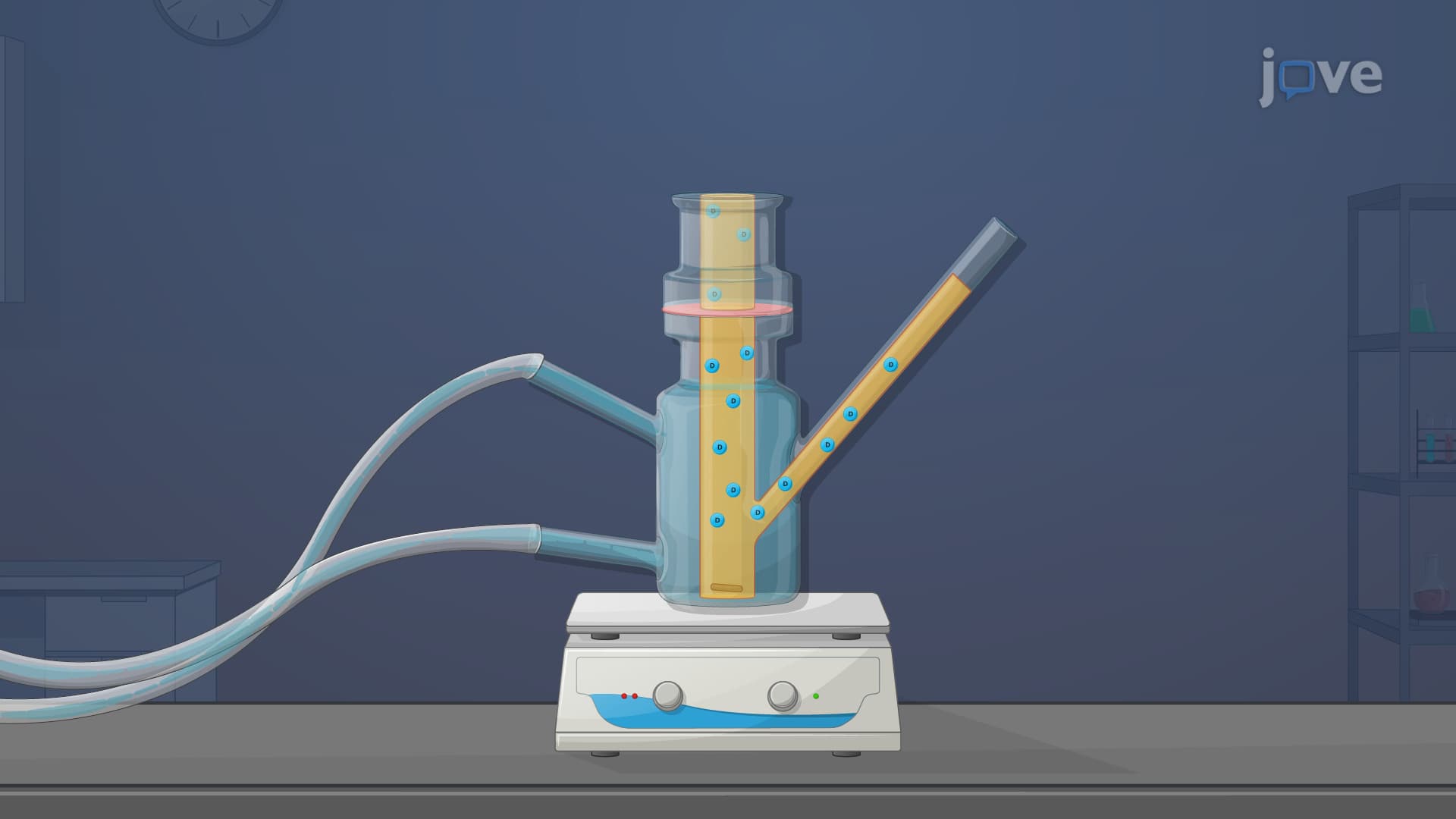
Why can aspirin quickly relieve your headache while insulin must be injected? The answer lies in passive diffusion overview kinetics, the fundamental process determining how medications enter your bloodstream. When you swallow ibuprofen, this small, fat-loving molecule effortlessly crosses cell membranes following concentration gradients, moving from your stomach's high drug concentration into your blood's lower concentration. This Passive Diffusion Overview And Kinetics Explained process governs how fast and efficiently your body absorbs countless medications and nutrients daily. Watch the full video on JoVE Coach to master this concept with expert-led visuals and step-by-step explanations.
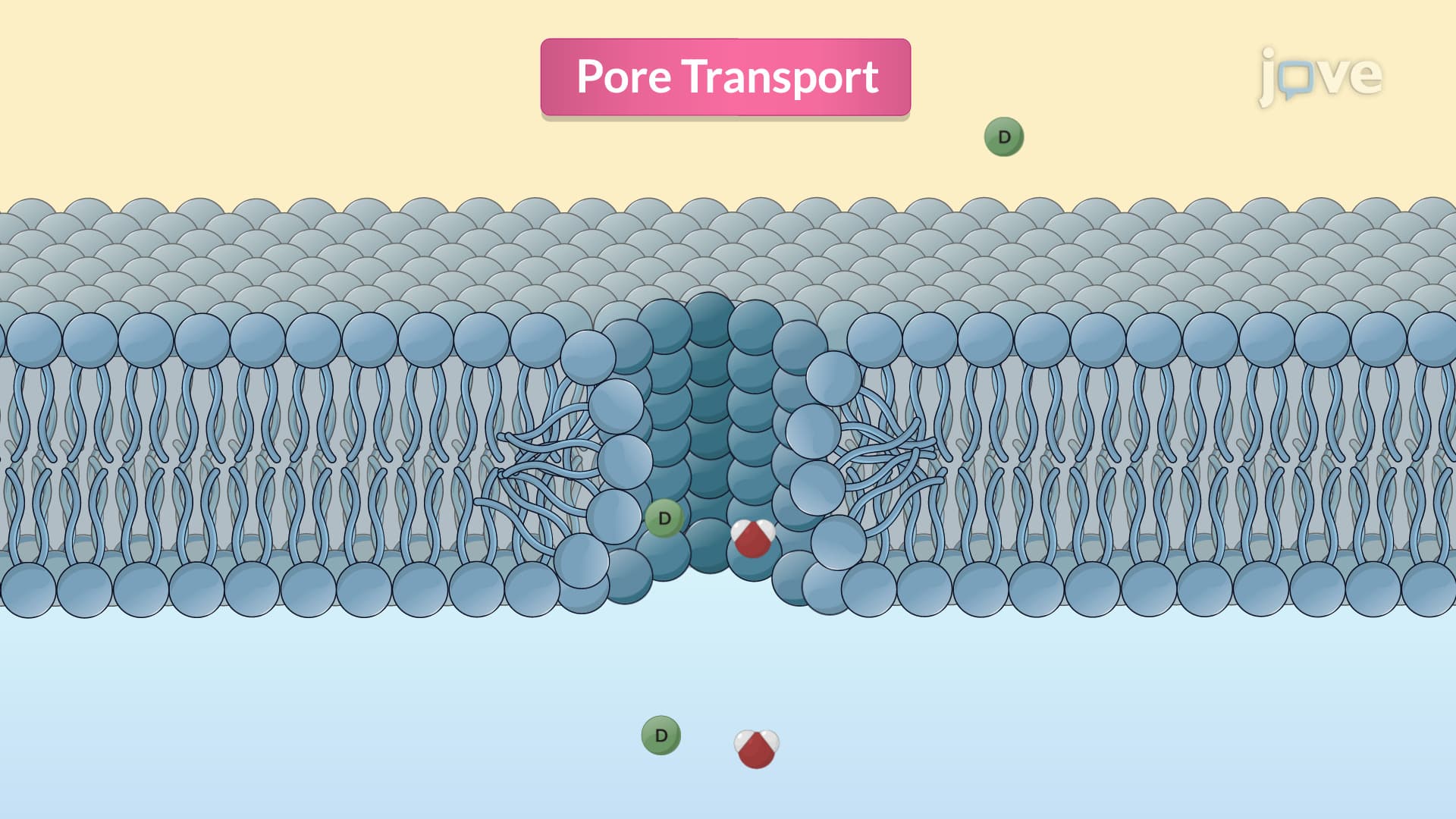
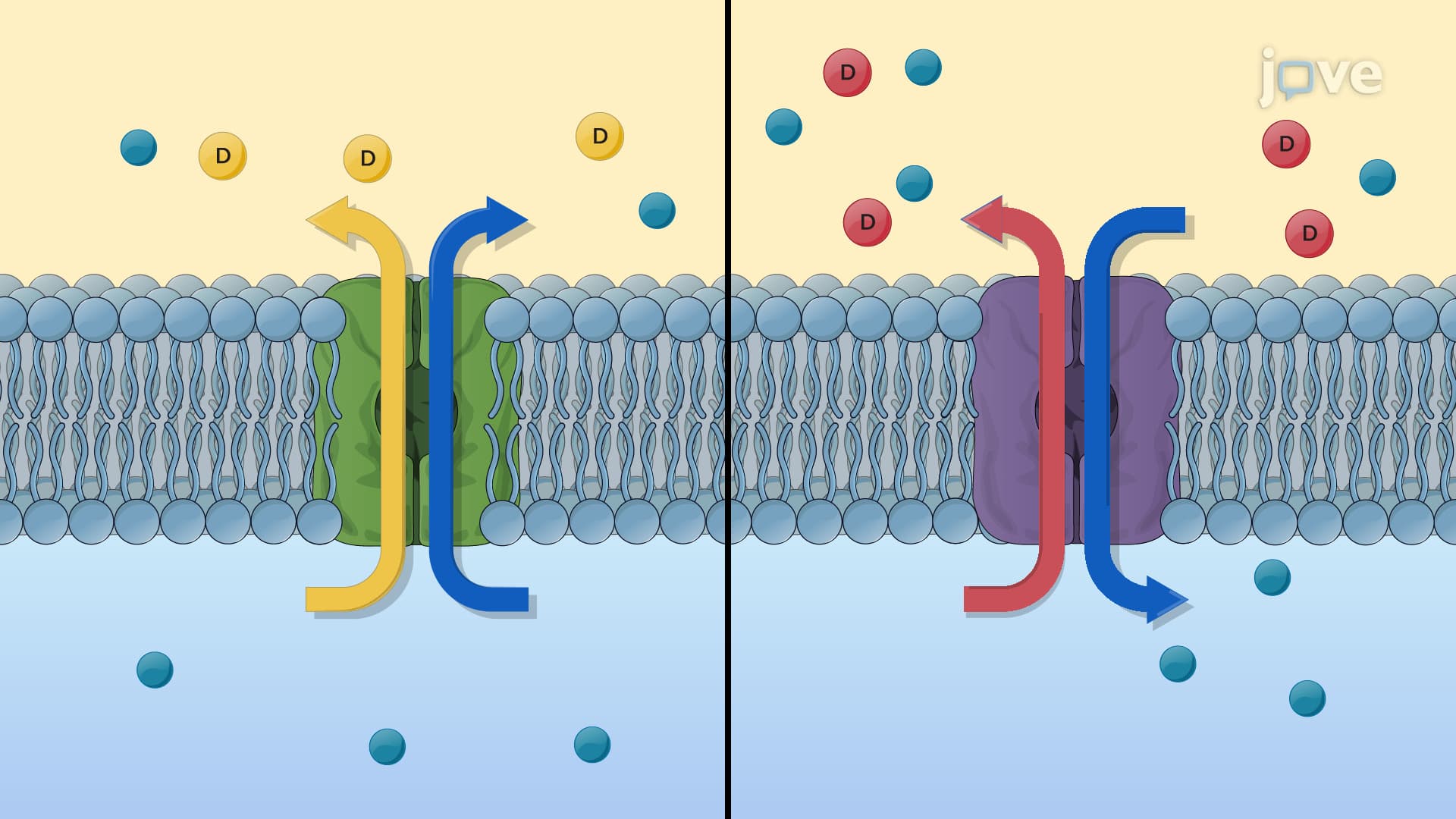
Passive diffusion represents one of nature's most elegant transport mechanisms, allowing molecules to move across biological membranes without cellular energy expenditure. This process drives the absorption of numerous pharmaceutical compounds, from over-the-counter pain relievers to prescription medications. Unlike active transport systems that require ATP, passive diffusion relies solely on concentration gradients, the natural tendency for molecules to move from areas of high concentration to low concentration until equilibrium is reached.
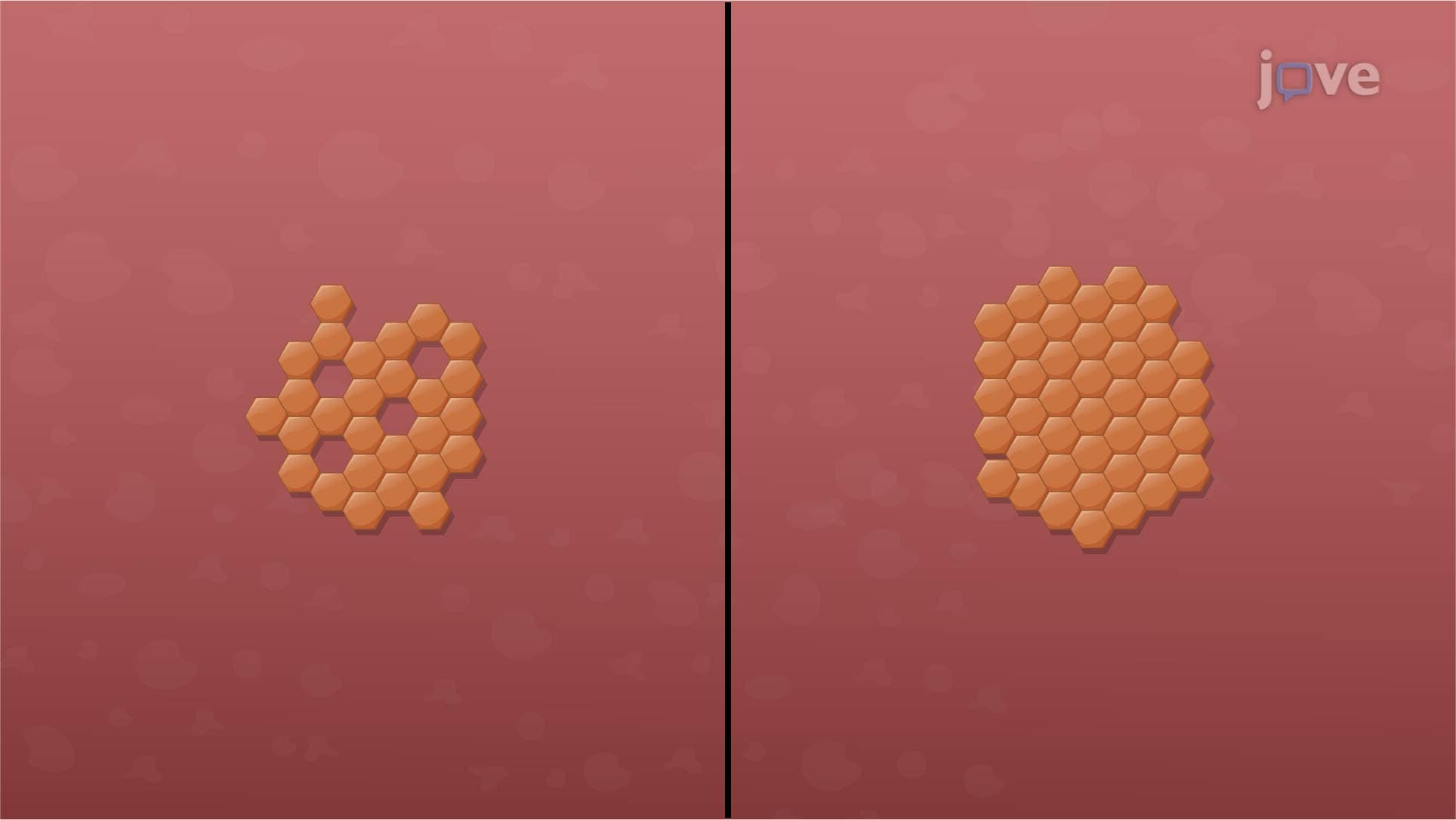
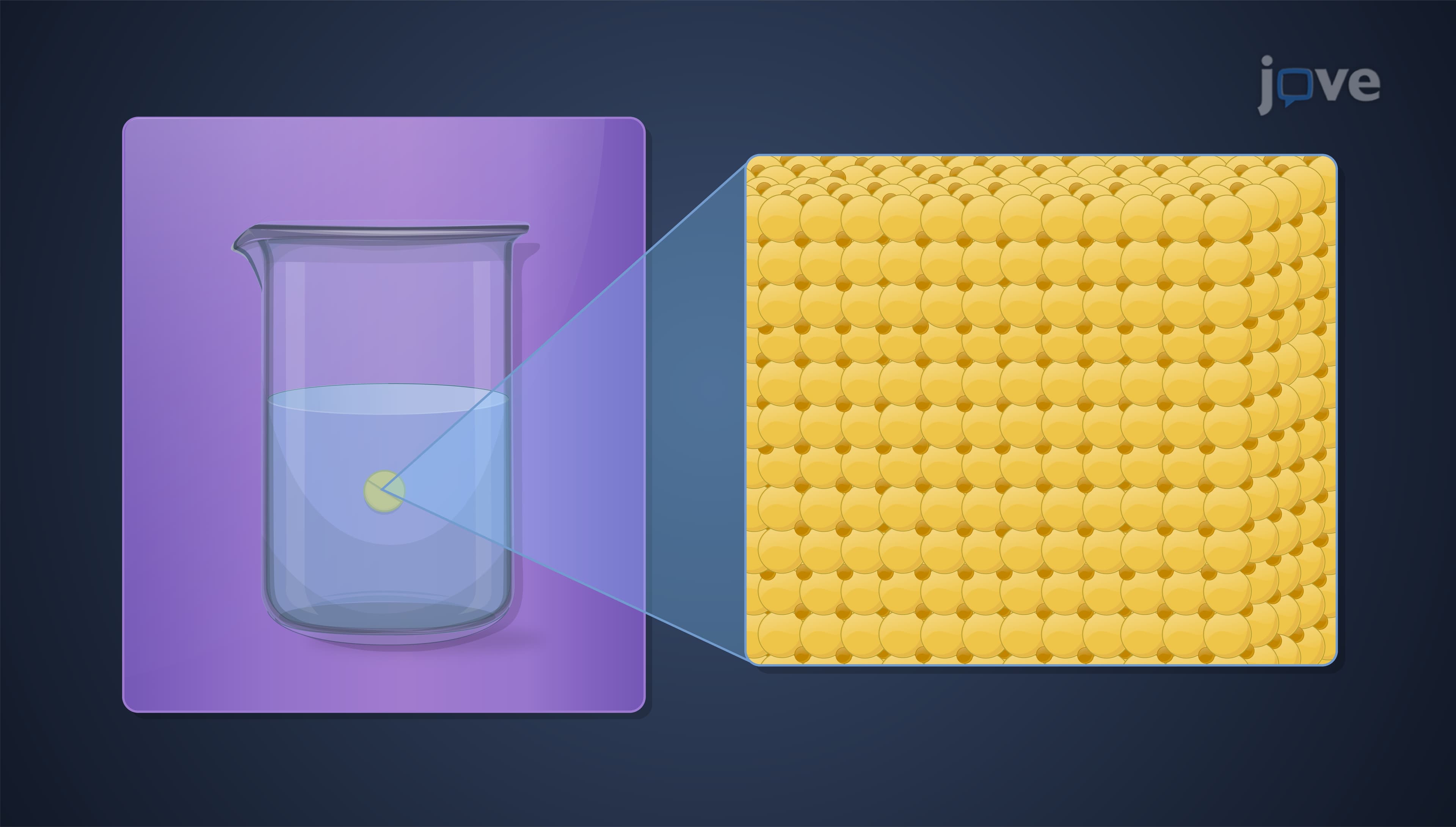
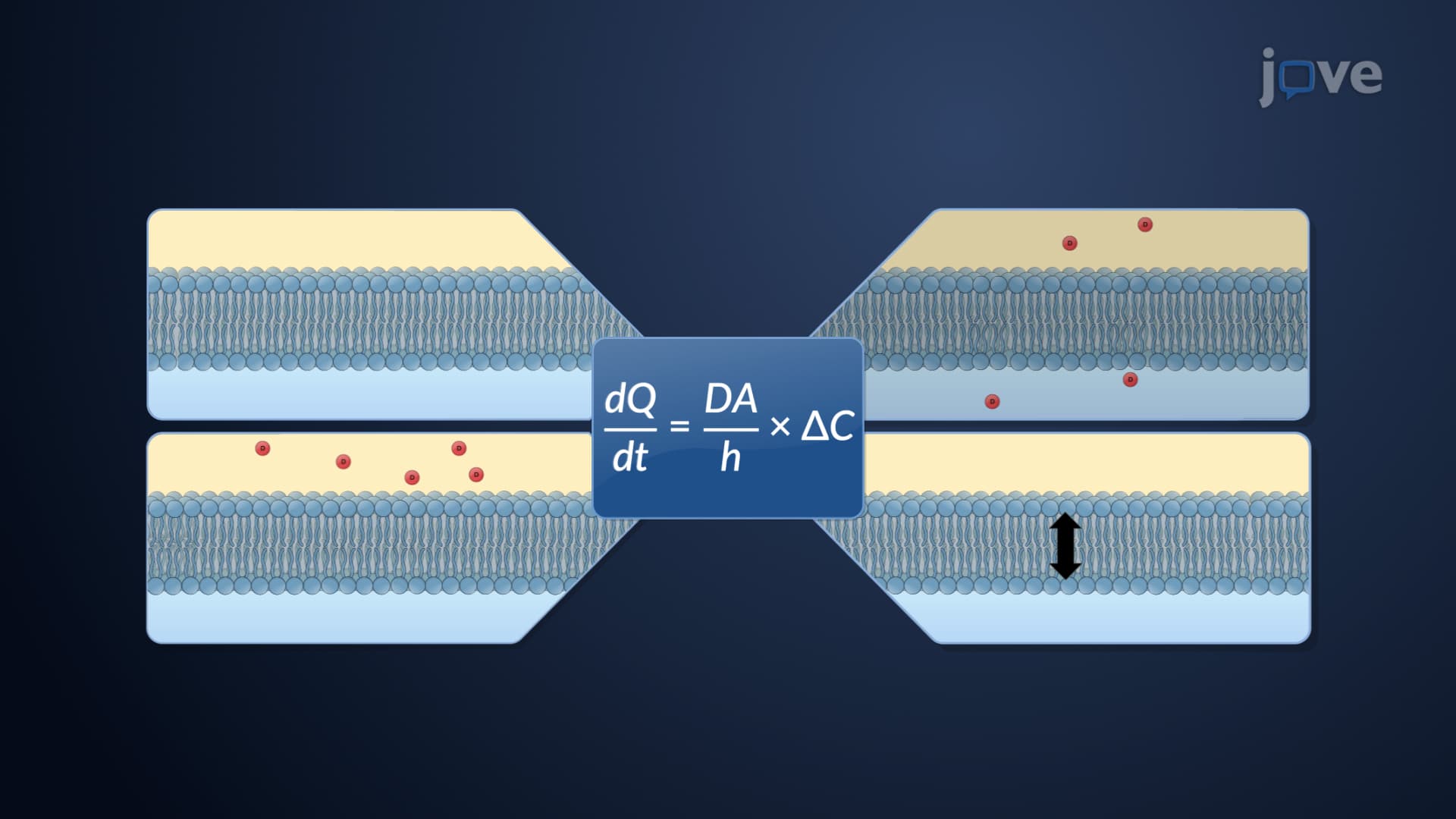
The rate at which drugs cross membranes depends on four interconnected factors that pharmaceutical scientists carefully consider during drug development. Membrane surface area dramatically impacts absorption speed, this explains why the small intestine, with its extensive microvilli network, absorbs drugs far more efficiently than the stomach. The lipid-water partition coefficient determines a drug's affinity for fatty cell membranes versus watery body fluids. Highly lipophilic drugs like diazepam (Valium) readily penetrate membranes, while hydrophilic compounds like penicillin struggle to cross lipid barriers.
Concentration gradient represents the driving force behind diffusion. When you take acetaminophen (Tylenol), the high drug concentration in your gastrointestinal tract creates a steep gradient favoring rapid absorption into your bloodstream. Finally, membrane thickness acts as a barrier, thin capillary walls allow quick drug entry into circulation, while the thick blood-brain barrier restricts many medications from reaching brain tissue.
Understanding passive diffusion kinetics proves essential for MCAT preparation, particularly in biological sciences sections covering cell biology and pharmacology. AP Biology students encounter these principles when studying cell membrane transport, while college biochemistry courses explore mathematical relationships governing diffusion rates. The concept appears frequently in nursing school exams (NCLEX, HESI A2) where understanding drug absorption affects patient care decisions.
Consider warfarin, a blood thinner requiring careful dosing due to its high lipophilicity and rapid membrane penetration. Healthcare providers must understand that this drug's passive diffusion characteristics contribute to its narrow therapeutic window and potential for dangerous bleeding complications.
Weak acids and bases demonstrate pH-dependent absorption patterns that significantly impact therapeutic outcomes. Aspirin, a weak acid, remains largely non-ionized in the stomach's acidic environment (pH 1-2), facilitating rapid absorption across gastric membranes. Conversely, basic drugs like morphine show enhanced absorption in the more alkaline small intestine environment. This pH-partition hypothesis explains why antacids can significantly alter drug absorption patterns and why timing medication with meals matters clinically.
Related Micro-courses