Loading subject page…


26,027 views


Video Summary: Theories of Dissolution Diffusion Layer Model Explained
Ever wonder why aspirin dissolves faster when you stir water versus letting it sit still? The theories dissolution diffusion layer reveal the fascinating science behind drug dissolution rates. When pharmaceutical companies like Pfizer develop medications, they must understand how the Theories of Dissolution Diffusion Layer Model Explained governs drug release in your body. This model describes how dissolved drug molecules move from a saturated boundary layer into surrounding fluid through concentration gradients. Watch the full video on JoVE Coach to master this concept with expert-led visuals and step-by-step explanations.
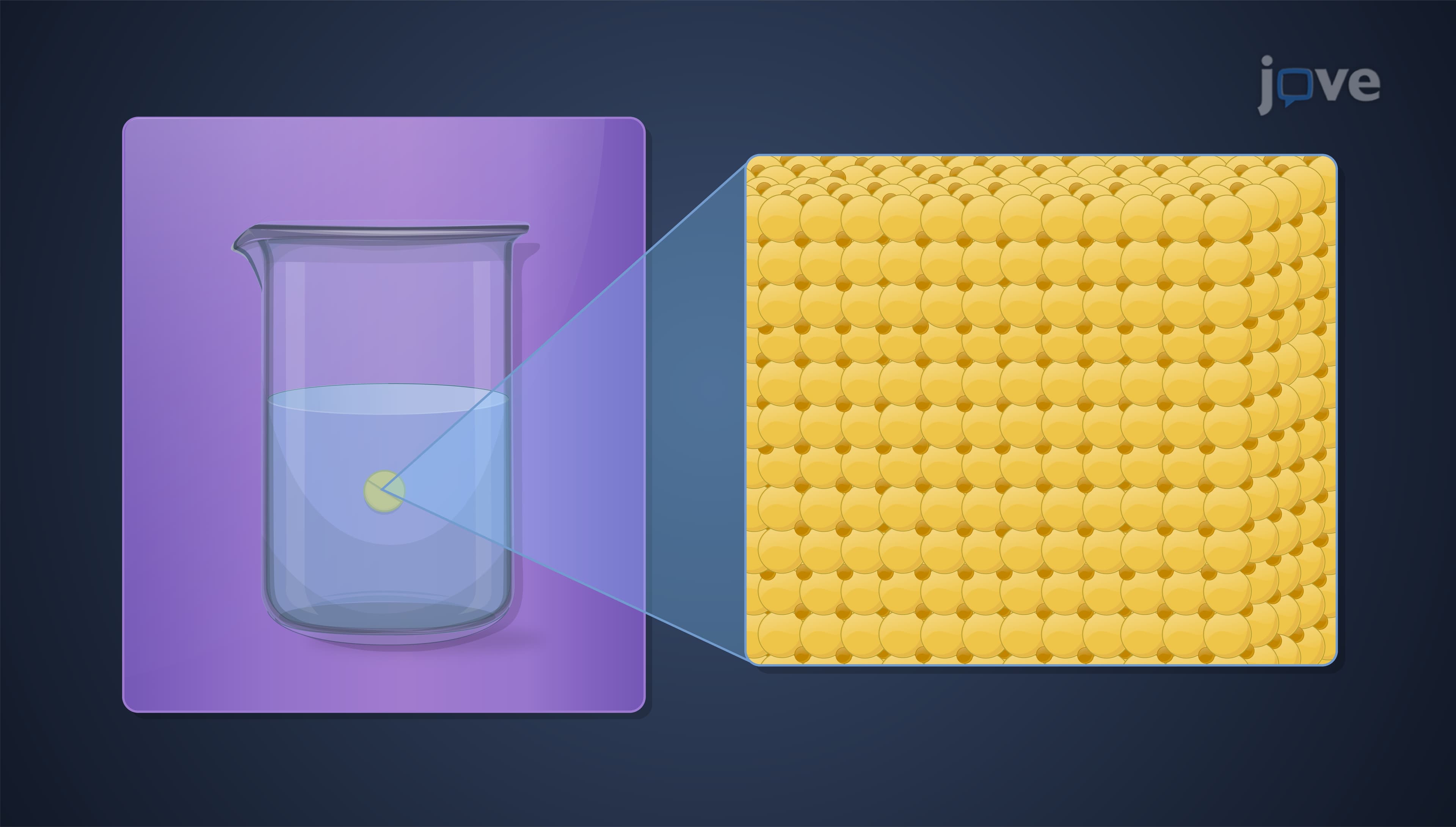
The dissolution process governs how quickly medications become available for absorption in your body. When a solid drug particle contacts an aqueous solution, a thin saturated layer immediately forms at the interface. This boundary layer, typically only micrometers thick, becomes the rate-limiting step for drug release. The theories dissolution diffusion layer model explains this phenomenon through well-established physical chemistry principles that pharmaceutical scientists use daily.
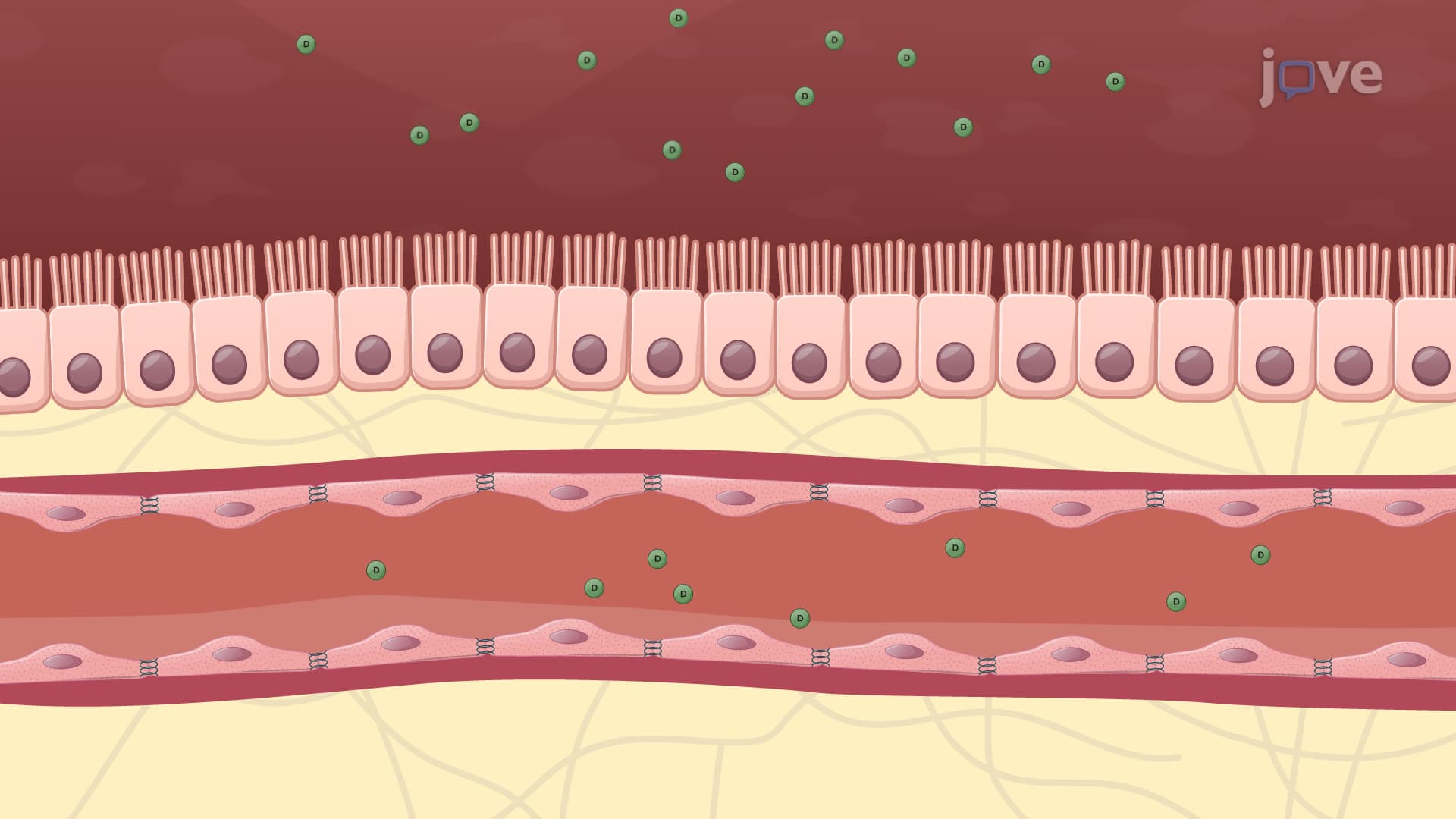
At the solid-liquid interface, drug molecules dissolve rapidly until the surrounding liquid reaches saturation. This creates a stagnant diffusion layer where dissolved drug concentration remains constant. Beyond this layer, concentration drops dramatically as molecules diffuse into the bulk solution. The thickness of this layer depends on hydrodynamic conditions-vigorous stirring creates thinner layers and faster dissolution, while static conditions produce thicker layers and slower release rates.
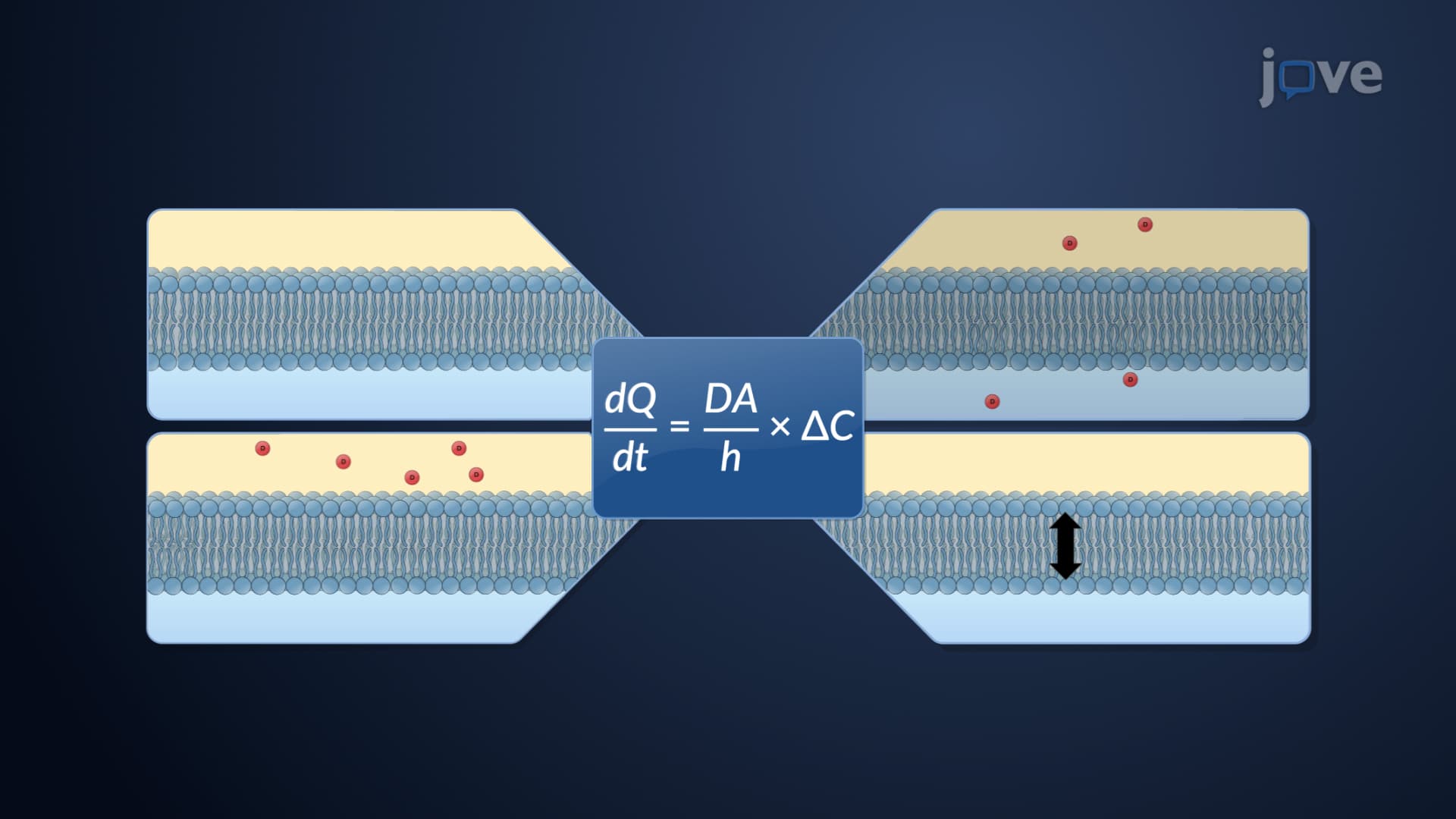
The mathematical relationship governing dissolution follows the Noyes-Whitney equation: dM/dt = (D × A × (Cs - C)) / h, where dissolution rate depends on diffusion coefficient (D), surface area (A), concentration difference (Cs - C), and layer thickness (h). Pharmaceutical companies manipulate these variables to control drug release. For example, micronizing particles increases surface area, while coating tablets can modify the effective diffusion coefficient. Students preparing for the MCAT or pharmaceutical science coursework must understand how each parameter influences dissolution kinetics.
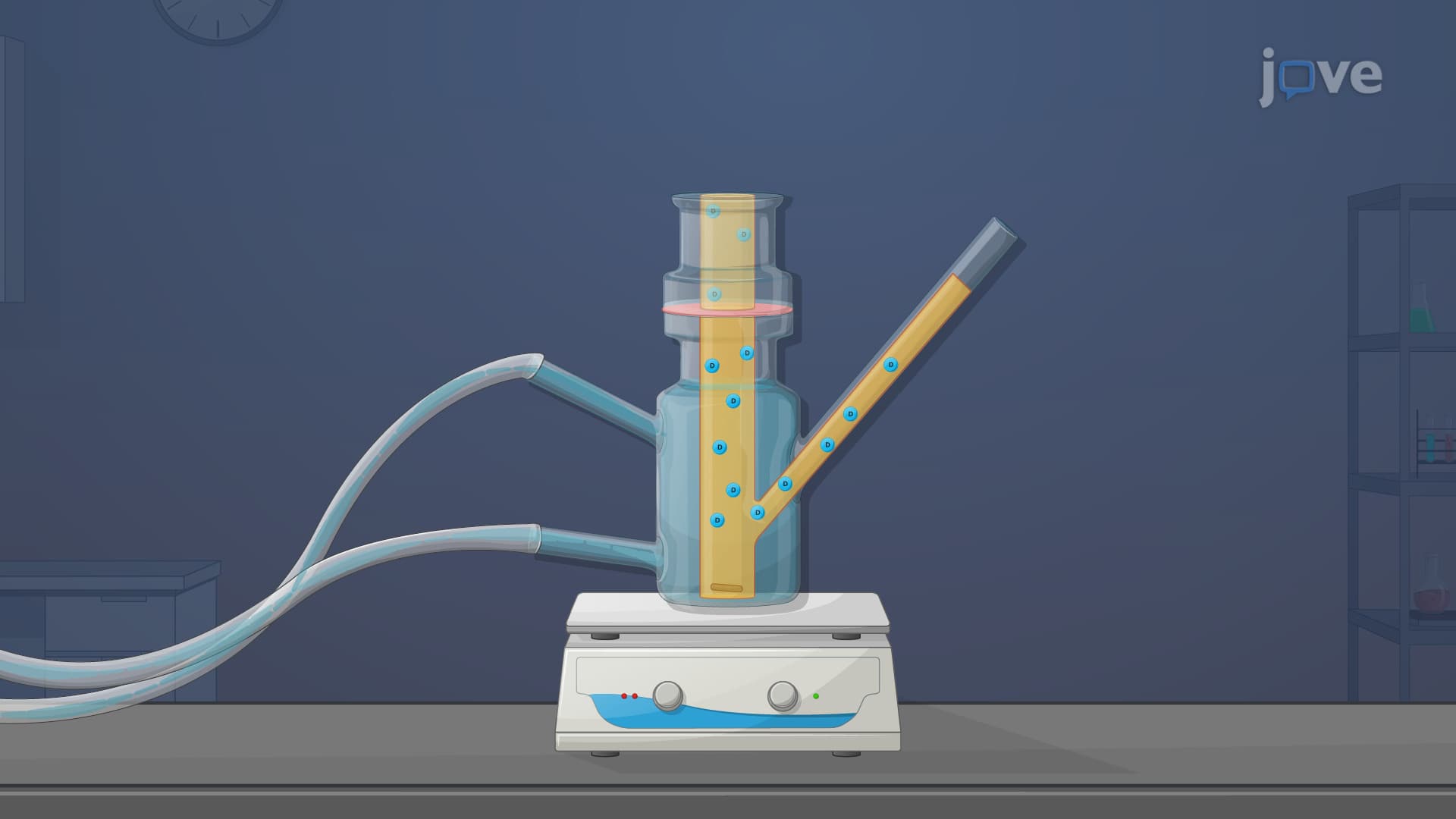
Laboratory dissolution testing mimics physiological conditions to predict in vivo performance. The standard 37°C temperature matches body temperature, while controlled stirring simulates peristaltic movements in the gastrointestinal tract. Sink conditions prevent drug accumulation that would slow dissolution-maintaining drug concentration below 10-15% of saturation ensures consistent release rates. The FDA requires dissolution testing for generic drug approval, making this concept crucial for students pursuing careers in pharmaceutical sciences or preparing for USMLE examinations.
Related Micro-courses