Loading video…


 29 Concepts
 26K views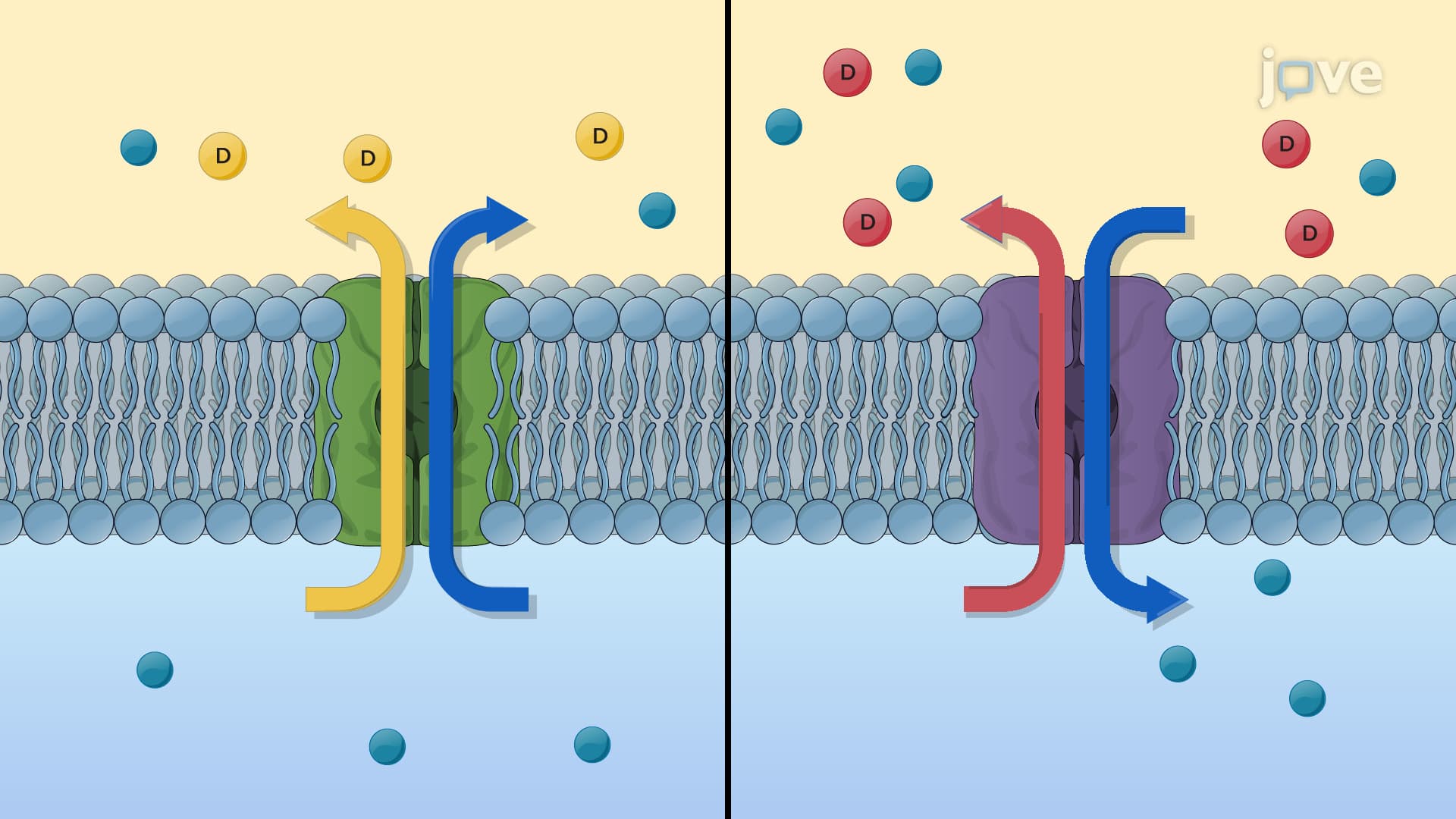

Video Summary: What Is Active Transport
Did you know that your heart medication might work by blocking the same cellular pumps that keep your neurons firing? Active transport is the energy-requiring process that moves molecules against their natural flow, powering everything from nerve signals to drug absorption in your intestines. Unlike passive transport, this process demands cellular energy to push substances uphill against concentration gradients. For example, digoxin helps heart failure patients by targeting sodium-potassium pumps in cardiac cells. Watch the full video on JoVE Coach to master this concept with expert-led visuals and step-by-step explanations.
Active transport represents one of biology's most sophisticated cellular processes, enabling cells to maintain homeostasis by moving substances against their natural tendency to spread evenly. Unlike passive transport, which relies on concentration gradients, active transport demands energy investment to push molecules "uphill" against thermodynamic favorability.
This process proves essential for maintaining cellular functions that would otherwise be impossible. Consider how your neurons maintain their resting potential-without active transport, nerve signals couldn't exist, and your brain couldn't function.
Primary active transport directly consumes ATP to power molecular movement. The sodium-potassium pump exemplifies this mechanism, ejecting three sodium ions while importing two potassium ions per ATP molecule consumed. This 3:2 ratio creates the electrical potential difference crucial for nerve and muscle function.
Medical applications showcase primary transport's importance. Digoxin, prescribed for heart failure patients across US hospitals, works by inhibiting cardiac sodium-potassium pumps. This inhibition increases intracellular sodium levels, ultimately strengthening heart contractions-a principle tested on MCAT and medical licensing exams.
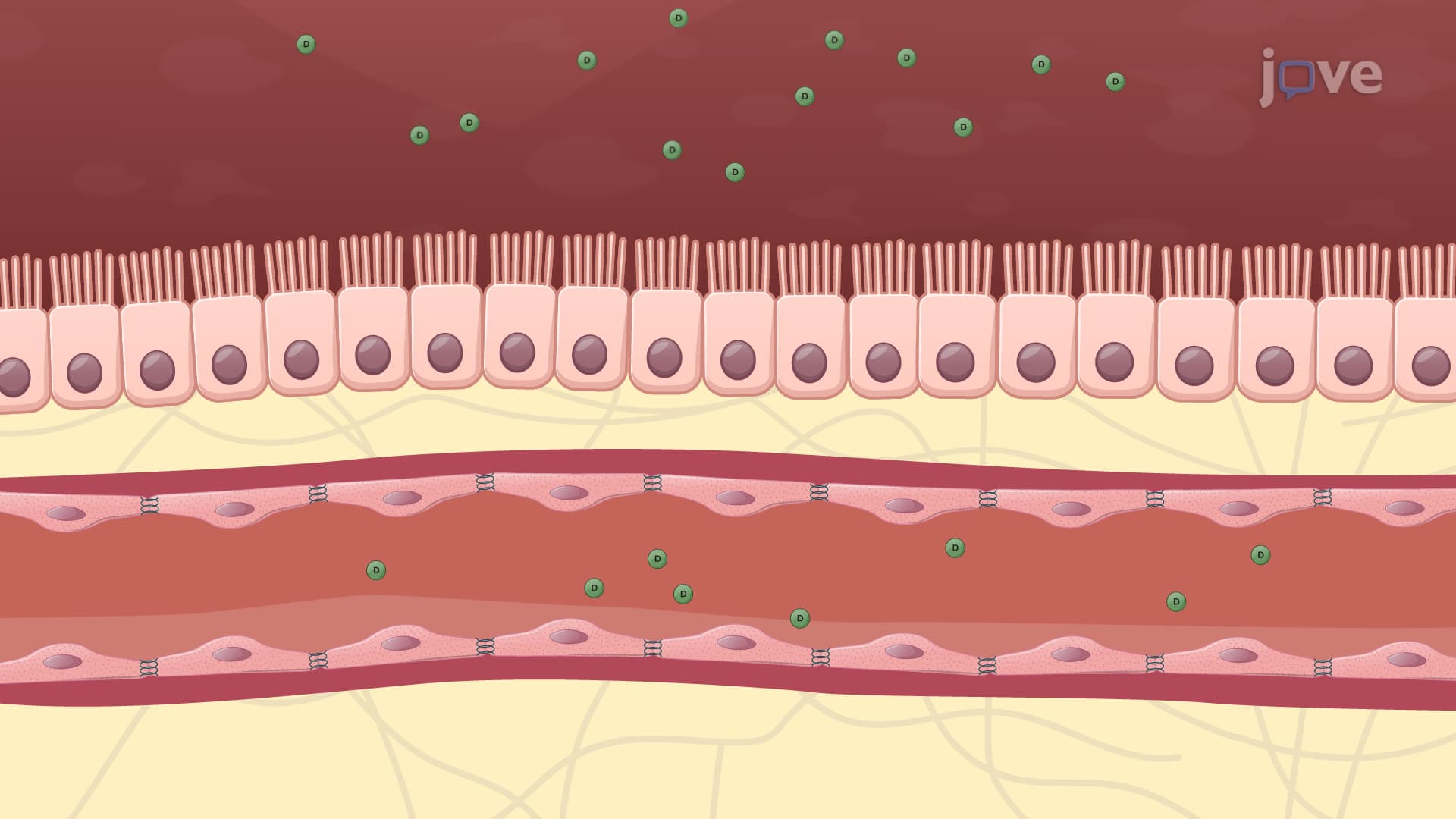
P-glycoprotein represents another clinically relevant example. This ATP-powered transporter actively expels various medications from intestinal cells, significantly impacting drug bioavailability. Understanding this mechanism helps explain why some patients require higher doses of certain medications.
Secondary active transport cleverly harnesses existing concentration gradients to power the movement of different molecules. This process doesn't directly consume ATP but depends on gradients established by primary active transport.
Symport mechanisms move two substances in the same direction, like glucose-sodium cotransporters in your small intestine. These transporters use sodium's downhill movement to pull glucose upward into intestinal cells, enabling efficient nutrient absorption even when glucose concentrations are higher inside cells.
Antiport systems work oppositely, exchanging one molecule for another. The sodium-calcium exchanger in heart muscle cells exemplifies this mechanism, using sodium influx to drive calcium removal-crucial for proper cardiac muscle relaxation between heartbeats.
Active transport concepts appear frequently in standardized testing, from AP Biology exams to MCAT passages. Understanding these mechanisms helps explain drug interactions, metabolic disorders, and therapeutic interventions-knowledge essential for pre-med students and healthcare professionals throughout the United States.
Related Micro-courses