Loading video…


 29 Concepts
 26K views


Video Summary: What Is Carrier Mediated Transport
Ever wonder how your body absorbs medications like gabapentin for nerve pain? Carrier mediated transport acts like specialized shuttle services, using membrane proteins to move drugs that can't easily cross cell barriers on their own. Unlike passive diffusion, this process can become saturated-imagine subway turnstiles during rush hour in New York City, where increasing crowds don't always mean faster movement. What is carrier mediated transport becomes crucial when understanding why some medications have dosing limits and why drug interactions occur at cellular transporters. Watch the full video on JoVE Coach to master this concept with expert-led visuals and step-by-step explanations.
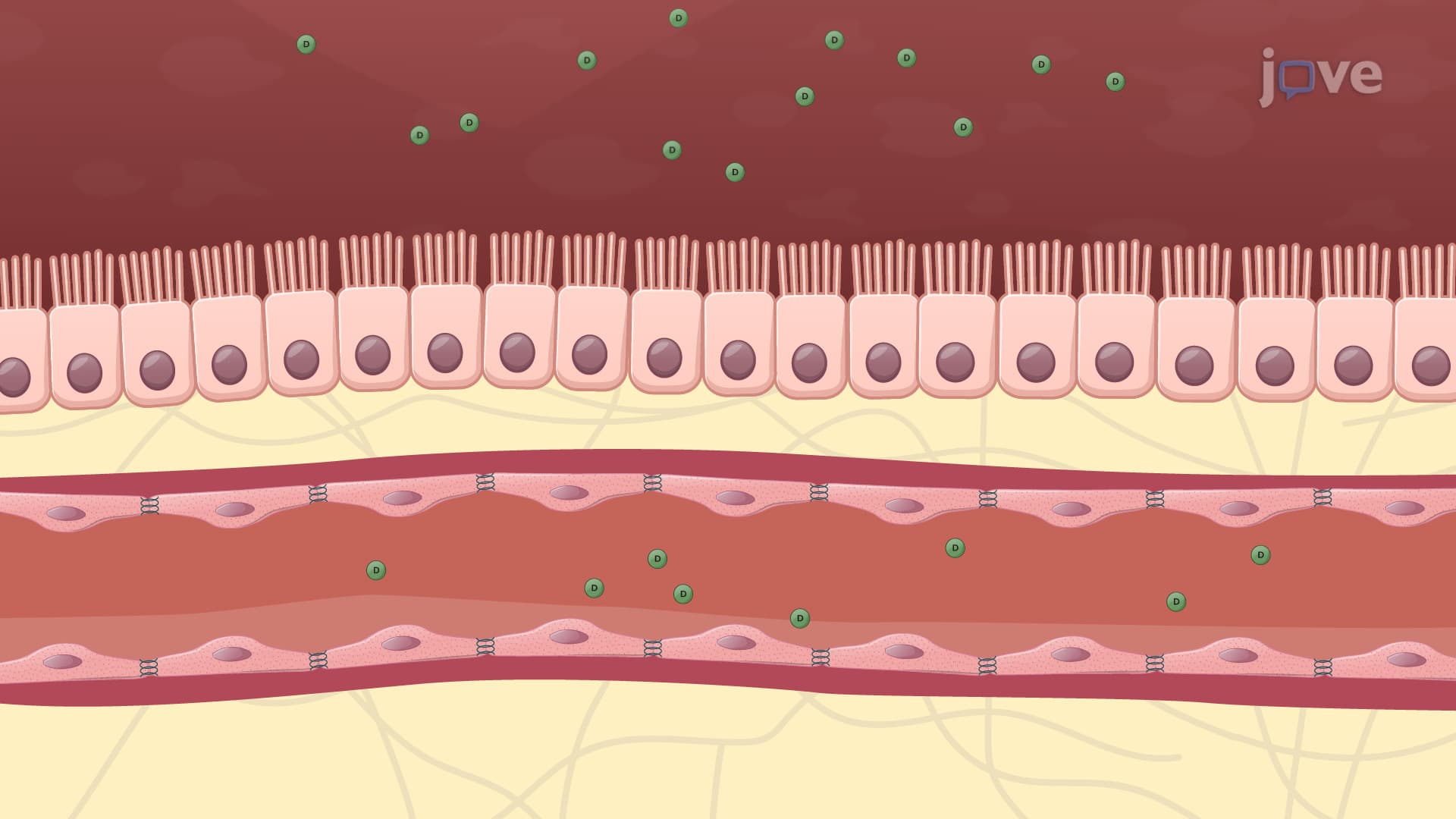
Carrier mediated transport represents a sophisticated cellular mechanism that governs how many medications and nutrients cross biological membranes. Unlike simple diffusion, where molecules passively move down concentration gradients, this process requires specific membrane-spanning proteins that act as molecular gatekeepers. These transporters exhibit selectivity, saturation, and in many cases, the ability to move substances against concentration gradients-properties that make them clinically significant in pharmacology and medicine.
The saturation phenomenon distinguishes carrier mediated transport from passive processes. As drug concentrations increase, absorption rates initially rise proportionally. However, once transporter proteins reach capacity, further concentration increases yield diminishing returns-a concept frequently tested on the MCAT and in undergraduate pharmacology courses. This saturation explains why some medications have ceiling effects and why drug interactions can occur when multiple substrates compete for the same transporter.
Facilitated diffusion represents the first subtype of carrier mediated transport, moving substances along their concentration gradients without requiring cellular energy. Glucose transporters (GLUT) exemplify this mechanism, allowing glucose entry into cells when blood sugar levels exceed intracellular concentrations. In pharmacology, drugs like gabapentin utilize amino acid transporters through facilitated diffusion, explaining why this anticonvulsant's absorption becomes saturated at higher doses-a principle emphasized in neurology rotations at US medical schools.
This mechanism proves particularly relevant for students preparing for AP Biology or college-level physiology courses, where understanding transport kinetics helps explain clinical dosing strategies. The rate-limiting step involves transporter availability rather than drug concentration alone, making this concept crucial for USMLE Step 1 preparation.
Active transport requires ATP to move substances against concentration gradients, enabling cells to maintain essential gradients and eliminate toxins. Primary active transport directly uses ATP, exemplified by the sodium-potassium pump that maintains cellular electrical potential. Secondary active transport couples favorable ion movements with unfavorable substrate transport, creating symporters and antiporters that pharmacy students encounter in renal physiology.
Methyldopa, an antihypertensive medication, exemplifies clinically relevant active transport. This drug mimics aromatic amino acids, gaining entry through large amino acid transporter 1 (LAT1). Understanding this mechanism helps explain methyldopa's brain penetration and its effectiveness in treating pregnancy-induced hypertension-knowledge tested on NCLEX examinations and emphasized in obstetrics rotations.
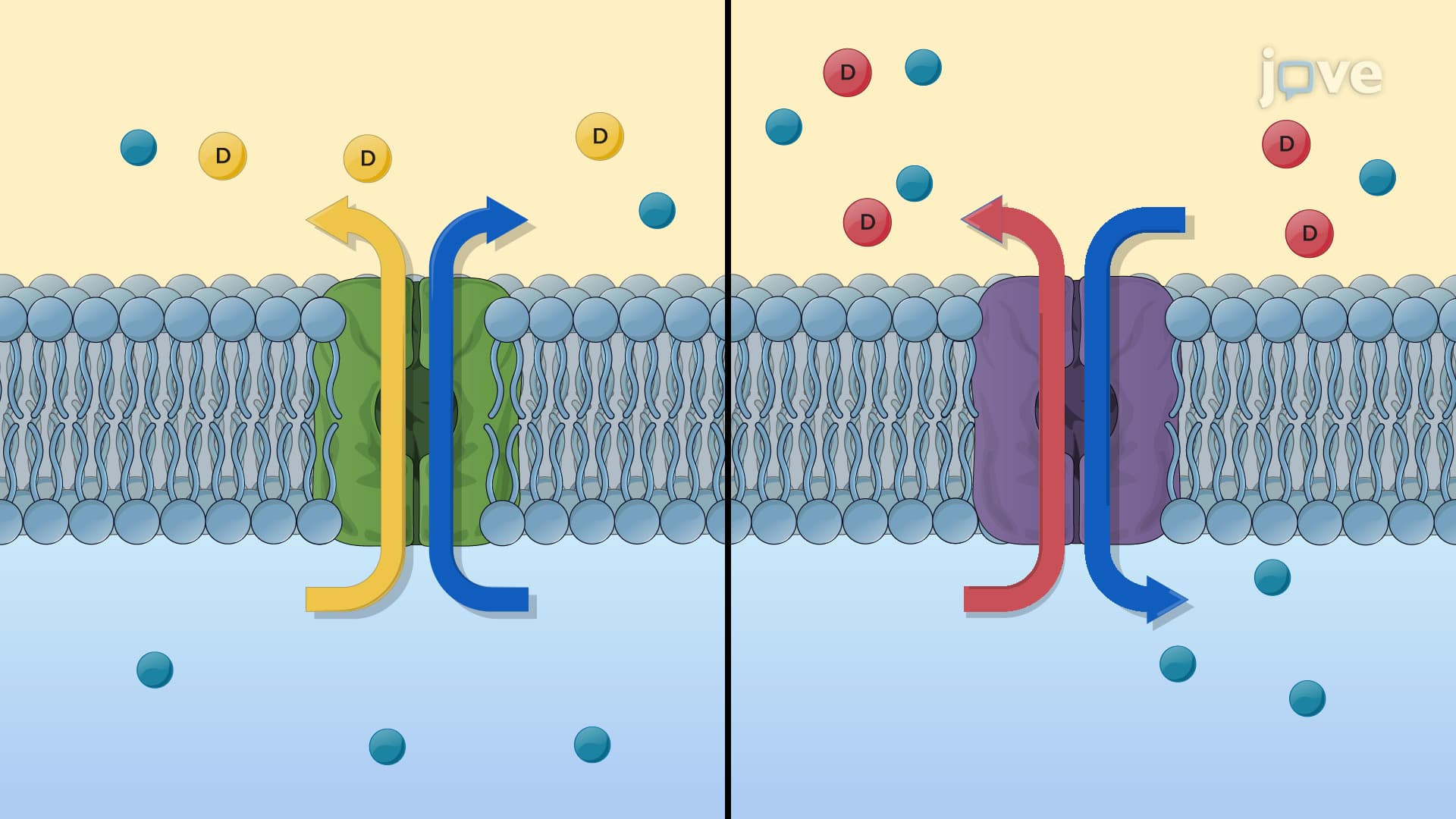
Uptake and efflux transporters create opposing forces affecting drug bioavailability and therapeutic outcomes. Uptake transporters facilitate drug entry into systemic circulation, while efflux transporters actively remove drugs from cells or prevent absorption. P-glycoprotein, the most clinically significant efflux transporter, pumps various medications back into the gastrointestinal lumen, reducing oral bioavailability.
This concept becomes practically important when considering drug interactions studied in pharmacy school. Inhibiting P-glycoprotein with grapefruit juice or certain medications can dramatically increase absorption of substrates like digoxin or cyclosporine, potentially causing toxicity. Such interactions frequently appear on HESI A2 and TEAS examinations, making transporter knowledge essential for nursing and pharmacy program admission.
Related Micro-courses