Loading video…


 29 Concepts
 26K views

Video Summary: What Is Drug Absorption
Ever wonder why some medications work faster than others? Drug absorption determines how quickly that Tylenol reaches your bloodstream after swallowing it. This fundamental pharmacology process involves a drug's journey from its administration site-whether oral, intravenous, or topical-into systemic circulation. For instance, IV medications used in US emergency rooms bypass absorption entirely, while oral antibiotics must navigate the complex gastrointestinal environment. Understanding what is drug absorption reveals why factors like food intake, stomach pH, and intestinal surface area dramatically impact medication effectiveness. Watch the full video on JoVE Coach to master this concept with expert-led visuals and step-by-step explanations.
What is drug absorption? It's the essential process by which medications transition from their administration site into the bloodstream, where they can exert therapeutic effects. This concept forms the foundation of pharmacokinetics and directly impacts every medication you've ever taken, from over-the-counter pain relievers to prescription antibiotics.
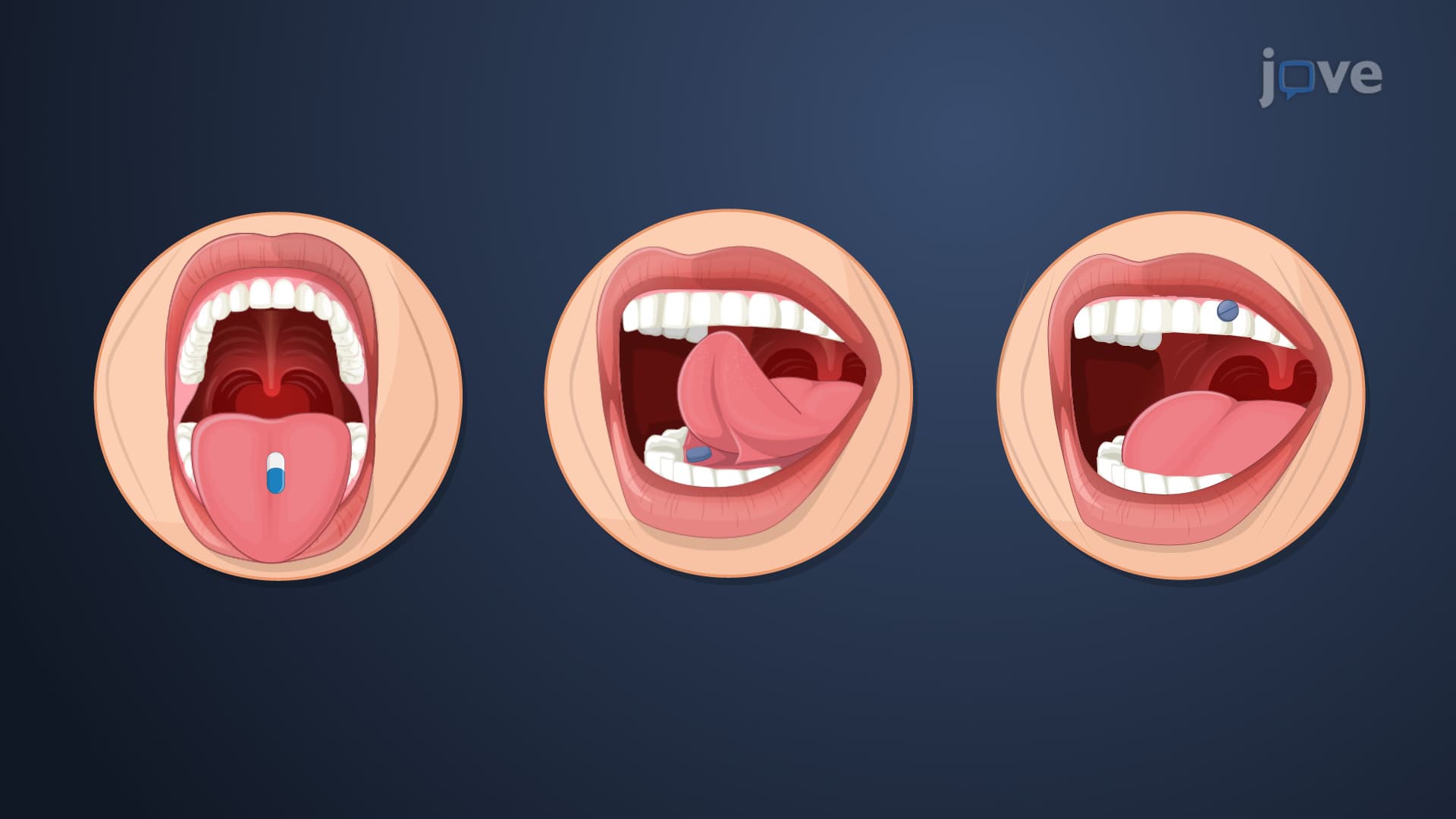
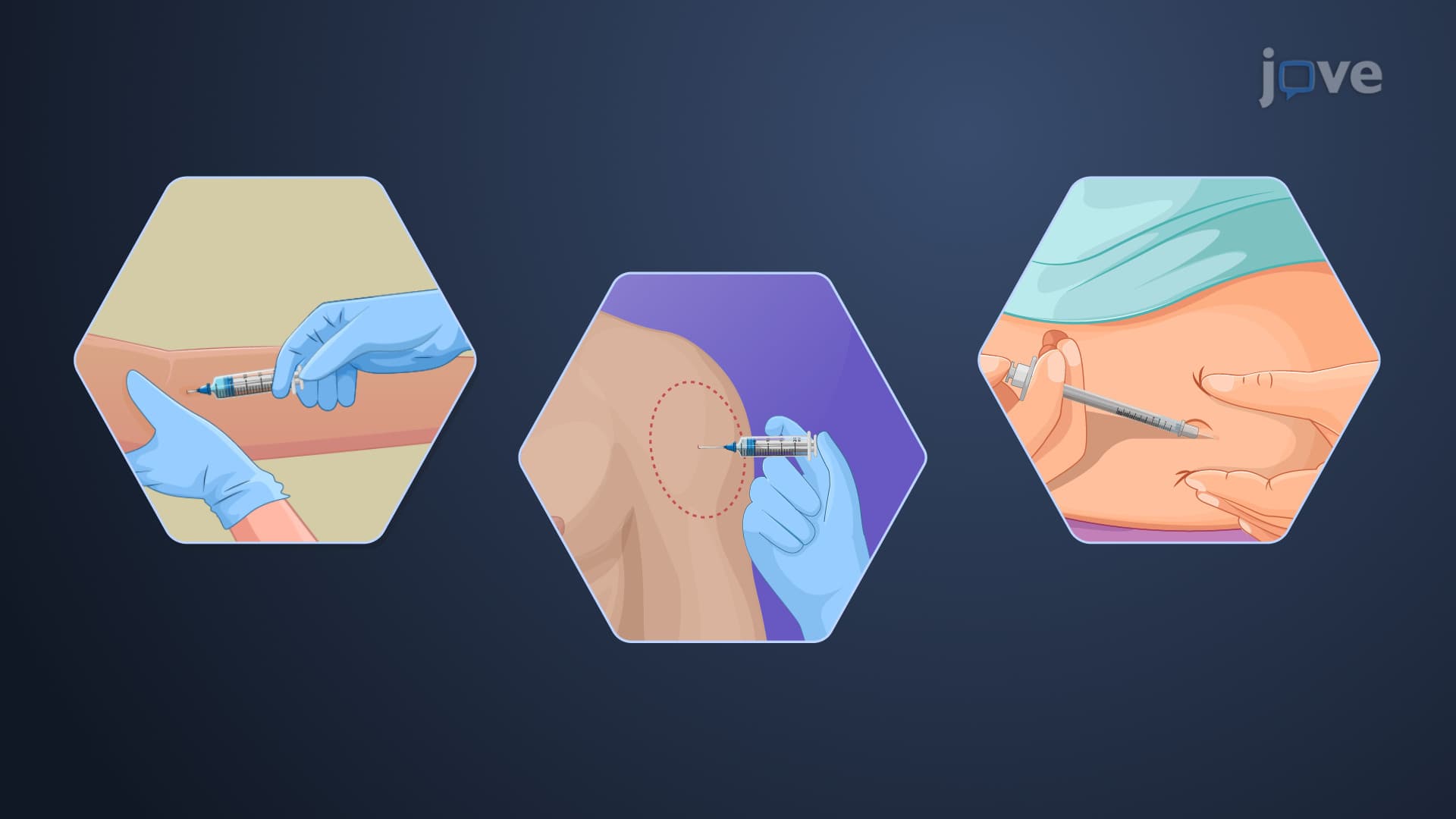
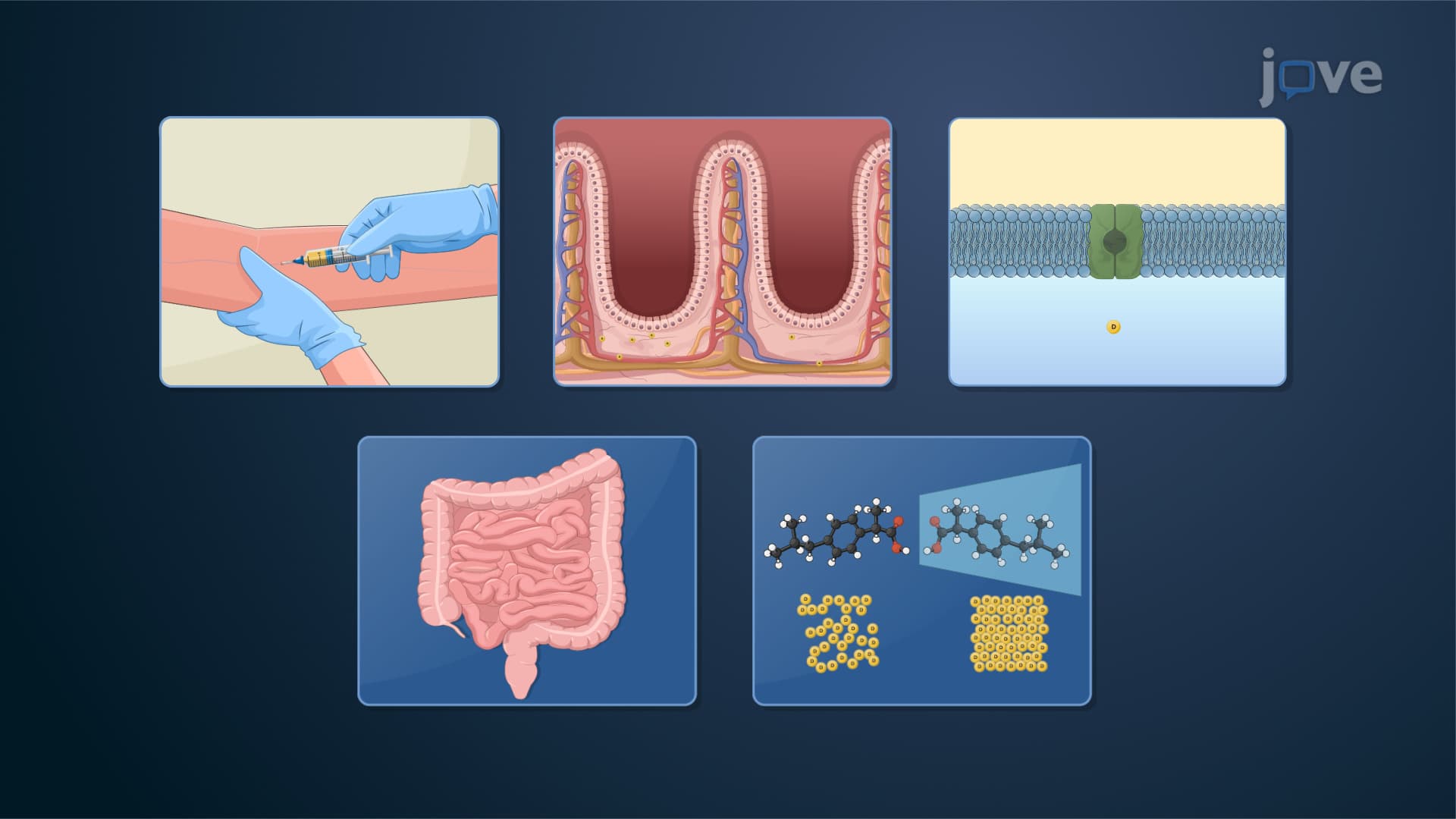
The administration route fundamentally determines absorption characteristics. Intravenous medications, commonly used in US hospitals, bypass absorption entirely by entering circulation directly. This explains why IV morphine provides immediate pain relief compared to oral formulations. Oral medications face the most complex absorption journey, traveling through the gastrointestinal tract where they encounter varying pH levels, digestive enzymes, and absorption barriers.
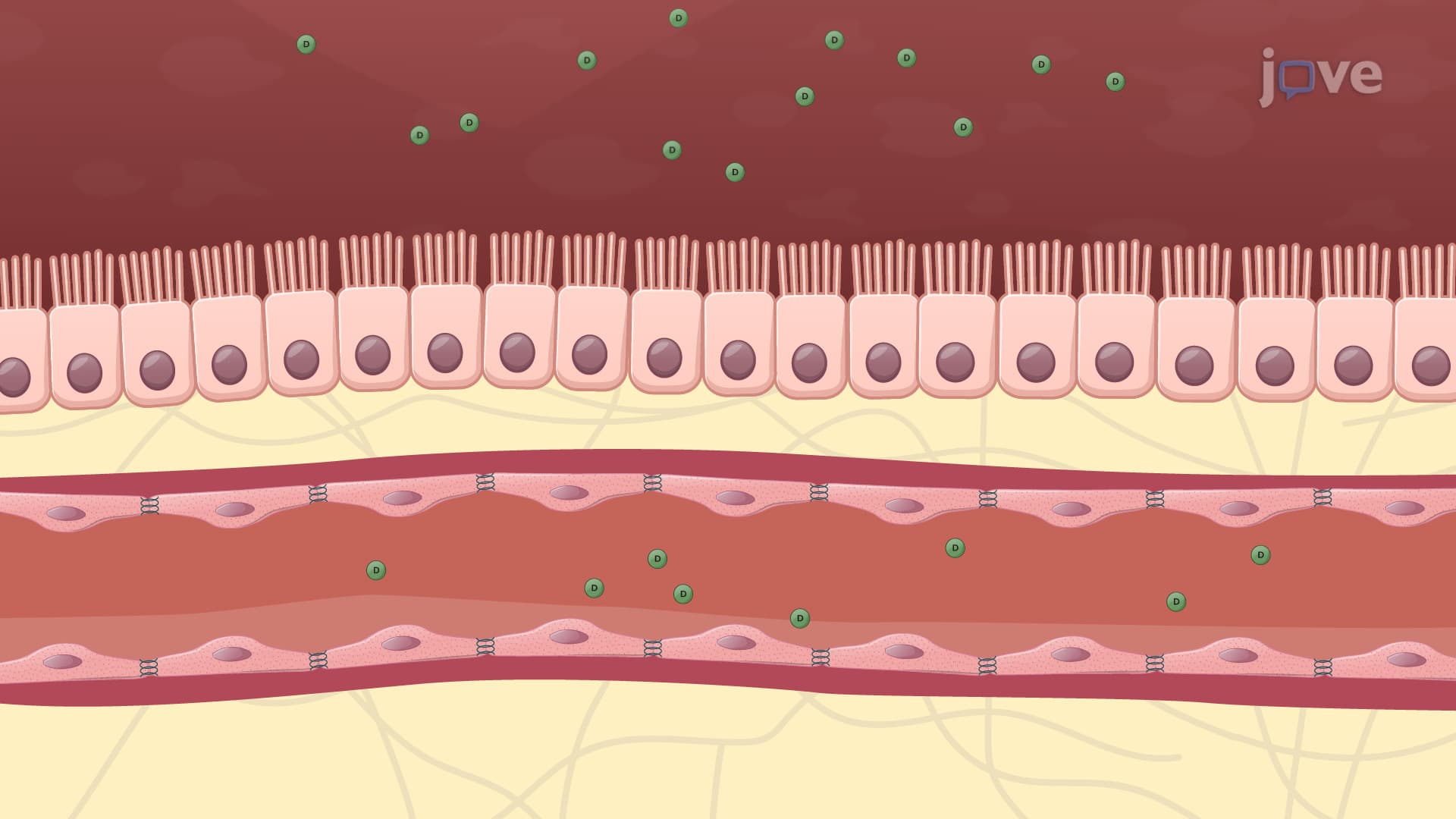
The small intestine represents the primary absorption site due to its specialized anatomy. Intestinal villi create an enormous surface area-roughly equivalent to a tennis court-maximized for nutrient and drug absorption. This anatomical advantage explains why most oral medications are designed for small intestinal absorption rather than stomach uptake.
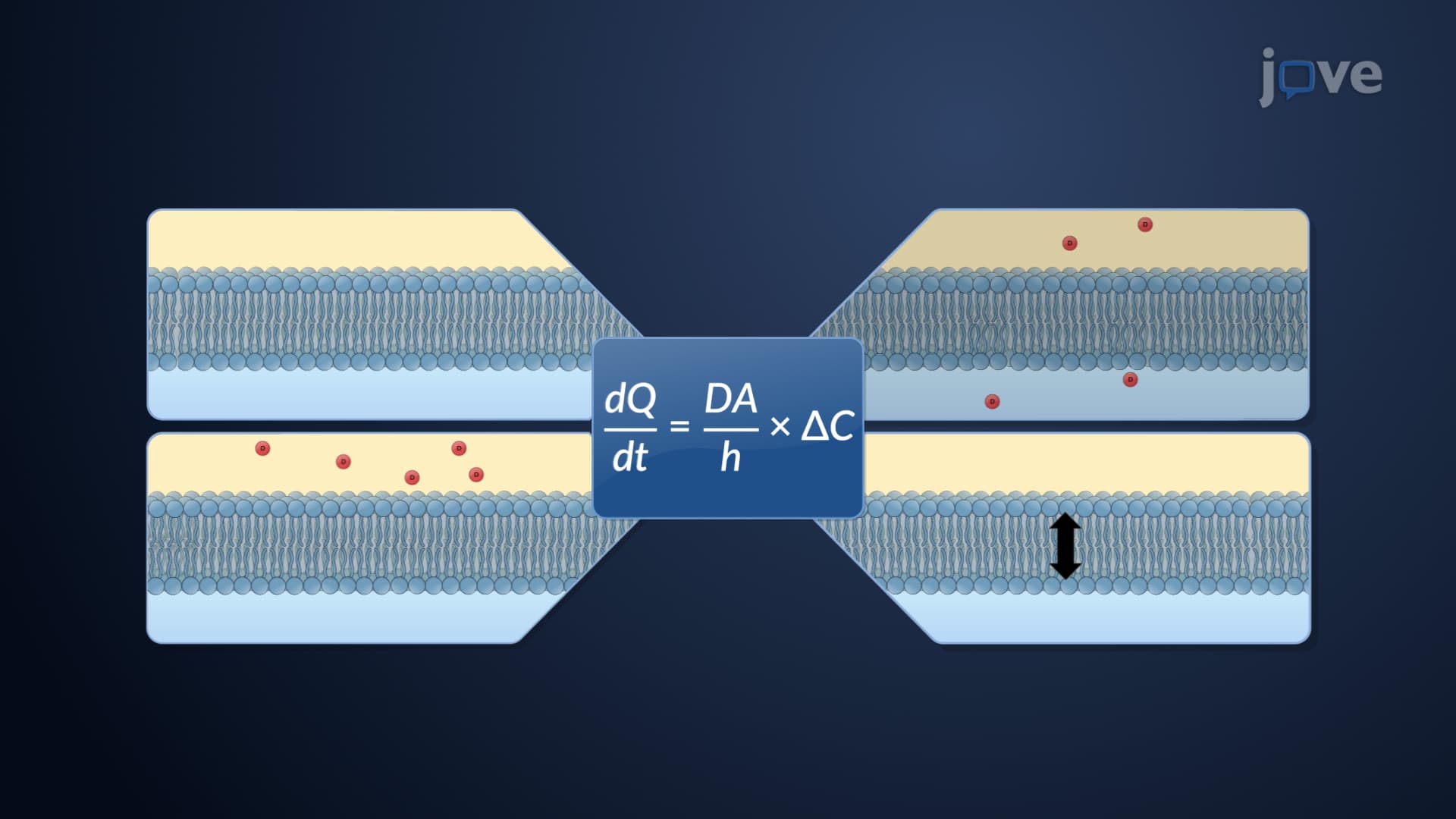
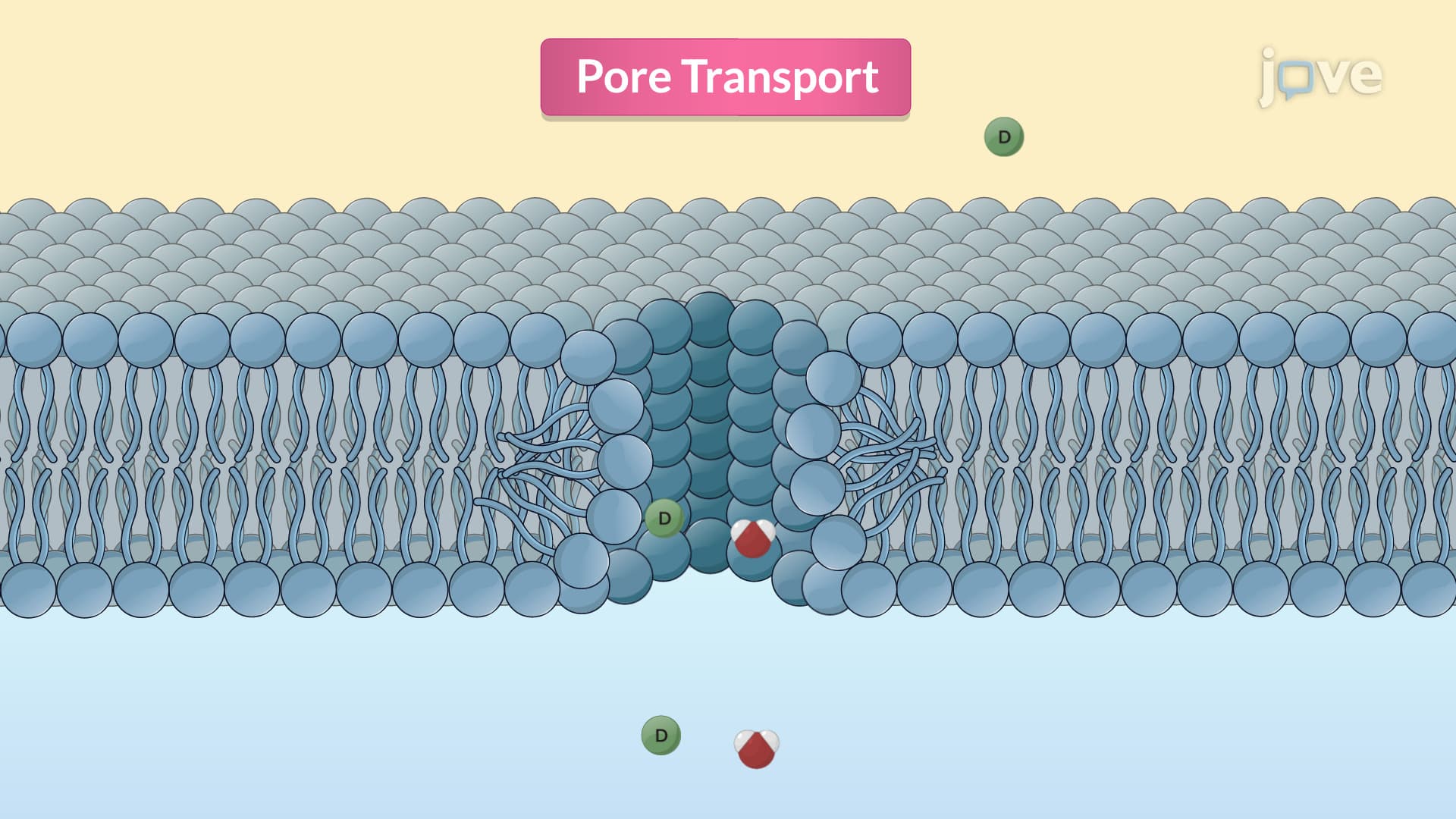
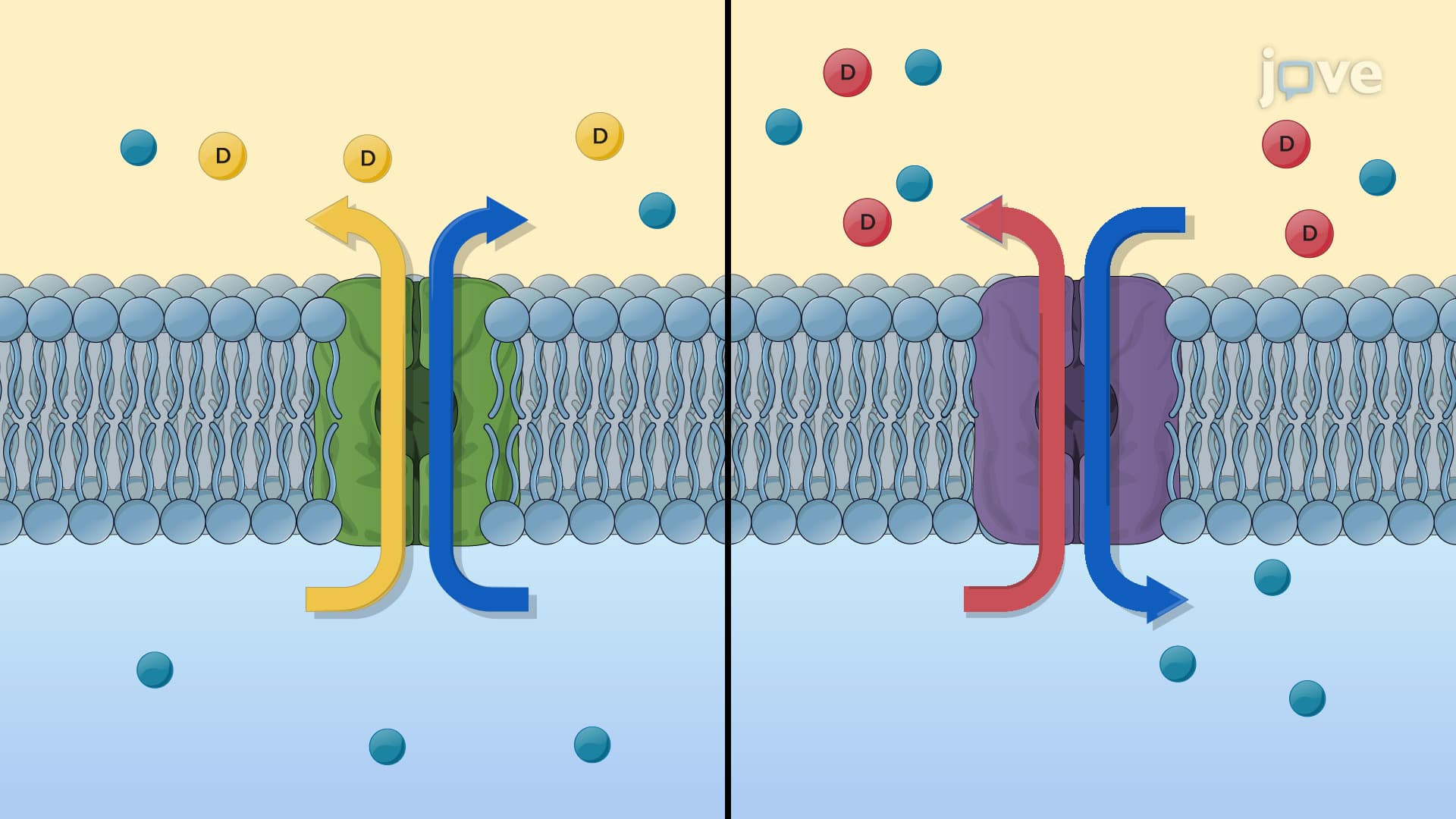
Drug molecules cross intestinal membranes through two primary mechanisms: passive diffusion and active transport. Passive diffusion favors lipophilic (fat-loving) drugs that easily traverse fatty cell membranes. This principle explains why drugs like aspirin, being relatively lipophilic, absorb well orally. Conversely, hydrophilic drugs often require specialized transporters or alternative delivery methods.
Physicochemical properties dramatically influence absorption efficiency. The Henderson-Hasselbalch equation, frequently tested on MCAT exams, predicts how pH affects drug ionization and subsequent absorption. Weak acids absorb better in acidic stomach environments, while weak bases prefer the alkaline small intestine.
Bioavailability quantifies absorption efficiency, representing the fraction of administered drug reaching systemic circulation unchanged. This concept proves crucial for healthcare providers adjusting dosages and predicting therapeutic outcomes. For example, oral bioavailability of digoxin (a heart medication) averages only 60-80%, meaning significant portions never reach circulation.
Understanding drug absorption helps explain common clinical observations: why some medications require food for optimal absorption, why certain drug combinations should be avoided, and why patient factors like age or disease states affect medication effectiveness. This knowledge proves invaluable for students pursuing healthcare careers and performs excellently on standardized exams like the MCAT, NCLEX, and AP Biology.
Related Micro-courses