Loading subject page…


26,027 views


Video Summary: What Is Facilitated Diffusion
Ever wonder how your cells can selectively import glucose while blocking harmful toxins? Facilitated diffusion acts like molecular bouncers at cellular nightclubs, using specialized protein channels to control what enters and exits. This passive transport process enables critical functions like insulin helping diabetic patients-when the hormone binds to cell receptors, it triggers glucose transporters to facilitate sugar uptake without requiring cellular energy. What is facilitated diffusion's role in maintaining cellular balance and supporting life-sustaining processes? Watch the full video on JoVE Coach to master this concept with expert-led visuals and step-by-step explanations.
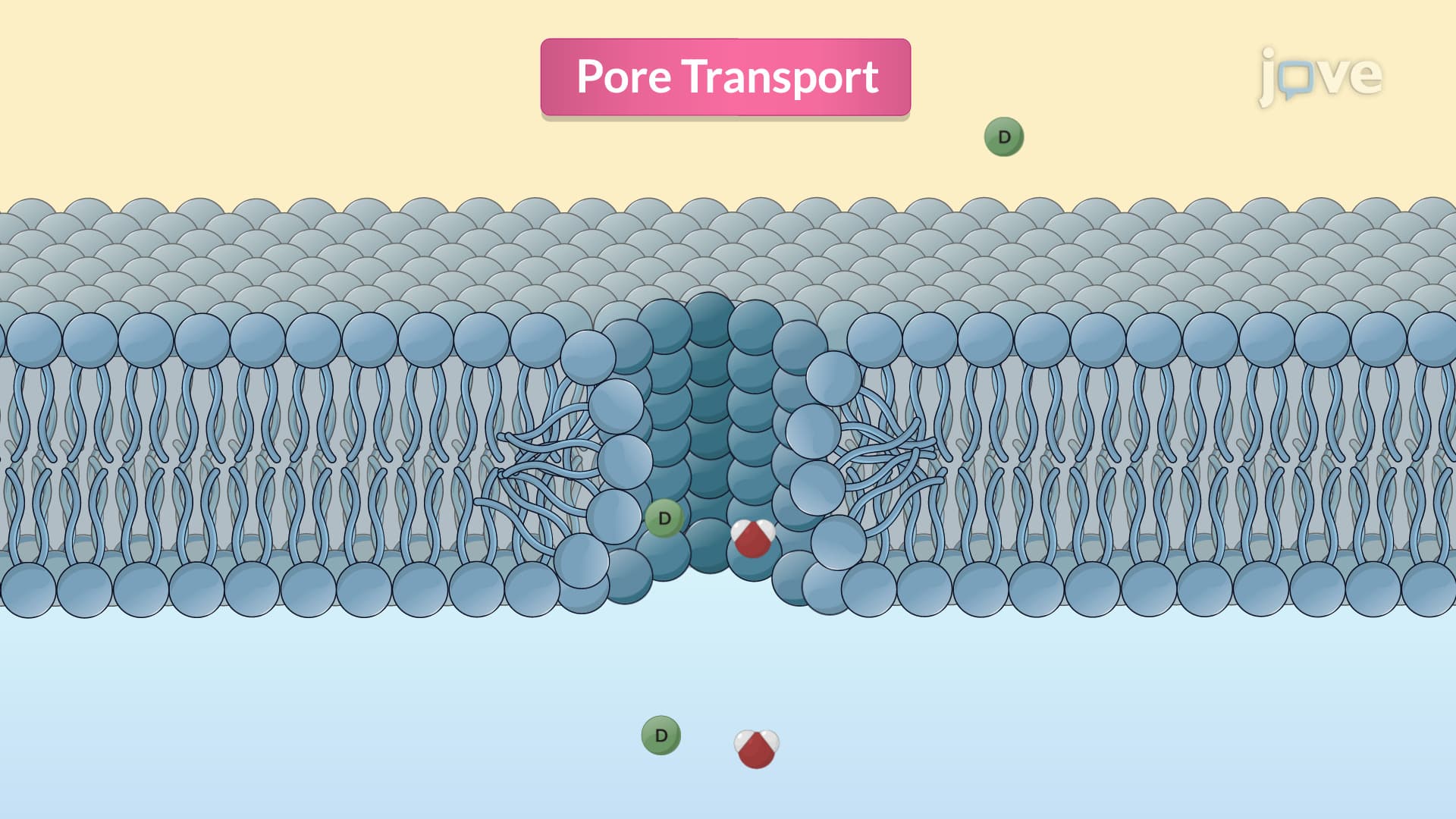
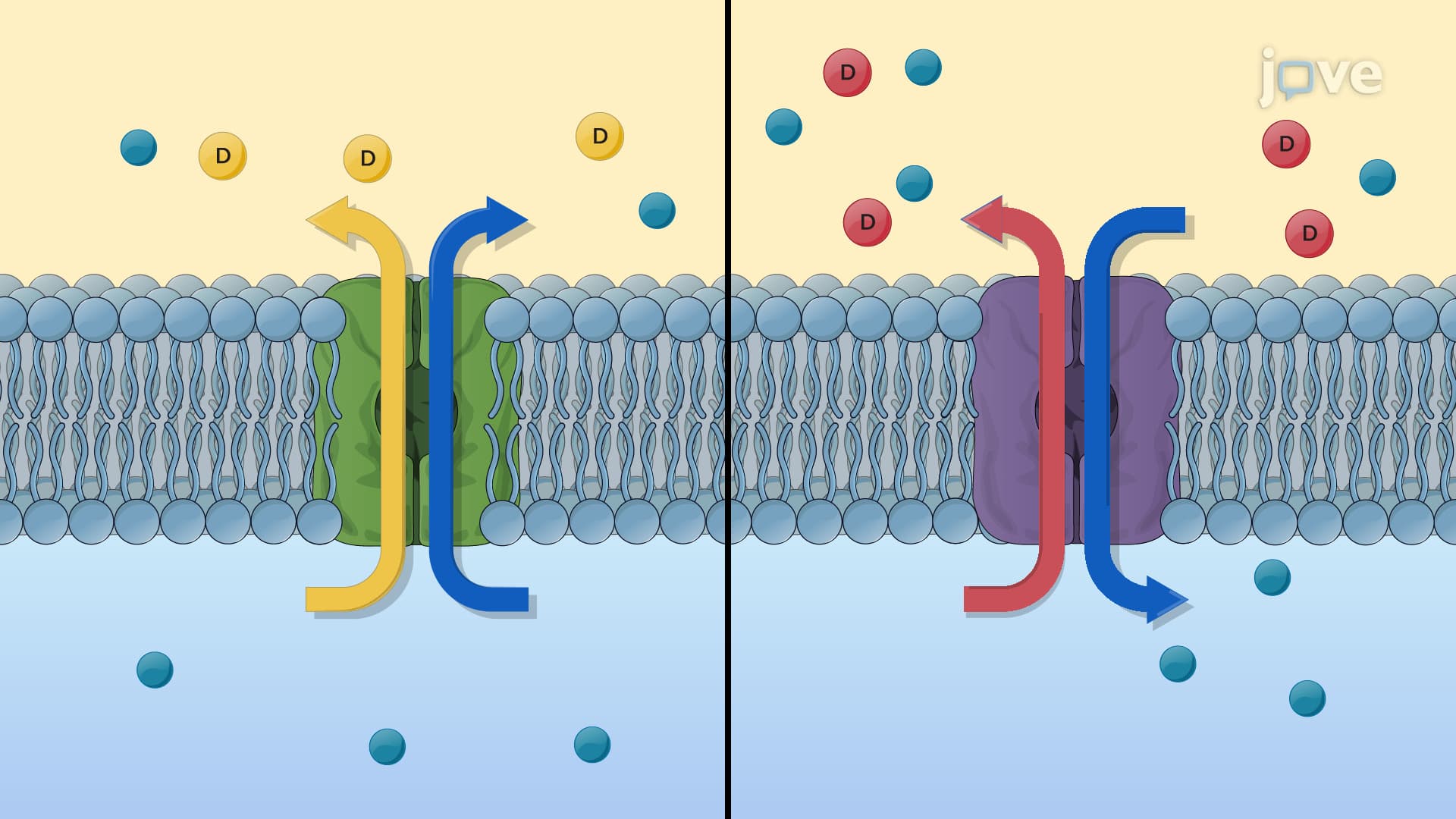
Facilitated diffusion represents a sophisticated cellular transport mechanism that bridges the gap between simple diffusion and active transport. Unlike simple diffusion, where molecules randomly pass through membrane pores, facilitated diffusion employs specialized carrier proteins that act as selective gatekeepers. These proteins undergo precise conformational changes-molecular shape shifts-that create temporary pathways for specific substrates to cross the otherwise impermeable lipid bilayer.
The facilitated diffusion process begins when a substrate molecule encounters its corresponding transporter protein on the cell membrane's exterior surface. This binding event triggers a cascade of structural changes within the protein, essentially creating a molecular tunnel that spans the membrane. The beauty of this system lies in its passive nature-no cellular energy (ATP) is required because molecules move along their natural electrochemical gradients, from areas of high concentration to low concentration.
The selectivity of carrier proteins ensures cellular precision. For instance, glucose transporters (GLUTs) specifically facilitate glucose uptake in muscle cells during exercise, while amino acid transporters handle protein building blocks. This selectivity prevents cellular chaos that would occur if membranes were indiscriminately permeable.
In US healthcare settings, understanding facilitated diffusion proves crucial for pharmaceutical interventions. The organic cation transporter 1 (OCT1), primarily found in liver cells, facilitates the hepatic uptake of metformin-a first-line diabetes medication affecting over 37 million Americans. Genetic variations in OCT1 can influence metformin effectiveness, explaining why some diabetic patients respond differently to standard dosing protocols.
Similarly, thiamine (vitamin B1) absorption in the small intestine depends on facilitated diffusion through thiamine transporters. Deficiencies can lead to beriberi or Wernicke-Korsakoff syndrome, conditions still encountered in US emergency departments, particularly among patients with alcohol use disorders.
Students preparing for the MCAT encounter facilitated diffusion questions in biological and biochemical passages, often requiring analysis of transport kinetics and protein saturation. AP Biology exams frequently test understanding of membrane transport mechanisms, while college biochemistry courses explore transporter structure-function relationships in detail. Understanding facilitated diffusion provides foundational knowledge for advanced topics like pharmacokinetics and cellular metabolism.
The concept also appears in nursing entrance exams (HESI A2, TEAS) where questions focus on medication absorption and cellular physiology, making this knowledge essential for future healthcare professionals.
Related Micro-courses