Loading subject page…

8,785 views


Video Summary: Factors Affecting Drug Biotransformation Biological Explained
Did you know that the same diabetes medication could work differently in identical twins due to biological factors? Factors affecting drug biotransformation biological explained reveals how species differences, age, sex, diet, disease states, and even circadian rhythms dramatically alter how our bodies process medications. For instance, acetaminophen metabolism varies significantly between children and adults, affecting dosing recommendations by the FDA. These biological variations explain why personalized medicine is becoming the gold standard in US healthcare. Watch the full video on JoVE Coach to master this concept with expert-led visuals and step-by-step explanations.
Drug biotransformation represents a complex biological process where medications undergo chemical modifications within living organisms. The factors affecting drug biotransformation biological explained encompass multiple variables that determine how efficiently and safely drugs are processed in the human body. This fundamental concept underlies personalized medicine approaches increasingly adopted by US healthcare systems.
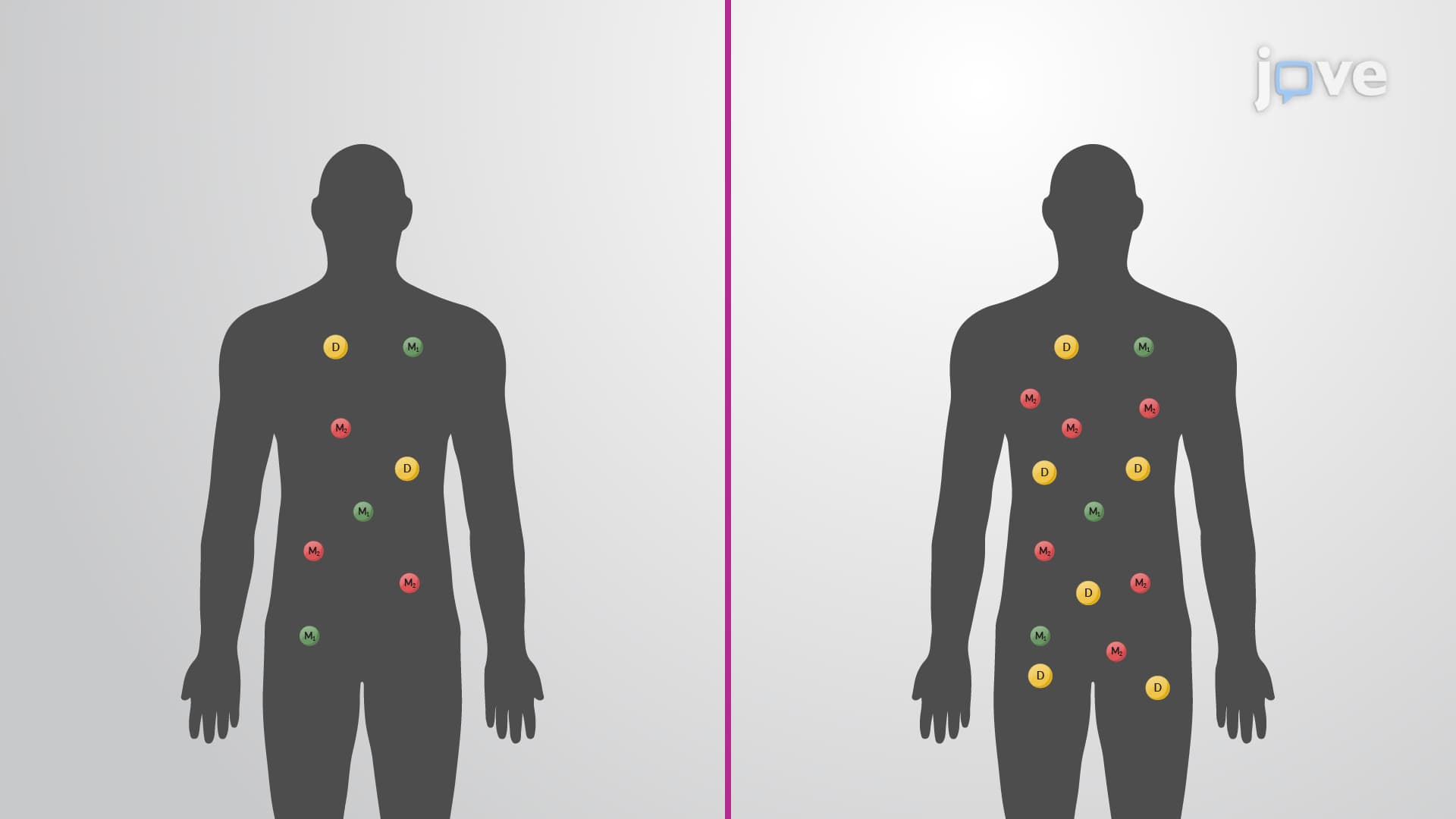
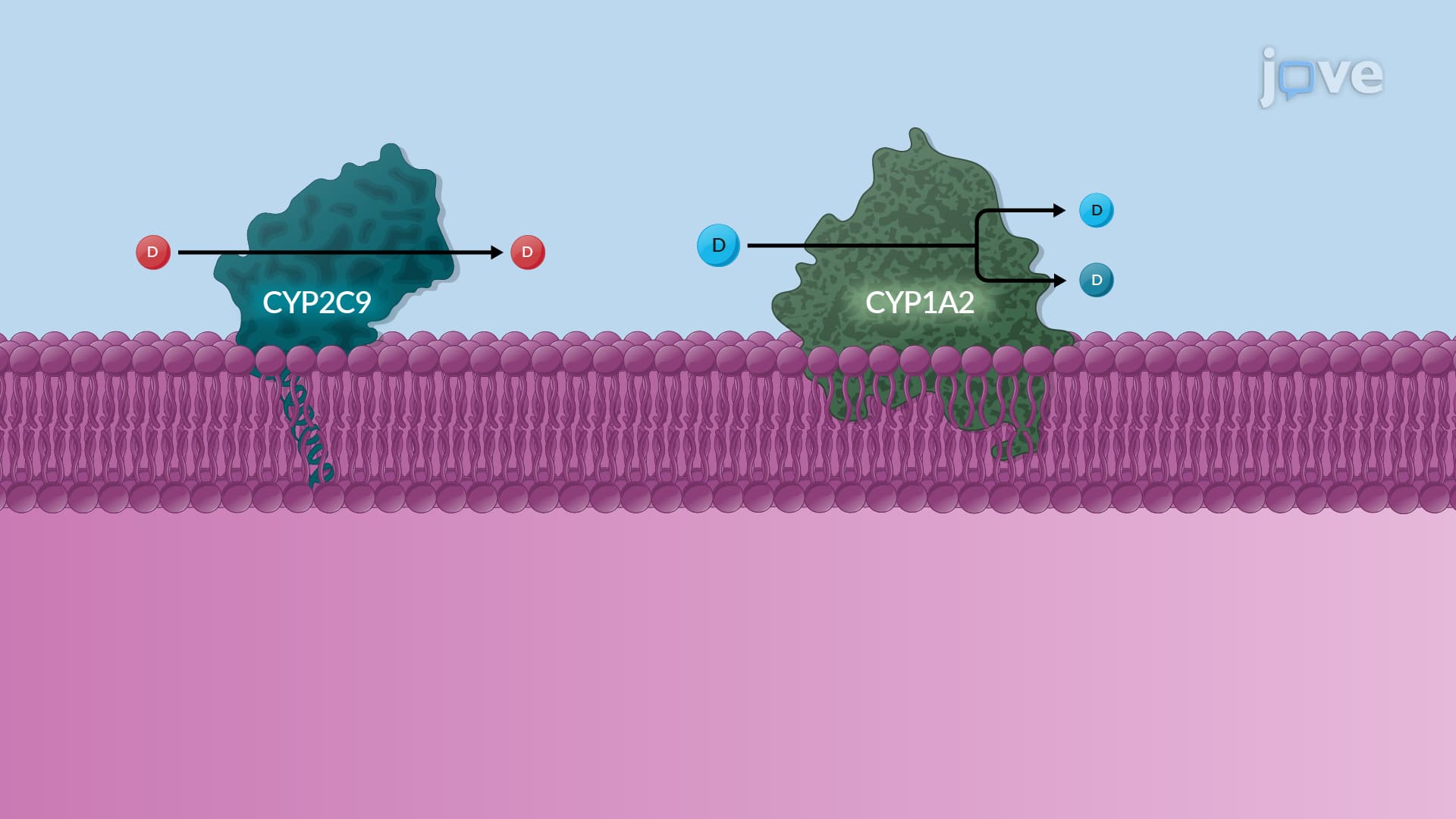
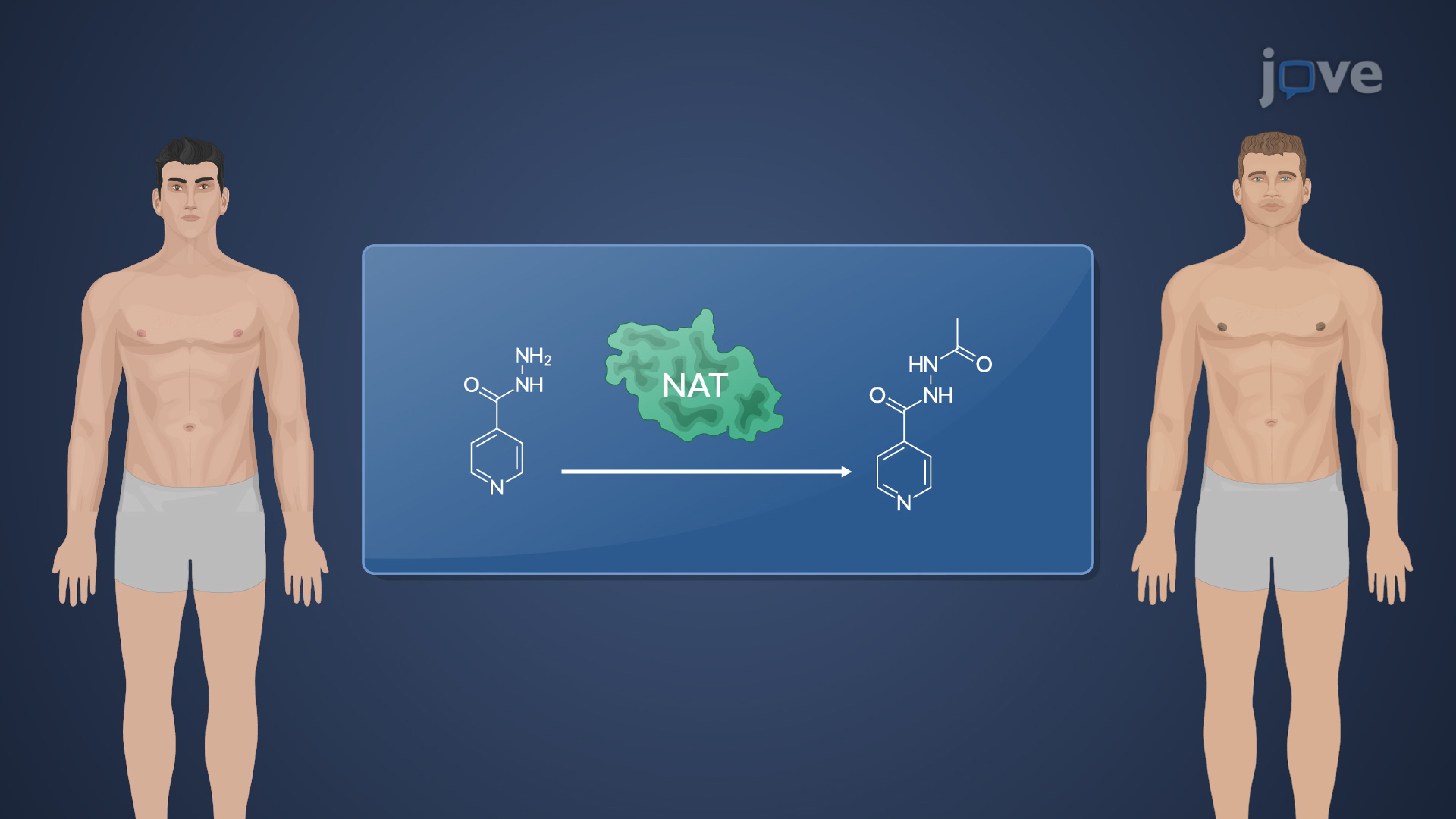
Interspecies differences in drug biotransformation stem from distinct enzyme systems evolved over millions of years. Humans possess unique cytochrome P450 enzyme profiles compared to laboratory animals, explaining why animal drug testing results don't always translate directly to human trials. Within humans, genetic polymorphisms create substantial metabolic variations-the CYP2D6 enzyme demonstrates this clearly, with approximately 7% of Caucasians being poor metabolizers while others are ultra-rapid metabolizers. These genetic differences explain why codeine provides inadequate pain relief for some patients while causing dangerous respiratory depression in others.
Hormonal fluctuations significantly impact drug biotransformation through enzyme induction and inhibition mechanisms. Estrogen levels affect hepatic metabolism, explaining why oral contraceptives can alter the effectiveness of other medications. Age-related changes dramatically influence drug processing-newborns possess immature enzyme systems requiring adjusted dosing protocols, while elderly patients often experience decreased metabolic capacity. The FDA provides specific pediatric and geriatric dosing guidelines recognizing these age-dependent variations.
Dietary components profoundly influence drug metabolism through enzyme interactions. Grapefruit juice inhibits CYP3A4 enzymes, potentially dangerous when combined with medications like statins or immunosuppressants. St. John's Wort induces the same enzymes, reducing effectiveness of birth control pills and warfarin. Disease states, particularly hepatic conditions like cirrhosis or hepatitis, severely compromise biotransformation capacity. Circadian rhythms create predictable daily variations in enzyme activity, influencing optimal dosing times for medications like blood pressure drugs and chemotherapy agents.
Understanding these biological factors proves essential for MCAT preparation, AP Biology coursework, and clinical practice. Healthcare professionals must consider patient-specific factors when prescribing medications, making this knowledge crucial for pre-medical students and nursing program candidates.
Related Micro-courses