Loading subject page…


8,785 views

Video Summary: Phase I Reactions Reductive Reactions Explained
Ever wonder how your body transforms medications like Tylenol or blood thinners into forms it can eliminate? Phase I reactions reductive processes are biochemical transformations that add electrons to drug molecules, fundamentally changing their structure and activity. Take naltrexone, an opioid addiction treatment used in US rehab centers-your liver converts it through reduction into completely different metabolites. These Phase I Reactions Reductive Reactions Explained mechanisms affect everything from pain relievers to birth control pills. Watch the full video on JoVE Coach to master this concept with expert-led visuals and step-by-step explanations.
Phase I reductive reactions represent a crucial branch of drug metabolism where liver enzymes add electrons to pharmaceutical compounds, fundamentally altering their chemical structure and biological activity. Unlike oxidative reactions that remove electrons, reductive processes introduce electrons to specific functional groups, preparing drugs for either elimination or further metabolic processing. These reactions primarily occur in hepatic microsomes through cytochrome P450 enzymes and other reductases, making them essential for understanding pharmacokinetics in clinical practice.
Carbonyl reduction represents one of the most significant reductive pathways in pharmaceutical metabolism. When drugs containing C=O groups enter the liver, specialized enzymes convert these carbonyl compounds into corresponding alcohols through electron addition and proton transfer. This process dramatically changes drug properties-for instance, naltrexone, widely prescribed in US addiction treatment centers, undergoes carbonyl reduction to form metabolites with completely different receptor binding profiles. The reduction affects both aliphatic carbonyls and aromatic ketones, with implications for drug duration and therapeutic effectiveness. Students preparing for the MCAT or pharmacy school entrance exams should understand that this transformation often represents drug inactivation, though some cases involve prodrug activation.
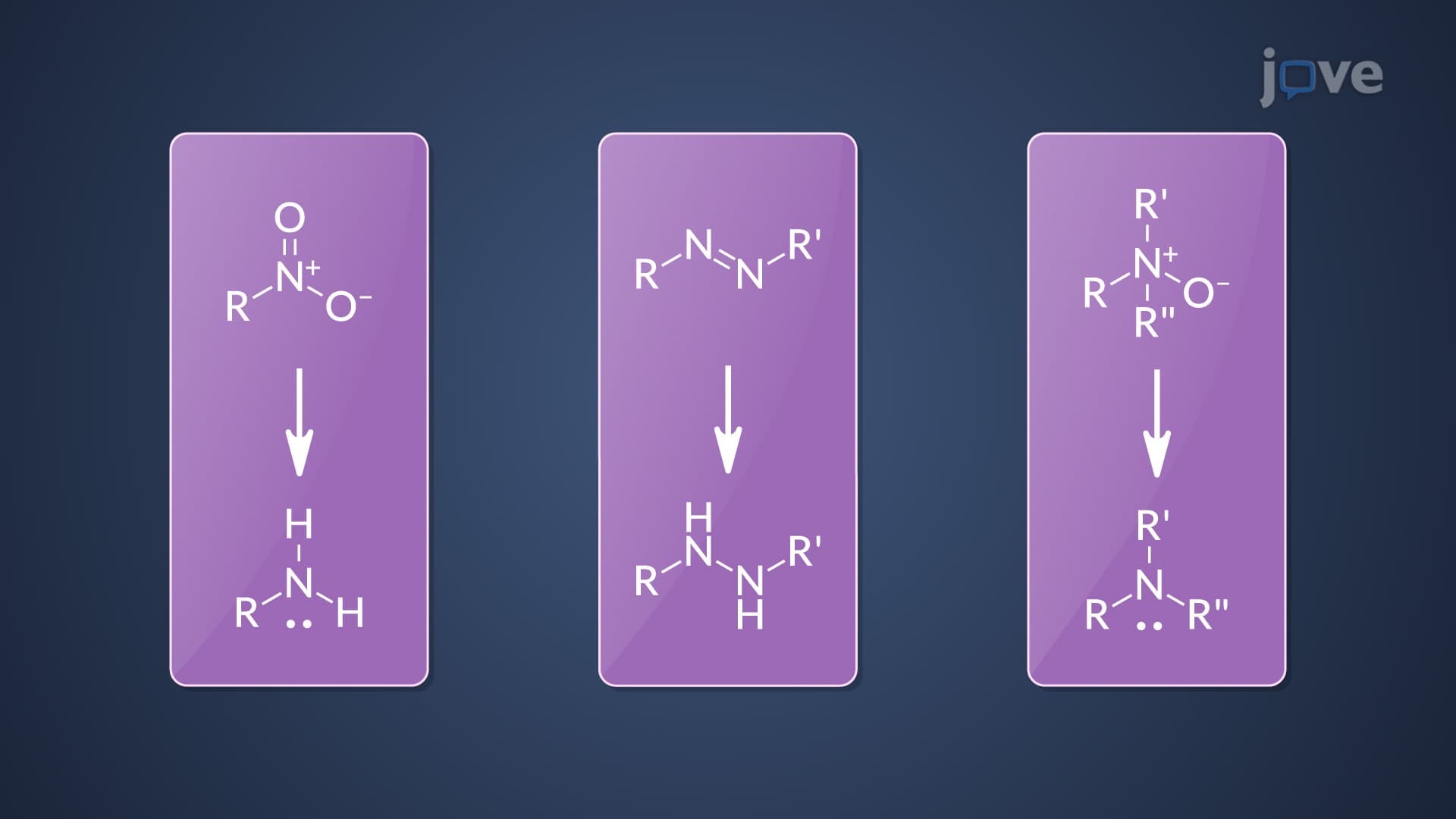
C=C bond reduction exemplifies another critical reductive pathway, particularly relevant in steroid metabolism. Norethindrone, a synthetic progestin found in many US birth control formulations, undergoes C=C reduction that converts unsaturated bonds into saturated single bonds. This process typically occurs through enzymatic hydrogenation, adding hydrogen atoms across double bonds. Simultaneously, N-compound reductions transform various nitrogen-containing functional groups including nitro (-NO2), azo (N=N), and N-oxide groups. The classic example involves nitrazepam reduction, where the nitro group undergoes sequential reduction through nitroso and hydroxylamine intermediates before forming the final amine product. This multi-step process is frequently tested in organic chemistry and biochemistry courses.
Advanced reductive reactions encompass specialized transformations like reductive dehalogenation, demonstrated by halothane metabolism in anesthetic practice. US anesthesiologists must understand how halothane undergoes reductive dehalogenation in liver tissue, producing trifluoroacetic acid derivatives that can accumulate and cause hepatotoxicity in susceptible patients. The historical example of prontosil reduction to sulfanilamide illustrates prodrug activation-the parent azo compound requires reduction to generate the active antibacterial agent. These examples underscore why medical and pharmacy students must master reductive reaction mechanisms for clinical practice, drug design understanding, and board exam success.
Related Micro-courses