Loading subject page…


8,785 views

Video Summary: Phase Ii Reactions Acetylation Reactions Explained
Ever wondered why some people handle medications like isoniazid (used for tuberculosis treatment) differently than others? Phase II reactions acetylation involves adding acetyl groups to drugs and other compounds, creating a genetic lottery that determines how quickly your body processes certain medications. This biotransformation process uses the enzyme N-acetyltransferase to modify substances like the antibiotic sulfamethoxazole, commonly prescribed in US hospitals. Watch the full video on JoVE Coach to master this concept with expert-led visuals and step-by-step explanations.
Acetylation represents one of the most clinically significant Phase II biotransformation reactions, fundamentally different from Phase I oxidative processes. While Phase I reactions often introduce or expose functional groups, acetylation specifically targets existing amine groups, adding an acetyl moiety to create more water-soluble, excretable compounds. This process occurs in the cytoplasm rather than the endoplasmic reticulum, utilizing the nonmicrosomal enzyme N-acetyltransferase (NAT).
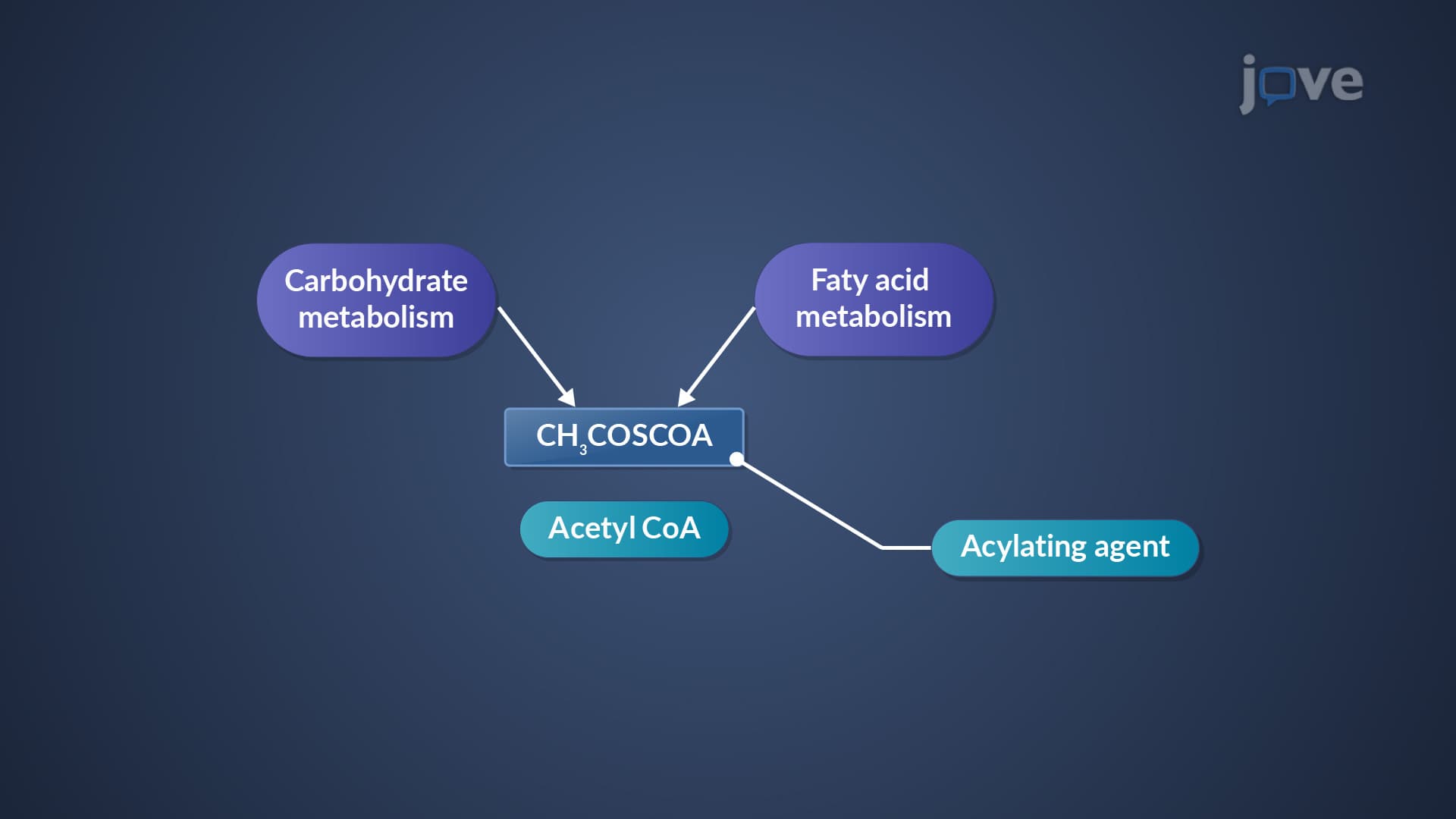
The acetylation reaction employs acetyl-CoA, derived from normal cellular metabolism of carbohydrates and fatty acids, as the acetyl donor. N-acetyltransferase catalyzes the transfer of this acetyl group to nucleophilic nitrogen atoms in substrates. Two main NAT enzymes exist in humans: NAT1 and NAT2, with NAT2 being primarily responsible for drug metabolism. The reaction follows the mechanism: R-NH2 + Acetyl-CoA → R-NH-COCH3 + CoA-SH, where R represents the substrate molecule.
Primary substrates include aromatic amines (found in sulfamethoxazole), hydrazines (like isoniazid), and sulfonamides commonly prescribed in US medical practice. The genetic polymorphism in NAT2 creates distinct population groups: fast acetylators (possessing functional NAT2 alleles) and slow acetylators (carrying defective variants). In the US population, approximately 40-70% are slow acetylators, with significant ethnic variations. This genetic difference profoundly impacts drug dosing for medications like procainamide (antiarrhythmic) and hydralazine (antihypertensive).
Acetylation can lead to both detoxification and bioactivation. While most acetylation reactions facilitate drug elimination, some create reactive metabolites. For example, acetaminophen metabolism can produce N-acetyl-p-benzoquinone imine (NAPQI), contributing to hepatotoxicity when glutathione stores are depleted. Students preparing for the MCAT or pharmacology courses should understand that slow acetylators face increased risk of drug-induced lupus from procainamide and enhanced therapeutic effects from isoniazid, while fast acetylators may require higher doses for therapeutic efficacy.
This knowledge proves essential for AP Biology students studying metabolism and critical for pre-med students understanding personalized medicine principles that guide modern therapeutic decision-making in US healthcare systems.
Related Micro-courses