Loading subject page…


8,785 views

Video Summary: Phase Ii Reactions Methylation Reactions Explained
Did you know that when you take Tylenol, your liver doesn't just break it down-it also adds chemical tags to make new compounds? Phase II reactions methylation involves enzymes like COMT (catechol-O-methyltransferase) attaching methyl groups to drugs and hormones, transforming how your body processes everything from pain relievers to neurotransmitters like dopamine. Unlike typical detoxification reactions, Phase II Reactions Methylation Reactions Explained shows how methylation can actually enhance or maintain a drug's activity rather than eliminate it. Watch the full video on JoVE Coach to master this concept with expert-led visuals and step-by-step explanations.
Phase II reactions methylation represents a fascinating exception in drug metabolism. While most Phase II reactions increase water solubility to promote drug elimination, methylation often maintains or enhances biological activity. This process involves specialized enzymes called methyltransferases that attach methyl groups (-CH3) to specific substrates, creating methylated metabolites with distinct pharmacological properties.
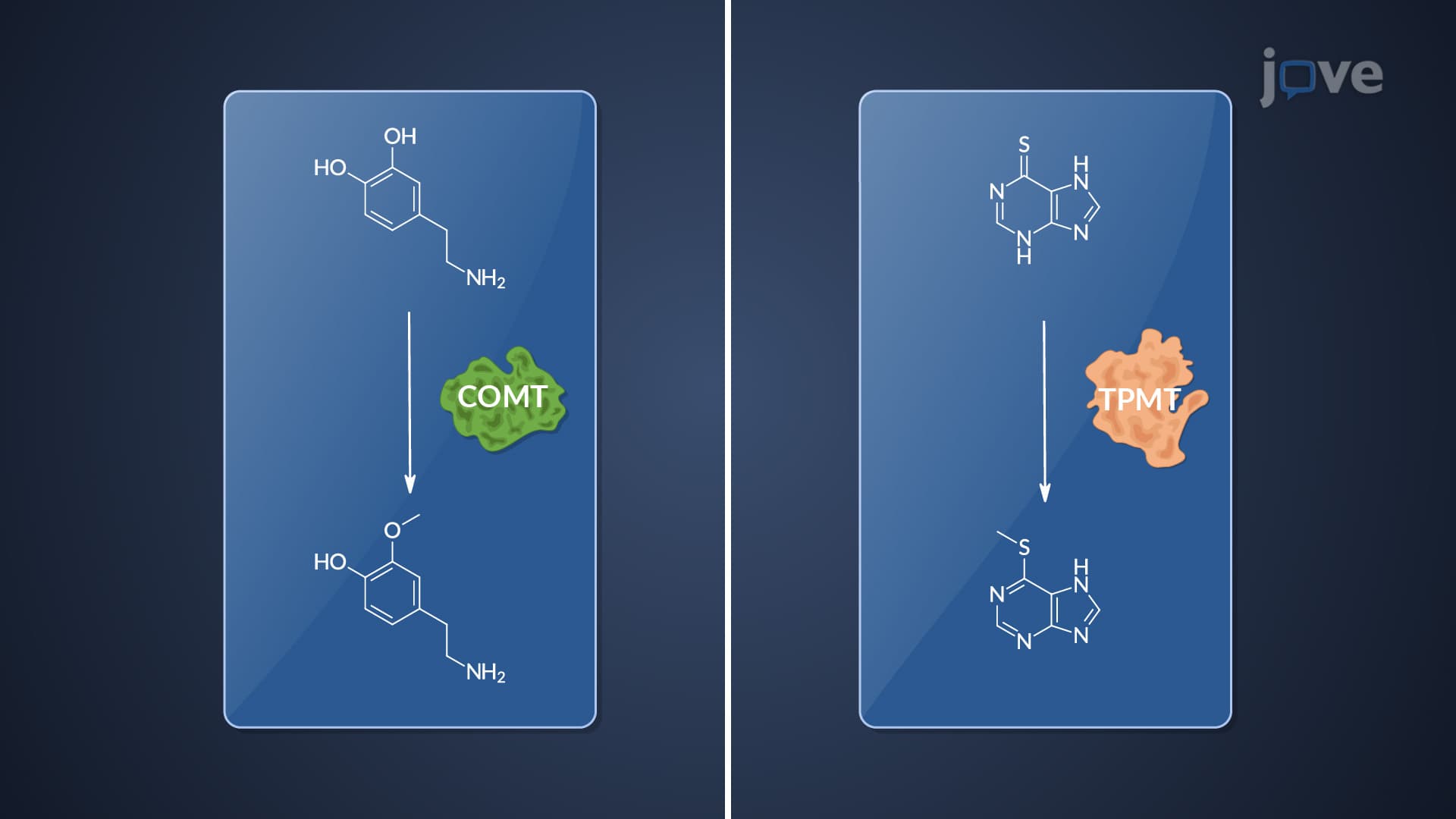
Two primary methyltransferases dominate clinical significance in the United States healthcare system. Catechol-O-methyltransferase (COMT) metabolizes catecholamine neurotransmitters like dopamine and norepinephrine, making it crucial for understanding neurological conditions and ADHD medications. Thiopurine methyltransferase (TPMT) processes cancer chemotherapy drugs like 6-mercaptopurine, with genetic variations in TPMT activity affecting treatment outcomes in American cancer patients. These enzymes demonstrate how what is phase ii reactions methylation reactions impacts both normal physiology and therapeutic drug monitoring.
The methylation mechanism centers on S-adenosylmethionine (SAM) as the methyl donor. This coenzyme undergoes activation, transfers its methyl group to the substrate, and releases S-adenosylhomocysteine (SAH) as a byproduct. This process appears frequently on MCAT biochemistry sections and advanced placement biology exams, where students must trace the pathway from SAM through methyltransferase catalysis to final products.
Morphine methylation exemplifies clinical relevance-the liver converts morphine to codeine through O-methylation, demonstrating how phase ii reactions methylation reactions study guide concepts apply directly to pain management protocols in American hospitals. Similarly, COMT inhibitors like entacapone are prescribed alongside L-DOPA for Parkinson's disease patients, blocking methylation to enhance therapeutic effectiveness. Understanding these reactions helps explain why some patients require different dosing strategies and why genetic testing for methyltransferase variants has become standard practice in personalized medicine approaches used by major US medical centers like Mayo Clinic and Johns Hopkins.
Related Micro-courses