Loading subject page…


8,785 views


Video Summary: Phase Ii Reactions Miscellaneous Conjugation Reactions Explained
Did you know that your body has a specialized detox system that can neutralize deadly cyanide poisoning within minutes? Phase II reactions miscellaneous conjugation processes are your cellular defense mechanisms that transform harmful substances into safe, excretable compounds. For instance, when firefighters are exposed to cyanide from burning plastics, their bodies use rhodanese enzymes to convert lethal cyanide into harmless thiocyanate through sulfur conjugation. These Phase II Reactions Miscellaneous Conjugation Reactions Explained demonstrate how endogenous molecules like thiosulfate, ribose, and taurine serve as cellular bodyguards. Watch the full video on JoVE Coach to master this concept with expert-led visuals and step-by-step explanations.
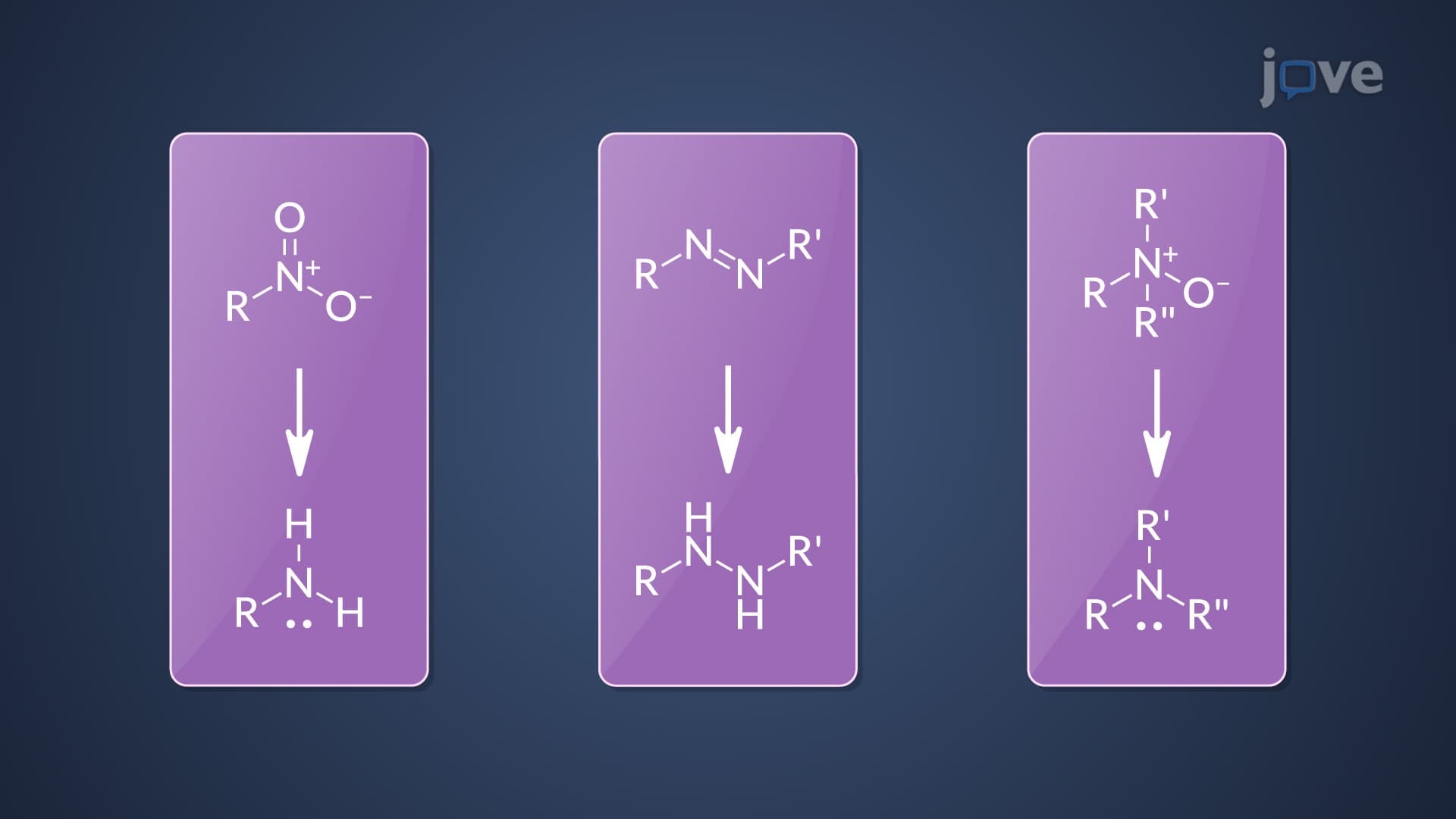
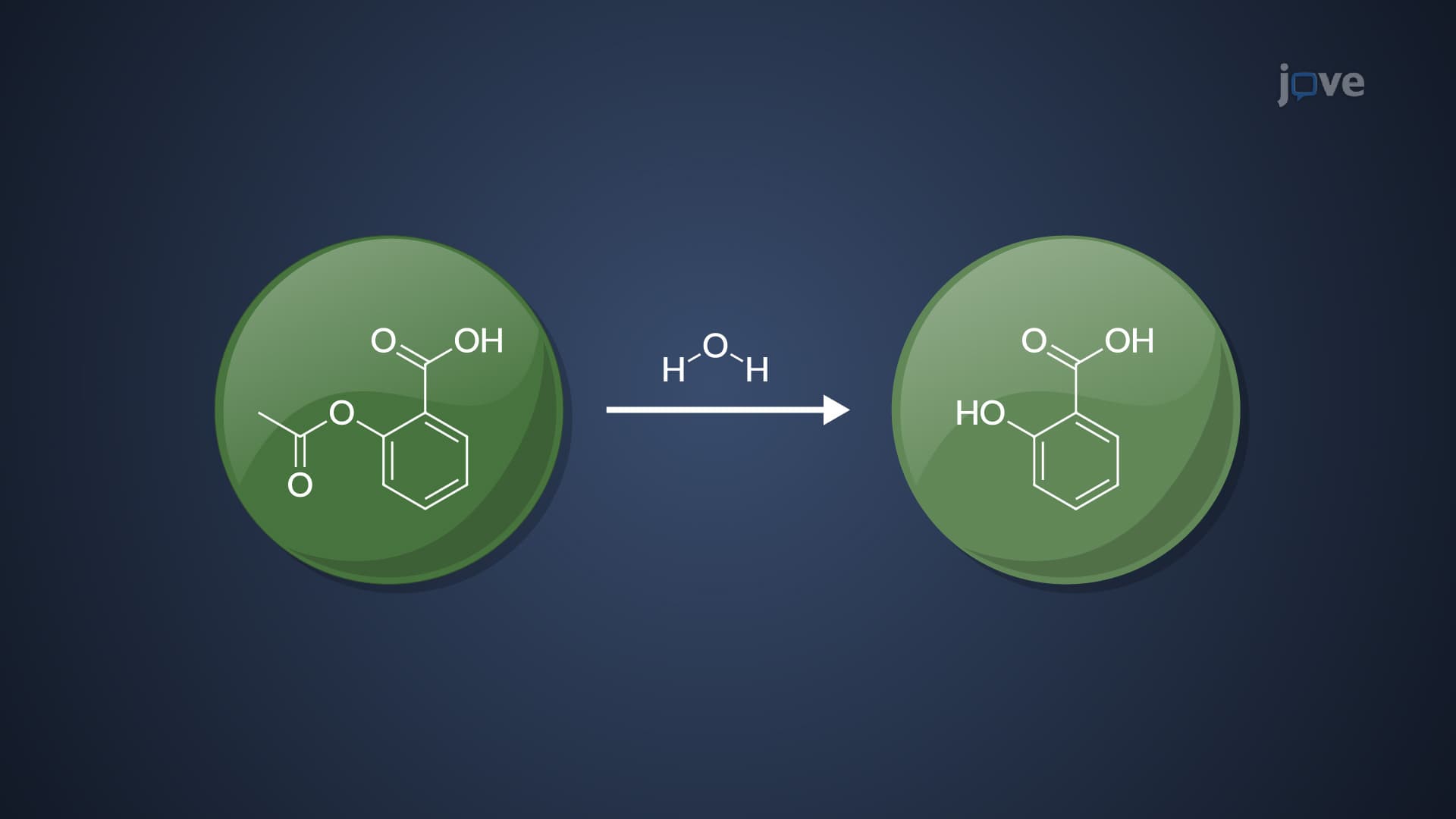
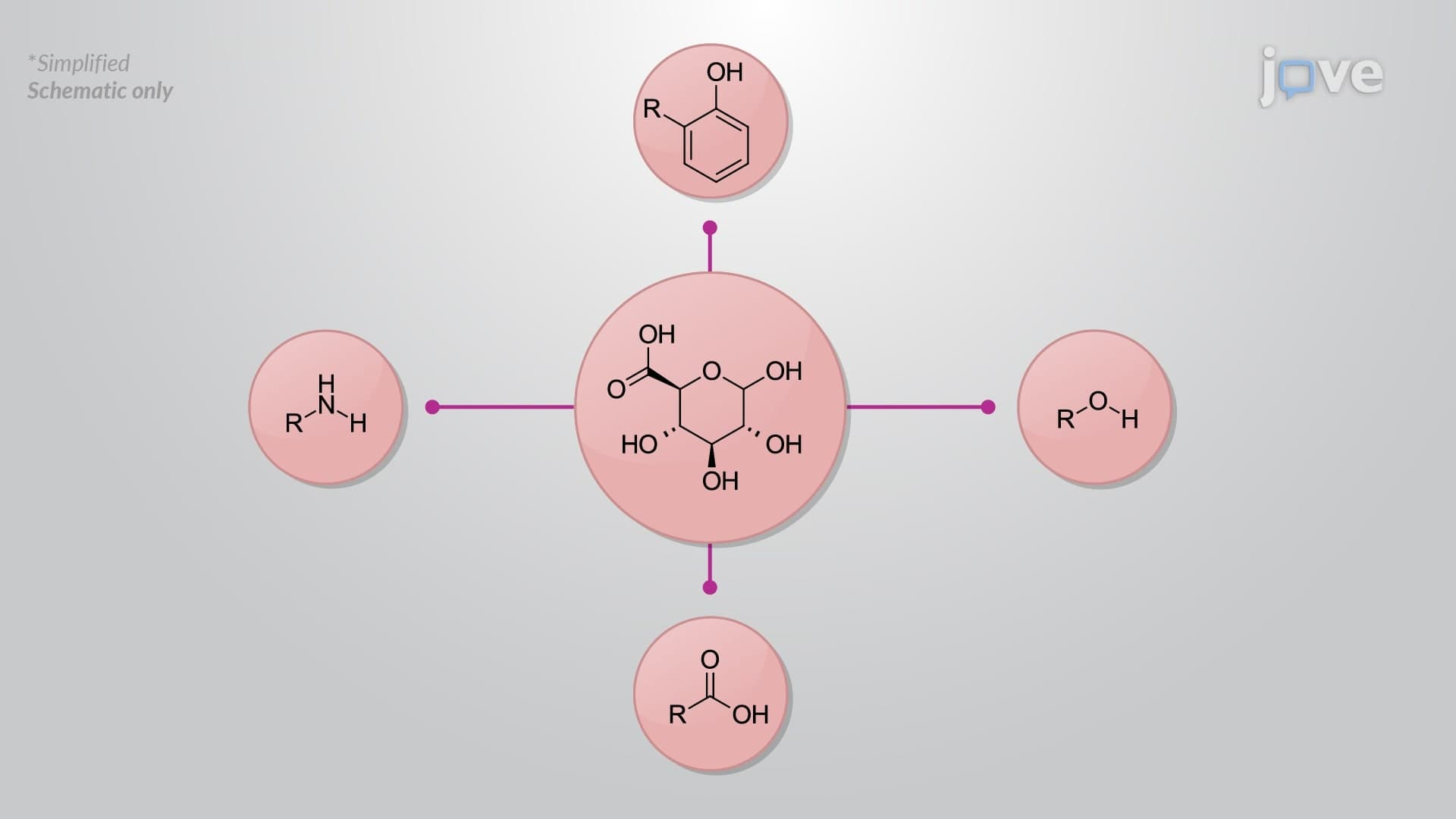
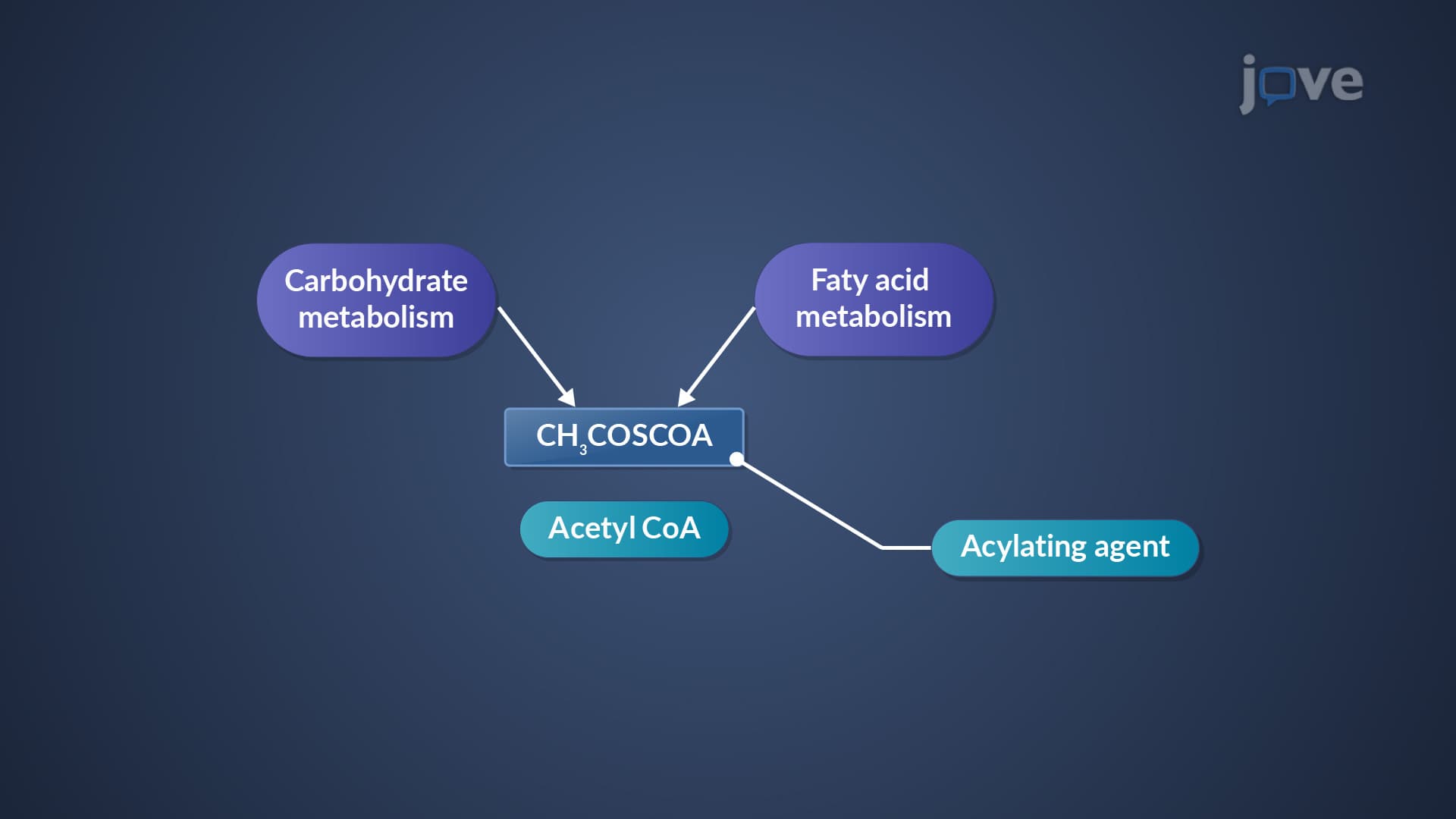
Phase II biotransformation reactions represent the body's sophisticated molecular recycling and detoxification system. Unlike Phase I reactions that primarily involve oxidation, reduction, and hydrolysis, these conjugation reactions attach endogenous molecules to foreign substances (xenobiotics) or cellular metabolites, making them more water-soluble and easier to excrete. This process is essential for maintaining cellular health and preventing toxic accumulation.
The cyanide detoxification pathway exemplifies how conjugation reactions can mean the difference between life and death. Cyanide ions bind to cytochrome c oxidase in the electron transport chain, effectively shutting down cellular respiration. Additionally, cyanide converts hemoglobin to cyanomethemoglobin, creating a double threat to oxygen delivery and utilization.
The body's defense mechanism involves the enzyme rhodanese, primarily found in liver mitochondria. This enzyme catalyzes the transfer of sulfur from thiosulfate (Na2S2O3) to cyanide ions, forming thiocyanate (SCN-), which is 200 times less toxic than cyanide. The reaction can be written as: CN- + S2O3^2- → SCN- + SO3^2-. This explains why sodium thiosulfate is used as an antidote in US emergency rooms for cyanide poisoning cases.
Another crucial conjugation process involves the attachment of purine and pyrimidine bases to ribose sugars, forming nucleosides and subsequently nucleotides. This process is fundamental to DNA and RNA synthesis, making it essential for cell division, protein synthesis, and energy metabolism through ATP production. Students studying for the MCAT or AP Biology exams should understand how this conjugation differs from simple chemical bonding-it requires specific enzymes and energy input.
Taurine, derived from the amino acid cysteine, conjugates with primary bile acids like cholic acid to form bile salts such as taurocholate. This conjugation occurs in hepatocytes and serves multiple purposes: it increases the water solubility of bile acids, lowers their pKa values, and prevents passive reabsorption in the small intestine. For students preparing for the USMLE or nursing exams like NCLEX, understanding this process is crucial for comprehending lipid digestion disorders and cholestasis conditions.
These conjugation reactions are frequently tested in college biochemistry courses and appear on standardized exams because they demonstrate how the body maintains homeostasis through molecular modification rather than simply eliminating harmful substances.
Related Micro-courses