Loading subject page…


8,787 views


Video Summary: What are Phase I Oxidative Reactions
Ever wonder why your morning coffee affects you differently than your grandmother? Phase I oxidative reactions are the body's primary defense system, breaking down everything from caffeine to prescription medications like codeine through specialized enzyme processes. These biotransformation reactions occur in your liver's microsomes, where mixed-function oxidases use oxygen and NADPH to convert lipophilic drugs into more water-soluble metabolites. Understanding what are Phase I oxidative reactions is crucial for anyone studying pharmacology, biochemistry, or preparing for healthcare careers. Watch the full video on JoVE Coach to master this concept with expert-led visuals and step-by-step explanations.
Phase I oxidative reactions represent the first line of defense in drug metabolism, occurring primarily in liver hepatocytes within specialized cellular compartments called microsomes. These reactions serve as the body's chemical modification system, transforming lipophilic (fat-loving) drugs and xenobiotics into more hydrophilic (water-loving) compounds that can be more easily eliminated from the body.
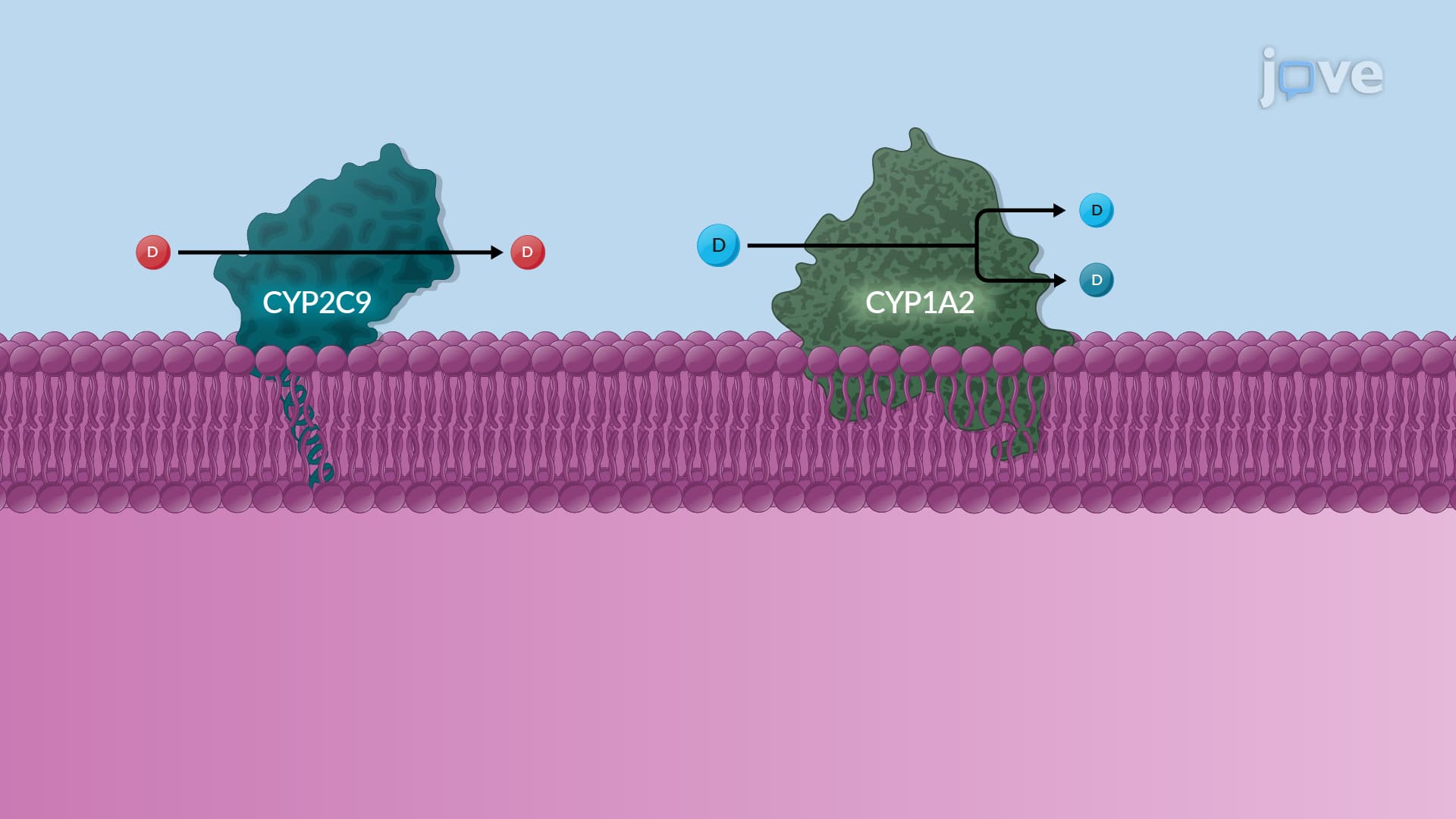
The star players in Phase I oxidative reactions are enzymes called mixed-function oxidases, primarily the cytochrome P450 (CYP450) enzyme family. These remarkable proteins earned their name because they use both molecular oxygen (O2) and NADPH as cofactors, one oxygen atom gets incorporated into the substrate while the other forms water. The CYP450 system includes over 50 different enzymes in humans, with CYP3A4, CYP2D6, and CYP2C9 being responsible for metabolizing approximately 75% of all prescription medications in the United States.
Phase I oxidative reactions target various carbon-containing systems within drug molecules. Aromatic carbons (like those in benzene rings) undergo hydroxylation, creating phenolic compounds. Aliphatic carbons in straight chains can be oxidized to alcohols, aldehydes, or carboxylic acids. Benzylic and allylic carbons, those adjacent to aromatic rings or double bonds respectively, are particularly susceptible to oxidation due to their enhanced reactivity.
Consider codeine, a commonly prescribed opioid analgesic. Through Phase I oxidative reactions, primarily via CYP2D6, codeine undergoes O-demethylation to form morphine, ironically, the active metabolite is actually more potent than the parent drug. This exemplifies how Phase I metabolites can exhibit increased pharmacological activity, which has significant clinical implications for pain management and explains why some patients respond differently to codeine therapy.
Understanding Phase I oxidative reactions is essential for students preparing for the MCAT, particularly in the biological and biochemical foundations section. These concepts frequently appear in AP Biology courses when studying enzyme kinetics and metabolic pathways. For nursing students taking the NCLEX or HESI A2, knowledge of drug metabolism helps explain why elderly patients often require lower doses (due to decreased liver function) and why certain drug interactions occur.
The concept also explains real-world phenomena like why grapefruit juice can dangerously interact with medications, compounds in grapefruit inhibit CYP3A4, leading to increased drug concentrations and potential toxicity. This interaction affects medications ranging from statins (cholesterol-lowering drugs) to immunosuppressants used in organ transplant patients.
Related Micro-courses