Loading video…


 15 Concepts
 8.8K views

Video Summary: What are Phase Ii Conjugation Reactions
Ever wonder why acetaminophen (Tylenol) doesn't accumulate in your body after repeated doses? Phase II conjugation reactions are the cellular cleanup crew that transforms drugs and toxins into water-soluble compounds your body can easily eliminate. These enzymatic processes attach polar molecules to substances, making them safer and more excretable-crucial for medications like acetaminophen, which relies on conjugation with glutathione to prevent liver toxicity. Watch the full video on JoVE Coach to master this concept with expert-led visuals and step-by-step explanations.
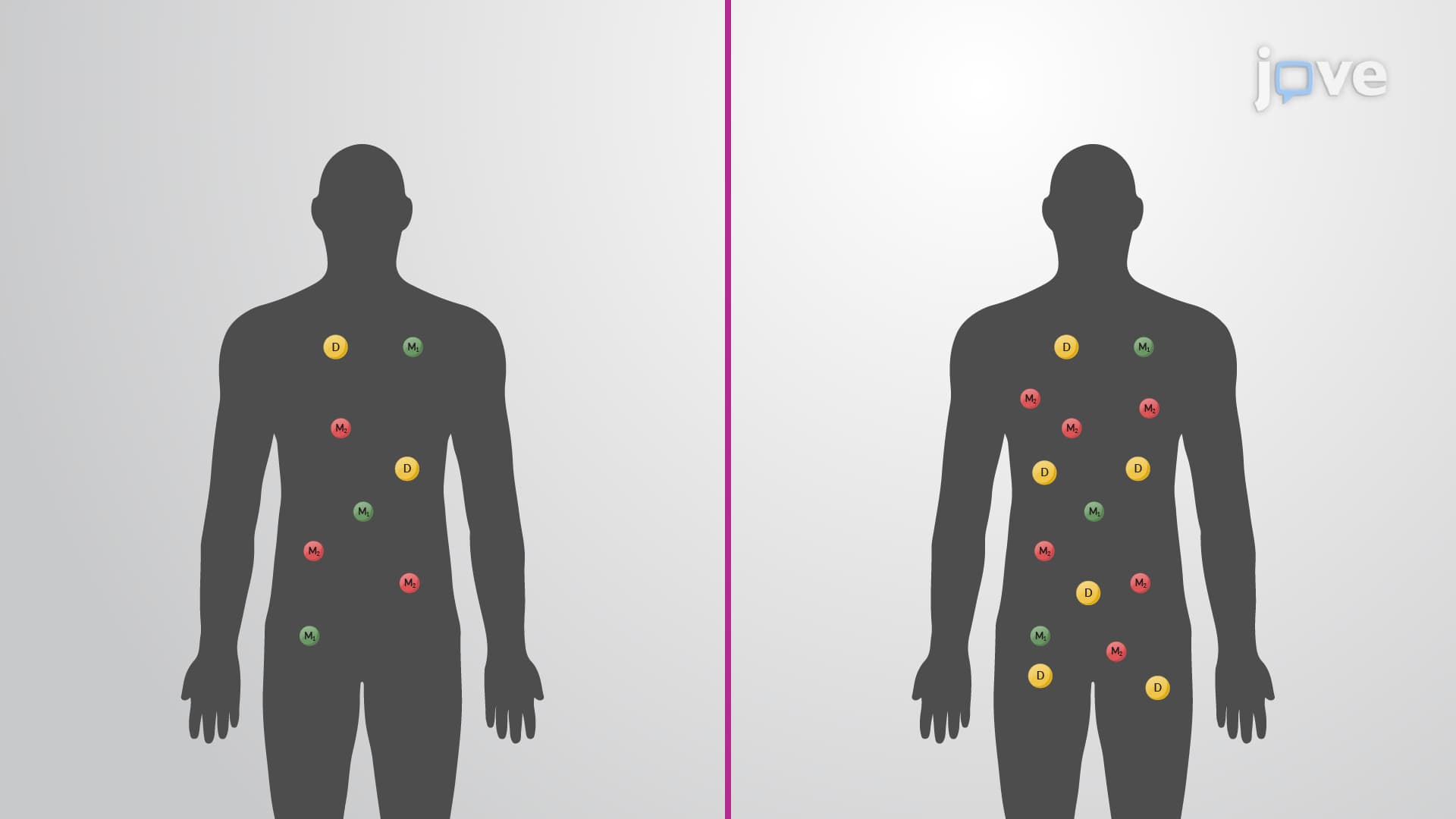
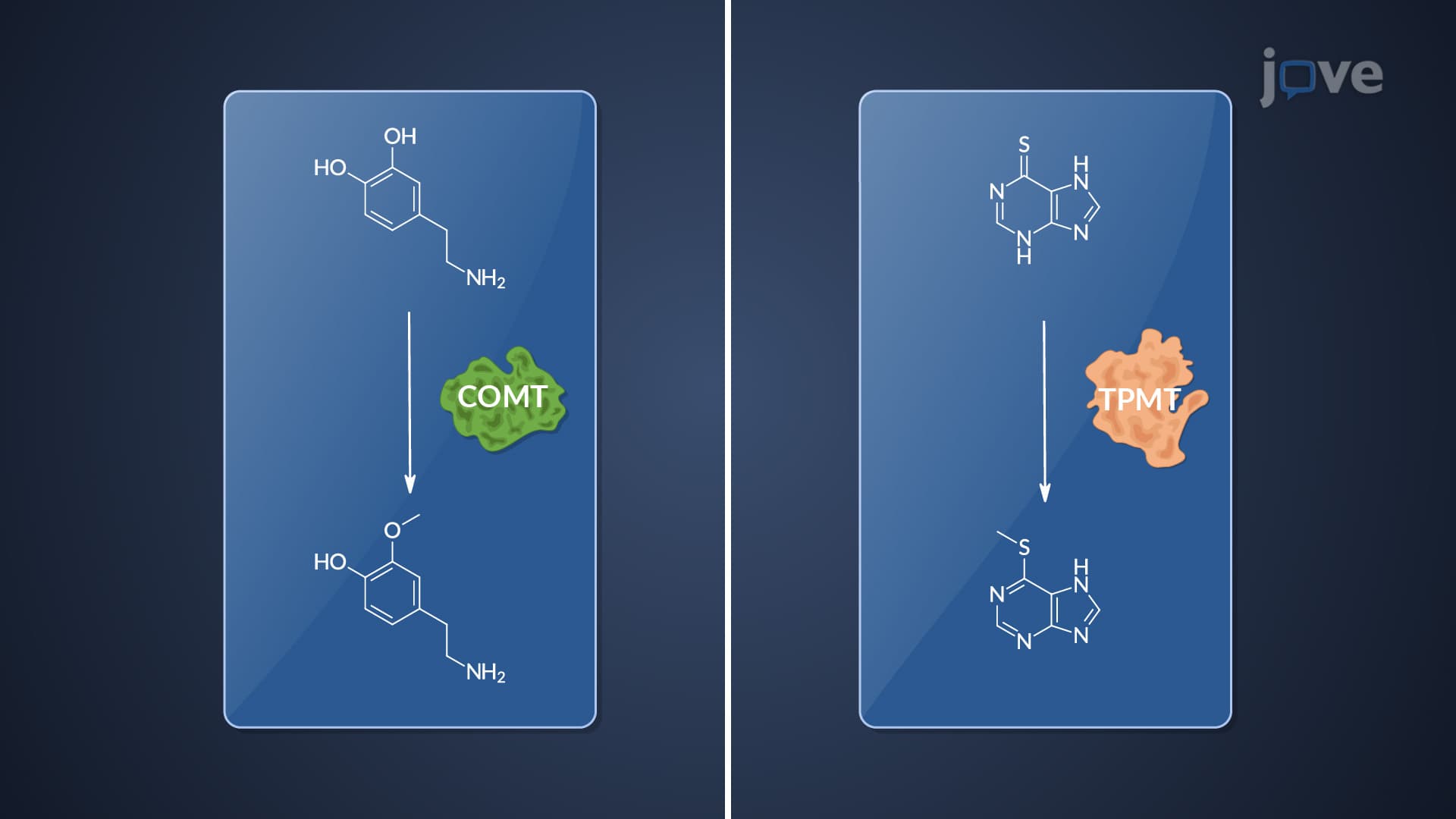
Phase II conjugation reactions represent the body's sophisticated detoxification system, where specialized enzymes called transferases catalyze the covalent attachment of polar, endogenous molecules to drugs, toxins, or their metabolites. Unlike Phase I reactions that often create reactive intermediates, conjugation reactions consistently produce more stable, water-soluble compounds that are easier to eliminate from the body.
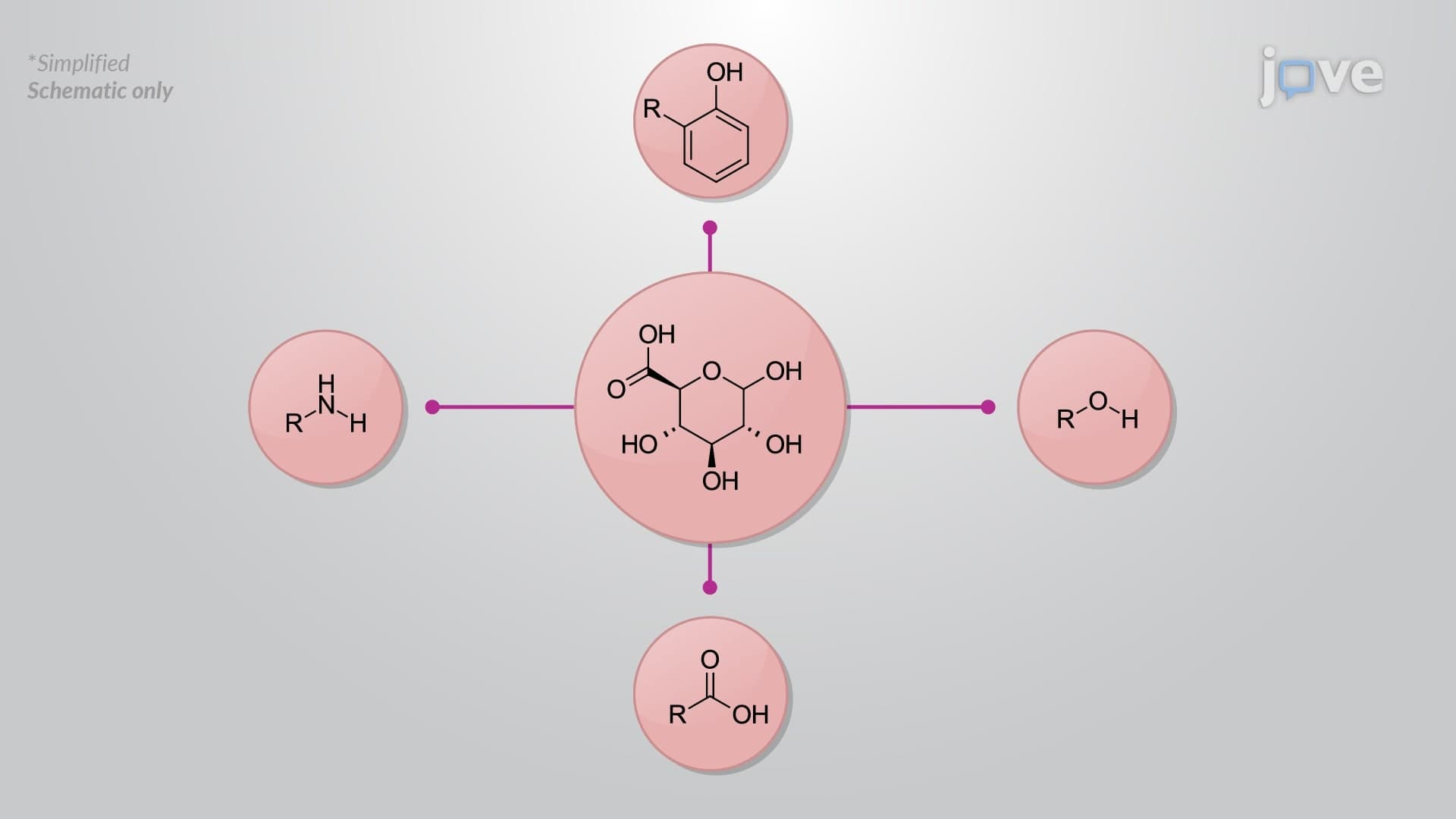
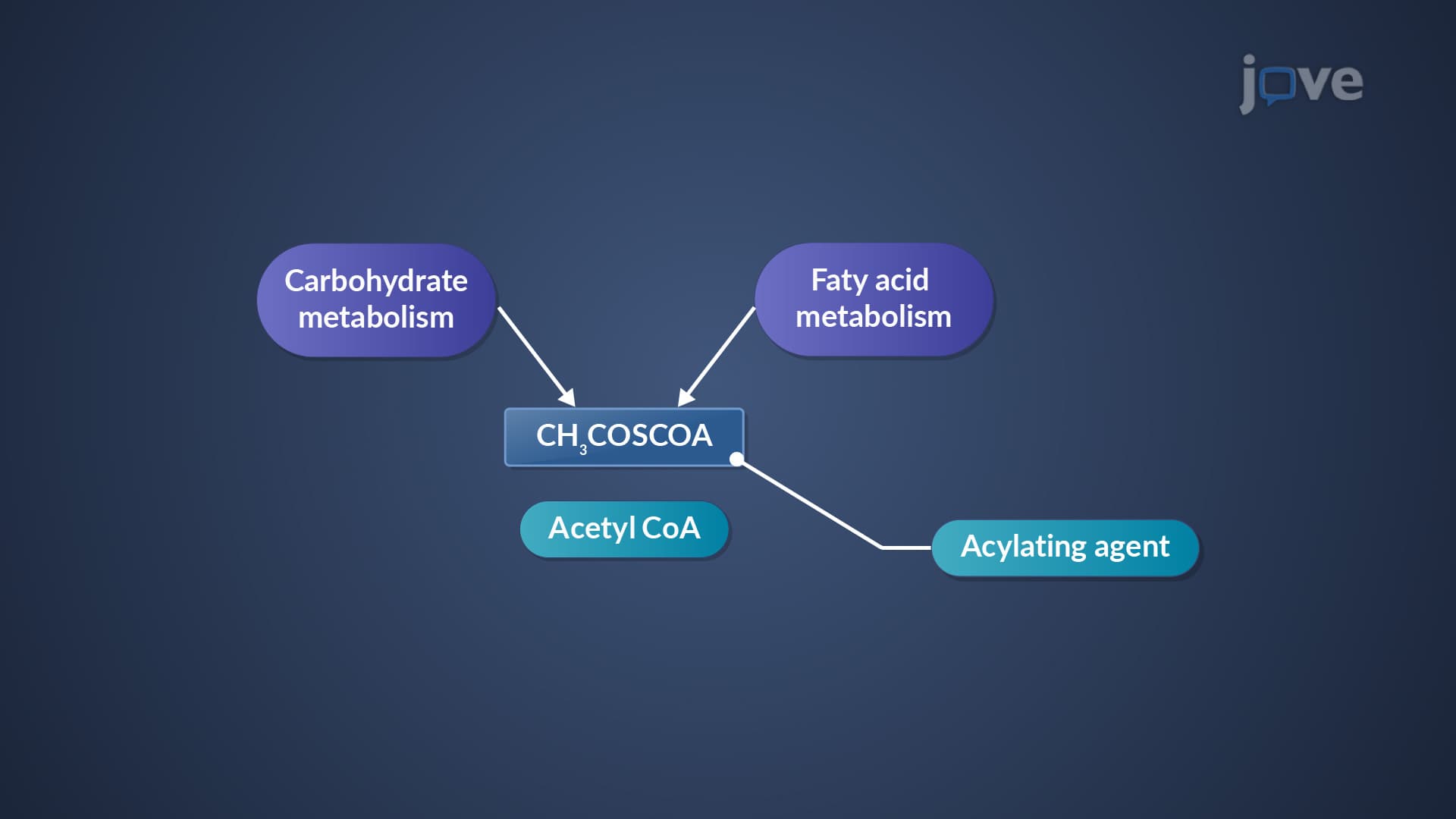
The conjugation process requires three critical elements: a substrate (drug or metabolite), a conjugating reagent (like glucuronic acid, sulfate, or glutathione), and a specific transferase enzyme. These reactions often involve an initial activation step where either the substrate or the conjugating reagent is energetically primed for the coupling reaction. For example, UDP-glucuronosyltransferase first activates glucuronic acid to UDP-glucuronic acid before transferring it to the target molecule.
Unlike Phase I reactions, conjugation reactions are capacity-limited, meaning they can become saturated when substrate concentrations exceed enzyme availability or when conjugating reagents are depleted. This limitation explains why acetaminophen overdoses are particularly dangerous-once glutathione stores are exhausted, the drug cannot be safely conjugated and instead forms toxic metabolites that damage liver cells. Medical students studying for the MCAT frequently encounter questions about this concept, particularly regarding dose-dependent toxicity patterns.
The molecular weight of conjugated products determines their excretion route. Smaller conjugates (typically under 300-400 Da) are eliminated through urine via kidney filtration, while larger conjugates are transported to the liver and excreted in bile. This size-based sorting system ensures efficient removal while preventing loss of essential small molecules. Understanding this concept is crucial for AP Biology students studying homeostasis and for pre-med students preparing for pharmacology courses, as it explains why some drugs require dose adjustments in patients with kidney or liver disease.
Related Micro-courses