Loading video…


 15 Concepts
 8.8K views

Video Summary: What Is Drug Biotransformation
Ever wonder how your body transforms prescription medications like Tylenol into harmless compounds that can be safely eliminated? Drug biotransformation is the fascinating process where your liver and other organs chemically modify drugs to either activate their therapeutic effects or prepare them for removal from your body. A prime example is how codeine gets converted into morphine, the actual pain-relieving compound. Understanding what is drug biotransformation reveals the complex chemical machinery that determines whether medications help or harm us. Watch the full video on JoVE Coach to master this concept with expert-led visuals and step-by-step explanations.
Drug biotransformation represents one of the most critical processes in pharmacology and toxicology. When you take any medication-from over-the-counter pain relievers to prescription antibiotics-your body immediately begins chemically modifying these foreign substances (xenobiotics) through sophisticated enzymatic pathways. This process determines not only how effective your medication will be, but also how long it remains active and whether it might cause harmful side effects.
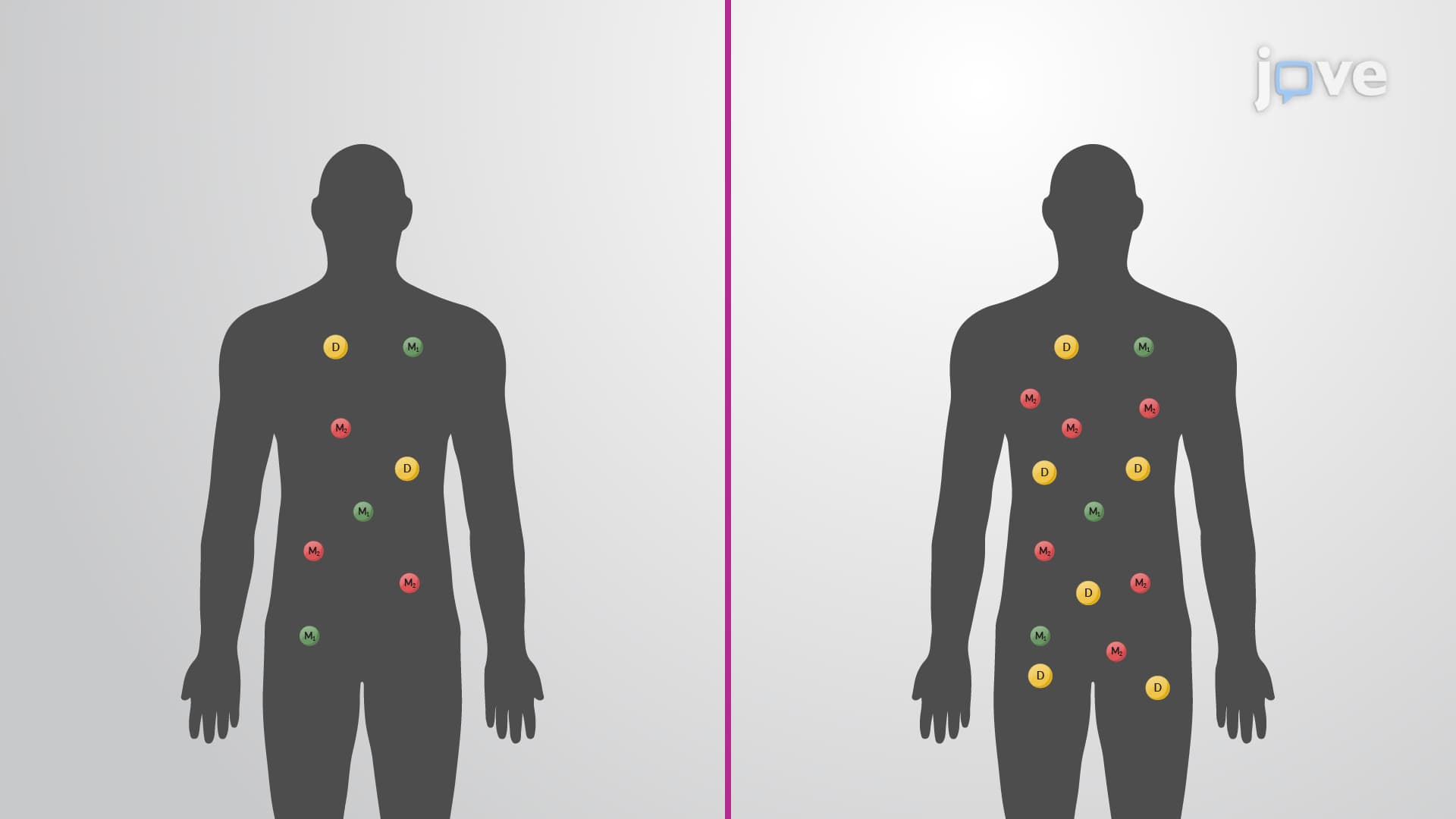
The primary goal of drug biotransformation is converting lipophilic (fat-loving) drug molecules into hydrophilic (water-loving) compounds that can be easily eliminated through urine or bile. Without this transformation, many drugs would accumulate in fatty tissues indefinitely, potentially reaching toxic levels.
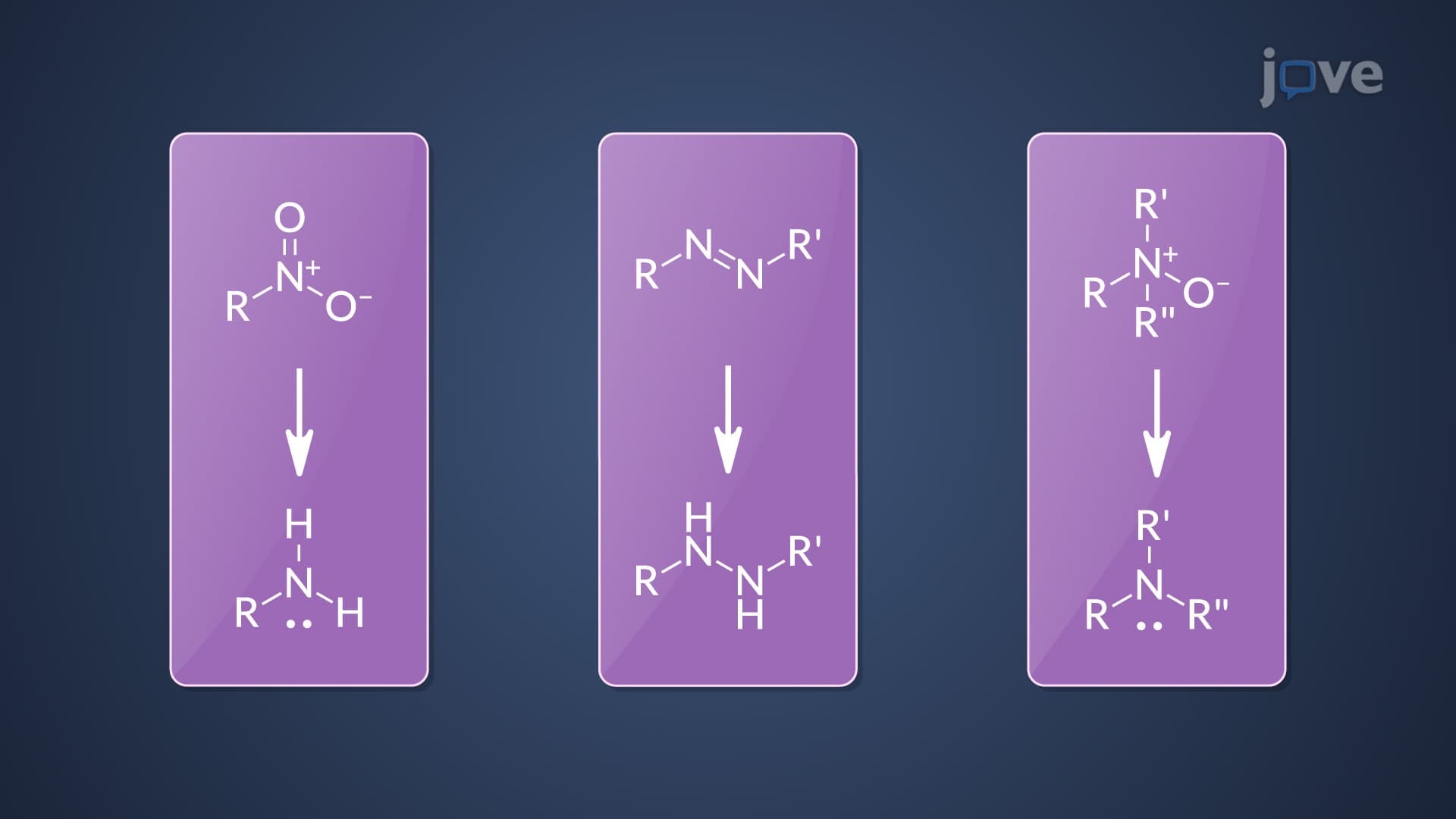
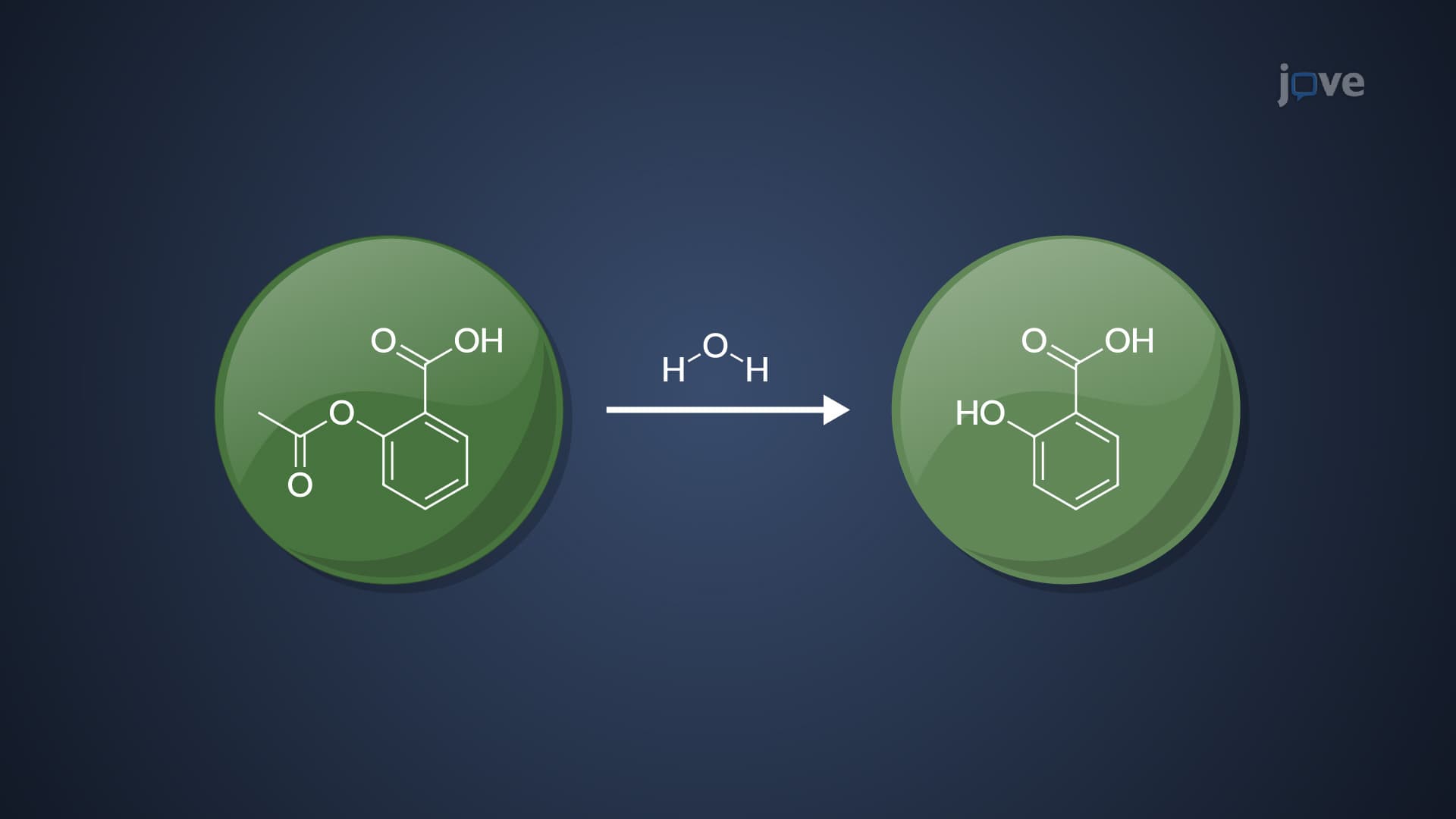
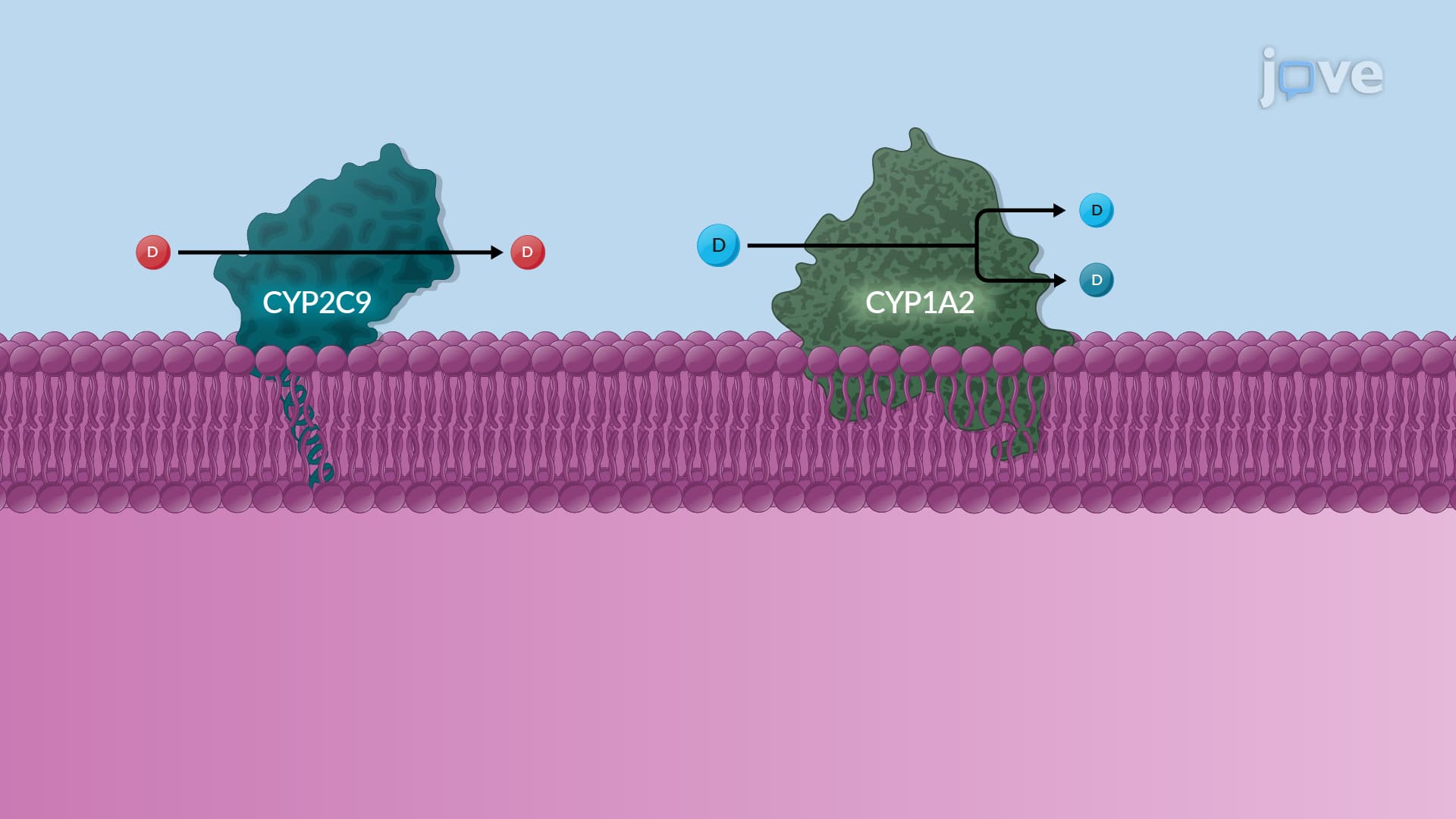
Drug biotransformation occurs through a well-organized two-phase system that maximizes both efficiency and safety. Phase I reactions, also called functionalization reactions, introduce or expose polar functional groups (-OH, -NH2, -SH) through oxidation, reduction, or hydrolysis. The cytochrome P450 enzyme family, particularly CYP3A4 and CYP2D6, dominates Phase I metabolism in liver microsomes. These enzymes can either activate pro-drugs (like codeine to morphine) or begin the inactivation process.
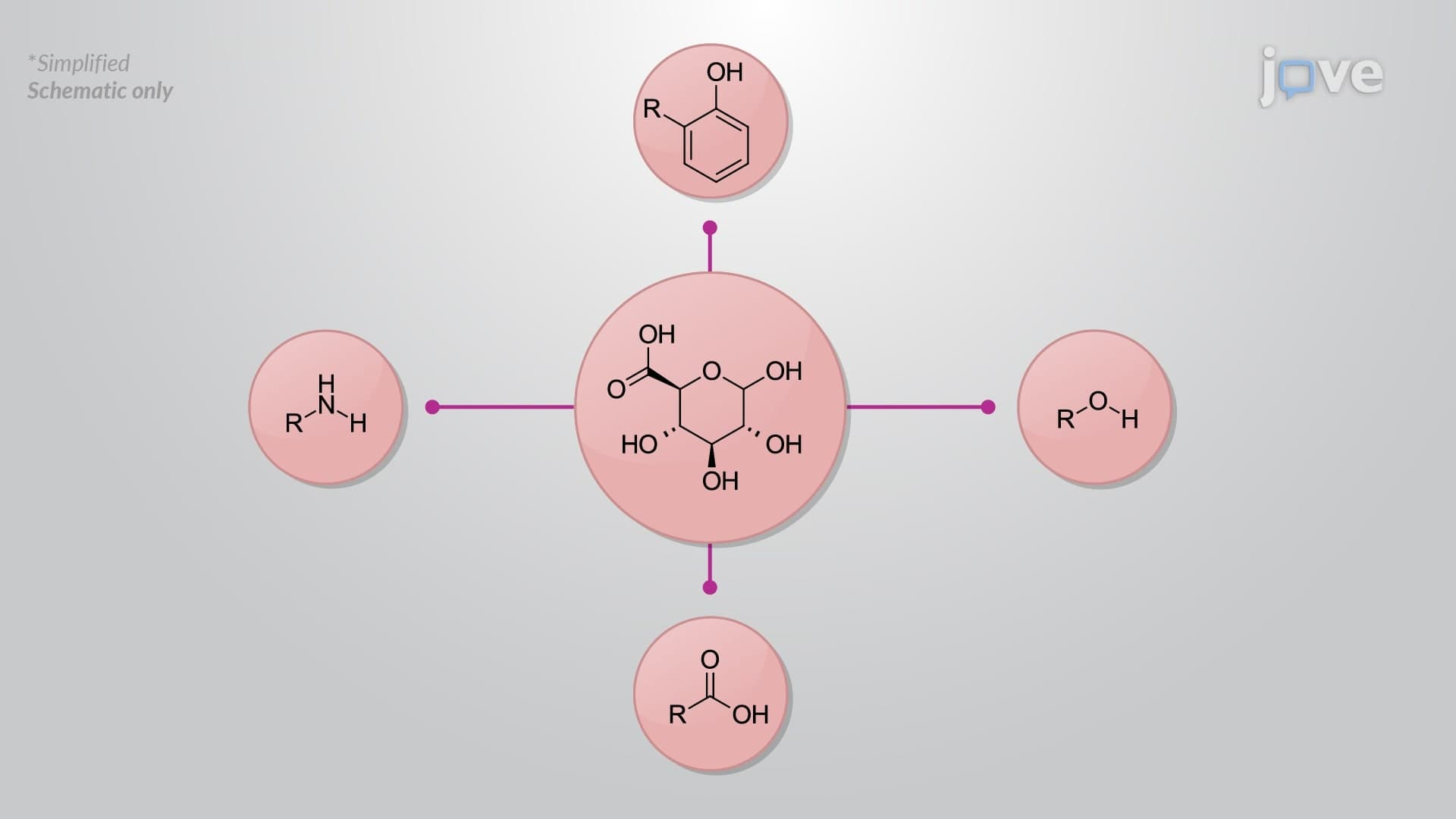
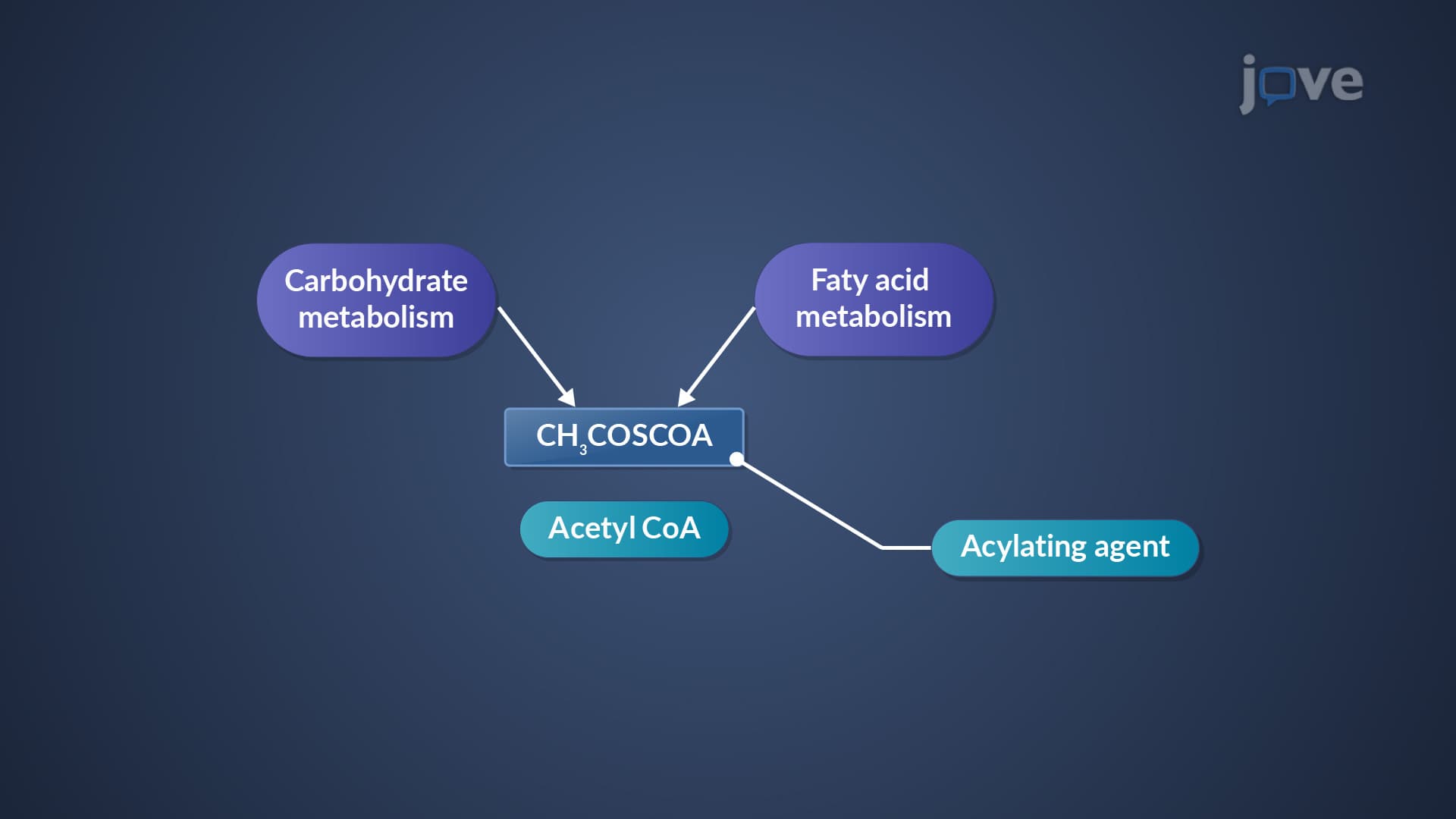
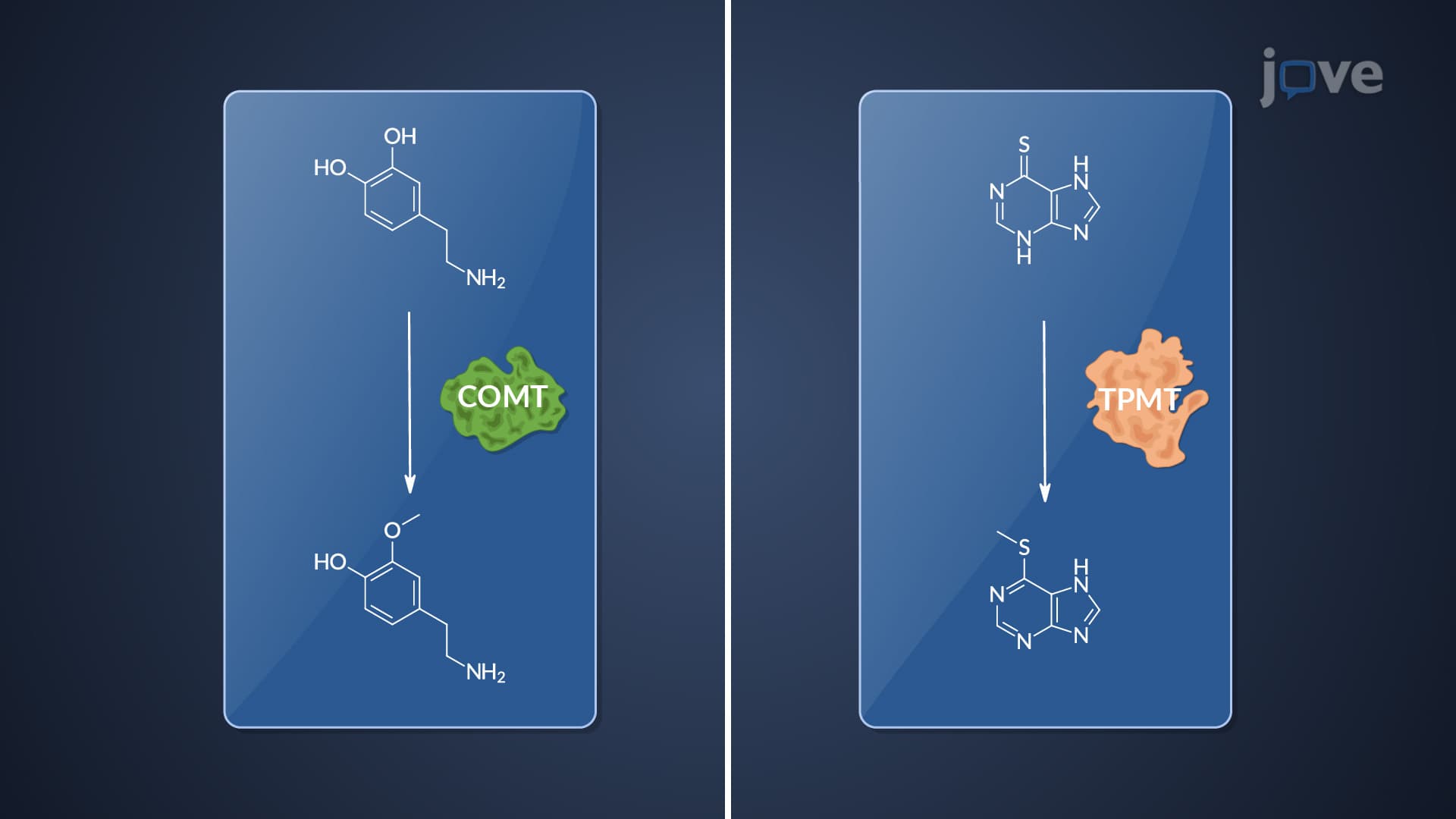
Phase II reactions, known as conjugation reactions, attach small polar molecules like glucuronic acid, sulfate, or glutathione to Phase I products. This conjugation dramatically increases water solubility, making elimination through kidneys much more efficient. For example, acetaminophen (Tylenol) undergoes Phase II glucuronidation and sulfation, creating metabolites that are safely excreted in urine.
While the liver handles approximately 90% of drug biotransformation, other organs contribute significantly. The lungs metabolize volatile anesthetics, kidneys process certain antibiotics, and intestinal enzymes can inactivate oral medications before they reach systemic circulation-a phenomenon called first-pass metabolism that affects drugs like nitroglycerin and morphine.
Understanding drug biotransformation is crucial for healthcare professionals and appears frequently on MCAT, NCLEX, and pharmacy school examinations. Genetic variations in cytochrome P450 enzymes explain why some patients metabolize medications like warfarin or codeine differently, requiring personalized dosing strategies that prevent adverse drug reactions.
Related Micro-courses