Loading subject page…


6,627 views


Video Summary: Drug Binding to Blood Components Explained
Ever wonder why aspirin stays in your system longer than you'd expect? Drug binding to blood components determines how medications circulate through your bloodstream and reach their targets. When you take common medications like warfarin (a blood thinner prescribed to millions of Americans), these drugs don't just float freely-they bind to specific proteins like albumin, affecting their potency and duration. Drug Binding To Blood Components Explained reveals the intricate molecular interactions that influence every prescription you take. Watch the full video on JoVE Coach to master this concept with expert-led visuals and step-by-step explanations.
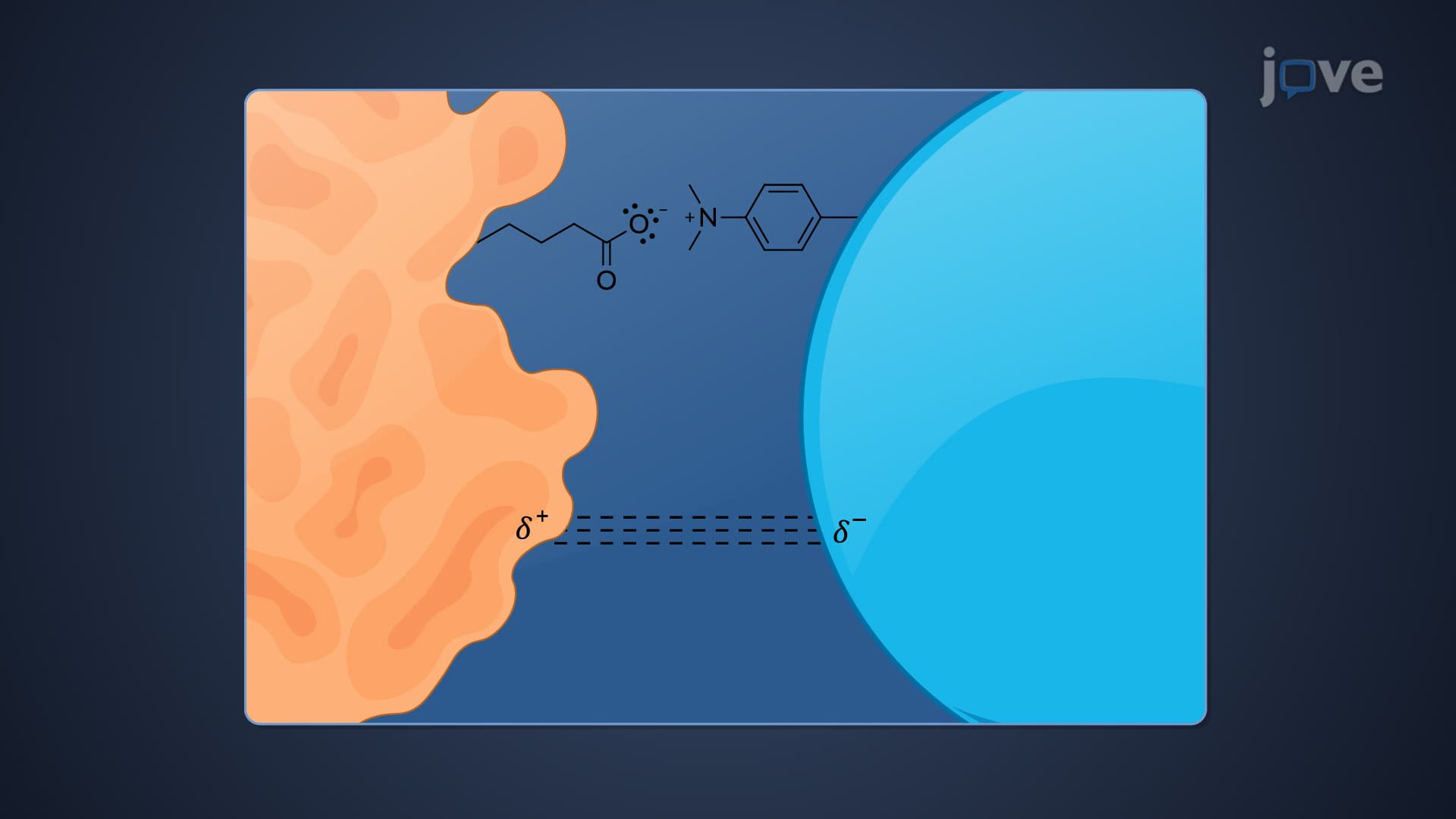
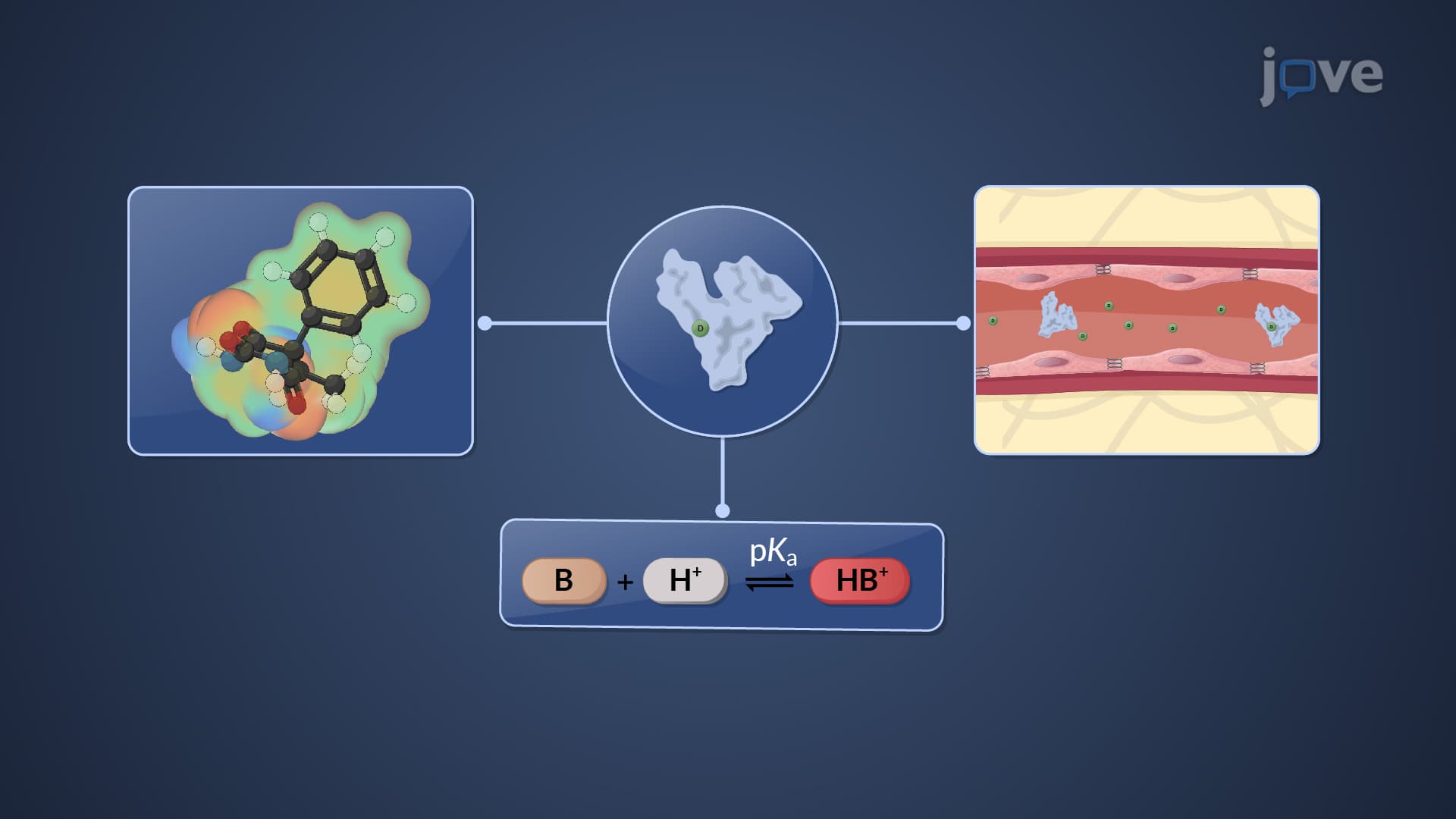
When medications enter your bloodstream, they don't simply dissolve and disappear. Instead, they engage in a complex molecular dance with various blood components, fundamentally altering their behavior, potency, and duration of action. This drug binding to blood components process is crucial for understanding pharmacokinetics-the study of how drugs move through your body.
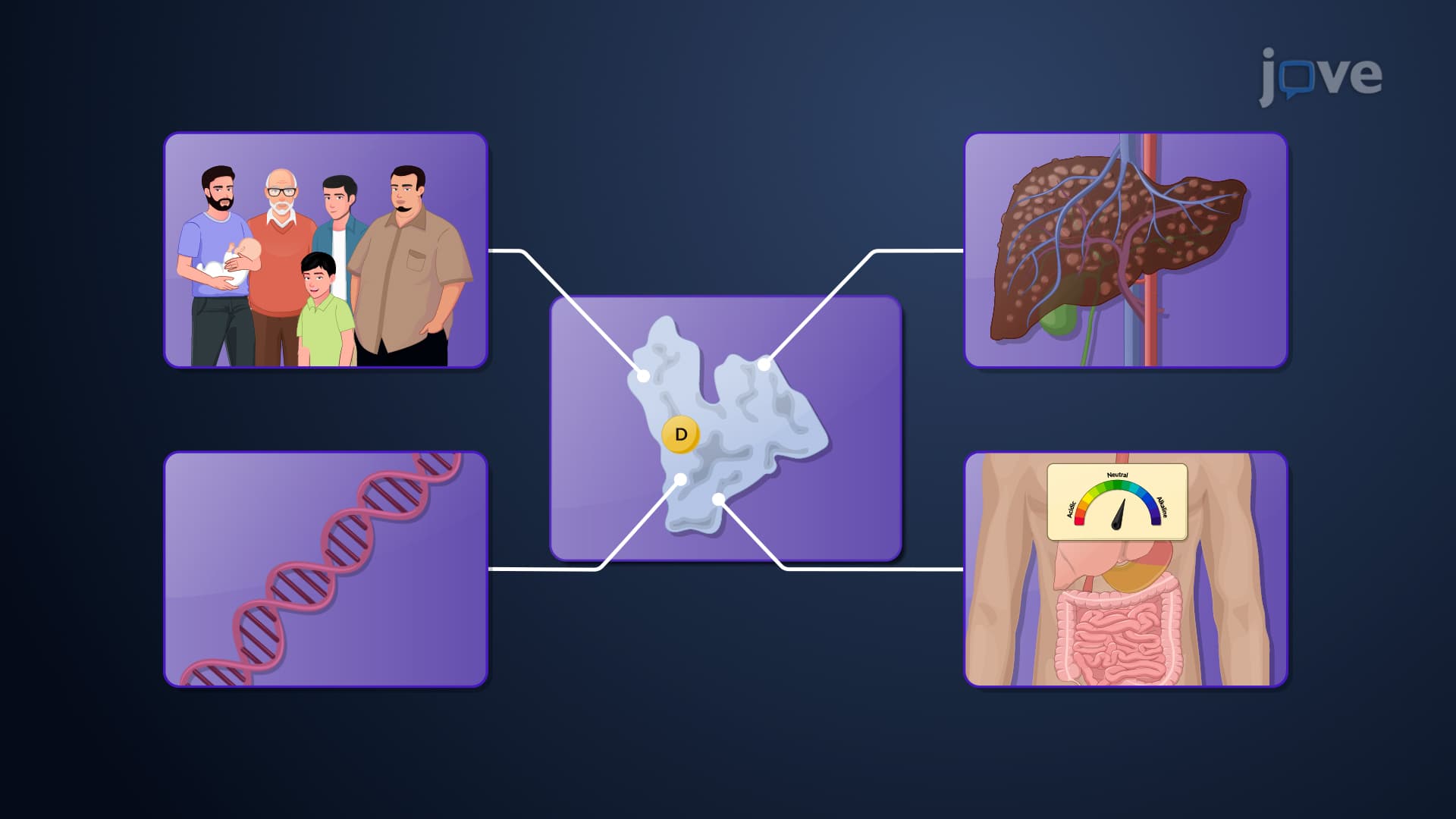
Human serum albumin (HSA) serves as the bloodstream's primary drug taxi service, representing about 60% of total plasma protein. This abundant protein contains multiple binding sites, each with distinct preferences. Site I demonstrates high affinity for anticoagulants like warfarin (commonly prescribed as Coumadin in US hospitals), anti-inflammatory drugs including certain NSAIDs, and antiepileptic medications like sodium valproate. Site II preferentially binds benzodiazepines such as diazepam, ibuprofen (America's most popular over-the-counter pain reliever), and antibiotics like cloxacillin.
Understanding these binding sites proves essential for MCAT preparation and advanced pharmacology courses, as drug competition for binding sites can lead to clinically significant interactions. For instance, when patients take multiple medications that compete for the same albumin binding site, free drug concentrations can increase unexpectedly, potentially causing adverse effects.
Alpha-1-acid glycoprotein (AAG) represents another crucial binding partner, particularly for basic drugs. This protein shows strong affinity for cardiovascular medications like propranolol (a beta-blocker), local anesthetics such as lidocaine, and antidepressants including imipramine. AAG levels can vary significantly during illness, making this binding relationship clinically relevant for hospitalized patients.
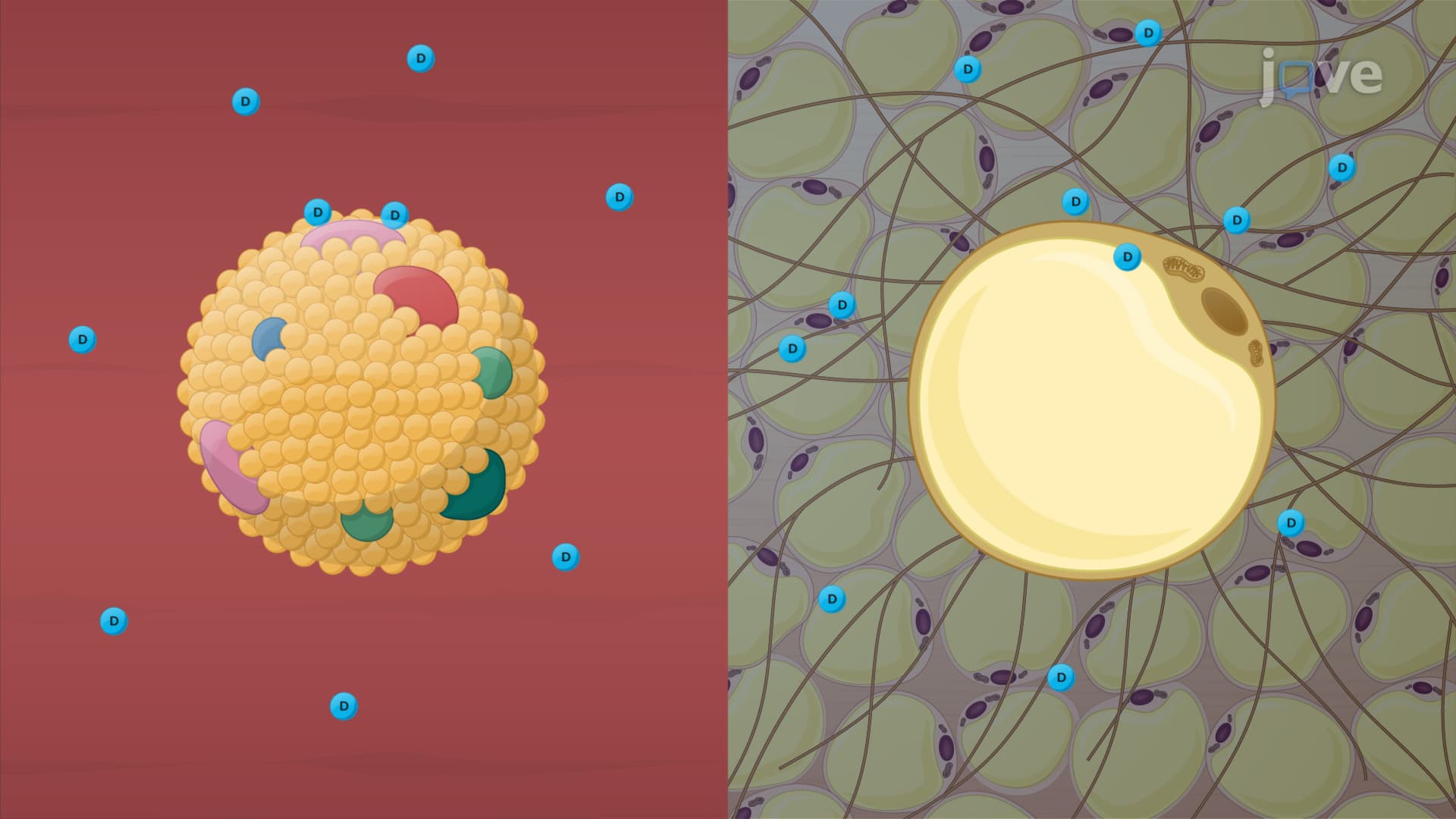
Lipoproteins serve as specialized carriers for highly lipophilic drugs. Medications like cyclosporine (an immunosuppressant used in organ transplant patients across US medical centers) and amiodarone (a cardiac antiarrhythmic) demonstrate strong lipoprotein binding. This interaction directly correlates with the drug's lipid solubility, creating predictable binding patterns that pharmacy students study extensively.
Red blood cells offer additional binding opportunities through multiple mechanisms. Hemoglobin can bind specific drugs like phenytoin (an antiepileptic medication), while carbonic anhydrase serves as a binding site for acetazolamide (used to treat glaucoma and altitude sickness). The RBC membrane itself can sequester lipophilic drugs such as imipramine, creating a reservoir effect that influences drug elimination patterns.
These binding interactions carry profound clinical implications. Bound drugs remain pharmacologically inactive, while only free drug concentrations produce therapeutic effects. This principle appears frequently on USMLE Step 1 examinations and forms a cornerstone of clinical pharmacology courses in US medical schools.
Related Micro-courses