Loading video…


 14 Concepts
 6.6K views

Video Summary: Factors Affecting Drug Distribution Miscellaneous Factors Explained
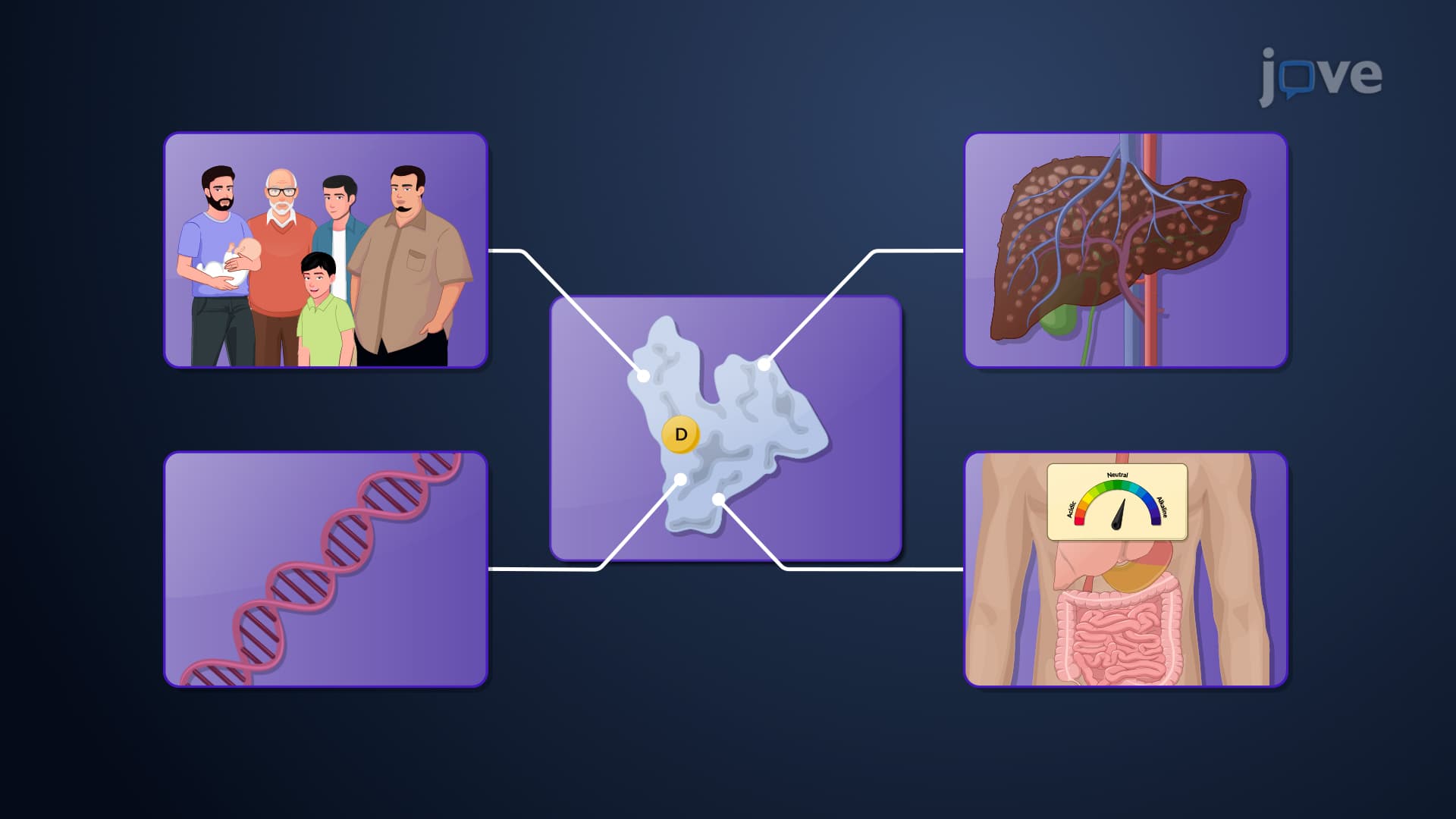
Why do elderly patients often need lower medication doses than younger adults? The factors affecting drug distribution miscellaneous factors explained reveal surprising ways our bodies handle medications differently based on age, pregnancy, obesity, diet, and disease. For instance, when treating meningitis at Johns Hopkins Hospital, doctors can use polar antibiotics that normally can't cross the blood-brain barrier because inflammation increases its permeability. Watch the full video on JoVE Coach to master this concept with expert-led visuals and step-by-step explanations.
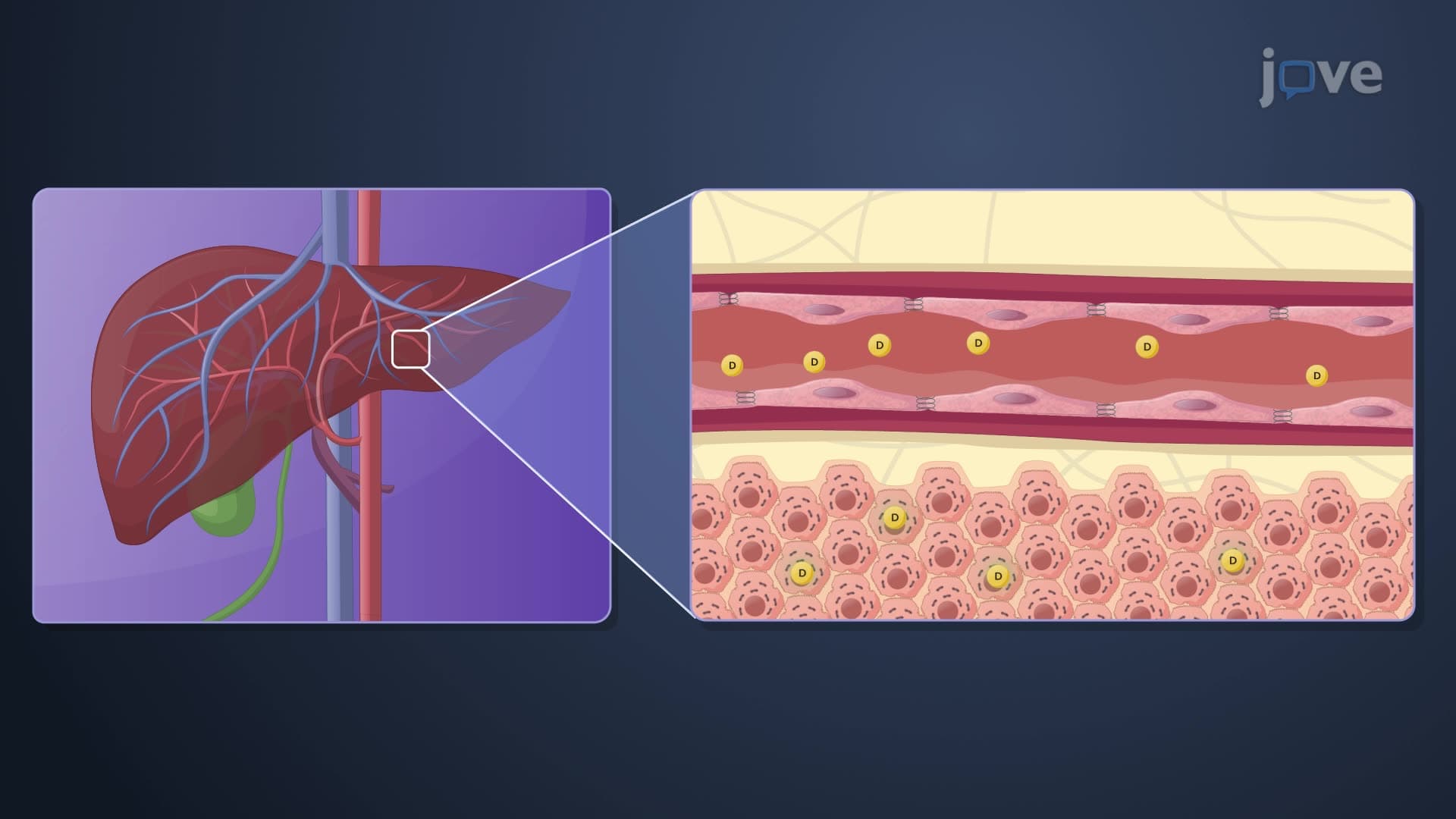
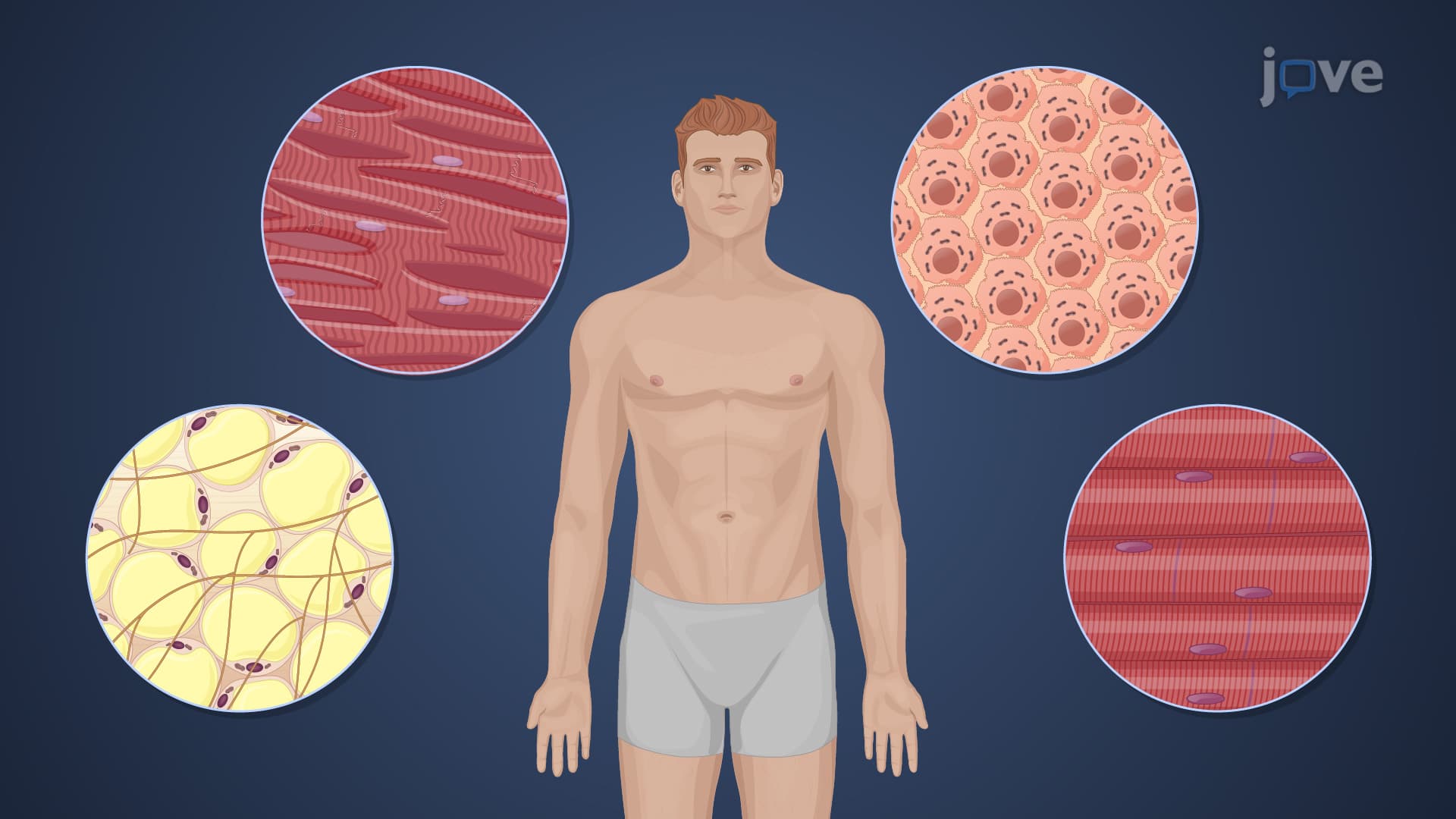
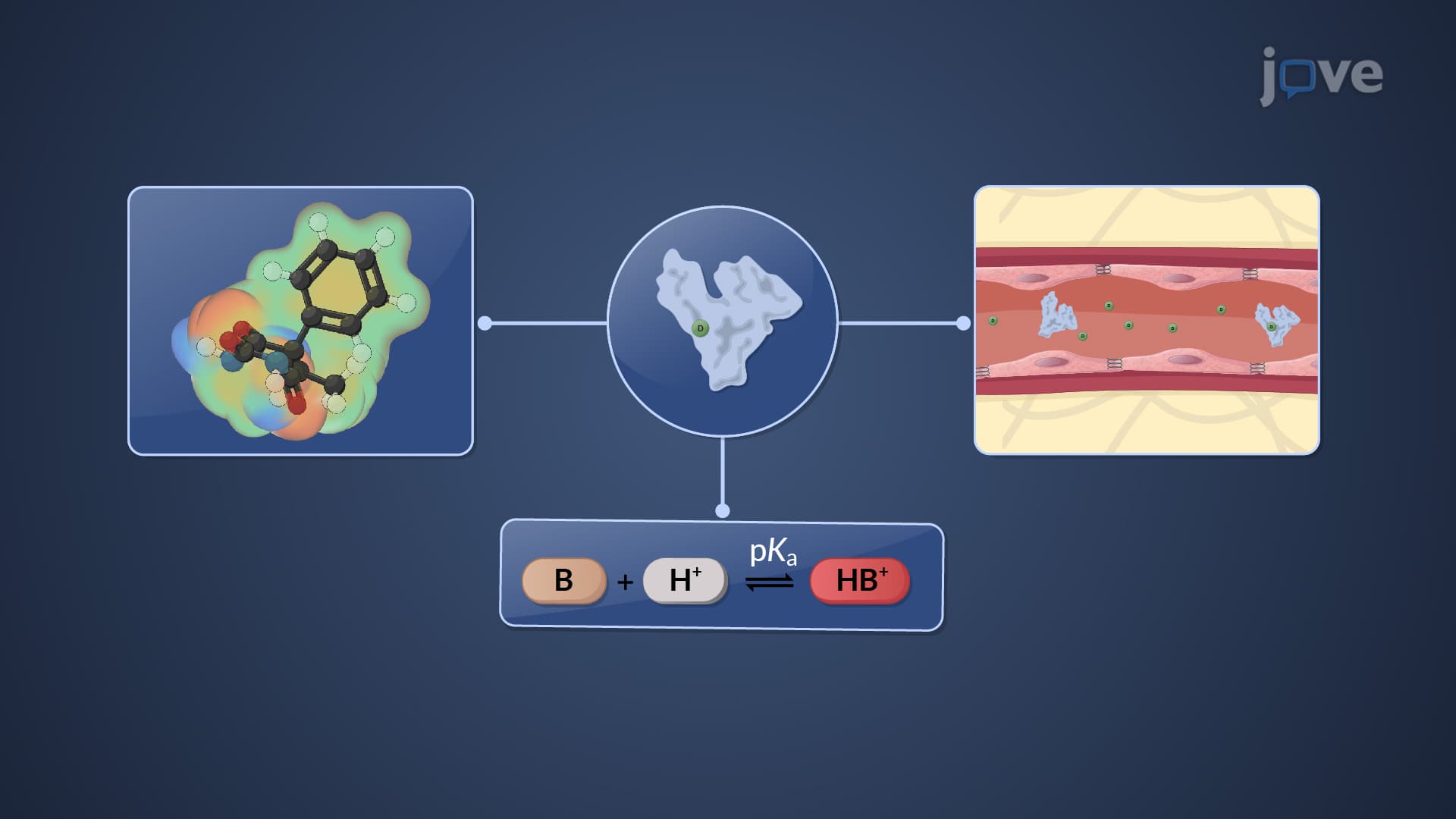
Drug distribution represents a critical pharmacokinetic process determining how medications reach their target tissues throughout the body. Beyond the primary factors of blood flow and tissue binding, several miscellaneous factors significantly influence this process, directly impacting therapeutic outcomes in clinical practice.
Aging profoundly alters drug distribution characteristics through multiple physiological changes. Elderly patients typically exhibit decreased total body water (from 60% to 50% of body weight) and reduced serum albumin levels, leading to higher free drug concentrations. This explains why geriatric patients at facilities like Mayo Clinic often require dose adjustments for medications like digoxin and warfarin. The decreased muscle mass and increased body fat percentage in older adults also affects the volume of distribution for both hydrophilic and lipophilic drugs, making age a crucial consideration for MCAT pharmacology questions.
During pregnancy, significant physiological adaptations affect drug distribution. The expanding uterus and developing placenta create additional distribution spaces, while plasma volume increases by up to 50%, diluting albumin concentrations. These changes are particularly relevant for medications like anticonvulsants, where therapeutic drug monitoring becomes essential at centers like Cleveland Clinic's maternal-fetal medicine programs.
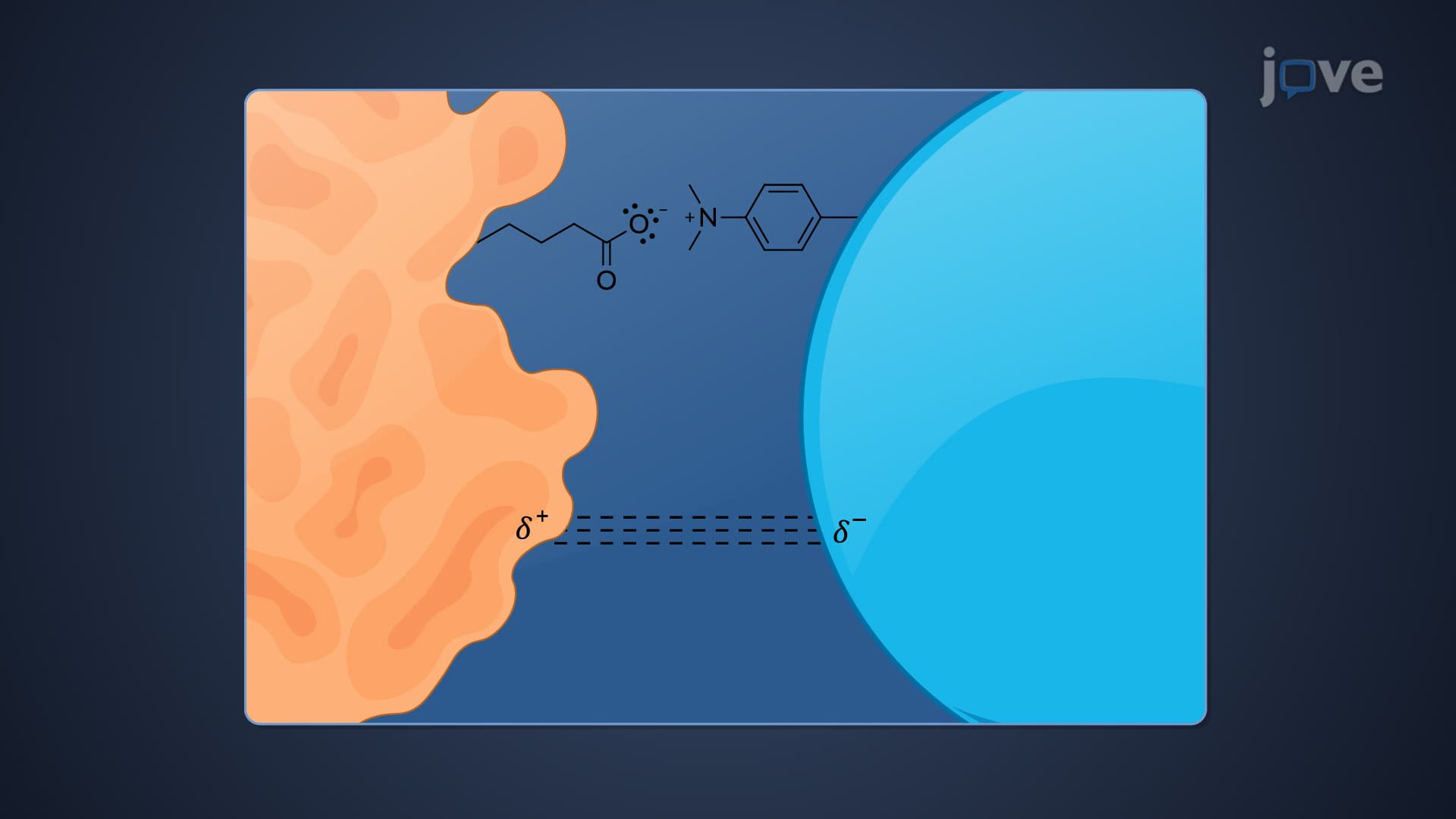
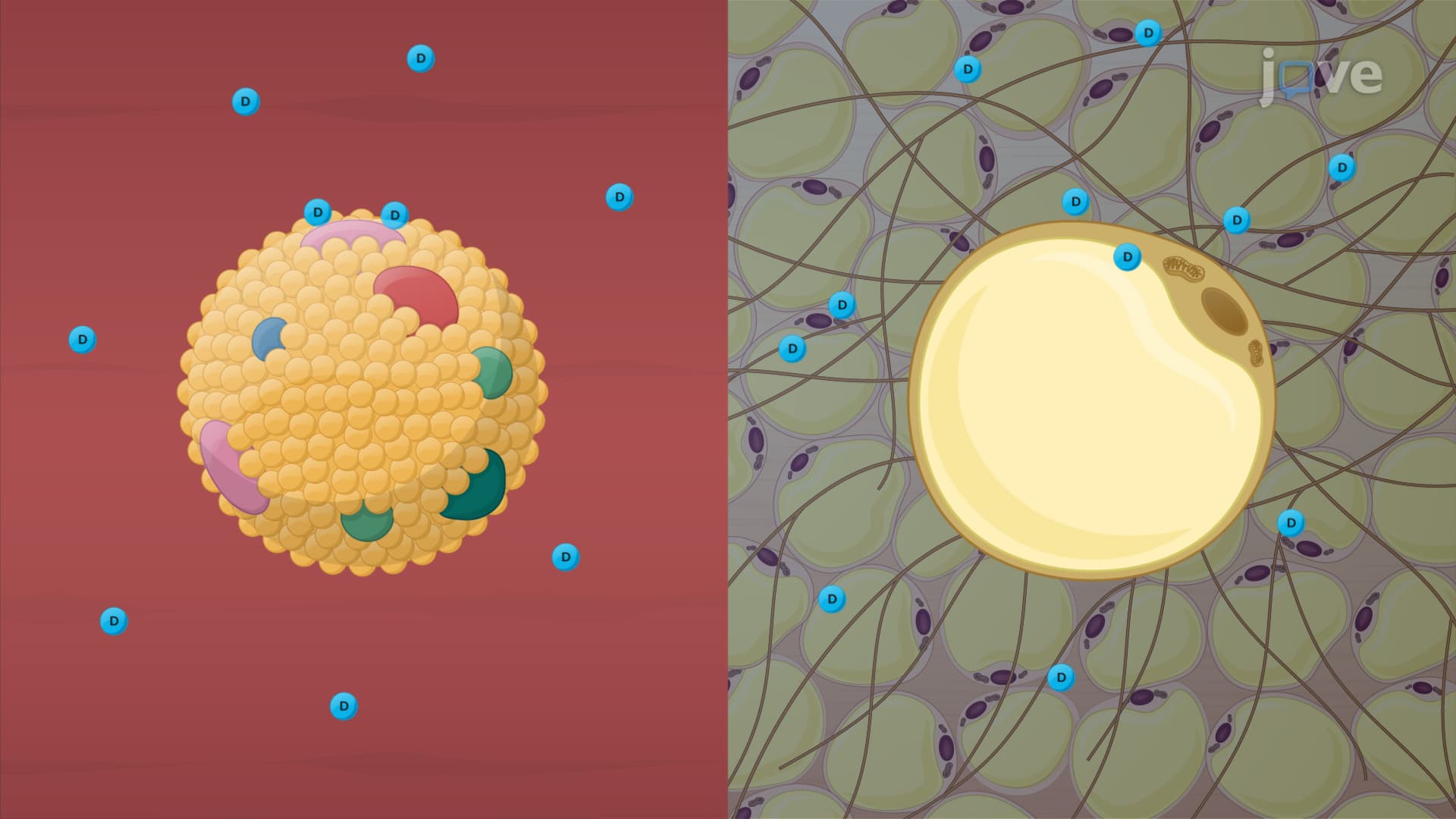
Obesity presents unique challenges for drug distribution. The excess adipose tissue in obese individuals can sequester large amounts of lipophilic drugs like propofol and benzodiazepines, despite the relatively poor blood perfusion of fat tissue. Additionally, elevated free fatty acid levels compete with acidic drugs for albumin binding sites, potentially increasing active drug concentrations.
Dietary factors, particularly fat intake, modulate drug distribution by altering plasma free fatty acid levels. High-fat meals can displace acidic drugs from albumin binding sites, affecting medications like phenytoin and valproic acid. This interaction is frequently tested on pharmacy school exams and NAPLEX preparations.
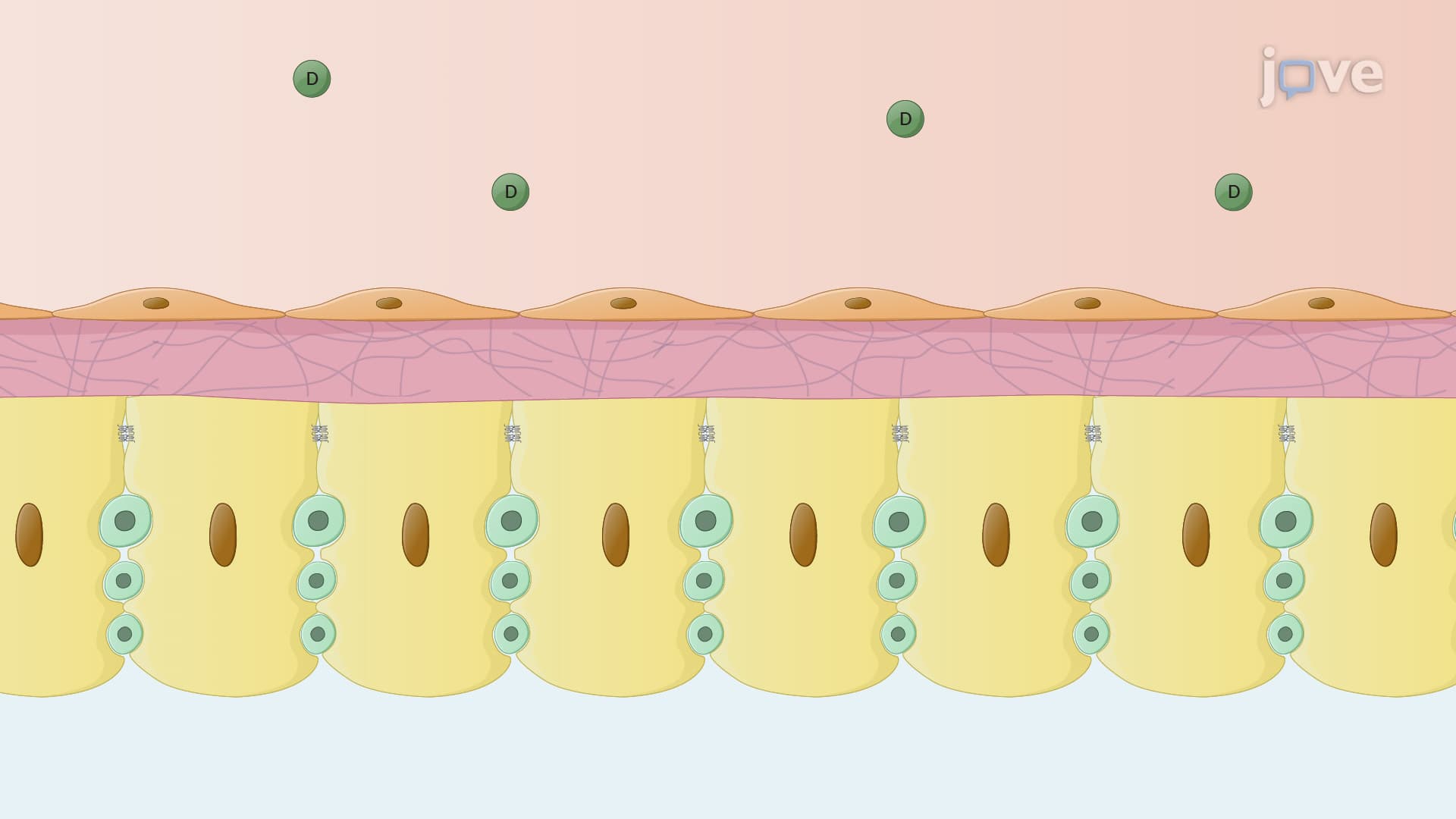
Disease states dramatically alter distribution patterns. In neurological infections like meningitis, the normally restrictive blood-brain barrier becomes more permeable, allowing polar antibiotics such as penicillin to penetrate the central nervous system effectively. This concept appears regularly in USMLE Step 1 questions and nursing pharmacology courses, emphasizing the importance of understanding pathophysiological changes in drug therapy.
Related Micro-courses