Loading video…


 14 Concepts
 6.6K views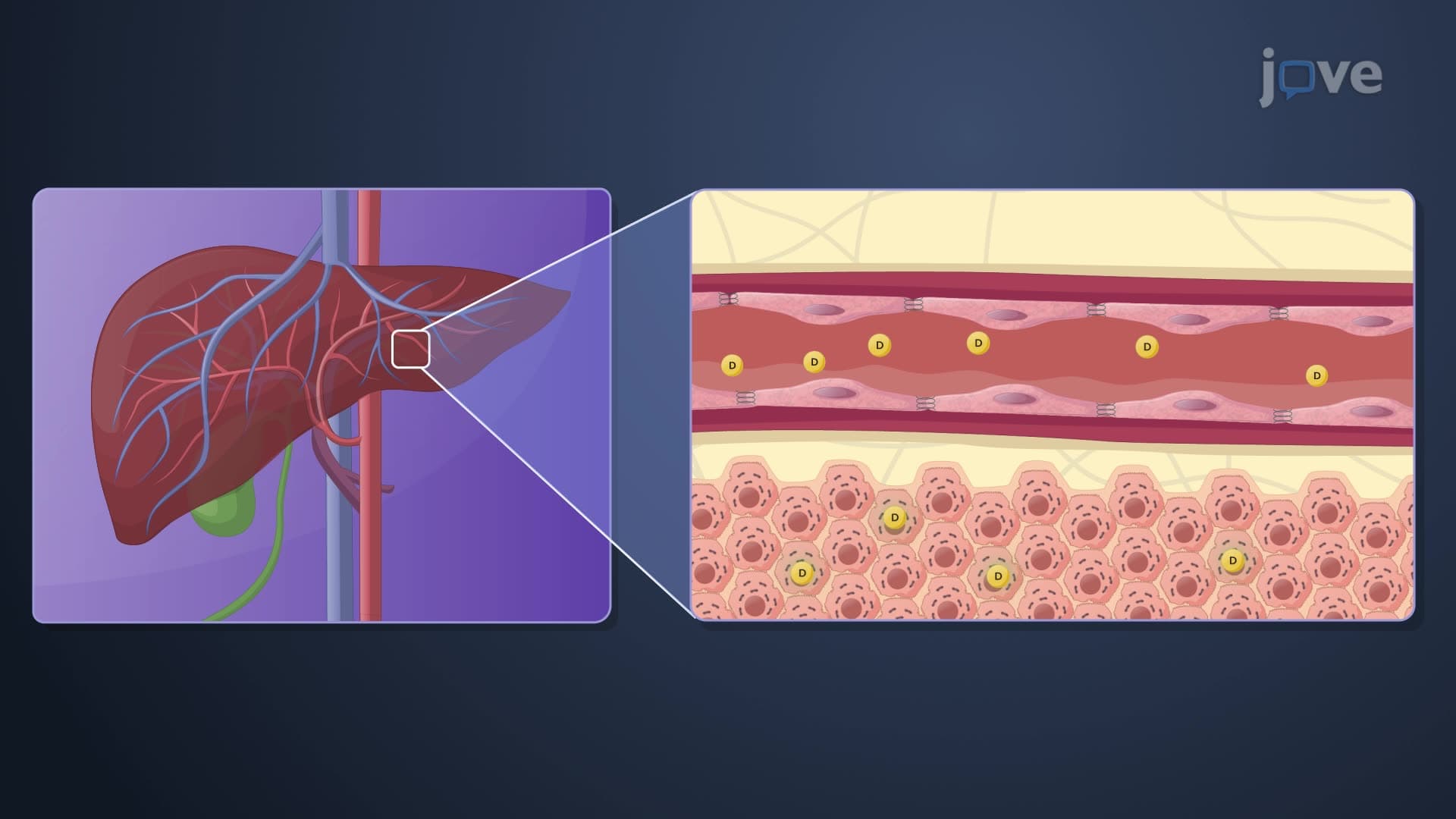

Video Summary: Factors Affecting Drug Distribution Organ Explained
Ever wonder why anesthesia works so quickly during surgery but then wears off just as fast? The factors affecting drug distribution determine how medications like thiopental travel through your body, rapidly reaching the brain for immediate anesthesia before redistributing to fat tissue. In the US, understanding these distribution patterns is crucial for medical professionals administering everything from surgical anesthetics to pain medications. The factors affecting drug distribution organ explained concept reveals how blood flow, tissue size, and drug properties work together to control where medicines go in your body. Watch the full video on JoVE Coach to master this concept with expert-led visuals and step-by-step explanations.
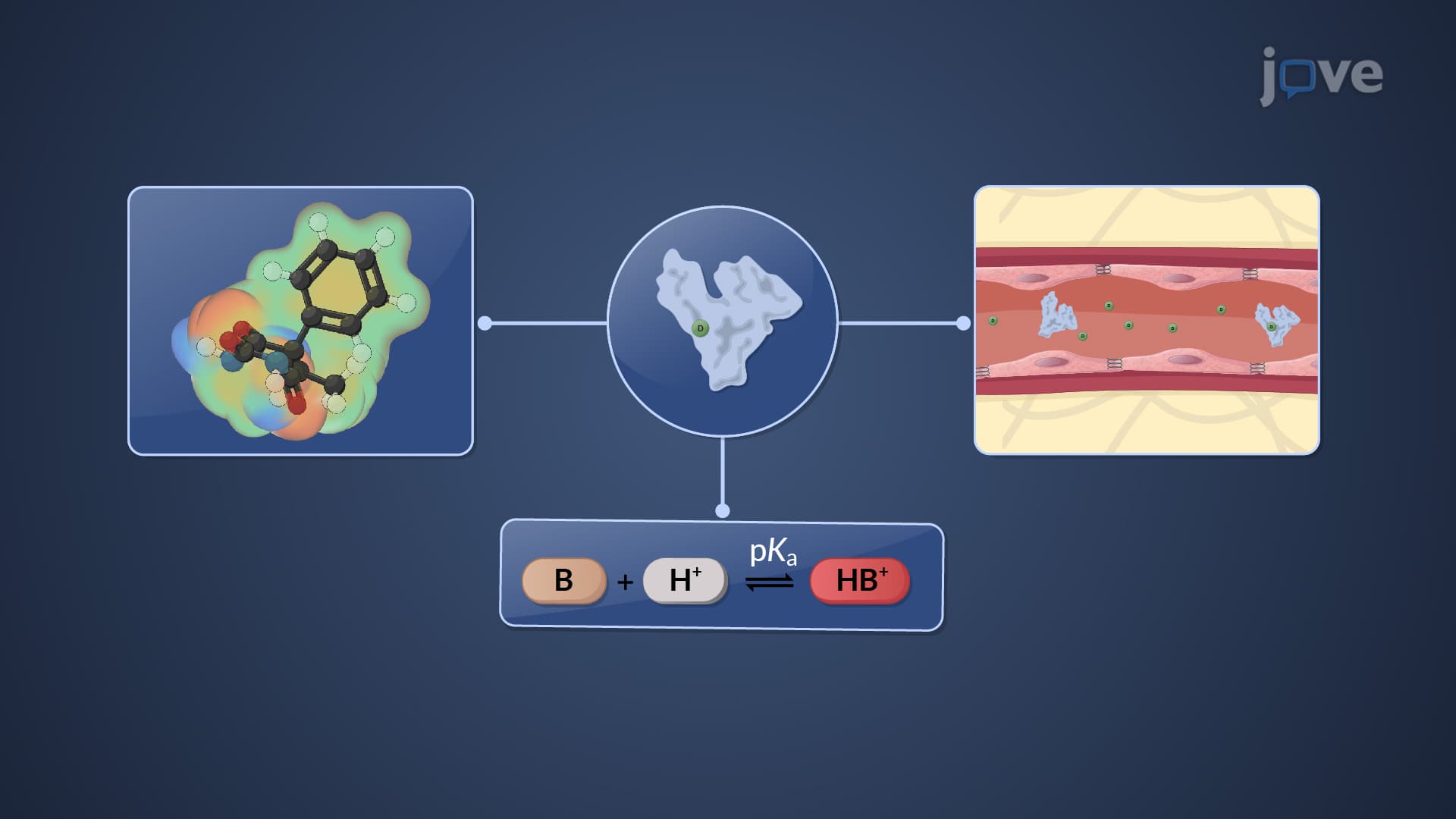
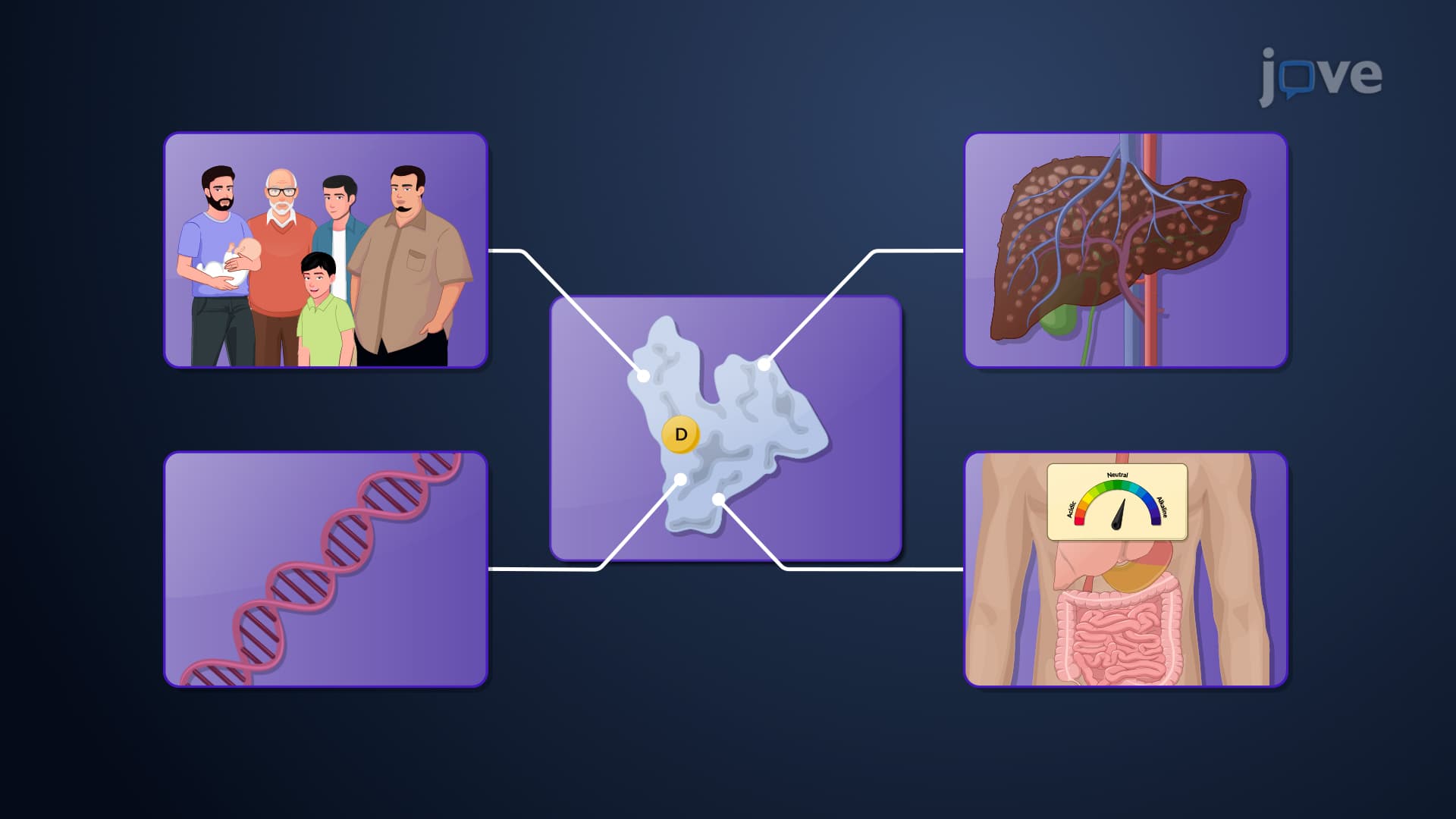
The factors affecting drug distribution organ explained concept forms the foundation of pharmacokinetics, determining how medications reach their target sites and how long they remain active. This process involves three critical variables: blood flow to tissues, membrane permeability, and the drug's chemical properties. For high school students taking AP Biology or college undergraduates in pharmacology courses, mastering these principles explains why some medications work instantly while others take hours to show effects.
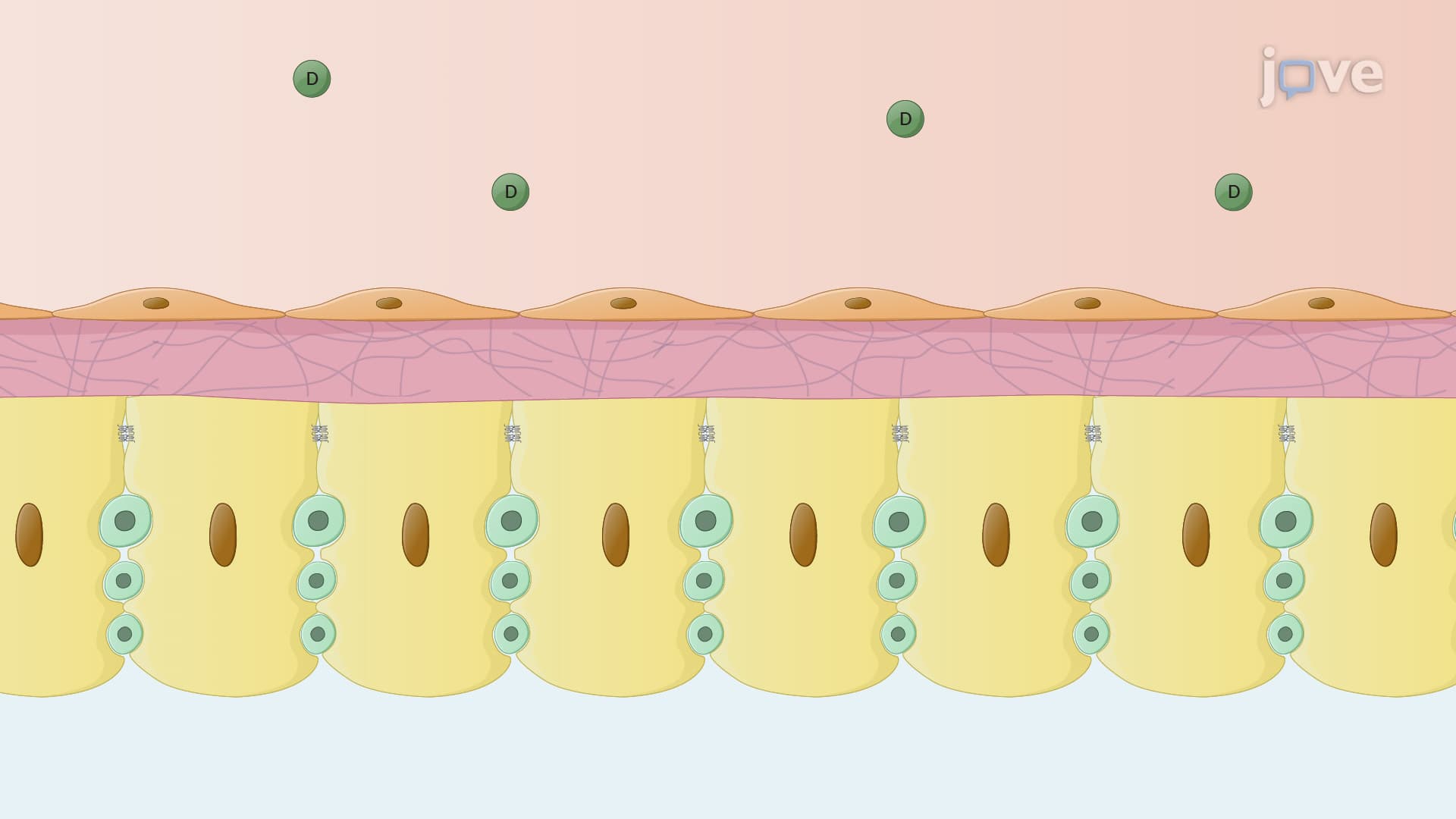
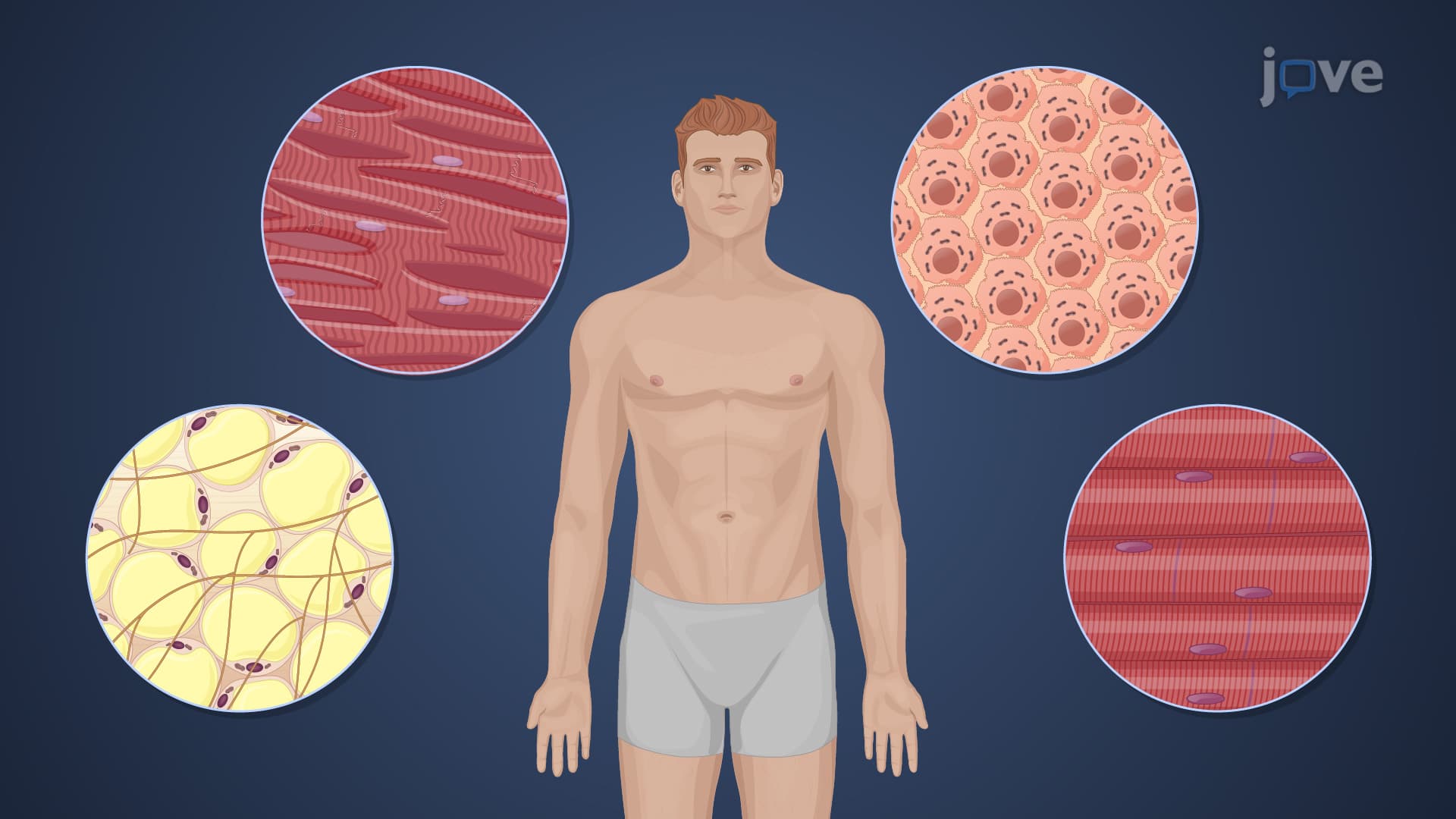
When drugs are highly lipophilic (fat-loving) and can easily cross cell membranes, their distribution becomes perfusion rate-limited. This means blood flow becomes the controlling factor, not the drug's ability to cross membranes. Highly perfused organs like the brain, heart, kidneys, and liver receive 70% of cardiac output despite representing only 10% of body weight. This explains why intravenous medications like propofol used in US hospitals can induce anesthesia within 30-40 seconds - the drug rapidly reaches the brain through high blood flow.
The extent of drug distribution depends on two factors: tissue size and the tissue-blood partition coefficient. This coefficient represents how much drug dissolves in tissue compared to blood. Thiopental, a barbiturate anesthetic used in US medical procedures, demonstrates this perfectly. Its high partition coefficient for brain tissue (3.0) versus blood means it concentrates in neural tissue, causing rapid unconsciousness. However, its even higher partition coefficient for adipose tissue (11.0) eventually draws the drug away from the brain.
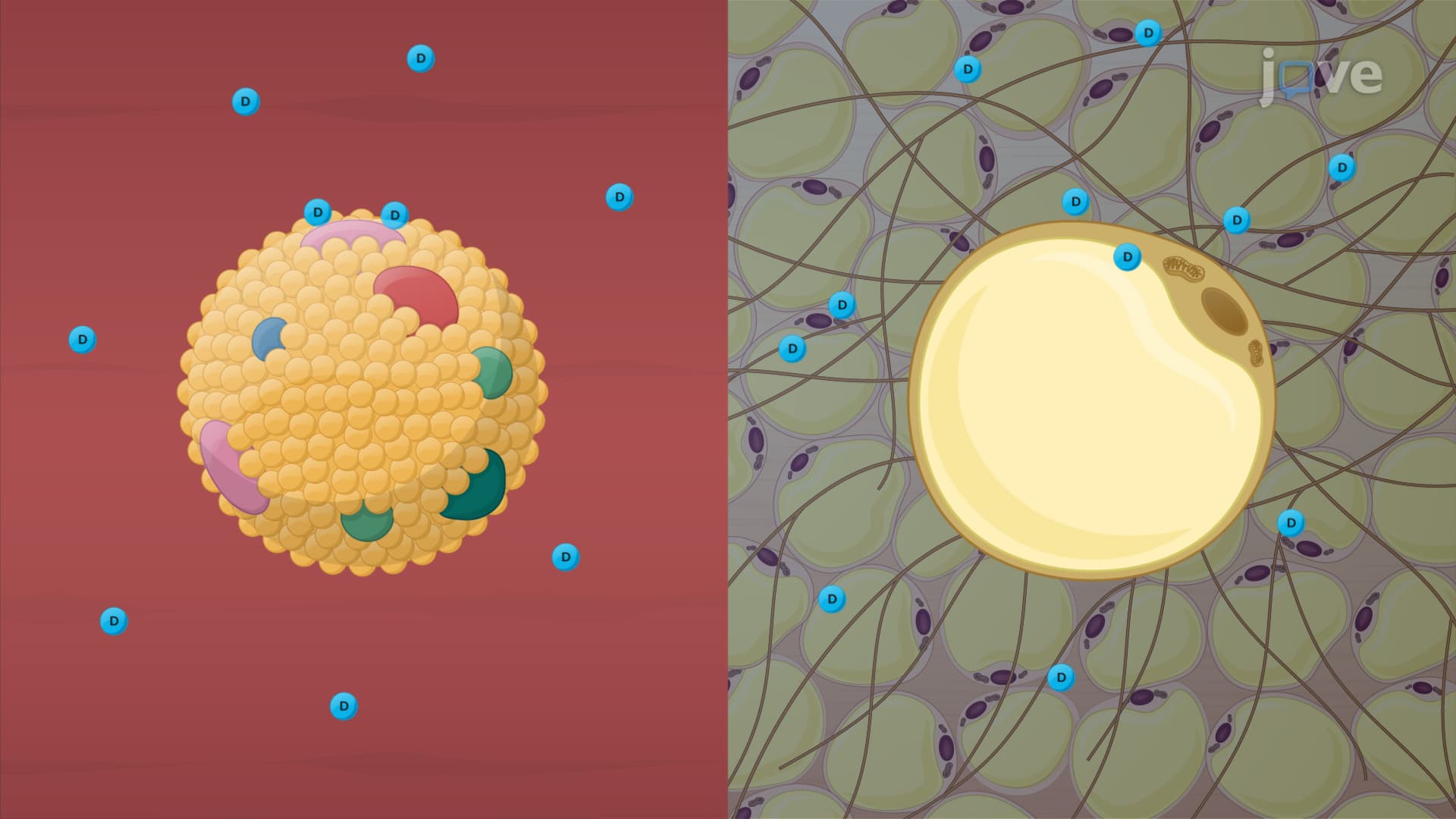
Understanding drug redistribution patterns is crucial for medical professionals. Thiopental's anesthetic effect lasts only 5-10 minutes despite a long elimination half-life because the drug redistributes from the highly perfused brain to poorly perfused adipose tissue. This redistribution principle applies to many medications students encounter in MCAT preparation or nursing school. Highly perfused tissues equilibrate quickly but also lose drug quickly, while poorly perfused tissues like fat and bone take hours to reach equilibrium but serve as drug reservoirs, prolonging elimination. This concept appears frequently on USMLE Step 1 examinations and college pharmacology midterms.
Related Micro-courses