Loading subject page…


6,627 views

Video Summary: Factors Affecting Drug Distribution Physiological Barriers Explained
Ever wonder why Parkinson's patients can't just take dopamine pills directly? The factors affecting drug distribution involve complex physiological barriers that determine which medications reach their target tissues. These barriers, including the blood-brain barrier that blocks dopamine but allows levodopa to pass through, are why doctors at Johns Hopkins and other US medical centers must carefully select specific drug formulations for different conditions. Watch the full video on JoVE Coach to master this concept with expert-led visuals and step-by-step explanations.
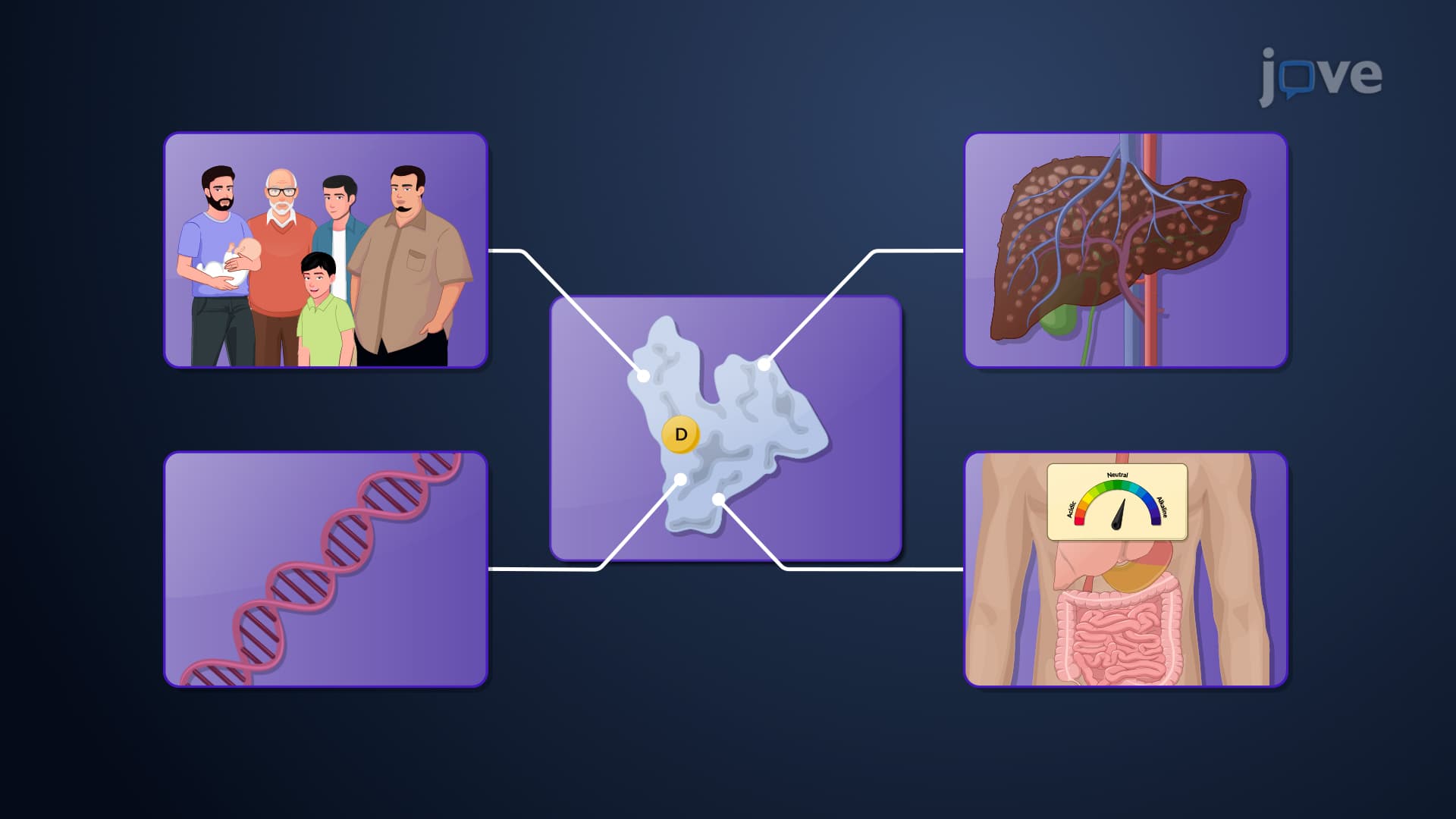
Drug distribution represents one of pharmacology's most fascinating challenges. When physicians at institutions like Mayo Clinic prescribe medications, they must consider how anatomical barriers will affect drug delivery to target tissues. These physiological barriers have evolved as protective mechanisms but create significant obstacles for therapeutic drug distribution.
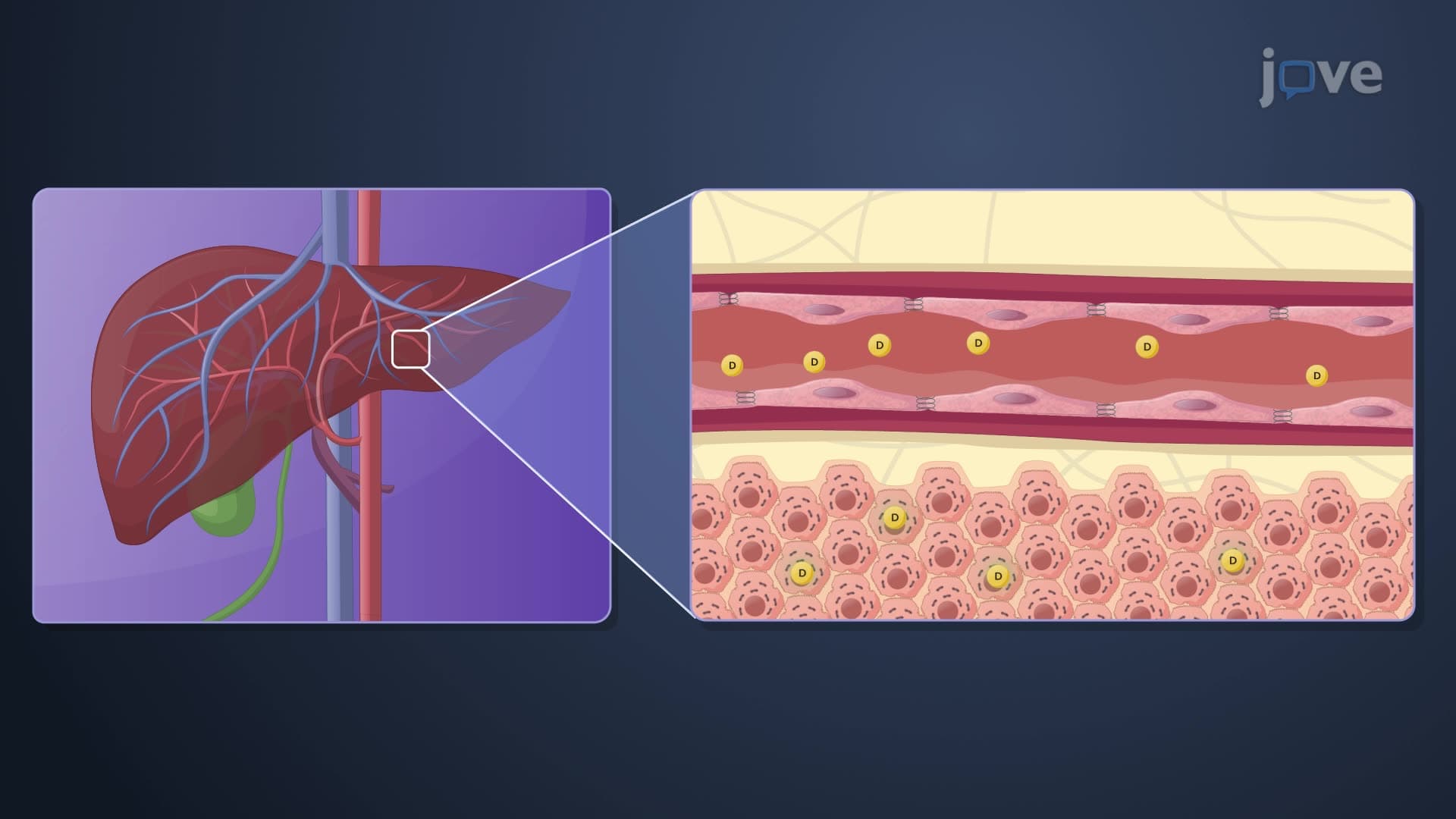
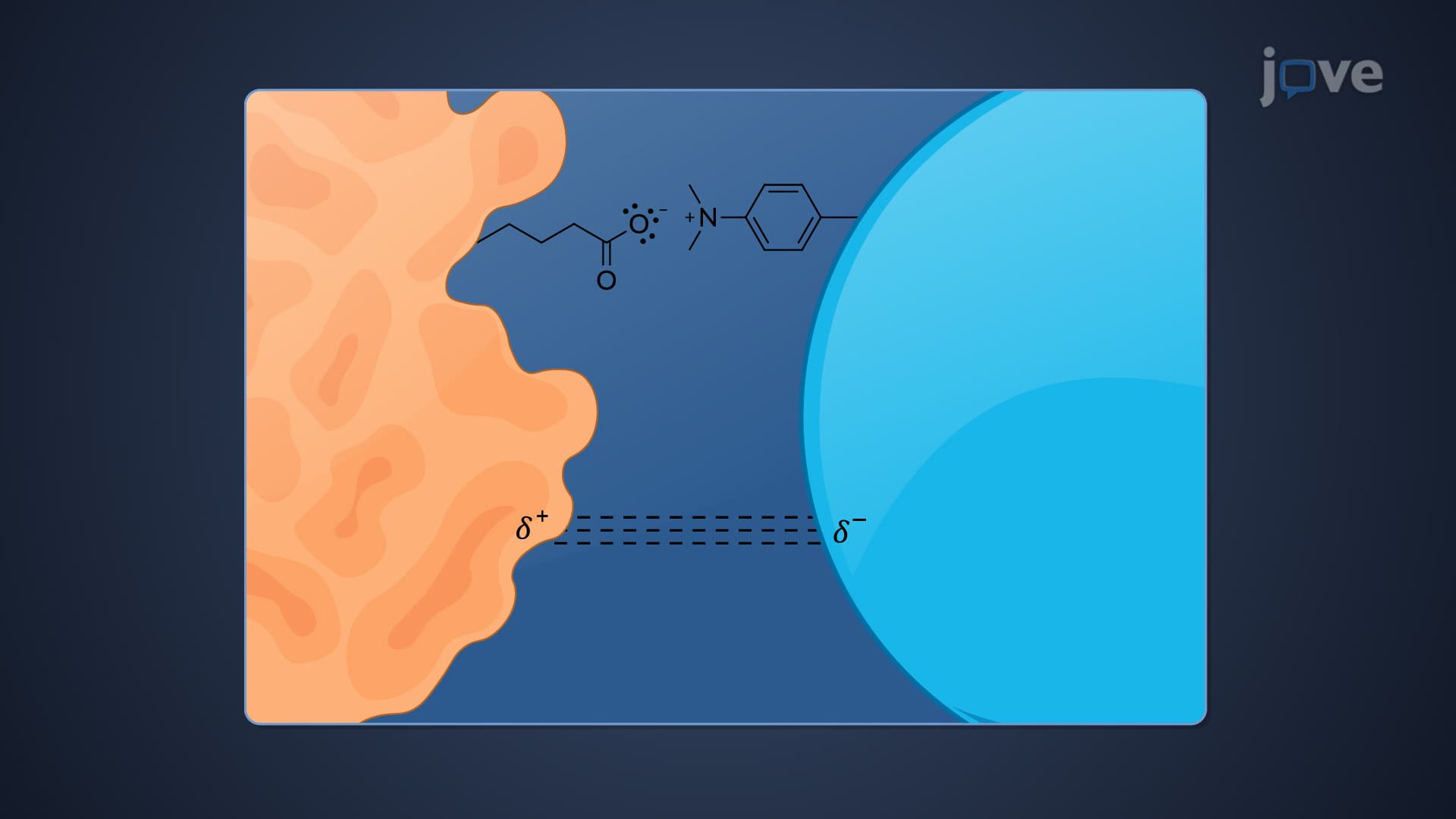
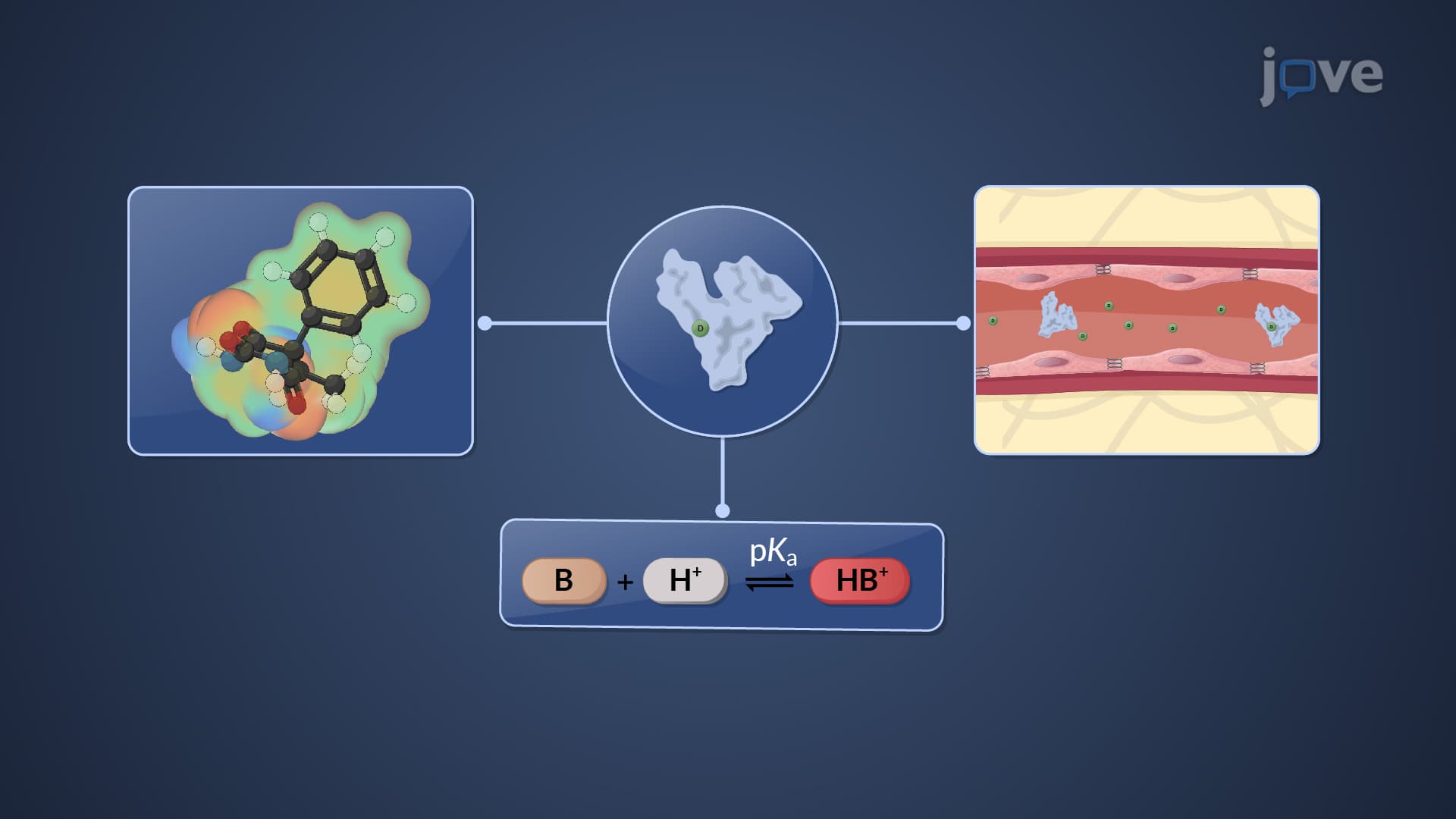
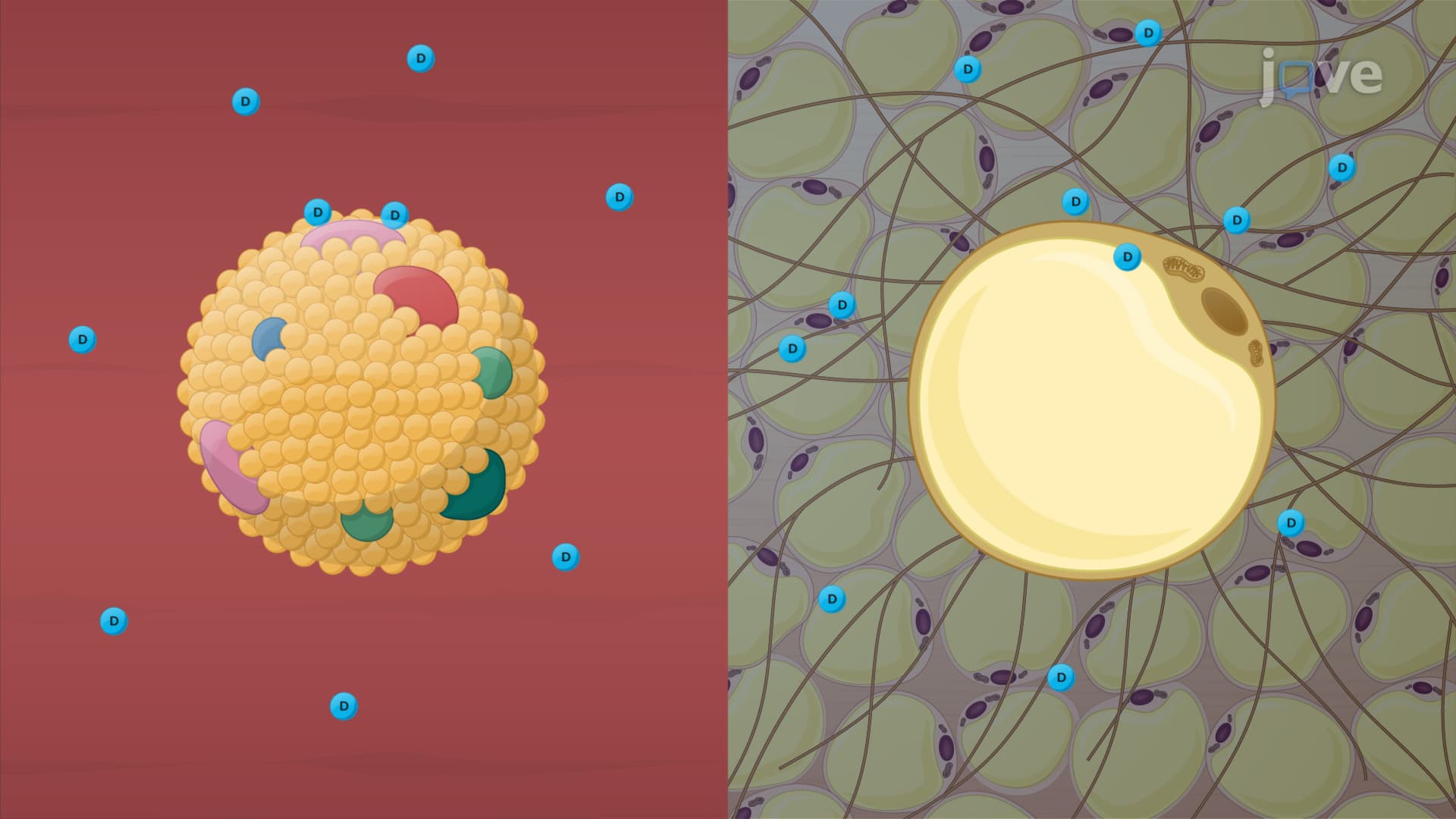
The simplest barrier involves capillary endothelial cells throughout most body tissues. This barrier effectively blocks drugs exceeding 600 Daltons molecular weight, explaining why large protein medications like insulin require injection rather than oral administration. Blood protein binding further complicates distribution-drugs like heparin bind extensively to plasma proteins, creating molecular complexes too large for easy tissue penetration. This concept frequently appears on MCAT pharmacology sections and college biochemistry exams.
Perhaps the most clinically significant barrier, the blood-brain barrier protects neural tissue through tight junctions between brain capillary cells. Water-soluble drugs like dopamine cannot cross this barrier, creating therapeutic challenges for neurological conditions. The ingenious solution for Parkinson's disease involves levodopa (L-DOPA), which crosses the blood-brain barrier via amino acid transporters, then converts to dopamine within brain tissue. This principle guides treatment strategies at neurological centers like Cleveland Clinic and appears regularly on USMLE Step 1 examinations.
The blood-cerebrospinal fluid barrier operates differently, favoring highly lipid-soluble compounds. Interestingly, drugs entering CSF face continuous removal through bulk flow, sometimes creating paradoxical concentration differences-sulfamethoxazole concentrations in CSF may exceed brain tissue levels due to differential clearance mechanisms.
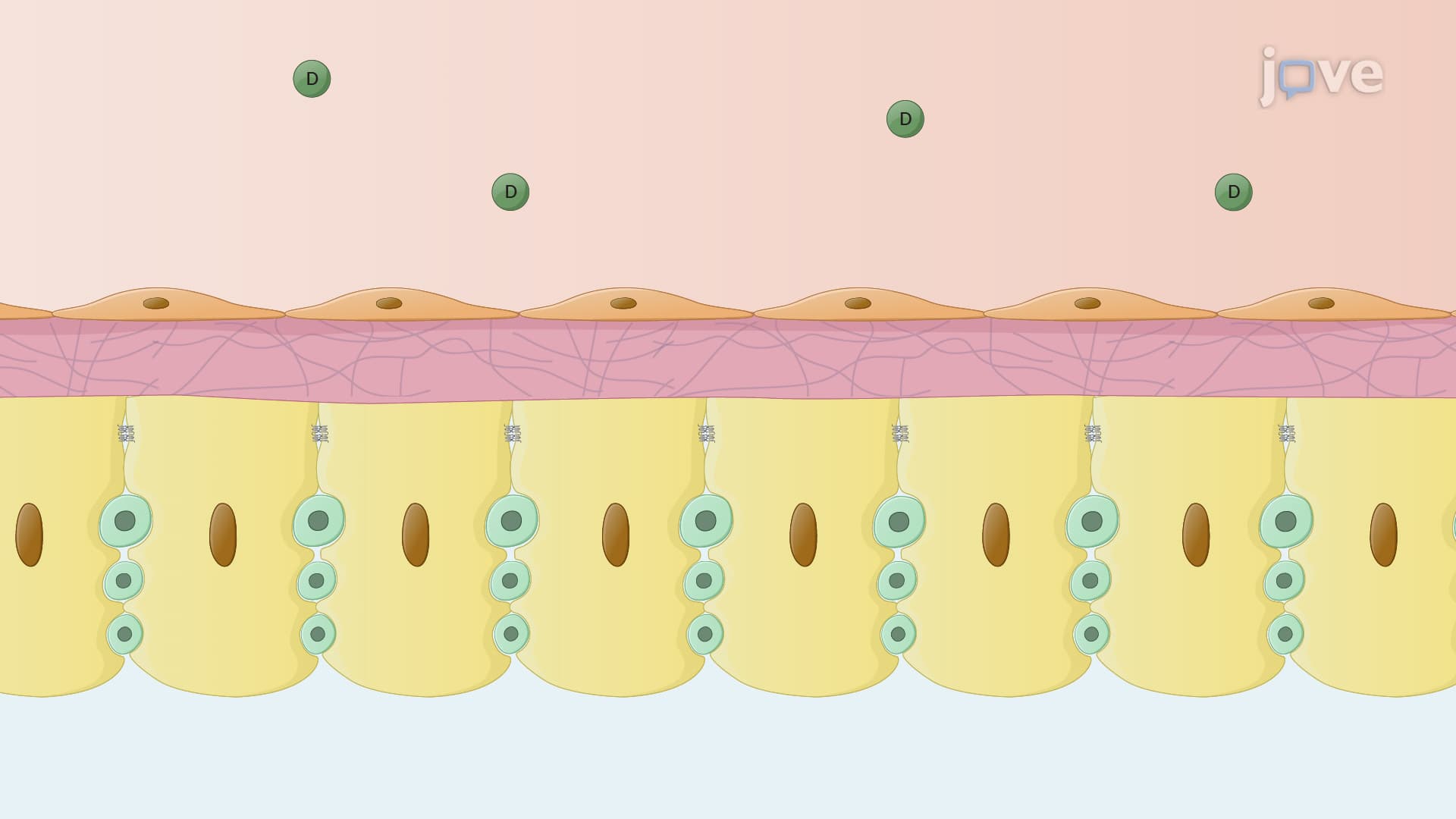
Reproductive barriers pose unique therapeutic challenges. The blood-placental barrier allows moderate to highly lipid-soluble drugs under 1000 Daltons to reach developing fetuses, making medication safety during pregnancy a critical consideration taught extensively in nursing programs and tested on NCLEX examinations. Similarly, the blood-testis barrier, formed by Sertoli cell tight junctions, protects developing sperm from potentially harmful substances. Efflux pumps like P-glycoprotein actively transport drugs like doxorubicin away from these sensitive tissues, explaining why certain chemotherapy agents show limited effectiveness in treating testicular cancers.
Understanding these barriers helps explain why drug development takes years and costs billions-pharmaceutical companies must design molecules that can navigate these complex physiological obstacles while maintaining therapeutic effectiveness.
Related Micro-courses