Loading subject page…


6,627 views


Video Summary: Factors Affecting Drug Distribution Tissue Permeability Explained
Ever wonder why aspirin works faster than some antibiotics? The factors affecting drug distribution depend heavily on molecular properties that determine how easily medications cross biological barriers. Consider how emergency room physicians at Johns Hopkins use sodium bicarbonate to treat barbiturate overdoses-by changing blood pH, they trap the toxic drug outside brain cells, preventing further damage. Understanding factors affecting drug distribution tissue permeability explained reveals why some drugs reach target tissues within minutes while others take hours. Watch the full video on JoVE Coach to master this concept with expert-led visuals and step-by-step explanations.
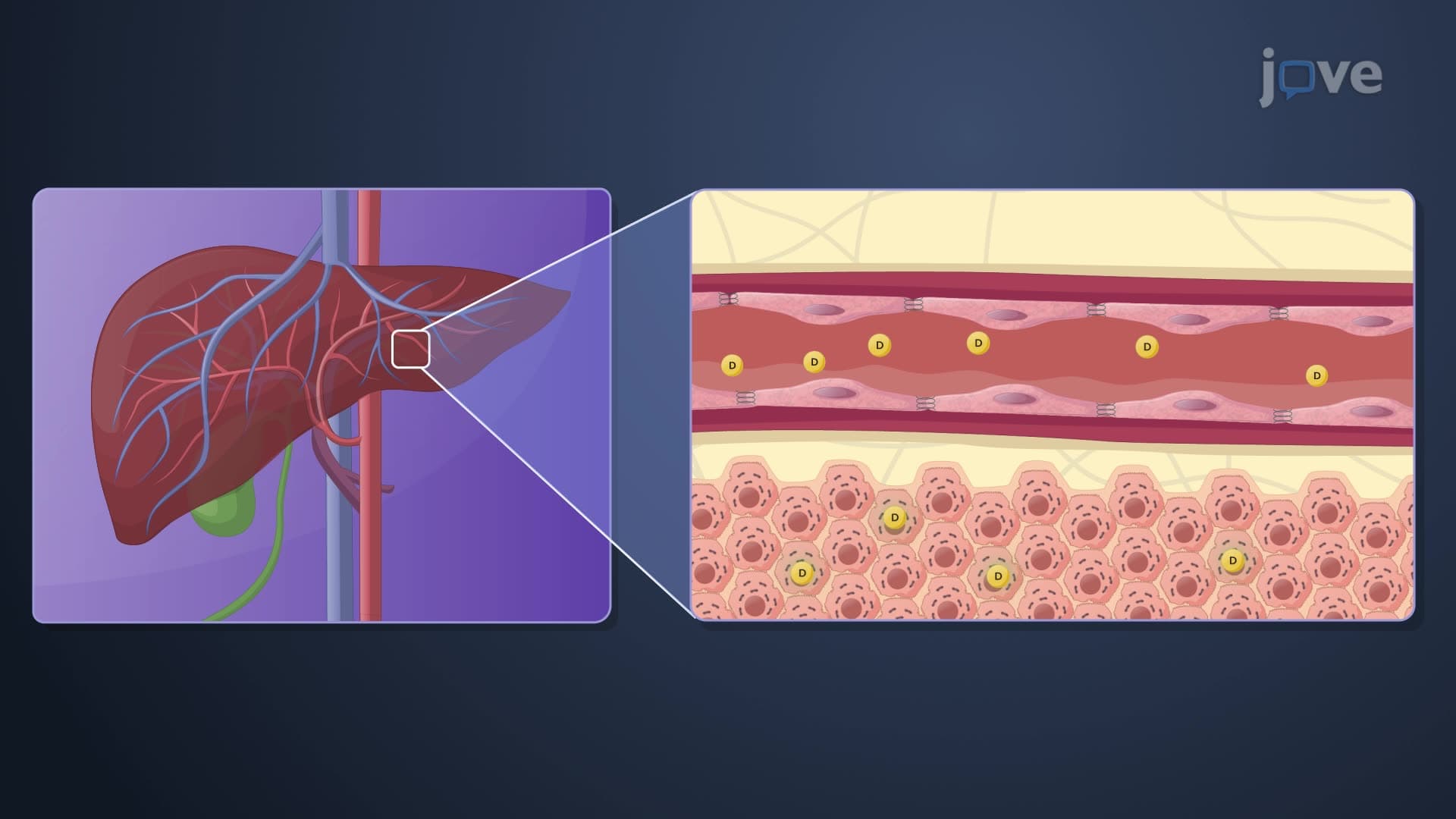
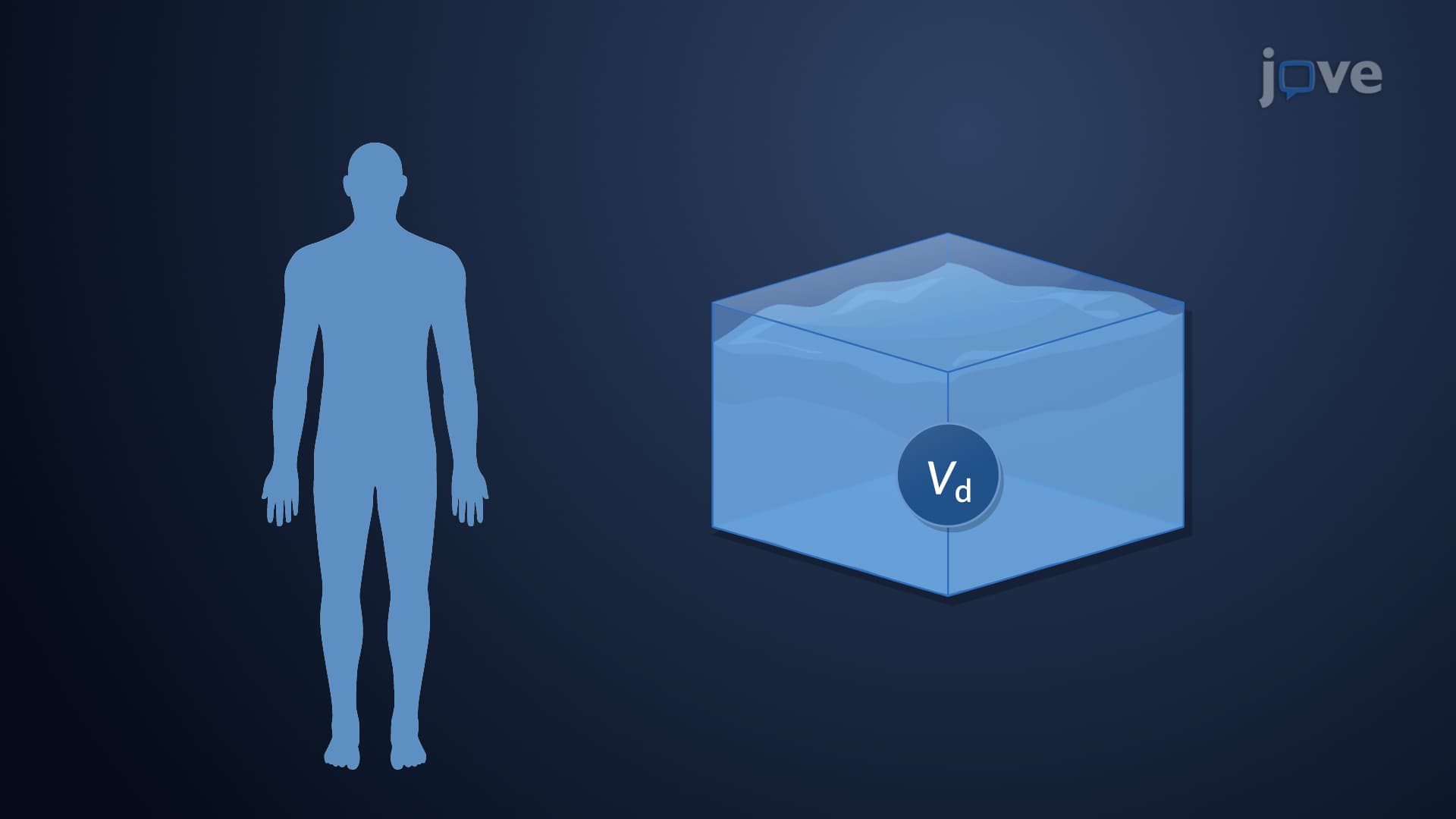
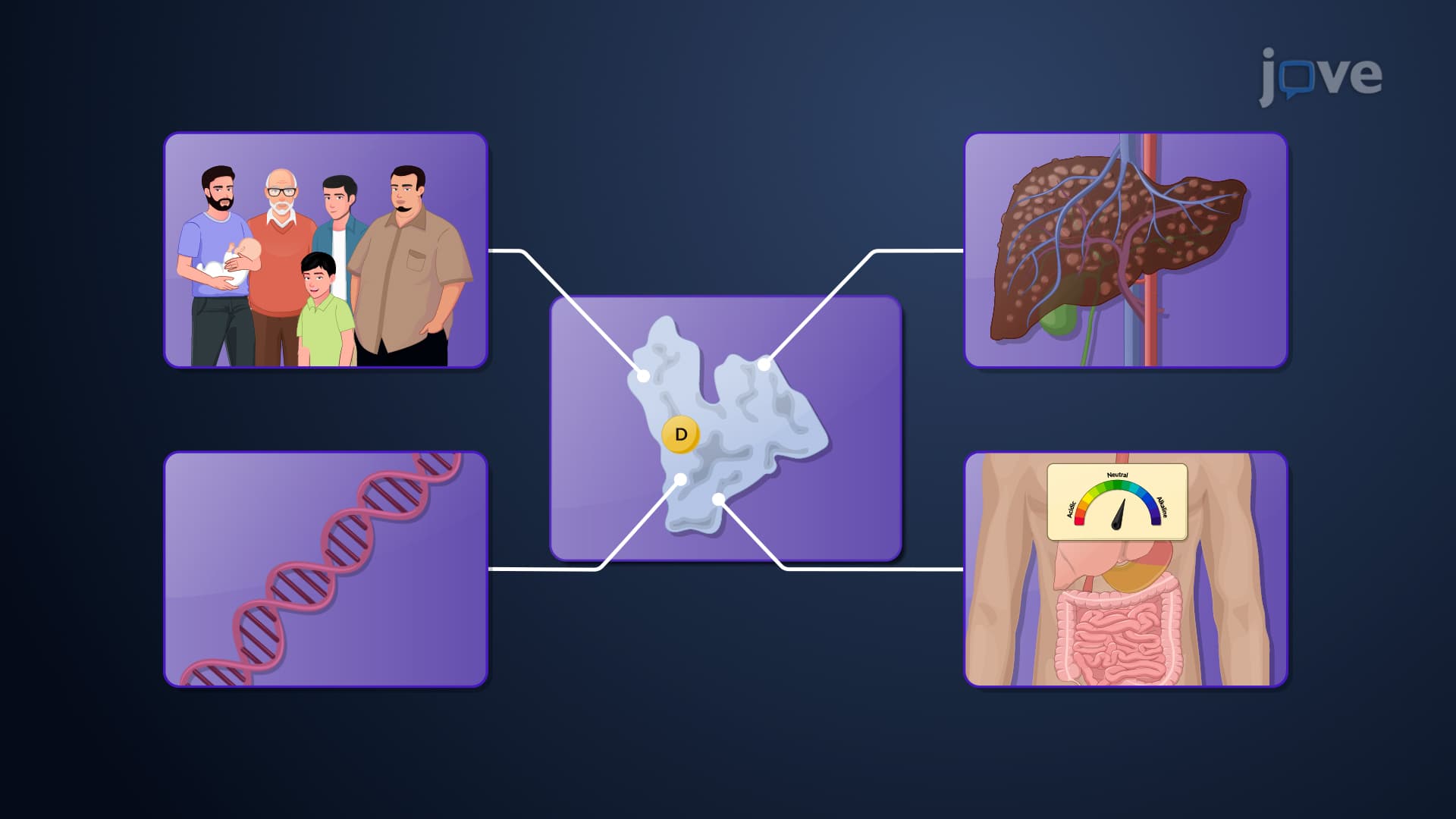
Drug distribution represents one of pharmacology's most critical concepts, determining whether medications reach their intended targets effectively. The journey from bloodstream to tissue involves navigating complex biological barriers, each governed by specific physicochemical principles that pharmacy and medical students encounter throughout their academic careers.
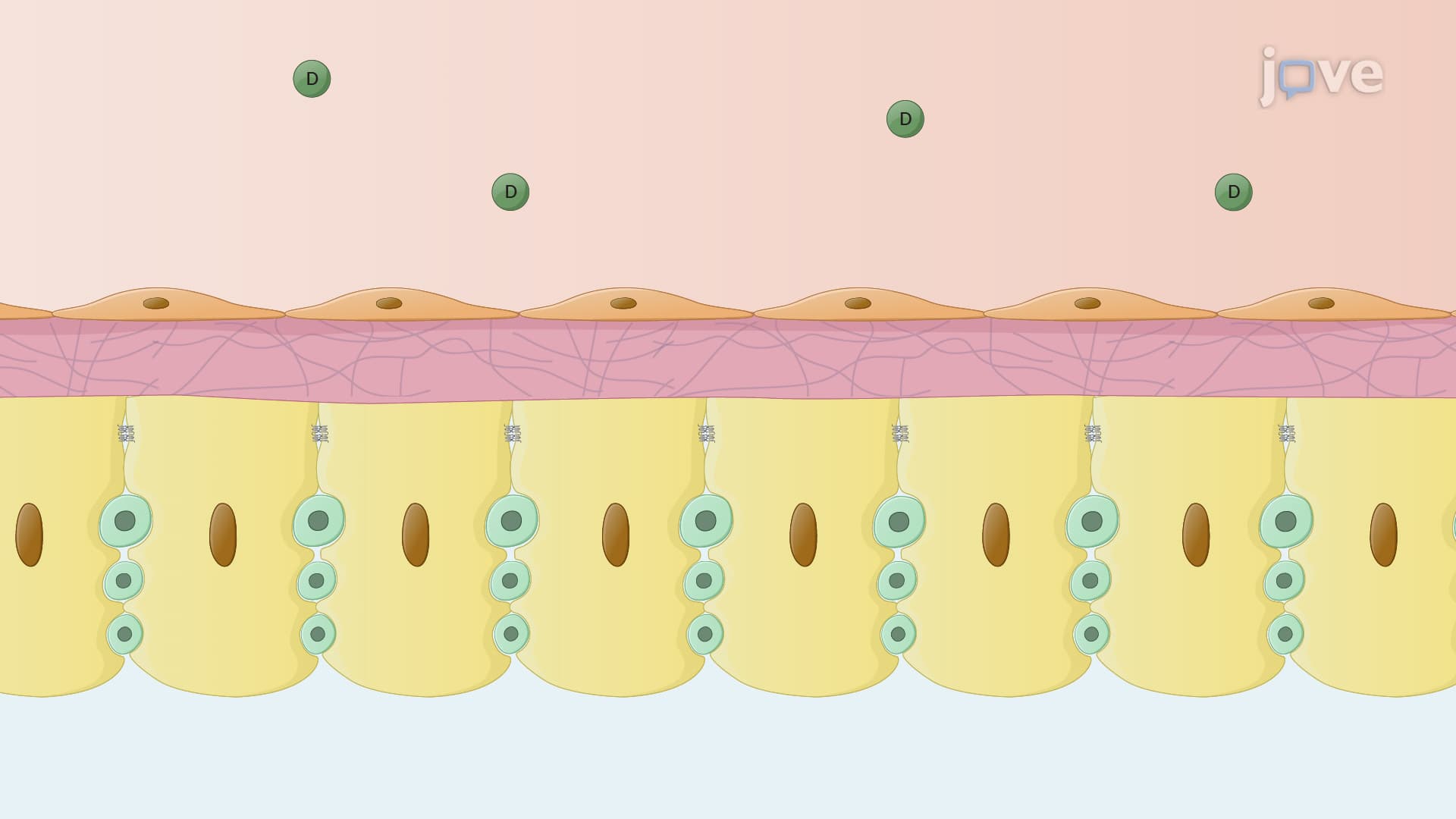
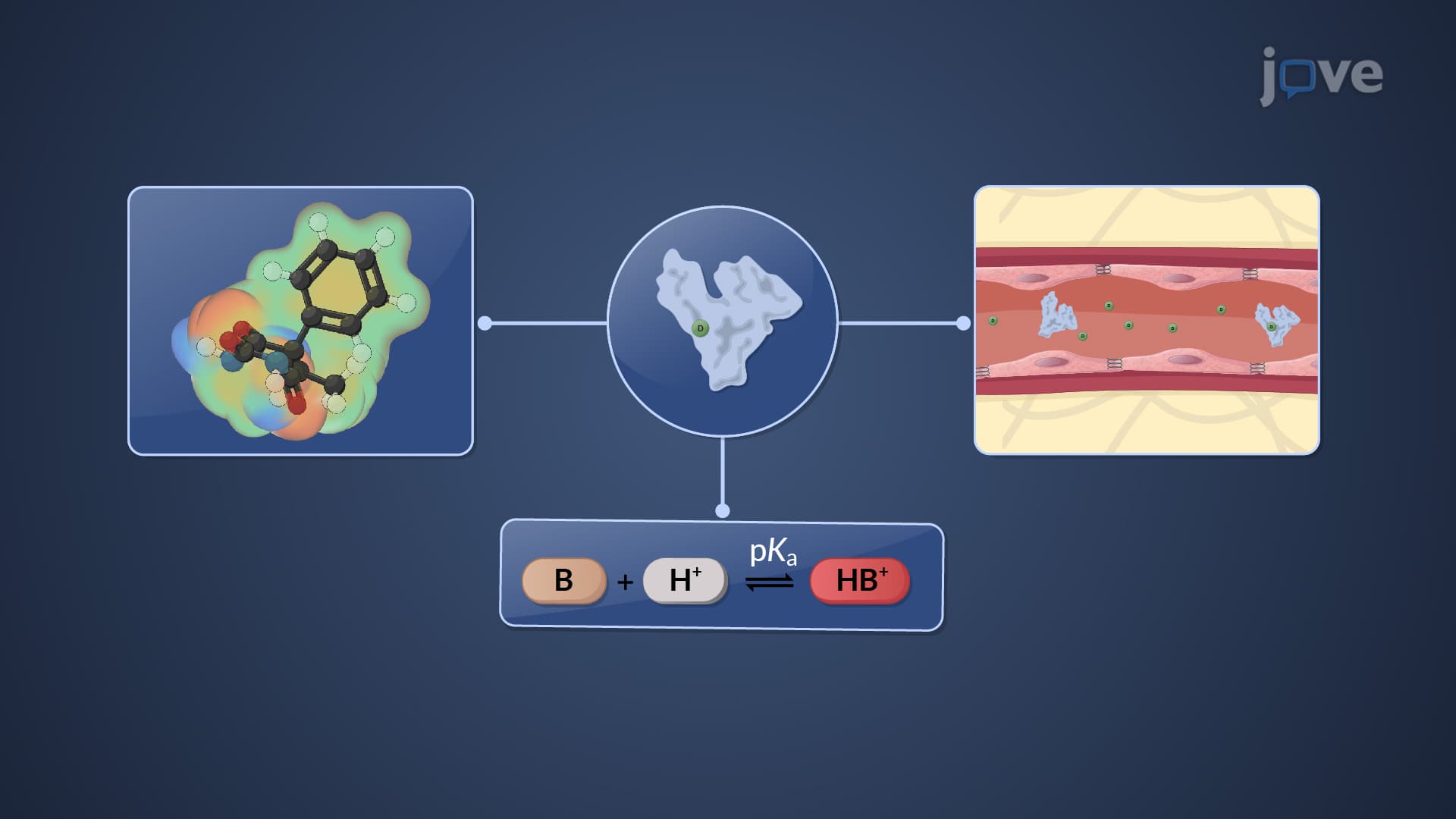
Small molecules typically cross capillary membranes through simple diffusion, while larger compounds require specialized transport mechanisms. This principle explains why glucose (molecular weight 180 Da) crosses most biological barriers easily, whereas insulin (molecular weight 5,808 Da) requires specific receptor-mediated transport. Students preparing for the MCAT or pharmacy school entrance exams frequently encounter questions about this size-selectivity principle.
A drug's ionization state dramatically affects its tissue penetration. The Henderson-Hasselbalch equation governs this relationship, predicting how pH changes alter drug distribution. In clinical practice, emergency physicians exploit this principle when treating overdoses. For barbiturate poisoning cases treated at major trauma centers like Grady Memorial Hospital in Atlanta, administering sodium bicarbonate raises blood pH, increasing drug ionization and preventing further central nervous system penetration while promoting renal elimination.
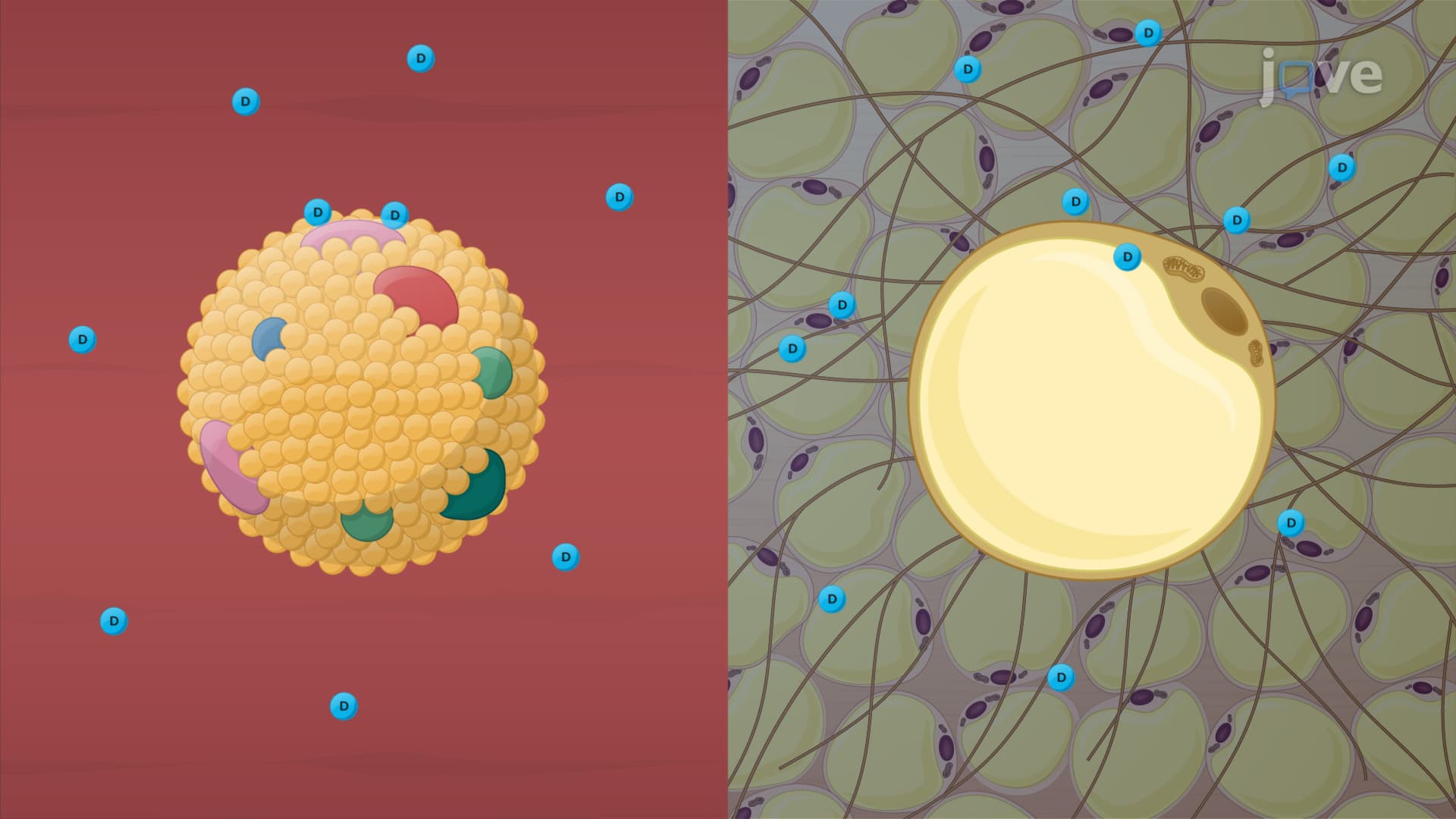
The partition coefficient quantifies a drug's preference for lipid versus aqueous environments. Thiopental's high lipophilicity enables rapid brain penetration for anesthesia induction, while aspirin's moderate lipophilicity allows controlled absorption and distribution. College organic chemistry courses emphasize these concepts when students learn about drug design principles that pharmaceutical companies use in medication development.
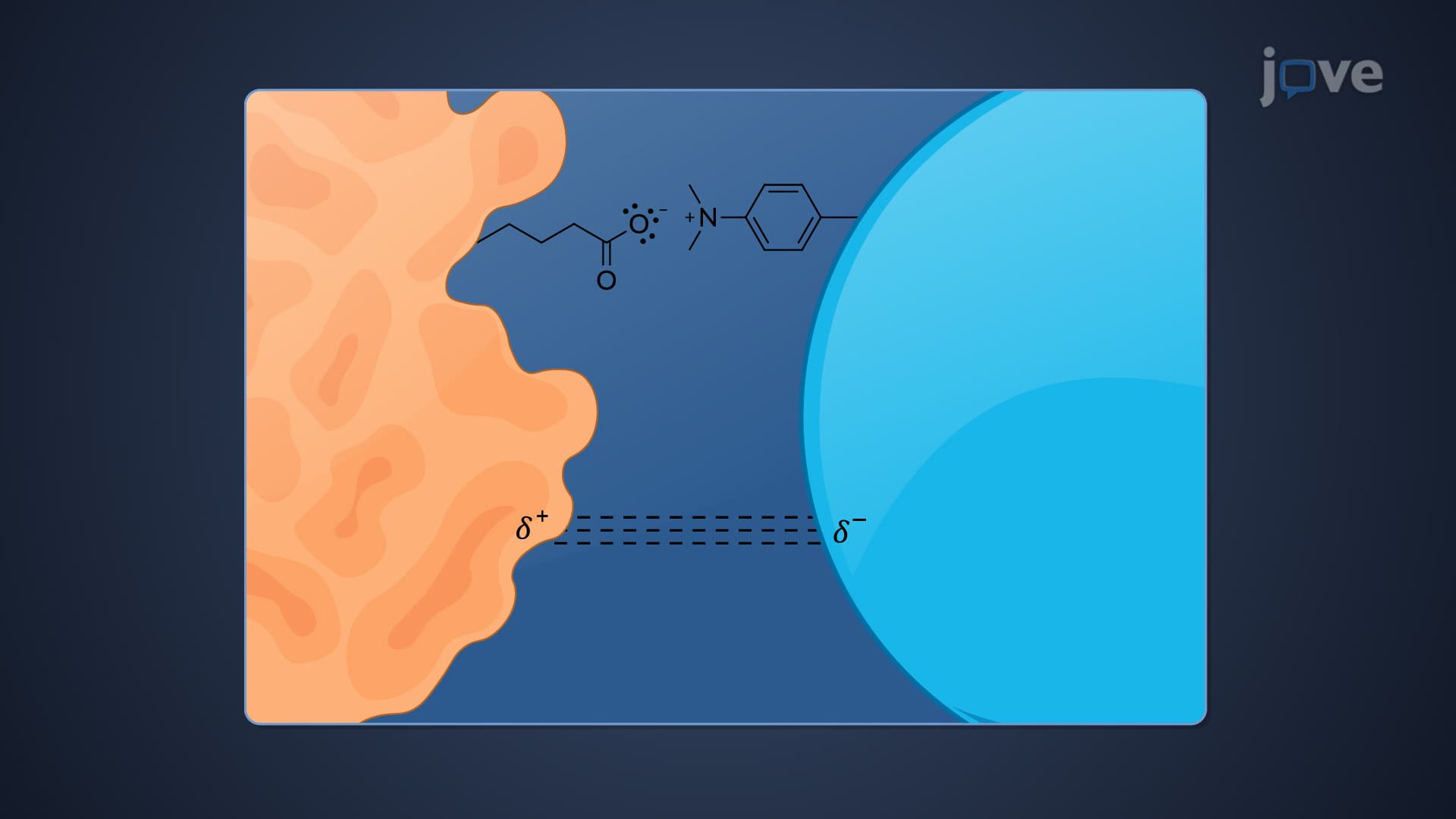
Stereoisomers can exhibit vastly different distribution patterns due to their unique three-dimensional structures. This concept becomes particularly relevant in advanced pharmacology courses where students learn how drug chirality affects therapeutic efficacy and safety profiles in diverse patient populations across American healthcare systems.
Related Micro-courses