Loading video…


 14 Concepts
 6.6K views

Video Summary: How Drug Interactions Affect Protein Binding in Pharmacokinetics
Did you know that taking aspirin can actually change how other pain medications work in your body? Factors affecting protein-drug binding reveal why certain drug combinations can be dangerous or ineffective. When warfarin and phenylbutazone are taken together, the displacement interaction can lead to serious bleeding complications in patients. Understanding how drug interactions affect protein binding in pharmacokinetics is crucial for safe medication use. Watch the full video on JoVE Coach to master this concept with expert-led visuals and step-by-step explanations.
Protein binding interactions represent one of the most clinically significant aspects of pharmacokinetics, directly impacting drug efficacy and safety. When multiple drugs compete for the same protein binding sites, the resulting displacement can dramatically alter free drug concentrations, leading to either therapeutic failure or dangerous toxicity.
The most straightforward factors affecting protein-drug binding involve direct competition between drugs for identical binding sites on plasma proteins, particularly albumin. The classic example of warfarin and phenylbutazone illustrates this principle perfectly. Warfarin, a widely prescribed anticoagulant in the United States, is approximately 99% bound to albumin under normal conditions. When phenylbutazone is co-administered, it displaces warfarin from these binding sites due to its higher affinity, potentially doubling or tripling free warfarin concentrations. This displacement can lead to severe bleeding complications, making this interaction contraindicated in clinical practice.
The extent of displacement depends on several critical factors: the relative concentrations of competing drugs, their binding affinities, and the number of available binding sites. Students preparing for the MCAT or advanced pharmacology courses should understand that displacement becomes clinically significant only when the displaced drug has a narrow therapeutic index and high protein binding (>90%).
Beyond direct competition, factors affecting protein-drug binding include indirect mechanisms that modify the binding environment. Heparin exemplifies this concept by activating lipoprotein lipase, which breaks down triglycerides into free fatty acids. These elevated fatty acid levels then compete with drugs like propranolol for albumin binding sites, reducing the drug's protein binding capacity. This mechanism is particularly relevant for students studying cardiovascular pharmacology in AP Biology or college-level physiology courses.
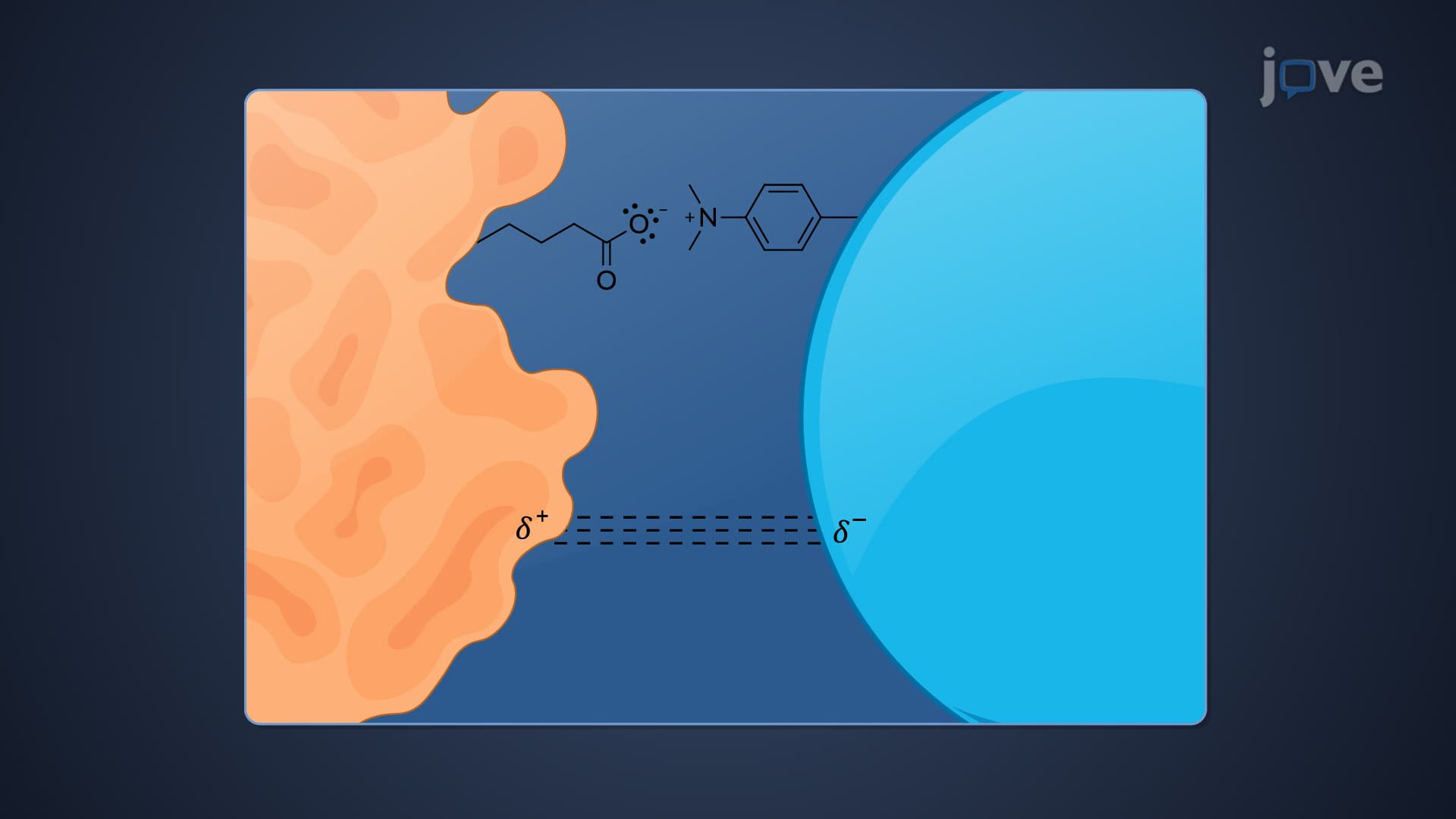
Allosteric interactions add another layer of complexity. Aspirin acetylates lysine residues on albumin, causing conformational changes that alter the protein's binding capacity for other NSAIDs. This modification explains why aspirin can affect the pharmacokinetics of other anti-inflammatory drugs, even when they don't directly compete for the same binding site.
Competition between drugs and endogenous substances presents unique clinical challenges, especially in vulnerable populations. Certain drugs can displace bilirubin from albumin binding sites, allowing free bilirubin to cross the blood-brain barrier in neonates. This displacement can cause kernicterus, a severe form of brain damage, highlighting why protein binding interactions are critical considerations in pediatric pharmacotherapy.
For students taking the NCLEX or HESI A2 exams, understanding these interactions is essential for safe nursing practice, particularly when caring for neonates or patients on multiple medications with narrow therapeutic windows.
Related Micro-courses