Loading video…


 14 Concepts
 6.6K views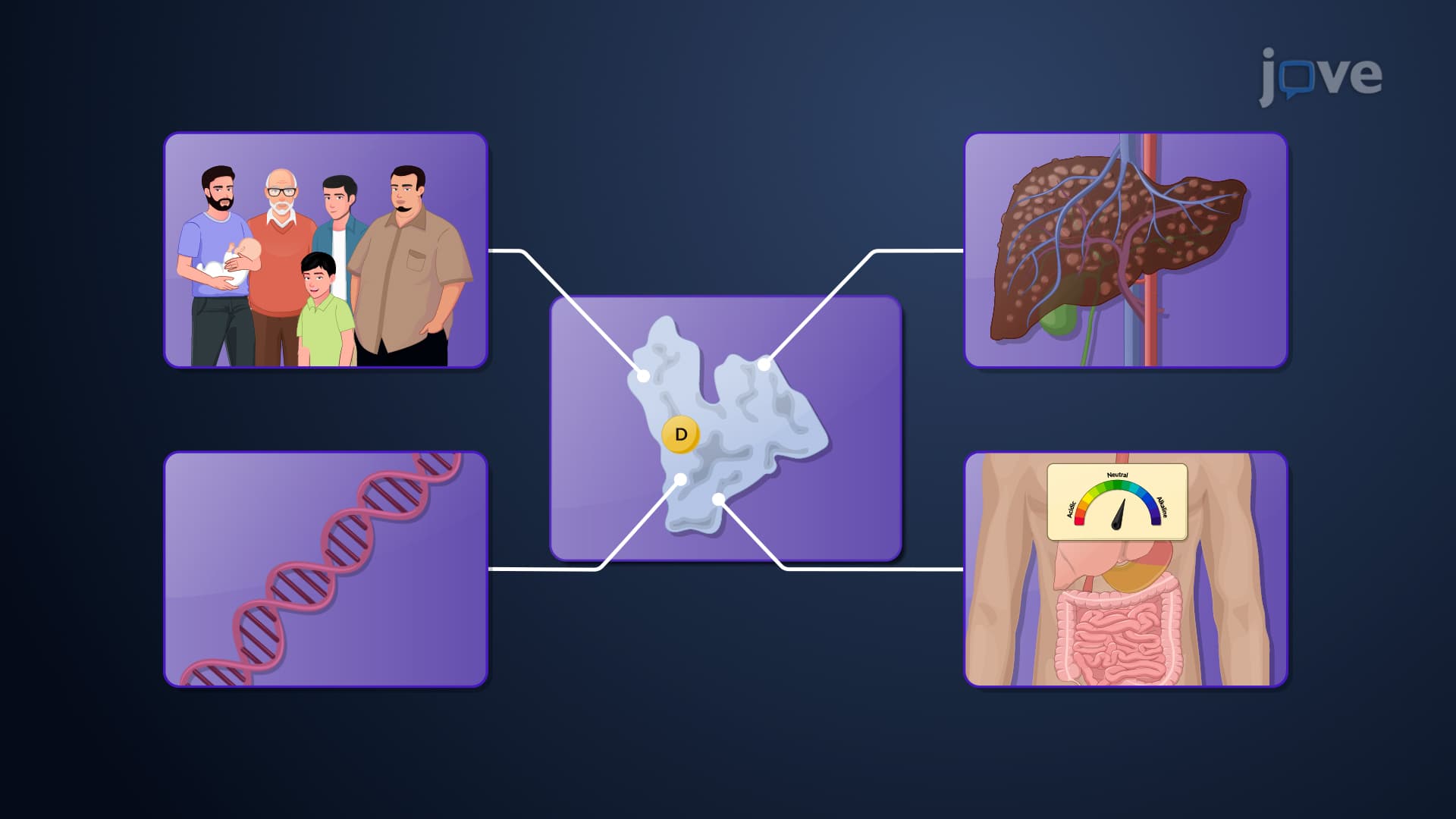

Video Summary: Patient Related Factors That Affect Drug Protein Binding
Why do elderly patients often experience different drug effects than younger adults, even at the same dose? The answer lies in factors affecting protein-drug binding, which vary dramatically across patient populations. For instance, newborns require careful phenytoin monitoring at Boston Children's Hospital due to their naturally low albumin levels, which increases free drug concentrations. Age, genetic factors, and disease states all influence how medications bind to plasma proteins, directly impacting drug effectiveness and safety. Patient-related factors that affect drug-protein binding represent a critical concept in pharmacology that determines therapeutic outcomes. Watch the full video on JoVE Coach to master this concept with expert-led visuals and step-by-step explanations.
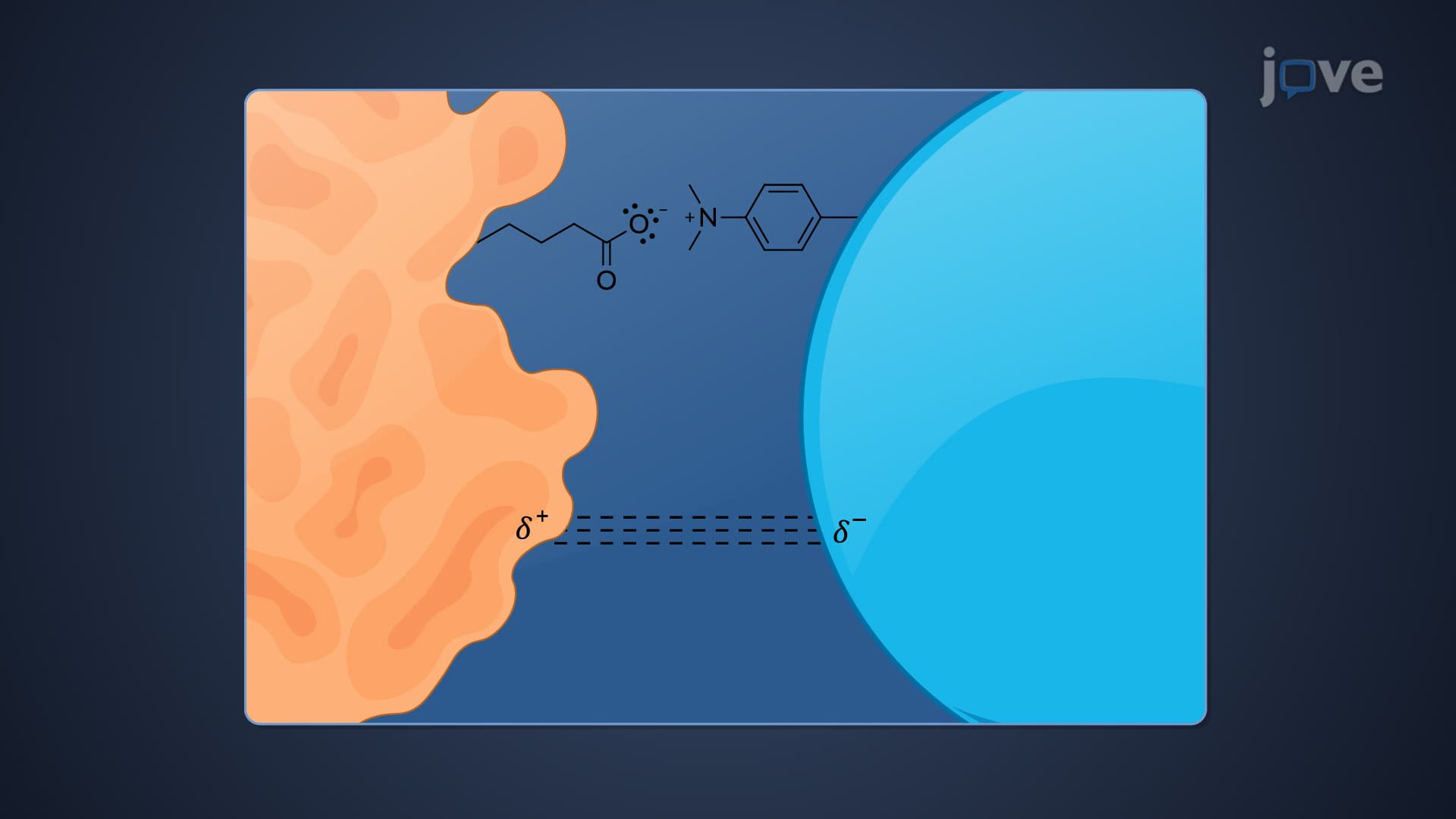
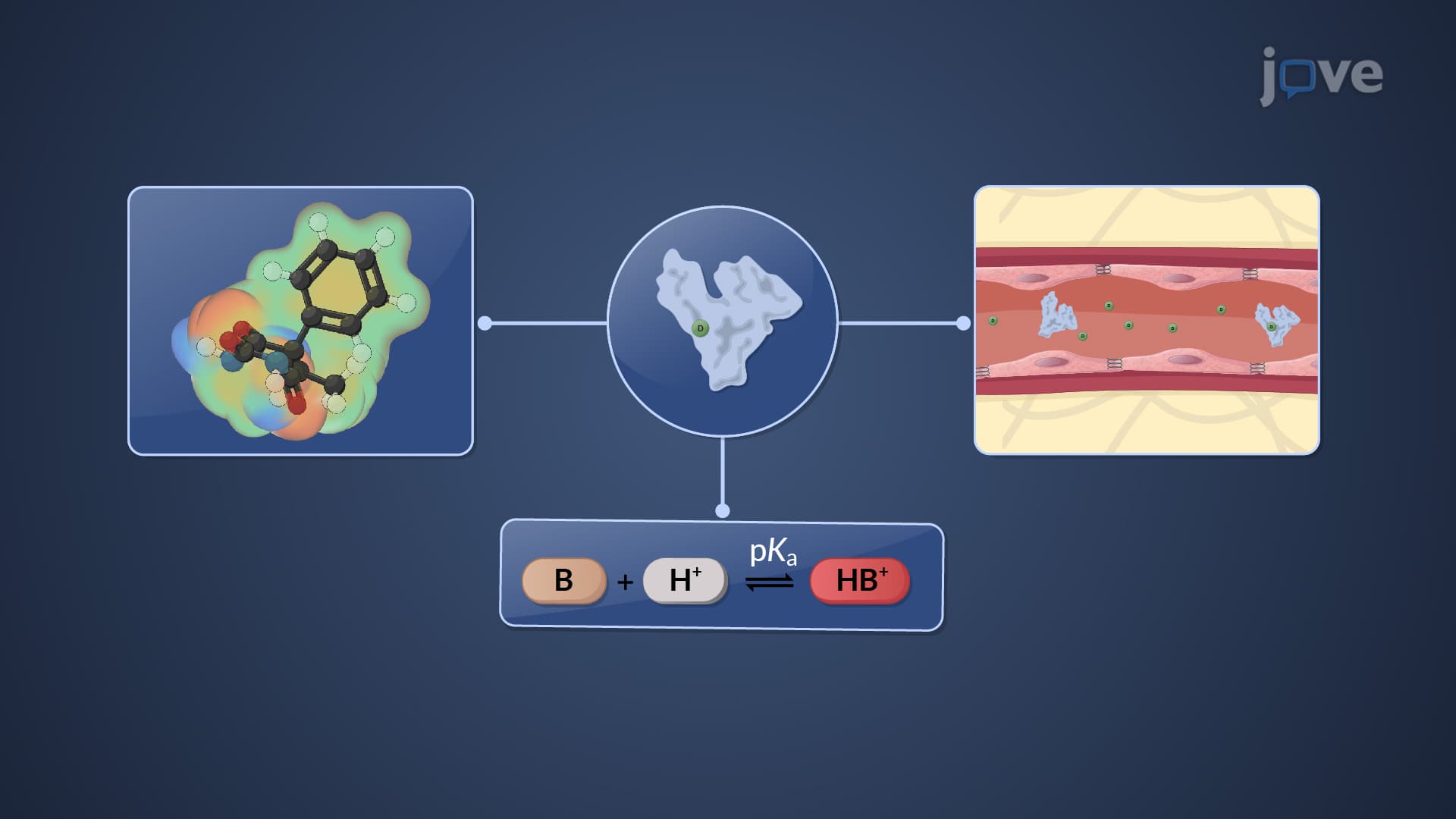
Drug-protein binding represents a fundamental pharmacokinetic process where medications reversibly attach to plasma proteins, primarily albumin and alpha-1 acid glycoprotein. Only the unbound (free) fraction of a drug can cross cell membranes and exert therapeutic effects. Patient-related factors significantly influence this binding process, creating substantial variations in drug response across different populations.
Age represents one of the most significant factors affecting protein-drug binding. Neonates and infants exhibit markedly reduced albumin concentrations compared to adults, typically ranging from 2.5-3.5 g/dL versus the adult range of 3.5-5.0 g/dL. This difference becomes clinically critical for highly protein-bound drugs like phenytoin (90% bound) and diazepam (98% bound). At Children's Hospital of Philadelphia, neonatal intensive care units routinely monitor free phenytoin levels because standard total drug measurements can be misleading.
Conversely, elderly patients present unique challenges due to age-related albumin decline and elevated alpha-1 acid glycoprotein levels. A 75-year-old patient may have albumin levels 20-30% lower than a healthy 25-year-old, while inflammatory conditions common in aging can double alpha-1 acid glycoprotein concentrations. This dual change affects acidic drugs (which bind to albumin) and basic drugs (which bind to alpha-1 acid glycoprotein) differently.
Disease states dramatically alter protein-drug binding through multiple mechanisms. Hypoalbuminemia, commonly seen in liver cirrhosis, nephrotic syndrome, or severe burns, reduces binding sites for acidic drugs. Burn patients at major trauma centers like Harborview Medical Center in Seattle often require adjusted dosing for medications like phenytoin due to both reduced albumin and altered drug distribution.
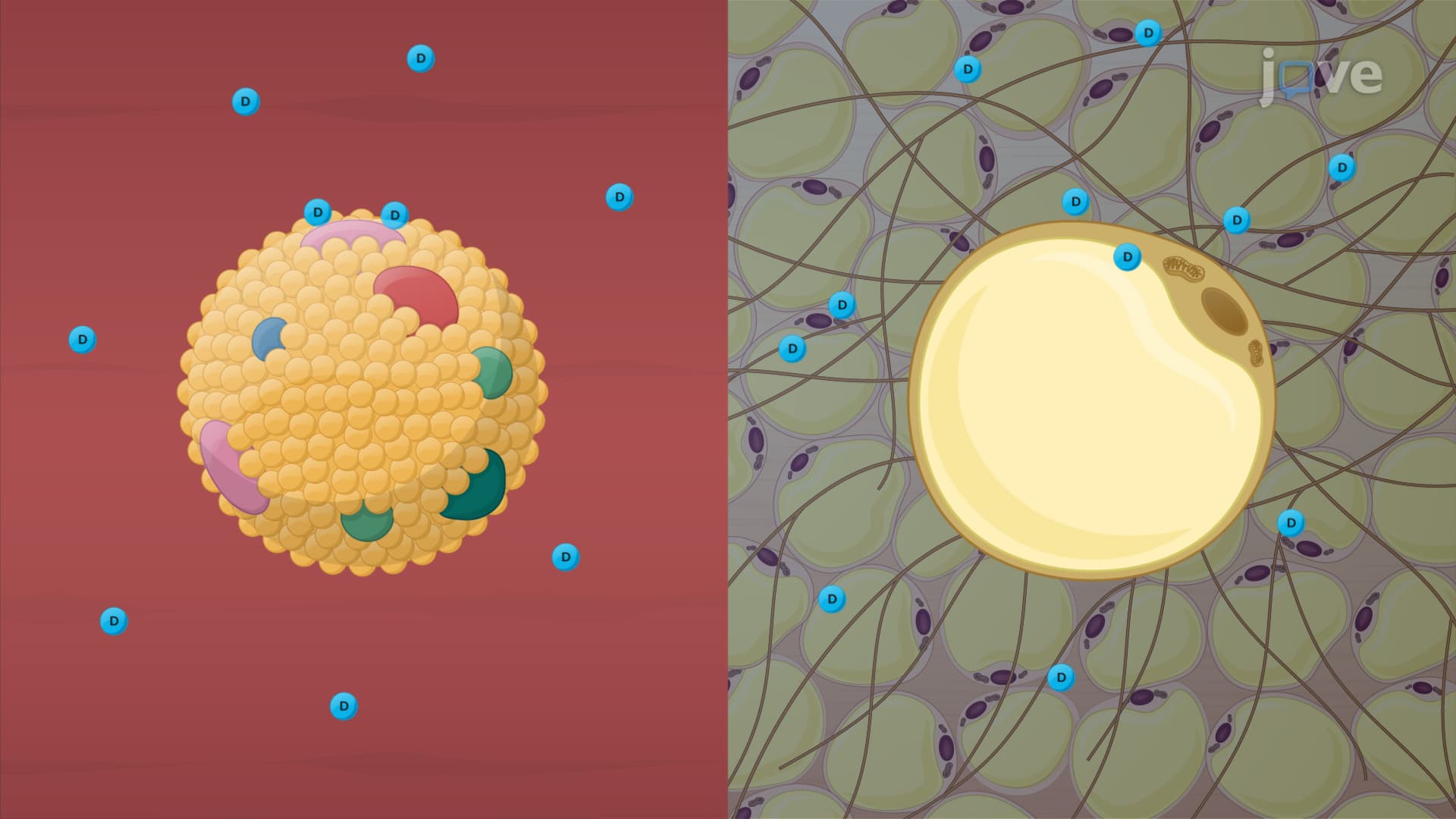
Hyperlipoproteinemia, frequently associated with hypothyroidism or obstructive liver disease, affects lipophilic drug binding. Patients with familial hypercholesterolemia may show altered binding patterns for fat-soluble medications, requiring individualized dosing approaches.
Understanding these concepts proves essential for MCAT preparation, particularly in the biological and biochemical foundations section. The AP Biology exam frequently tests protein-drug interactions within cellular transport contexts. For pre-pharmacy students, these principles directly apply to pharmacokinetics coursework and future clinical practice.
In hospital settings, therapeutic drug monitoring programs specifically account for protein binding variations when interpreting drug levels and adjusting doses for special populations.
Related Micro-courses