Loading subject page…

6,626 views
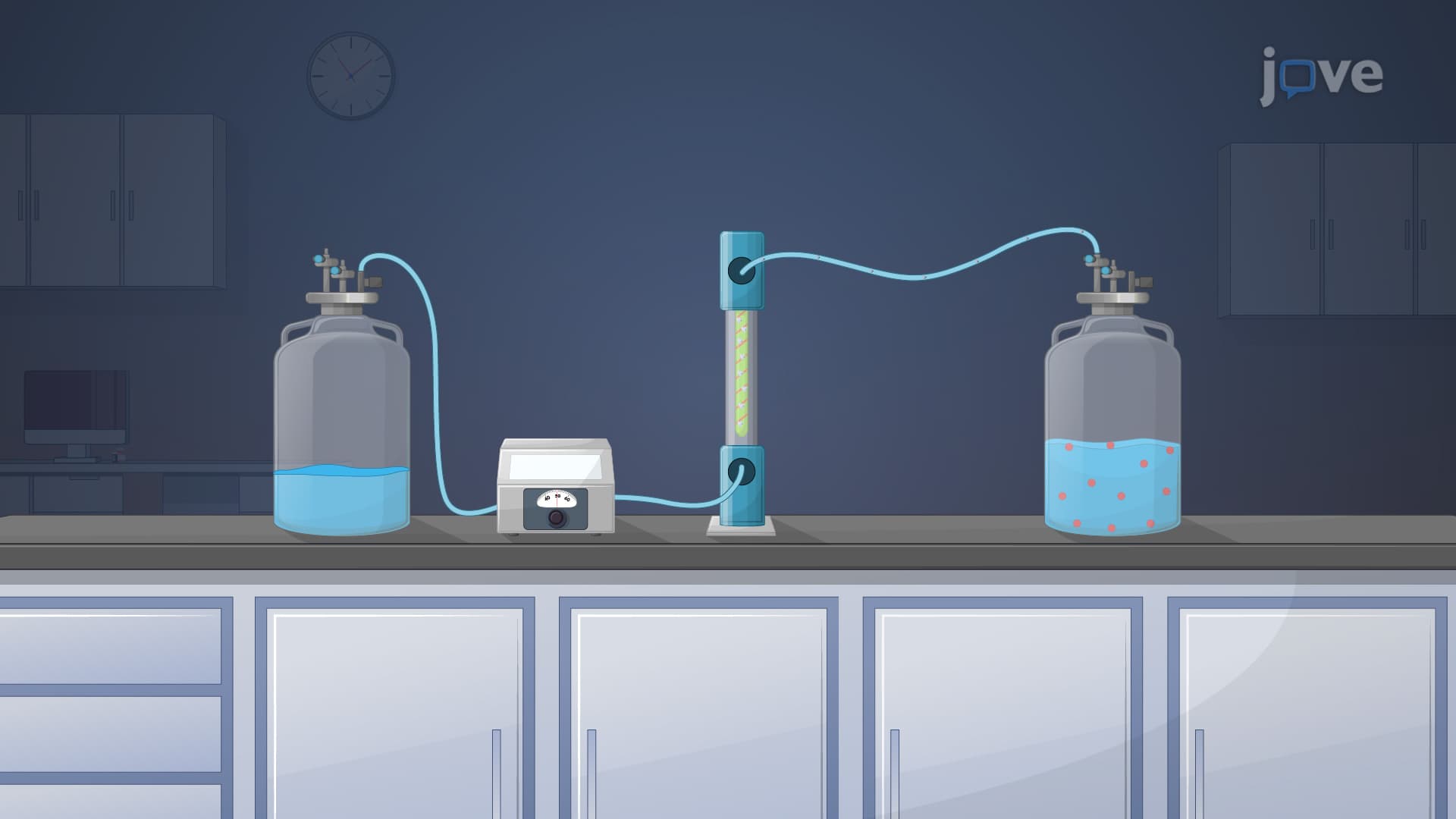

Video Summary: Protein Drug Binding Determination Methods Guide
Ever wonder why the same medication dosage affects different patients differently? Protein drug binding determination plays a crucial role in understanding drug effectiveness and safety. For instance, when warfarin (a blood thinner) binds to albumin proteins in blood, only the unbound portion remains active-making accurate measurement critical for proper dosing at hospitals like Mayo Clinic. This Protein Drug Binding Determination Methods Guide covers both indirect and direct analytical approaches scientists use to measure these interactions. Watch the full video on JoVE Coach to master this concept with expert-led visuals and step-by-step explanations.
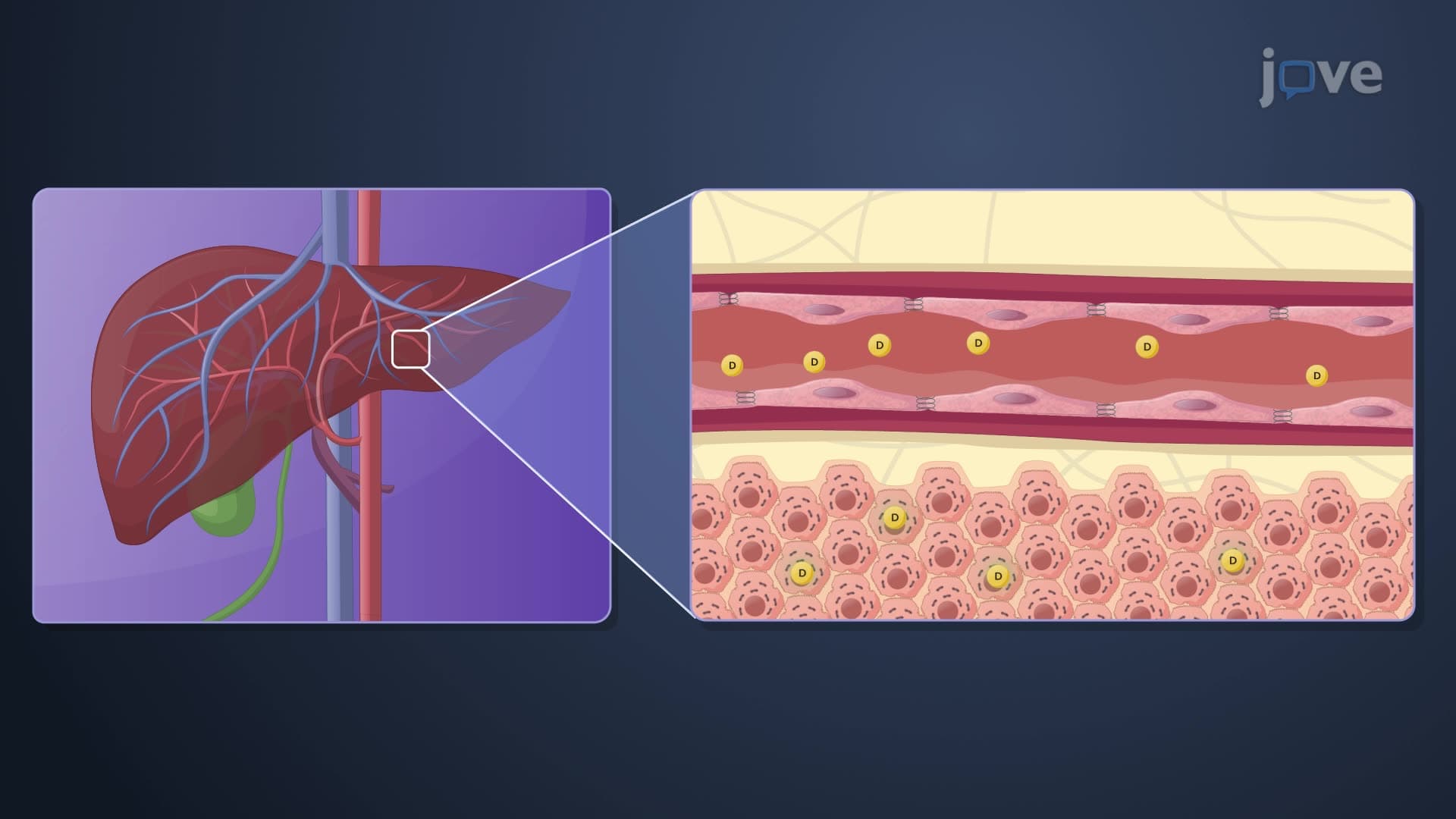
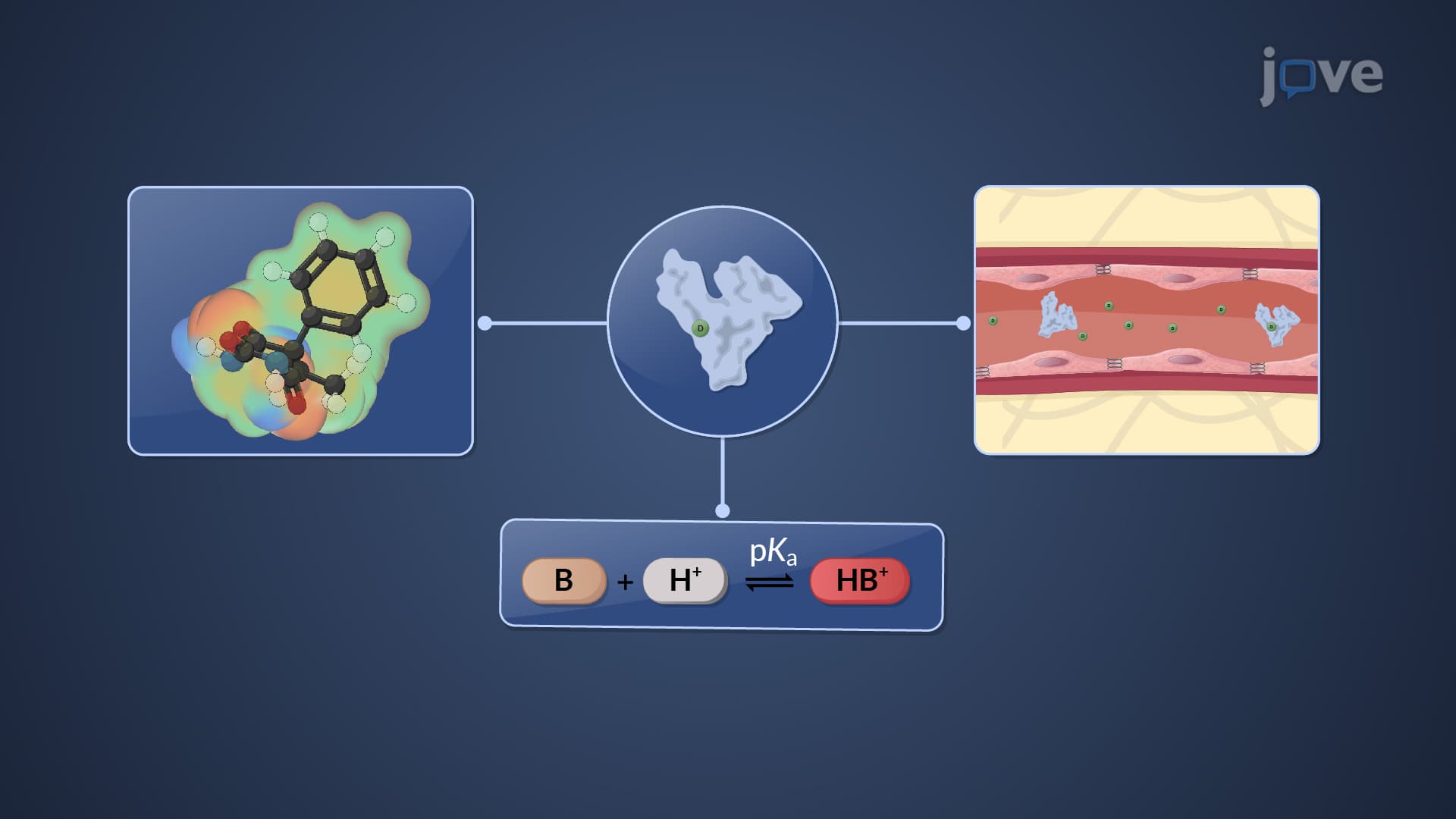
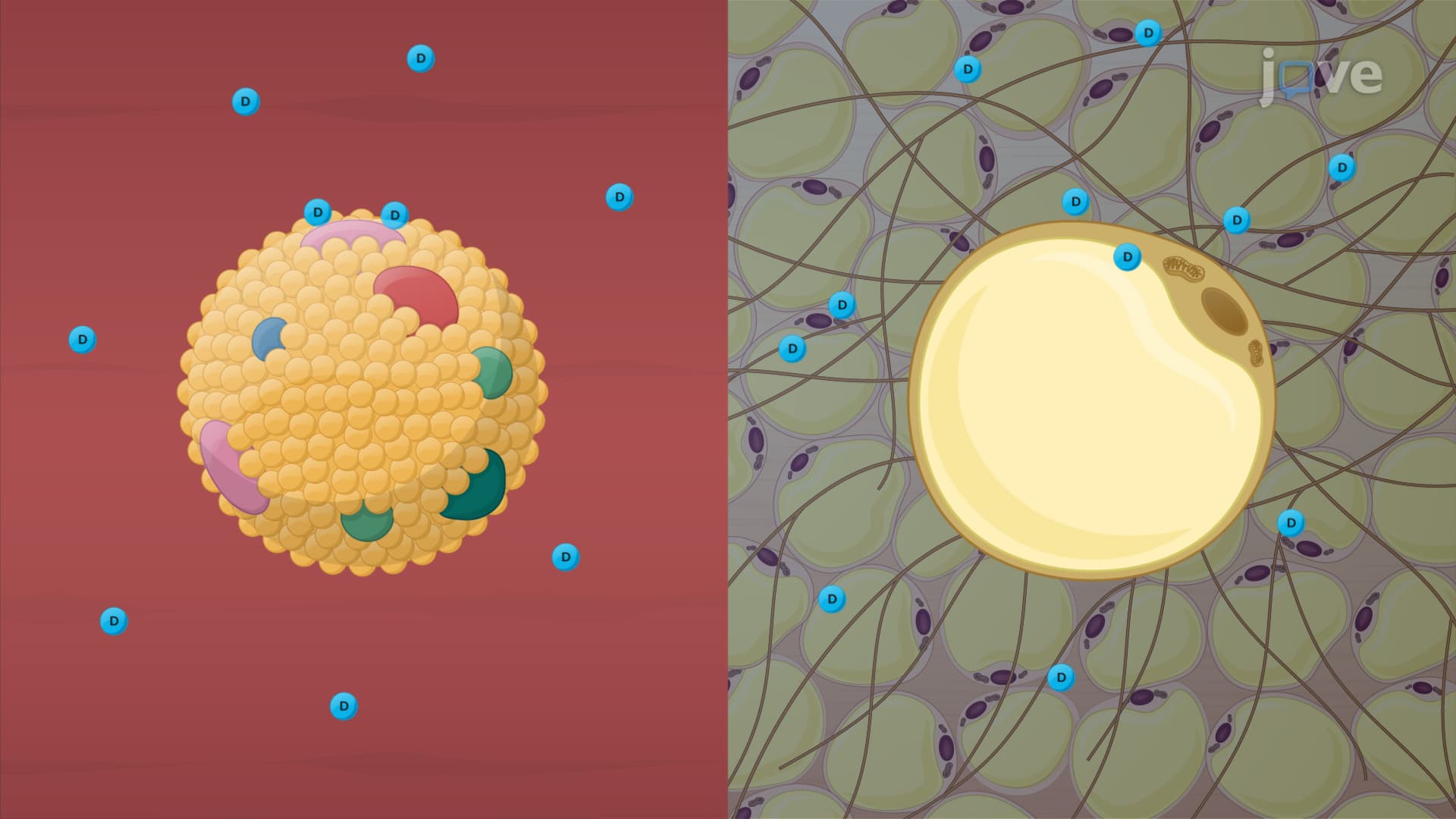
Protein drug binding determination methods are essential analytical techniques used to quantify how medications interact with proteins in the human body. When drugs enter the bloodstream, they don't remain completely free-instead, they bind to plasma proteins like albumin, creating a dynamic equilibrium between bound and unbound drug molecules. Only the free (unbound) portion can cross cell membranes and produce therapeutic effects, making accurate measurement crucial for optimal patient care.
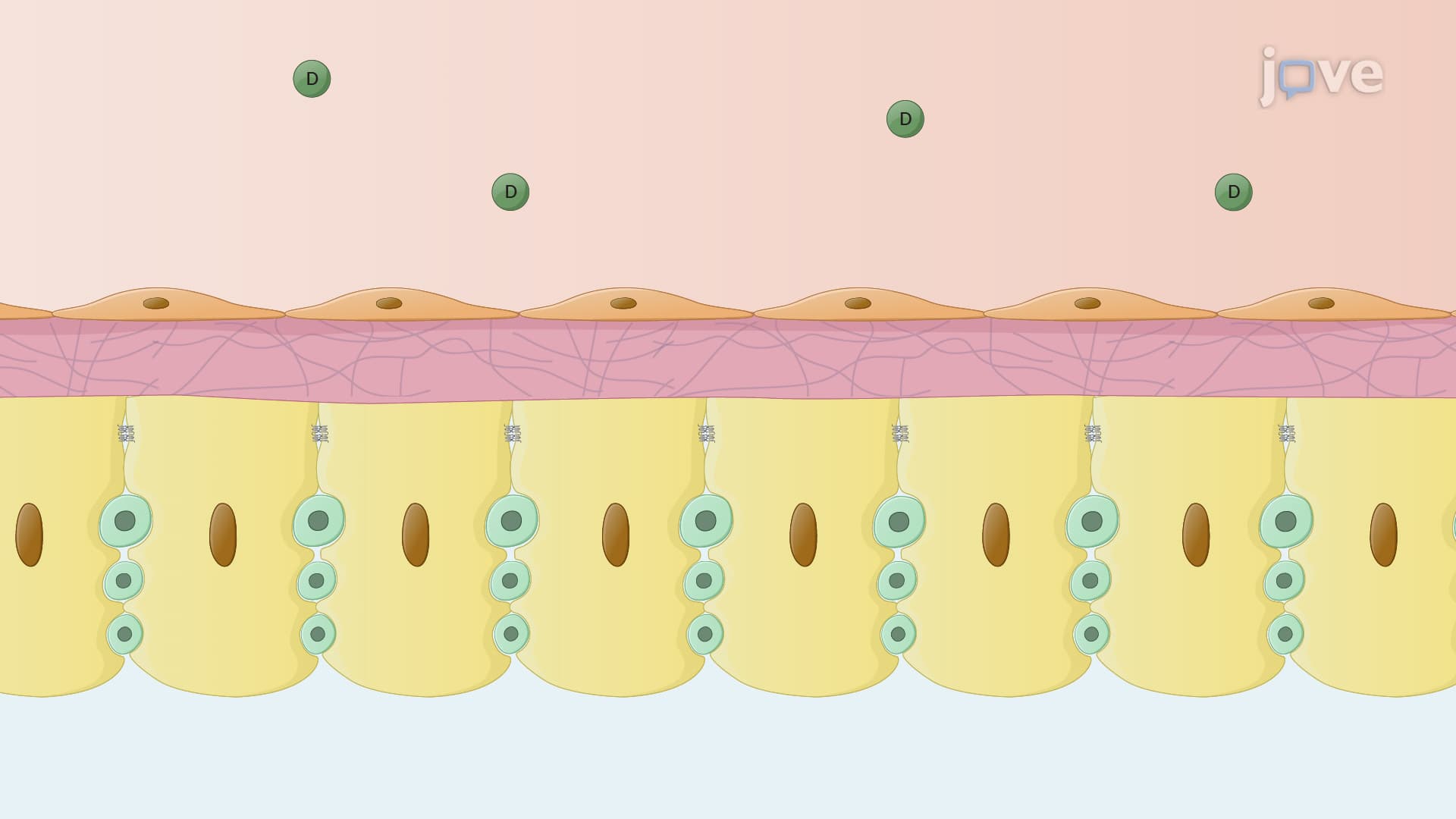
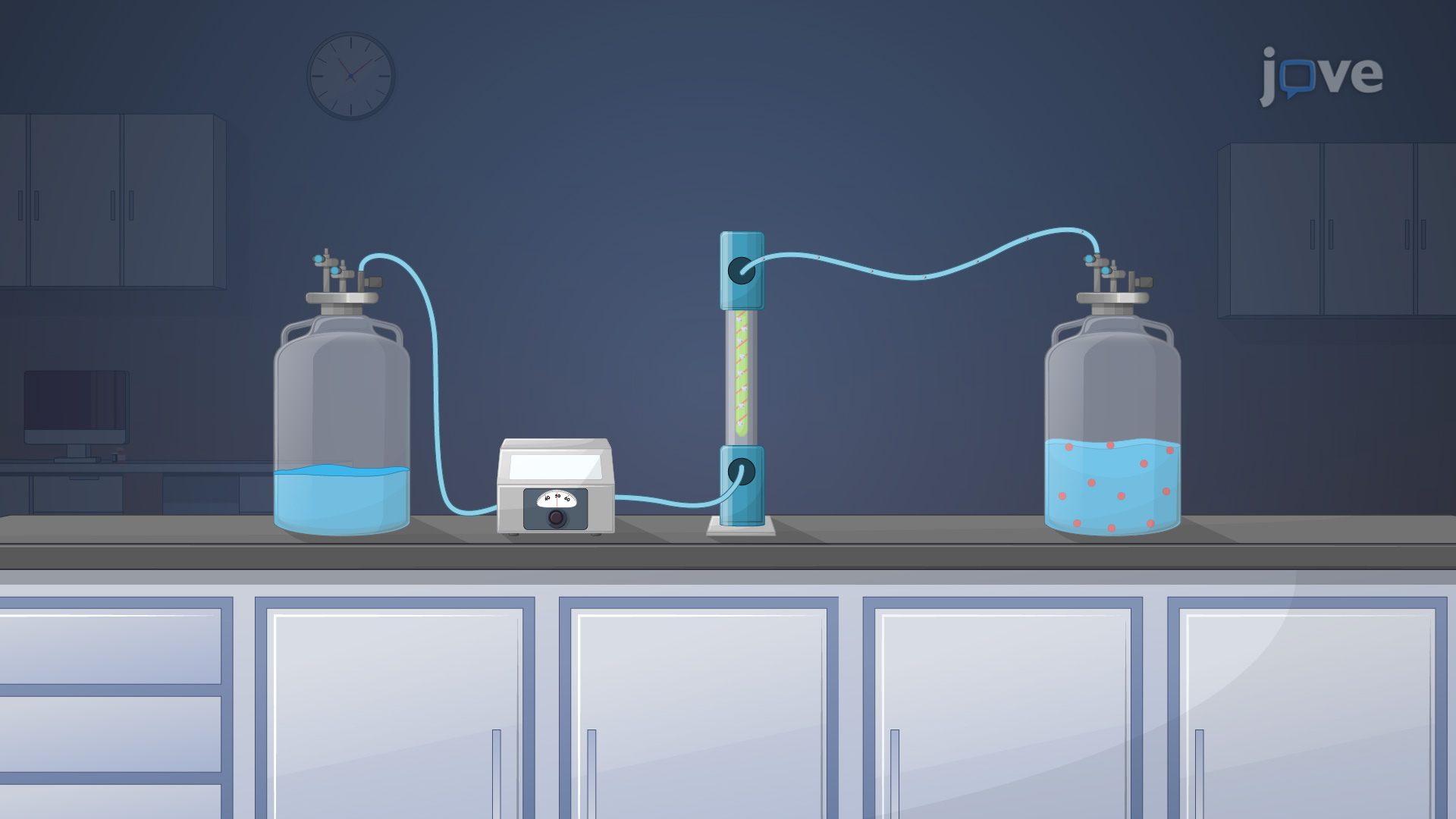
Indirect methods focus on physically separating bound drugs from free drugs in biological samples. Equilibrium dialysis represents the gold standard technique, where a semi-permeable membrane allows free drug molecules to pass while retaining protein-bound complexes. This method provides highly accurate measurements but requires several hours to reach equilibrium. Dynamic dialysis offers faster results by continuously monitoring drug movement across membranes.
Ultrafiltration uses pressure to force free drug molecules through membrane pores while retaining larger protein-drug complexes. This technique proves particularly valuable in clinical laboratories analyzing blood samples from patients receiving medications like phenytoin or digoxin, where protein binding significantly affects dosing decisions. Ultracentrifugation employs high-speed rotation to separate components based on molecular weight differences, while gel filtration chromatography separates molecules by size as they pass through porous gel beads.
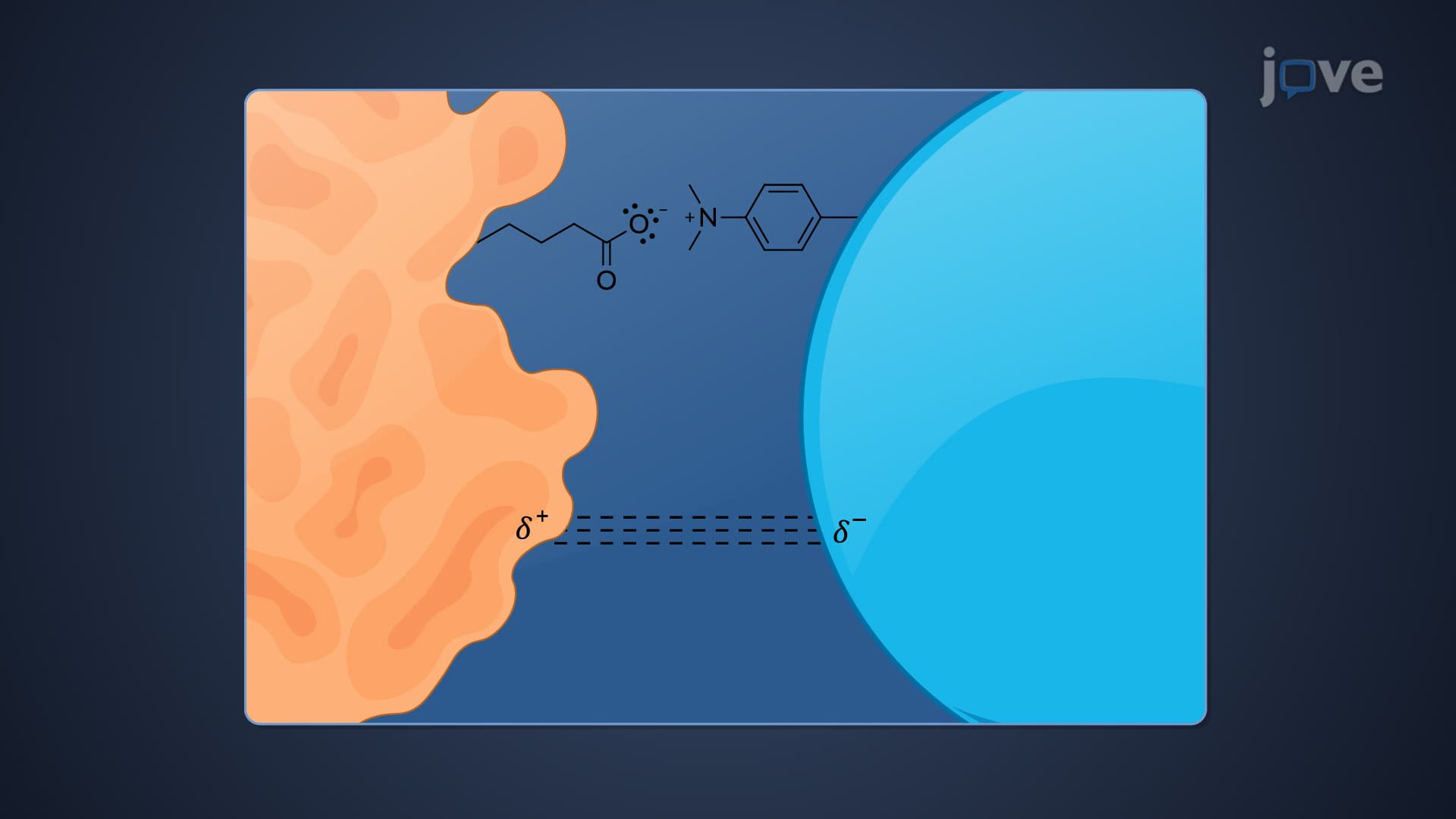
Direct methods eliminate the need for physical separation by measuring binding characteristics in protein solutions. UV spectroscopy detects changes in light absorption when drugs bind to proteins, providing rapid quantitative results. Fluorescence spectroscopy offers enhanced sensitivity by measuring light emission changes upon binding, making it ideal for studying drugs with natural fluorescent properties or those that quench protein fluorescence.
Ion-selective electrodes provide another direct approach, particularly useful for studying ionic drug interactions with proteins. These methods prove especially valuable in pharmaceutical research conducted at institutions like the National Institutes of Health, where researchers investigate new drug formulations.
Scientists use various graphical methods to analyze binding data, including Scatchard plots (bound/free vs bound), Klotz plots (reciprocal relationships), and Hitchcock plots for competitive binding studies. These analytical approaches help determine binding affinity constants and the number of binding sites per protein molecule.
Understanding these methods proves crucial for students preparing for advanced placement exams, MCAT sections covering pharmacology, and college-level biochemistry courses. Healthcare professionals use this knowledge to optimize drug dosing, predict drug interactions, and develop new therapeutic strategies in clinical settings across the United States.
Related Micro-courses