Loading video…


 14 Concepts
 6.6K views

Video Summary: Protein Drug Binding Mechanism and Kinetics Explained
Ever wonder why some medications like warfarin require careful monitoring while others don't? The protein drug binding mechanism determines how long drugs stay active in your system and how they interact with other medications. When warfarin binds tightly to albumin proteins in blood plasma, it creates a reservoir effect that extends its anticoagulant action for days. Understanding Protein Drug Binding Mechanism And Kinetics Explained helps predict dangerous drug interactions, like when phenylbutazone displaces warfarin from binding sites. Watch the full video on JoVE Coach to master this concept with expert-led visuals and step-by-step explanations.
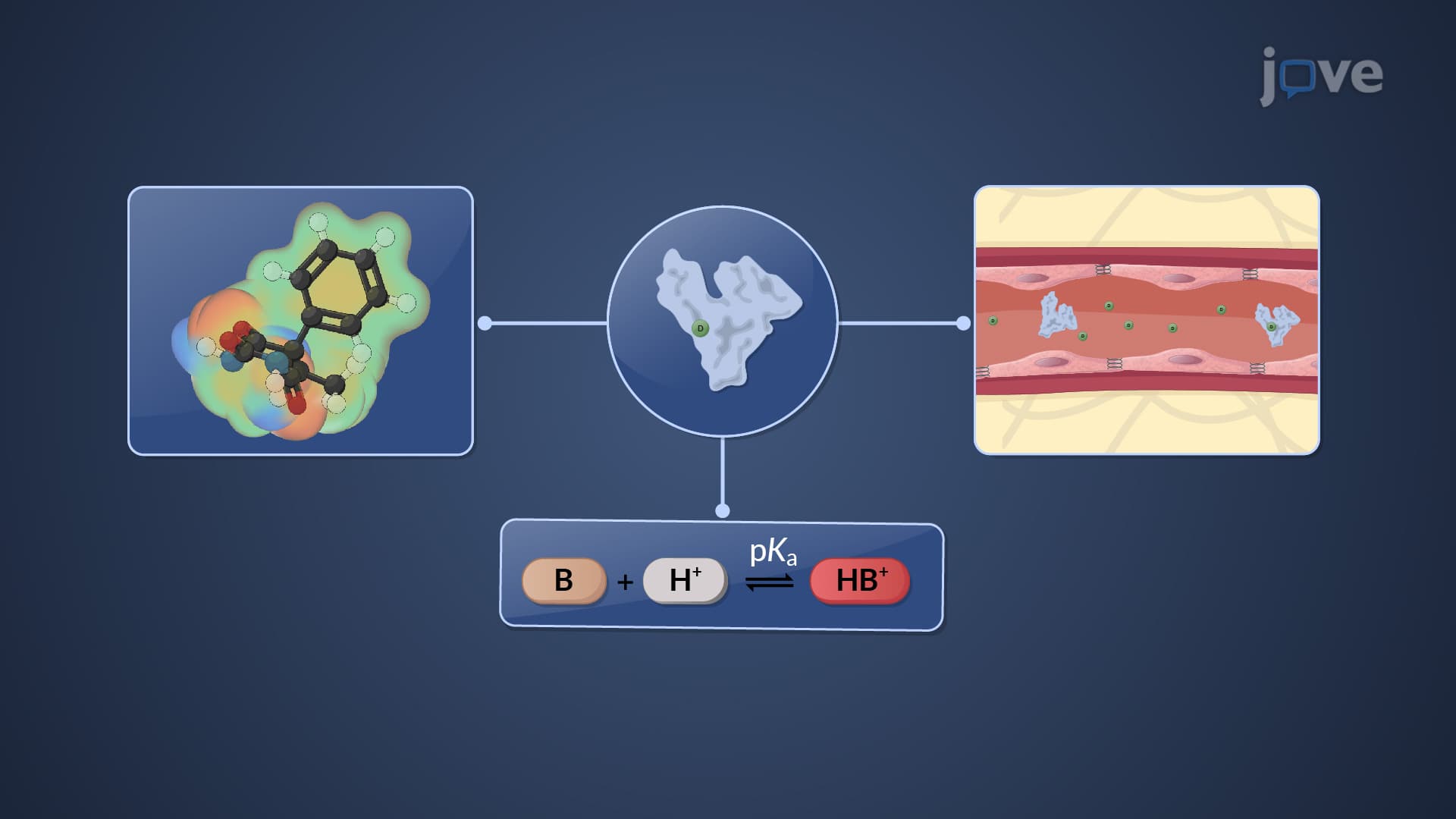
Protein Drug Binding Mechanism And Kinetics Explained represents a cornerstone concept in pharmacology that determines how medications behave in the human body. This process involves reversible interactions between drug molecules and various proteins, creating dynamic equilibrium systems that directly impact therapeutic outcomes. Unlike simple chemical reactions, protein-drug binding operates through multiple molecular forces working simultaneously, making it a complex but predictable phenomenon.
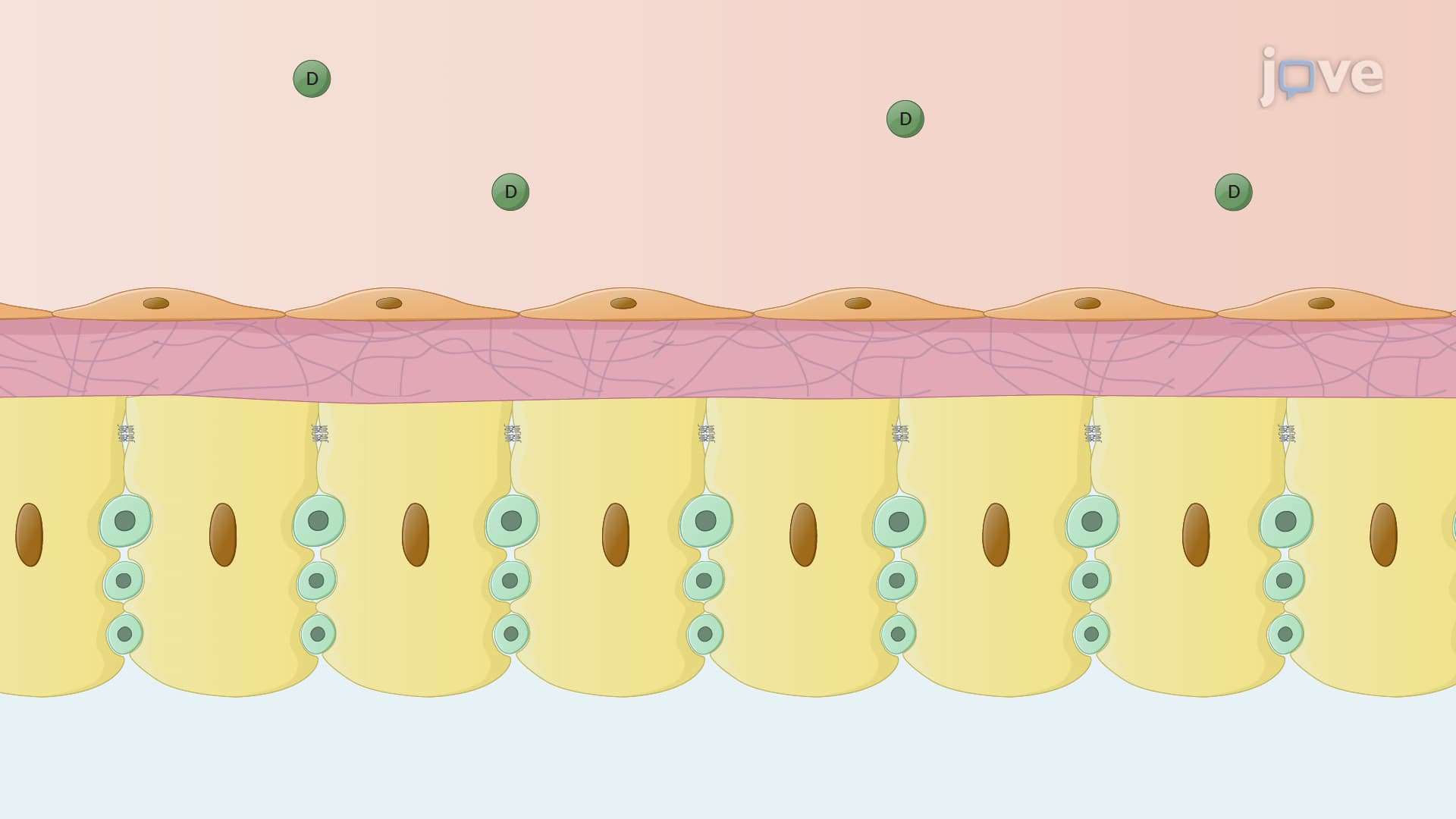
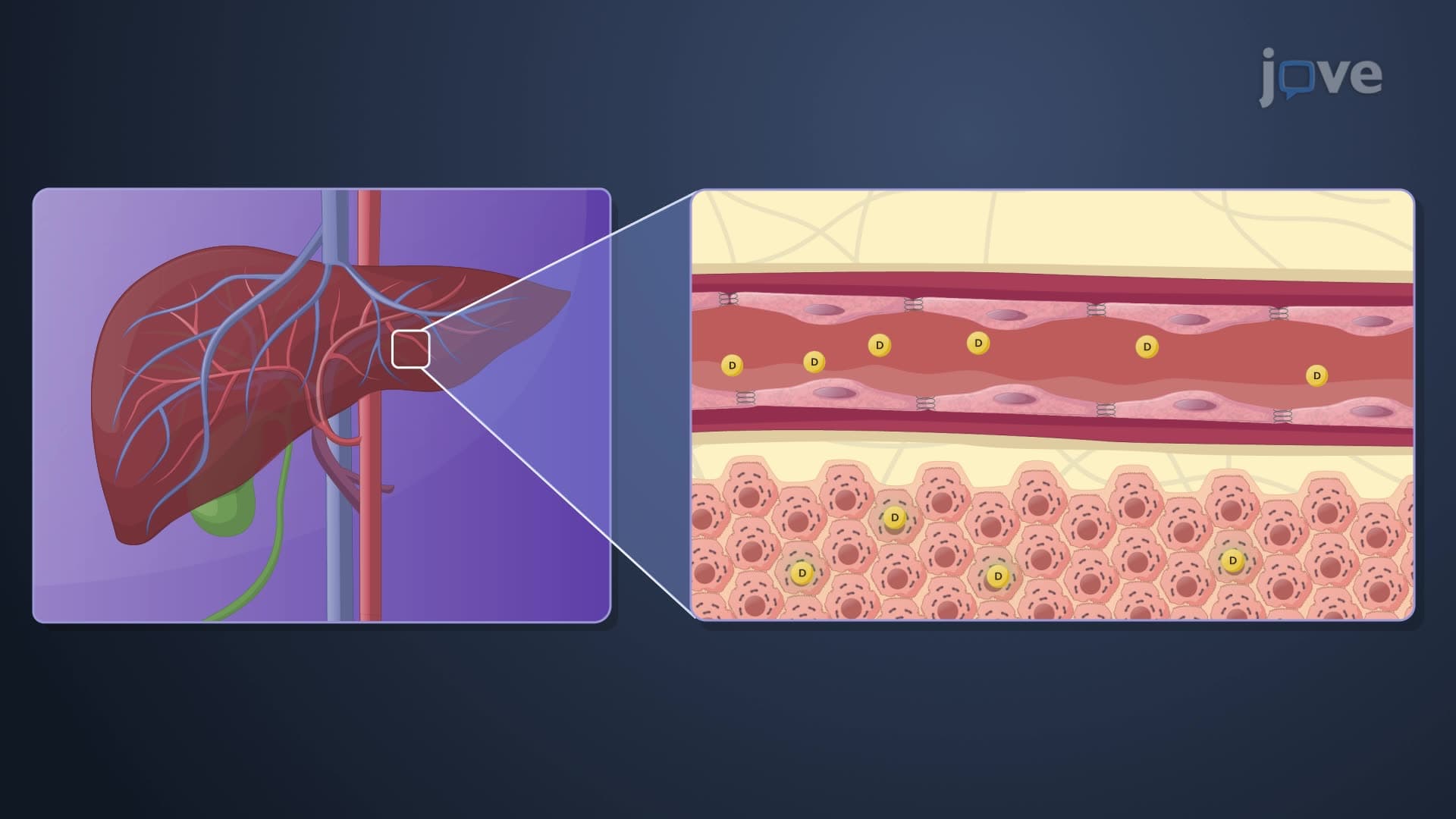
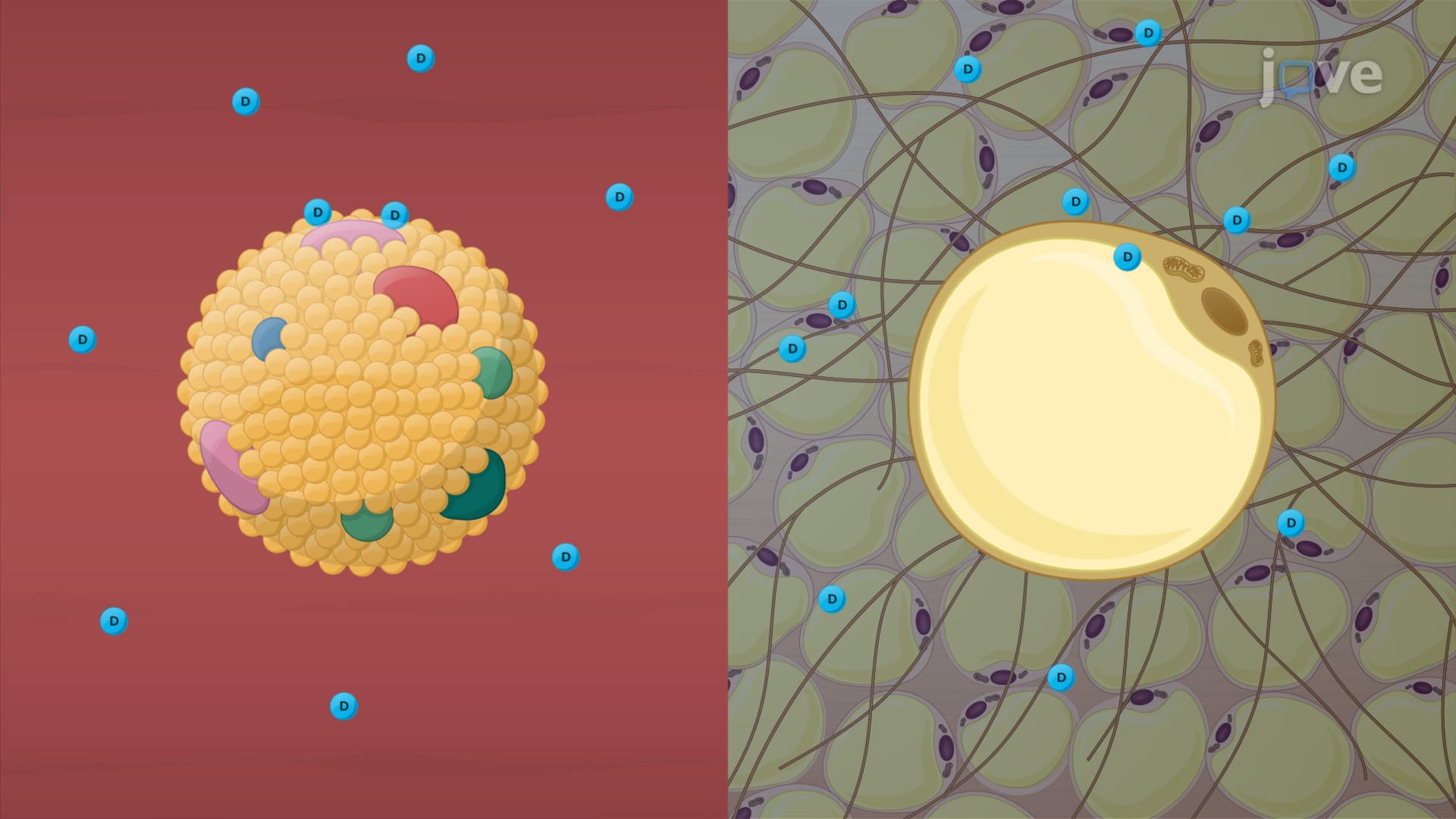
The mechanism occurs in two primary locations: intracellularly, where drugs interact with enzymes and receptors inside cells, and extracellularly, where drugs bind to plasma proteins circulating in the bloodstream. Albumin, the most abundant plasma protein, serves as the primary binding partner for many medications, including warfarin, diazepam, and phenytoin-drugs commonly encountered in MCAT and USMLE questions.
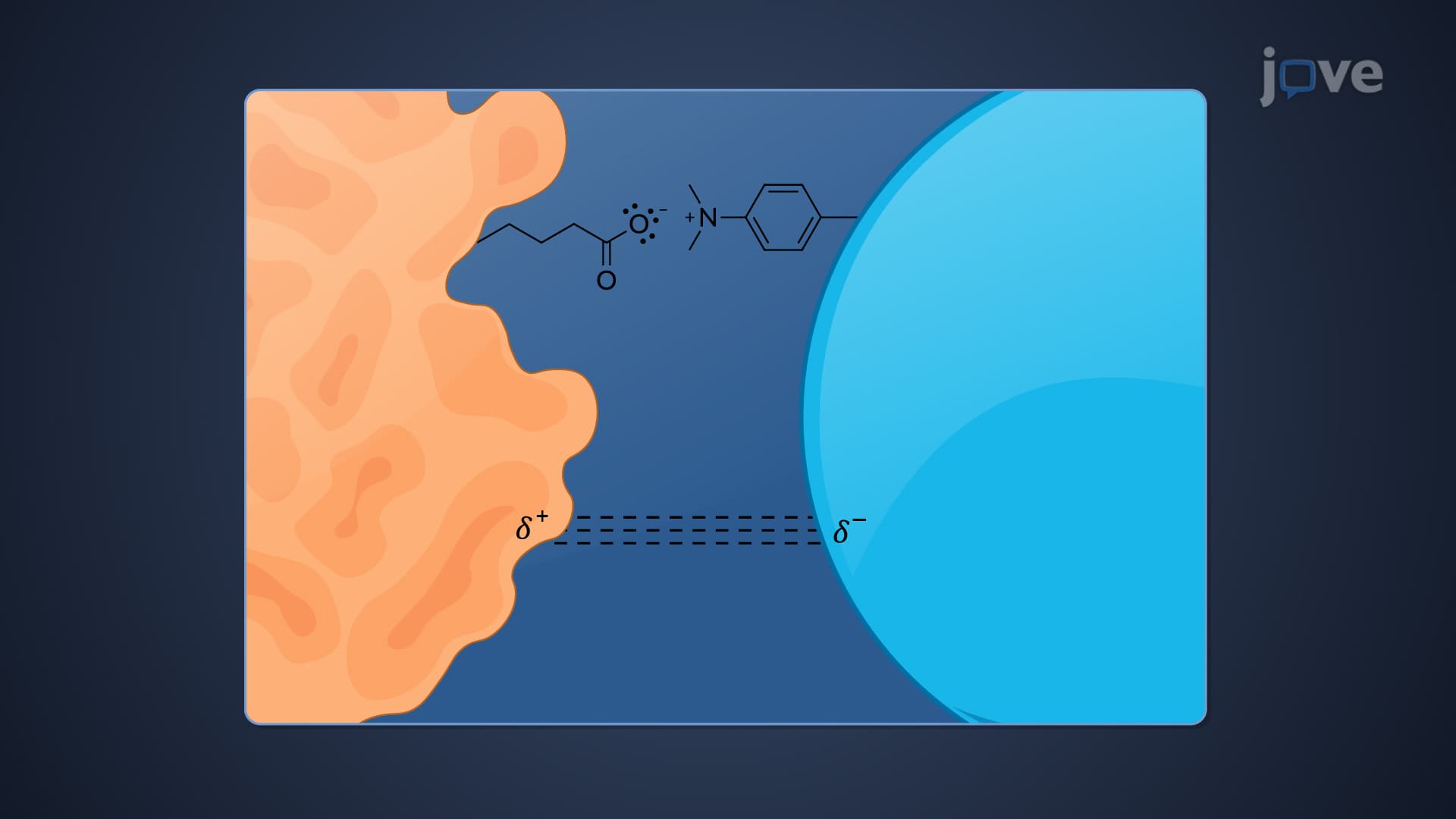
Four distinct molecular forces drive protein-drug binding: hydrogen bonds, ionic bonds, hydrophobic interactions, and van der Waals forces. Hydrogen bonds form between polar drug molecules and amino acid residues containing oxygen or nitrogen atoms. Ionic bonds occur when charged drug molecules interact with oppositely charged protein regions. Hydrophobic interactions allow nonpolar drug portions to associate with hydrophobic protein pockets, while van der Waals forces provide weak but numerous attractive forces between molecules.
These forces work together to determine binding strength and selectivity. For AP Biology students, this concept connects directly to protein structure and function topics, particularly how molecular shape and chemical properties influence biological interactions.
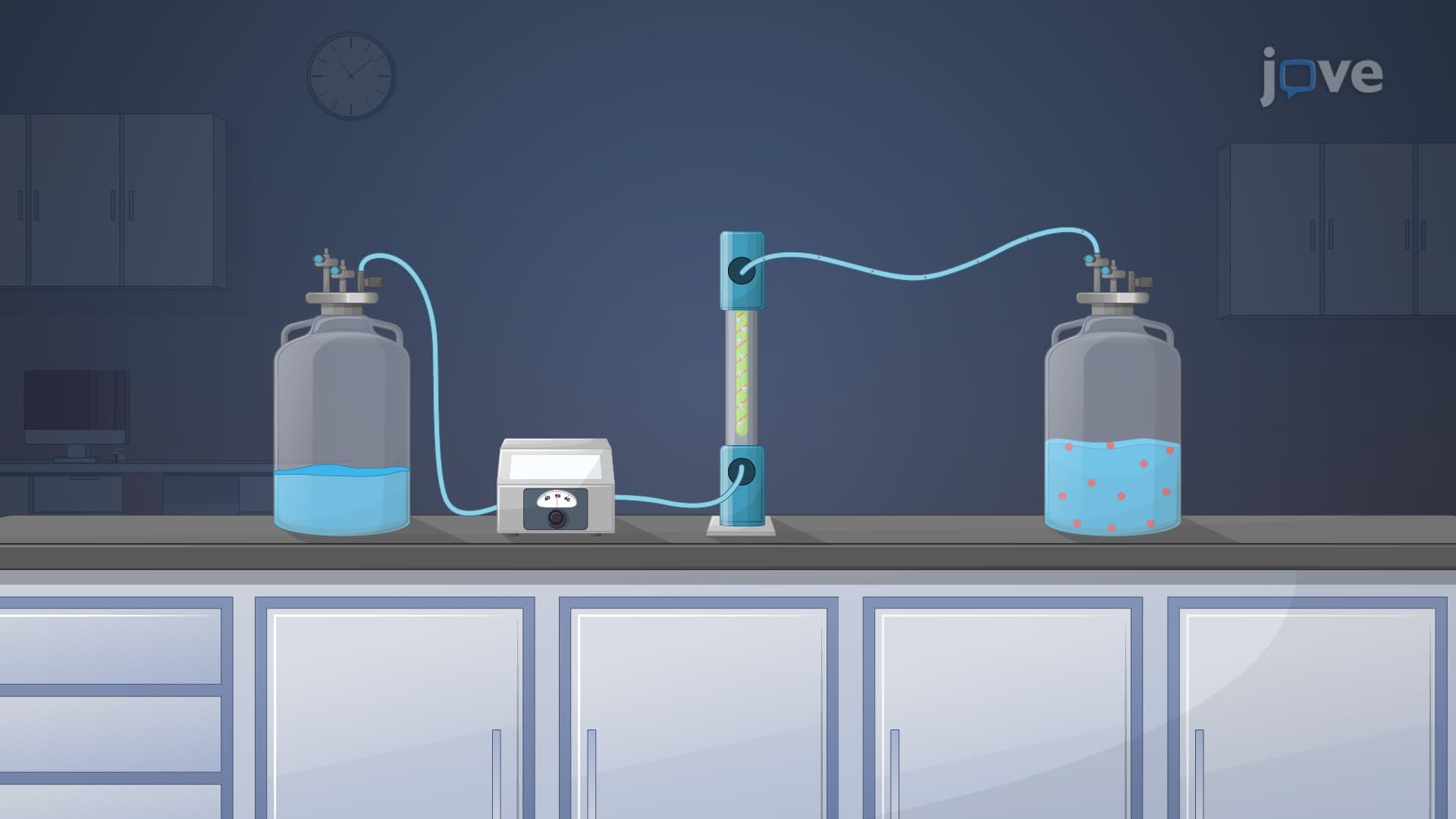
The kinetics of protein-drug binding follow mathematical principles similar to enzyme kinetics, with association rate constants (kon) and dissociation rate constants (koff) determining overall binding behavior. Warfarin exemplifies these principles perfectly-its high association rate and low dissociation rate create tight binding to albumin, resulting in a long half-life of 36-42 hours and extended anticoagulant effects.
This binding creates a drug reservoir in plasma, slowly releasing active medication as unbound drug gets metabolized or eliminated. However, competitive displacement becomes clinically significant when drugs like phenylbutazone compete for the same albumin binding sites, potentially increasing free warfarin concentrations and bleeding risk-a scenario frequently tested on the NCLEX and pharmacy school exams.
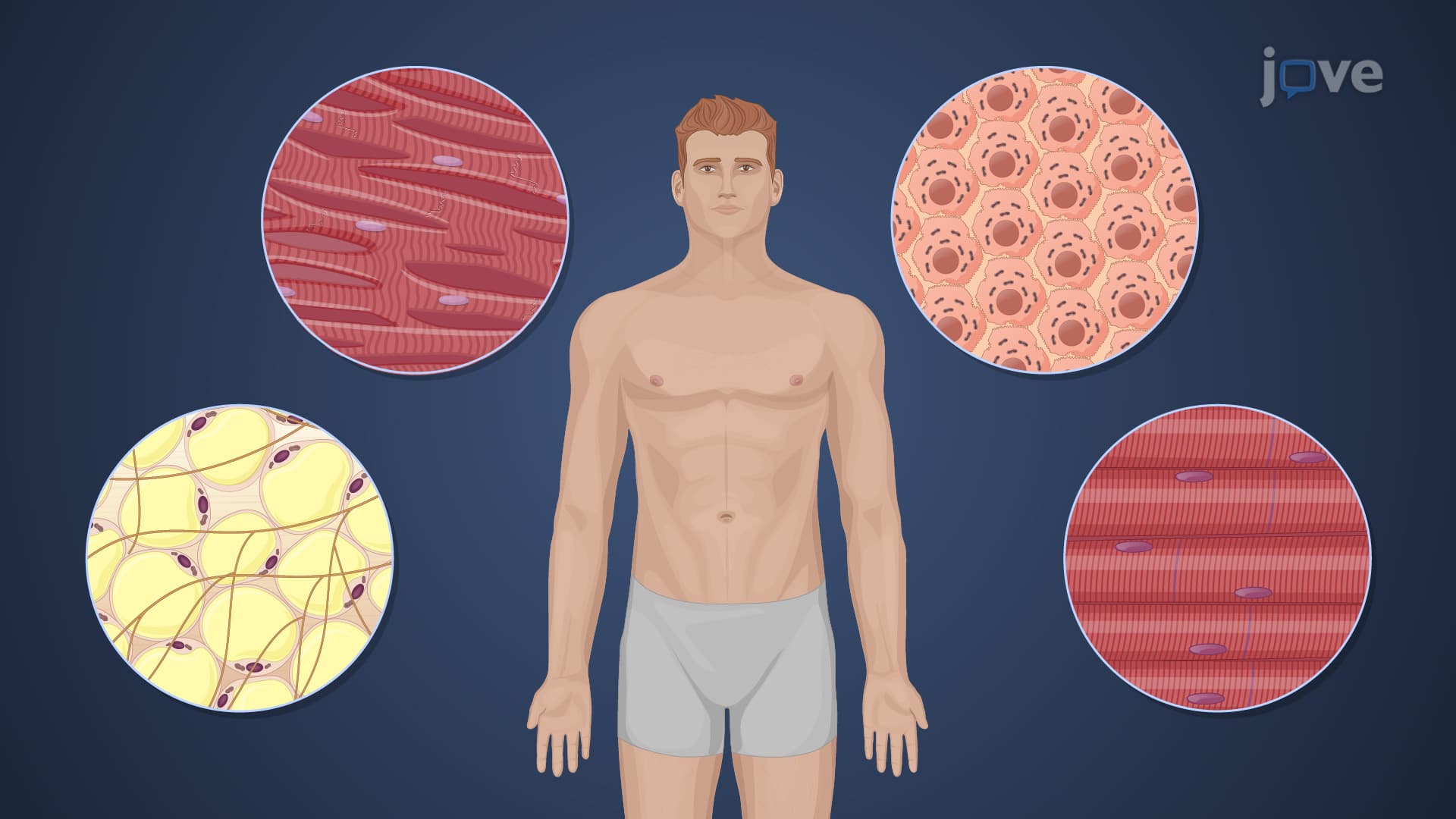
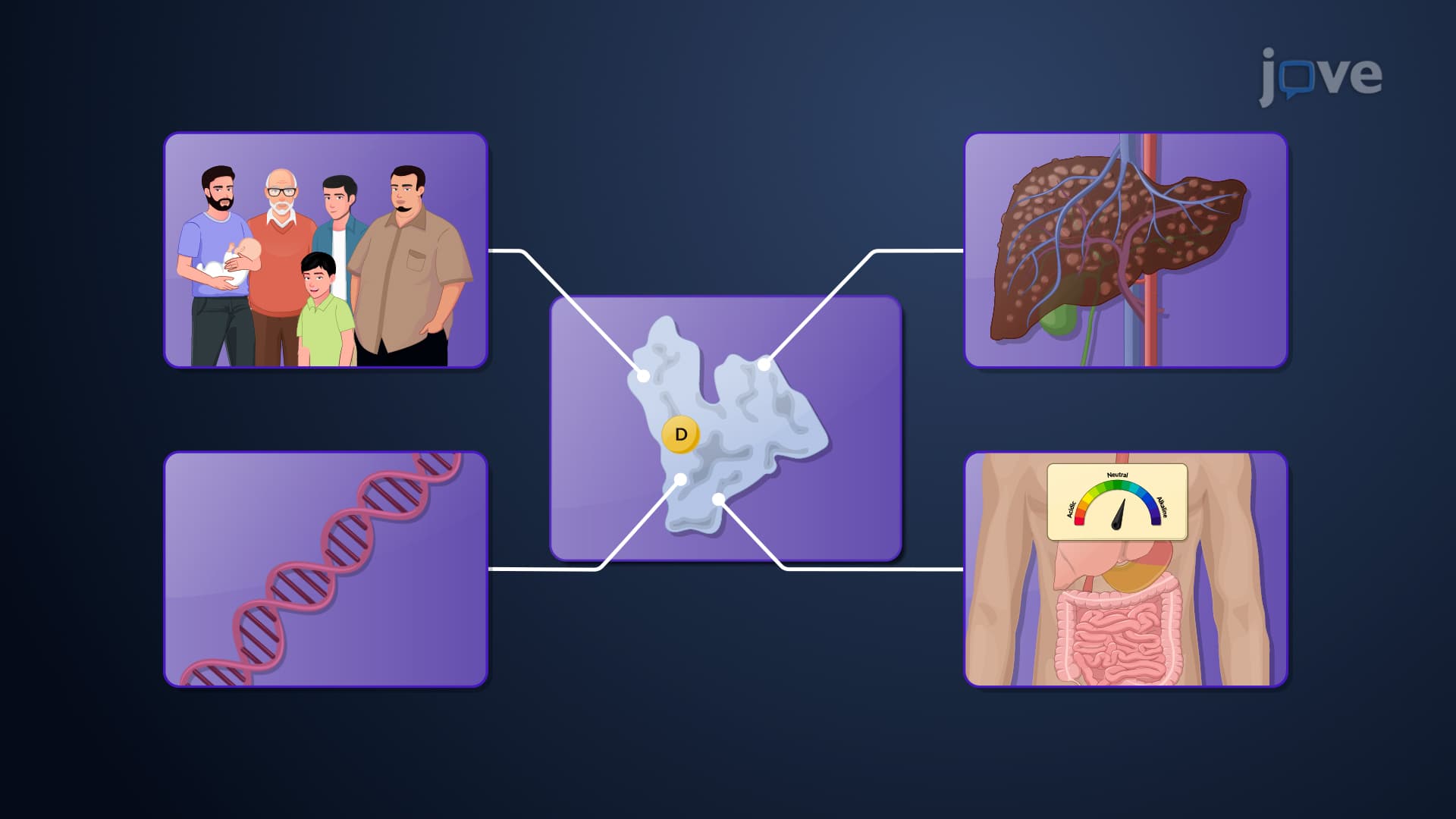
Understanding these mechanisms helps explain why elderly patients often require lower drug doses (reduced albumin levels), why liver disease affects drug distribution (decreased protein synthesis), and why drug interactions can be life-threatening. For college students studying for organic chemistry or biochemistry courses, protein-drug binding demonstrates real-world applications of molecular interaction principles.
Related Micro-courses