Loading video…


 14 Concepts
 6.6K views

Video Summary: Protein Related Factors That Influence Drug Protein Binding
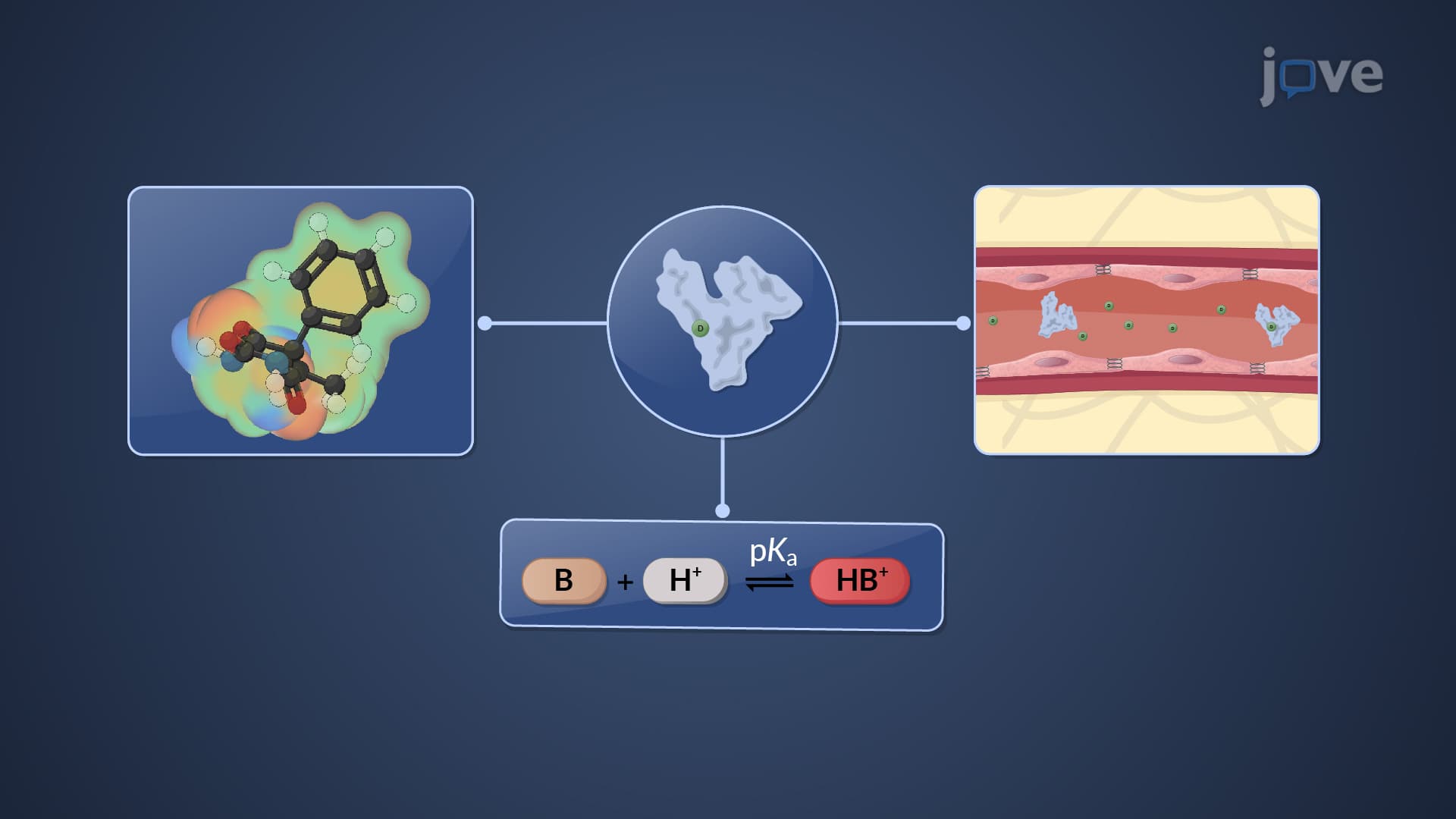
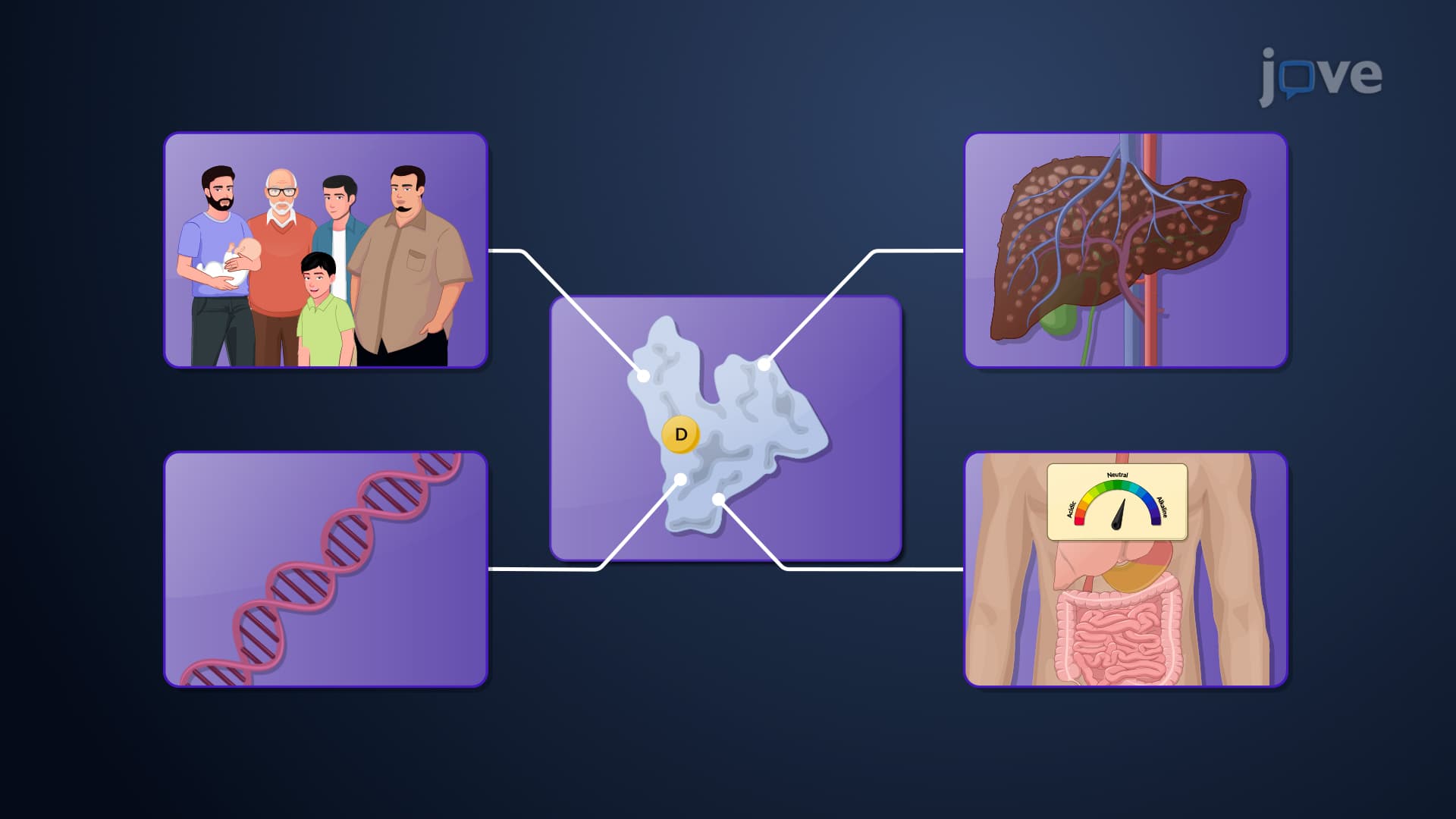
Did you know that over 95% of medications bind to proteins in your bloodstream before reaching their target? The factors affecting protein-drug binding determine how effectively drugs like ibuprofen or warfarin work in your body. These protein-related factors that influence drug-protein binding include protein concentration, physicochemical properties, disease states, and the number of available binding sites. For instance, patients with liver disease often have altered albumin levels, directly affecting how warfarin doses must be adjusted at hospitals like Mayo Clinic. Watch the full video on JoVE Coach to master this concept with expert-led visuals and step-by-step explanations.
Drug-protein binding represents a fundamental pharmacokinetic process that determines medication effectiveness, safety, and dosing requirements. When you take medications like aspirin or antibiotics, these drugs don't simply float freely in your bloodstream-they form reversible complexes with plasma proteins, creating a dynamic equilibrium that influences therapeutic outcomes.
Protein concentration serves as the most critical determinant of drug binding capacity. Human albumin, synthesized in the liver at approximately 12-15 grams daily, maintains plasma concentrations of 3.5-5.0 g/dL in healthy adults. This abundance explains why albumin binds roughly 60% of acidic drugs and many neutral compounds. Consider warfarin therapy: patients at institutions like Cleveland Clinic require careful monitoring because albumin concentration directly affects the drug's free (active) fraction.
In contrast, α1-acid glycoprotein exists at much lower concentrations (0.5-1.2 mg/mL), limiting its binding capacity despite high affinity for basic drugs like propranolol and lidocaine. This concentration difference becomes clinically significant during inflammatory states when α1-acid glycoprotein levels can increase 2-4 fold, potentially reducing free drug concentrations.
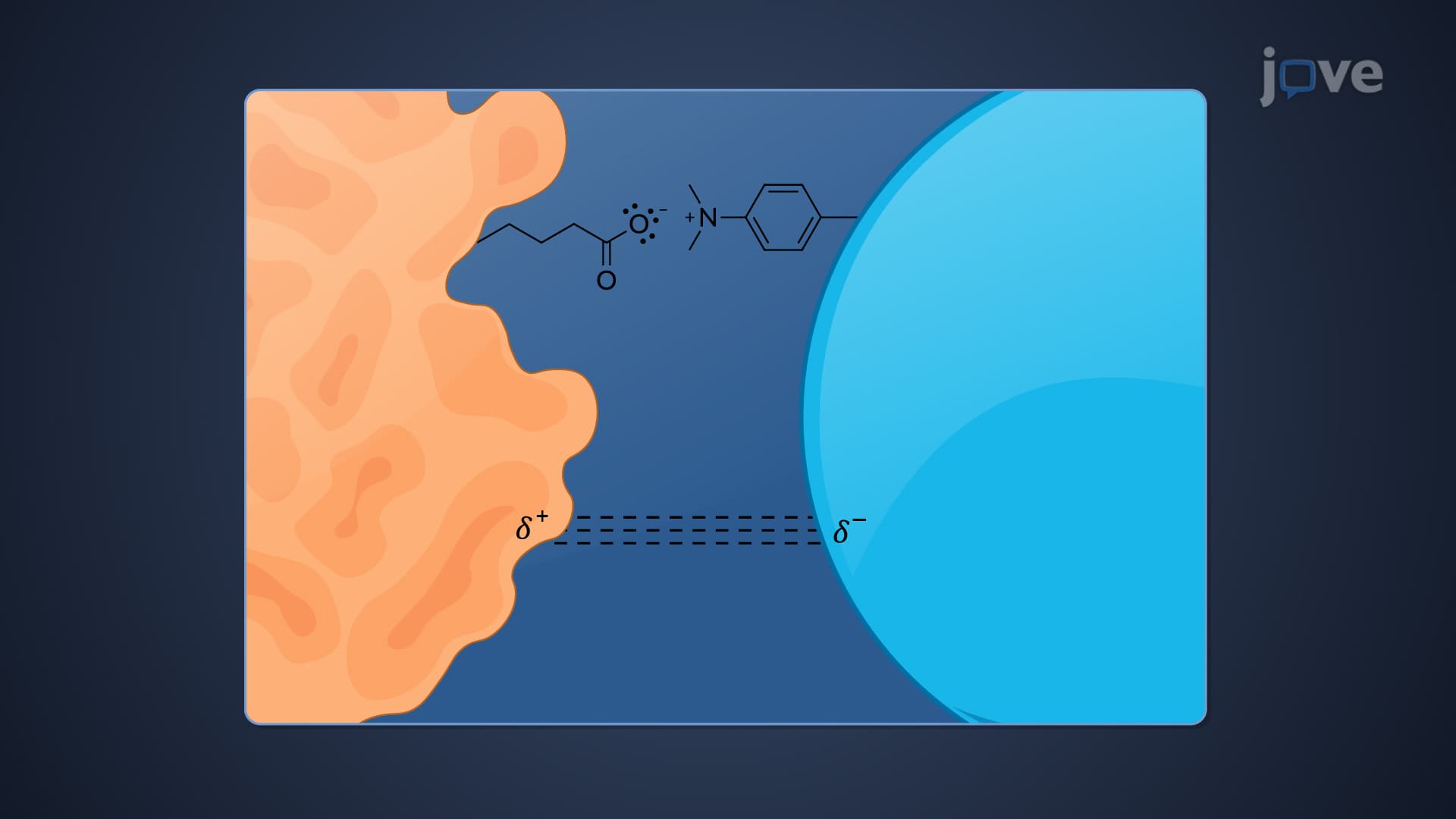
Protein structure and drug characteristics determine binding specificity through multiple mechanisms. Albumin's flexibility allows conformational changes that accommodate various drug structures, while its multiple binding domains (Sites I and II) exhibit different affinities for specific drug classes. Site I preferentially binds warfarin and phenylbutazone, while Site II favors ibuprofen and naproxen.
The physiological pH of 7.4 maintains optimal protein conformation for drug binding. Acidosis or alkalosis can alter protein structure, affecting binding affinity-a concept frequently tested on the MCAT and relevant in critical care settings where pH disturbances occur.
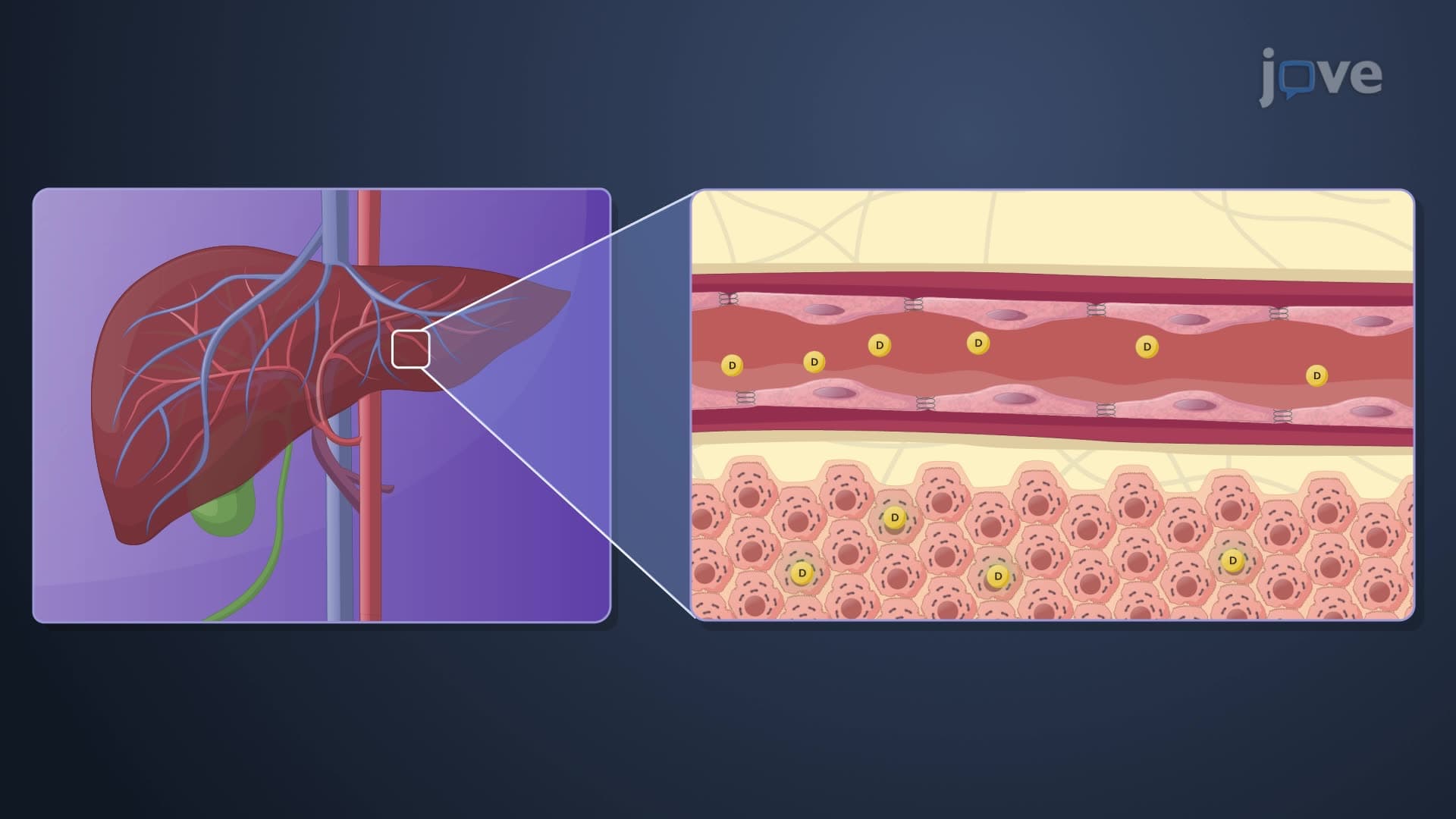
Pathological conditions dramatically alter protein-drug binding patterns. Liver disease reduces albumin synthesis, while nephrotic syndrome increases albumin loss through urine. Both conditions decrease albumin concentration, increasing free drug fractions and potentially causing toxicity at standard doses.
Inflammation increases acute-phase proteins like α1-acid glycoprotein, reducing free concentrations of basic drugs. This mechanism explains why propranolol doses may require adjustment in patients with inflammatory conditions treated at major medical centers across the United States.
Related Micro-courses