Loading video…


 14 Concepts
 6.6K views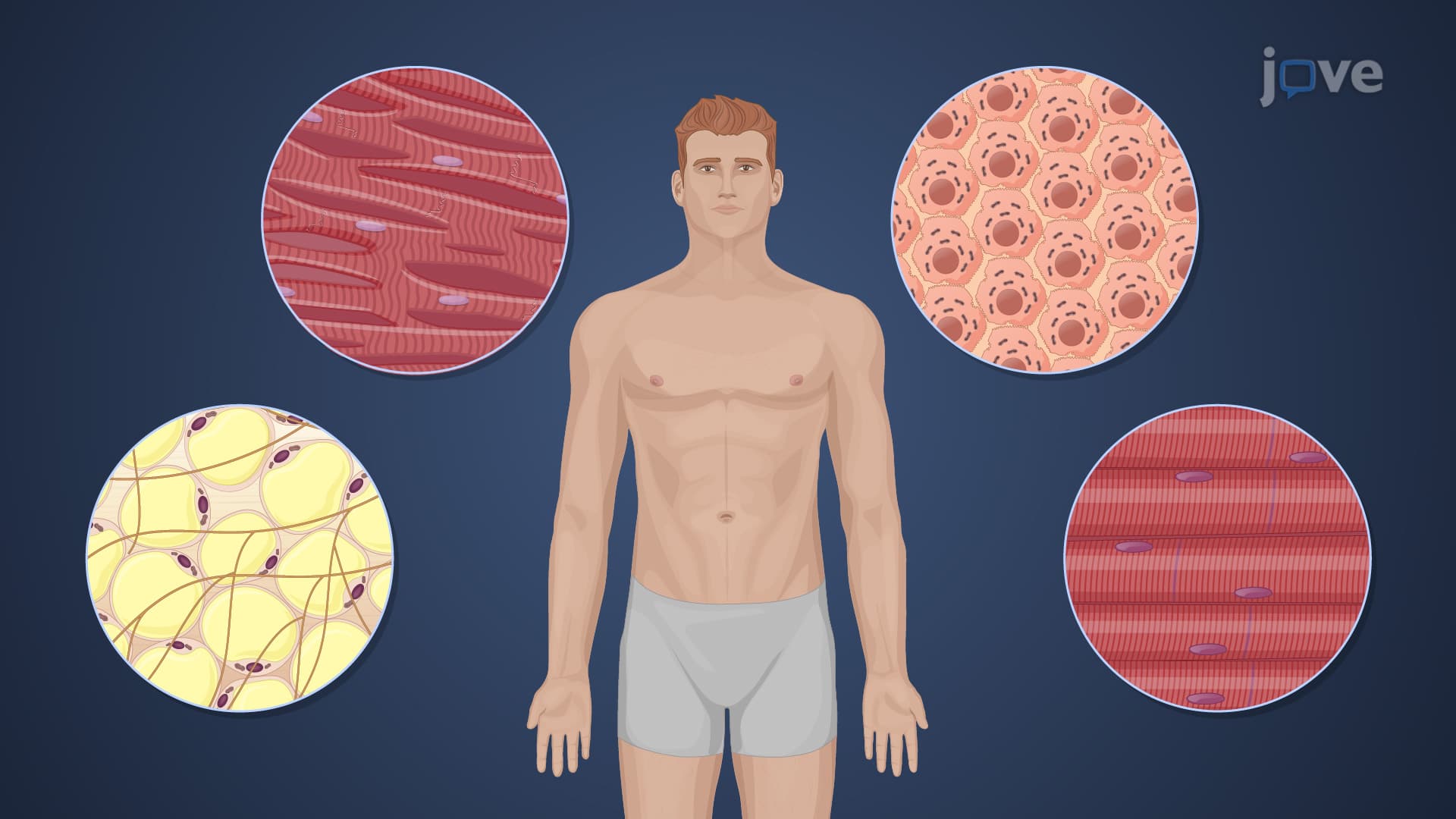

Video Summary: Tissue Drug Binding Localization of Explained
Did you know that your muscle tissue alone can store enough medication to alter how drugs work throughout your entire body? Tissue drug binding localization explains how medications don't just float freely in your bloodstream-they actually get stored in specific body tissues like warehouses. For example, the antimalarial drug chloroquine preferentially accumulates in skin and eye tissues, which explains both its effectiveness and potential side effects. Understanding tissue drug binding localization of explained concepts is crucial for anyone studying pharmacology or preparing for healthcare careers. Watch the full video on JoVE Coach to master this concept with expert-led visuals and step-by-explanations.
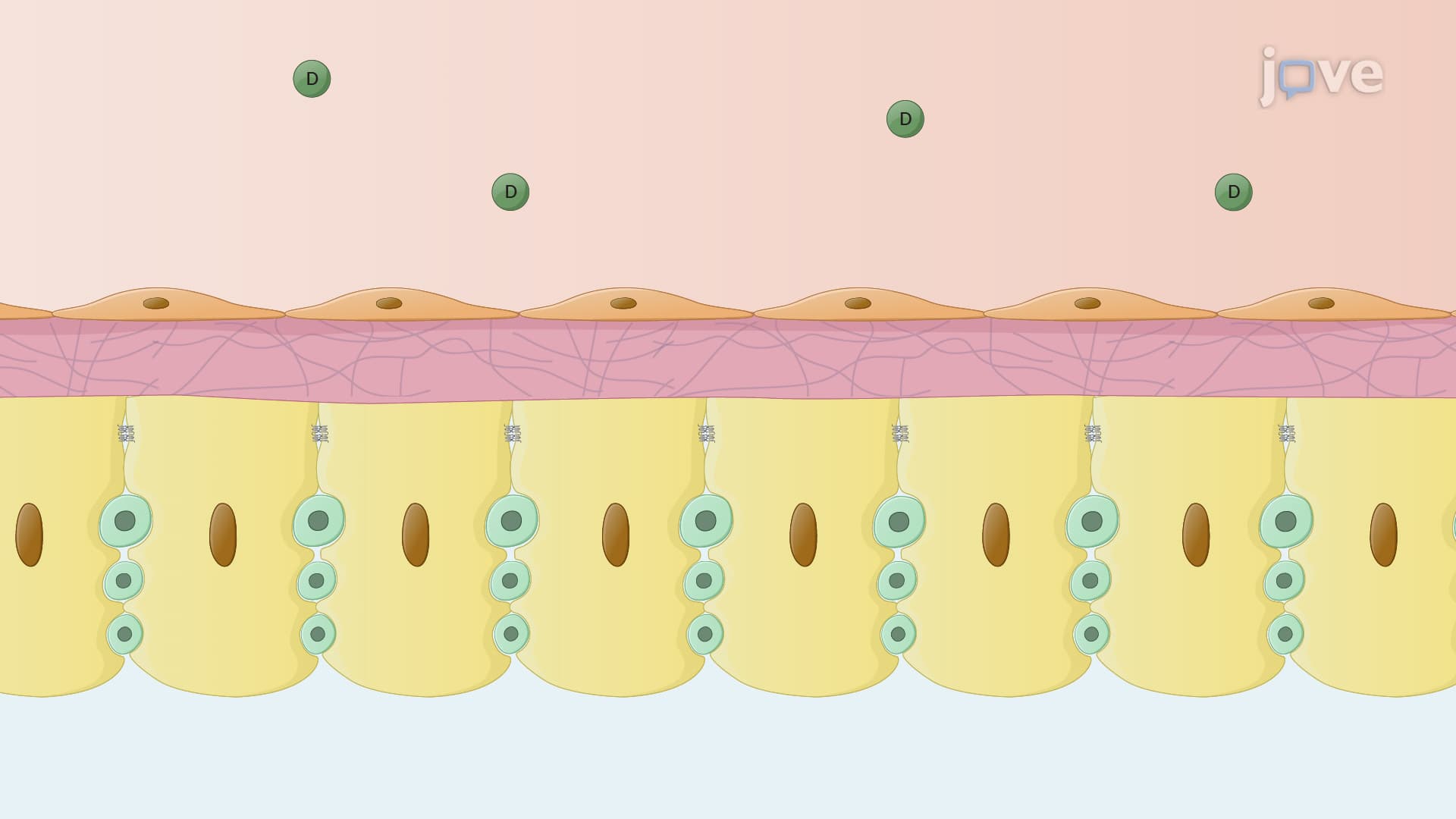
Tissue drug binding localization represents a fundamental principle in pharmacology that explains how medications distribute throughout the human body after administration. Unlike the simplified view that drugs simply circulate in blood, the reality is far more complex-your body's tissues act as sophisticated storage and distribution centers that can dramatically influence how medications work.
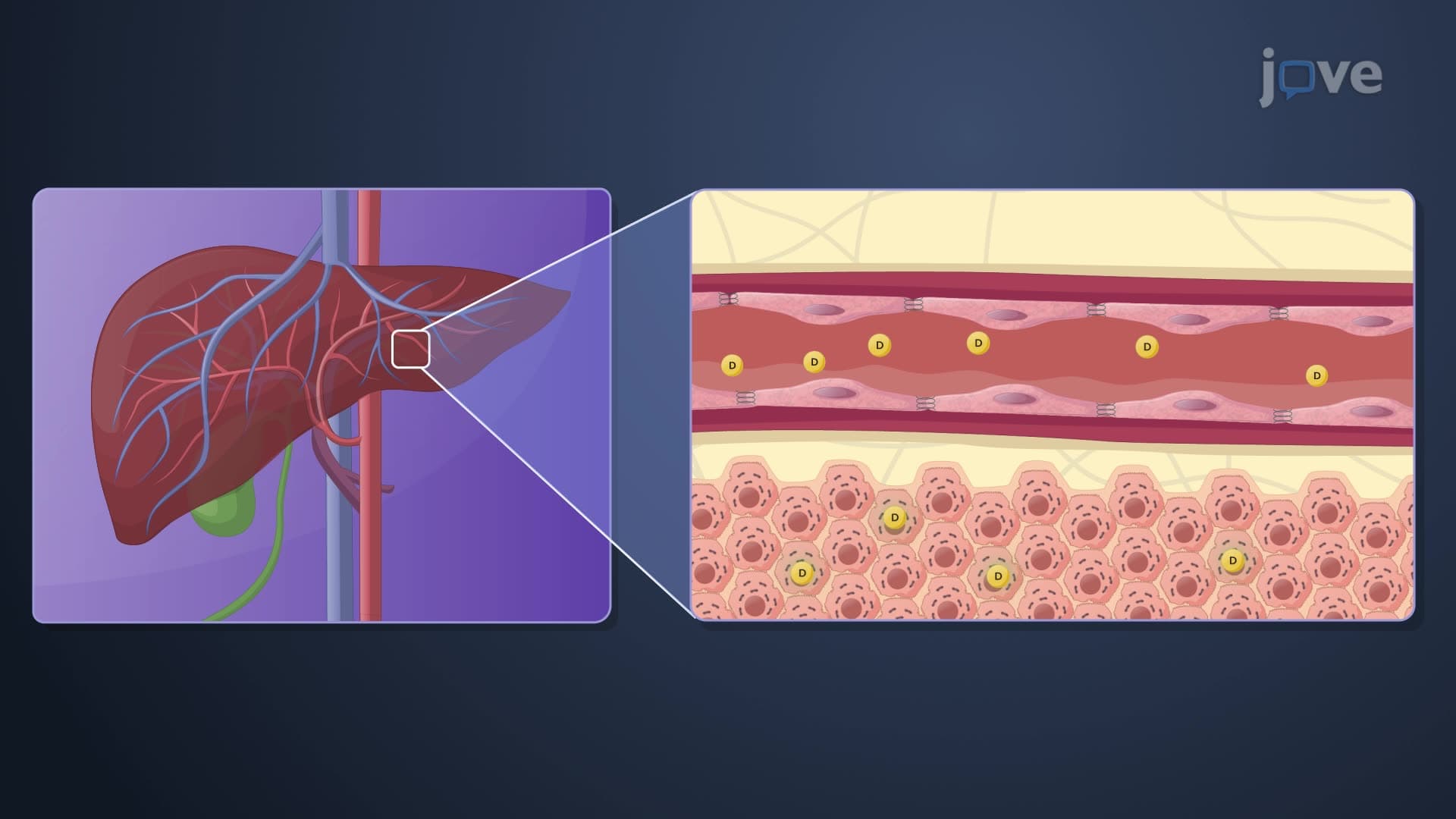
The human body contains numerous tissue reservoirs where drugs can accumulate. The liver typically serves as the primary binding site for most medications, processing an estimated 25% of cardiac output and containing specialized proteins that readily bind to drug molecules. Following the liver, the kidneys represent the second most significant binding site, particularly important for water-soluble medications that undergo renal elimination.
Lung tissue presents unique binding characteristics due to its extensive surface area and rich blood supply, making it a preferred accumulation site for certain drugs like the antidepressant imipramine. Muscle tissue, comprising 40-50% of total body weight in healthy adults, provides massive storage capacity that can significantly impact drug duration and effectiveness.
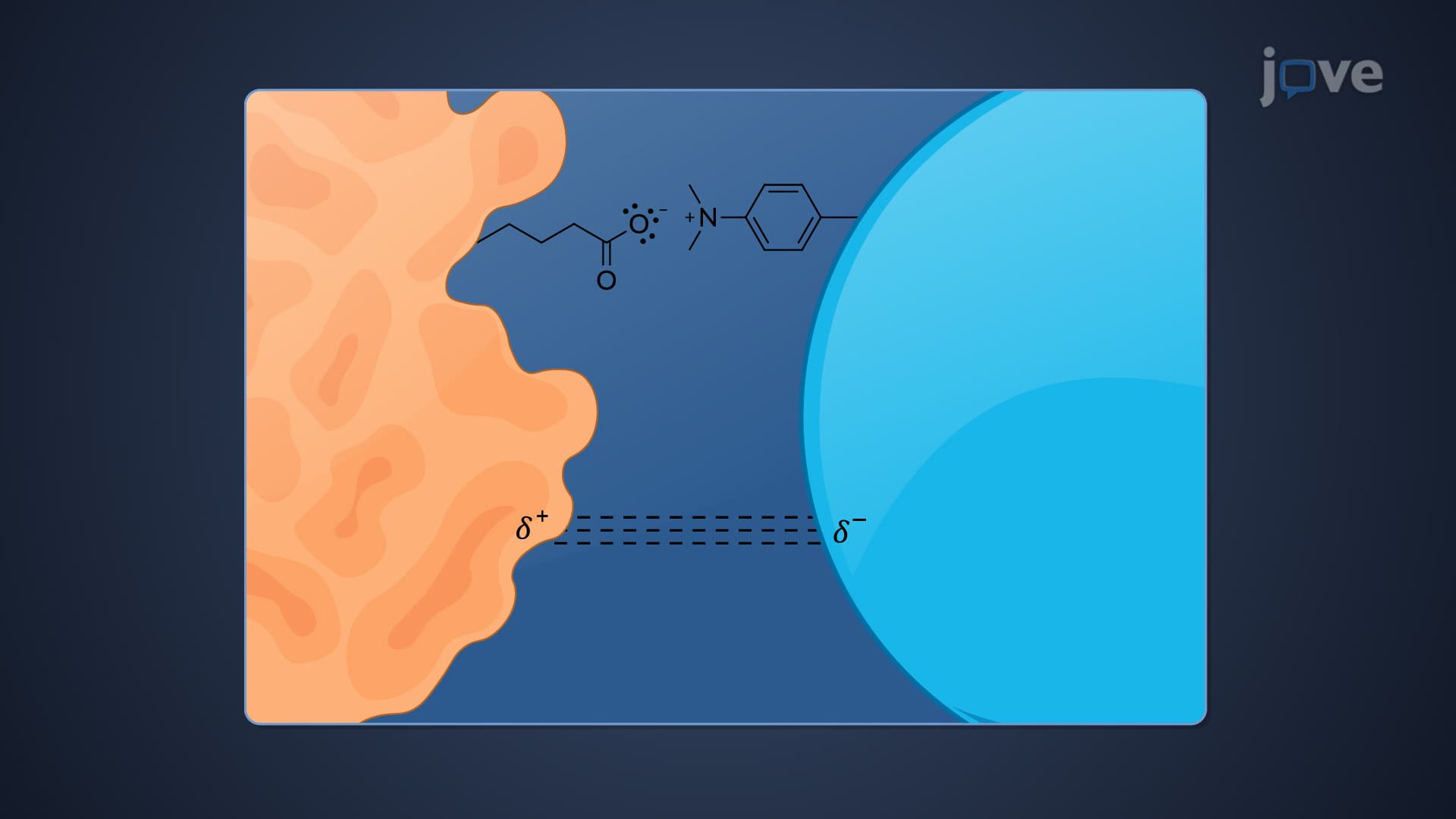
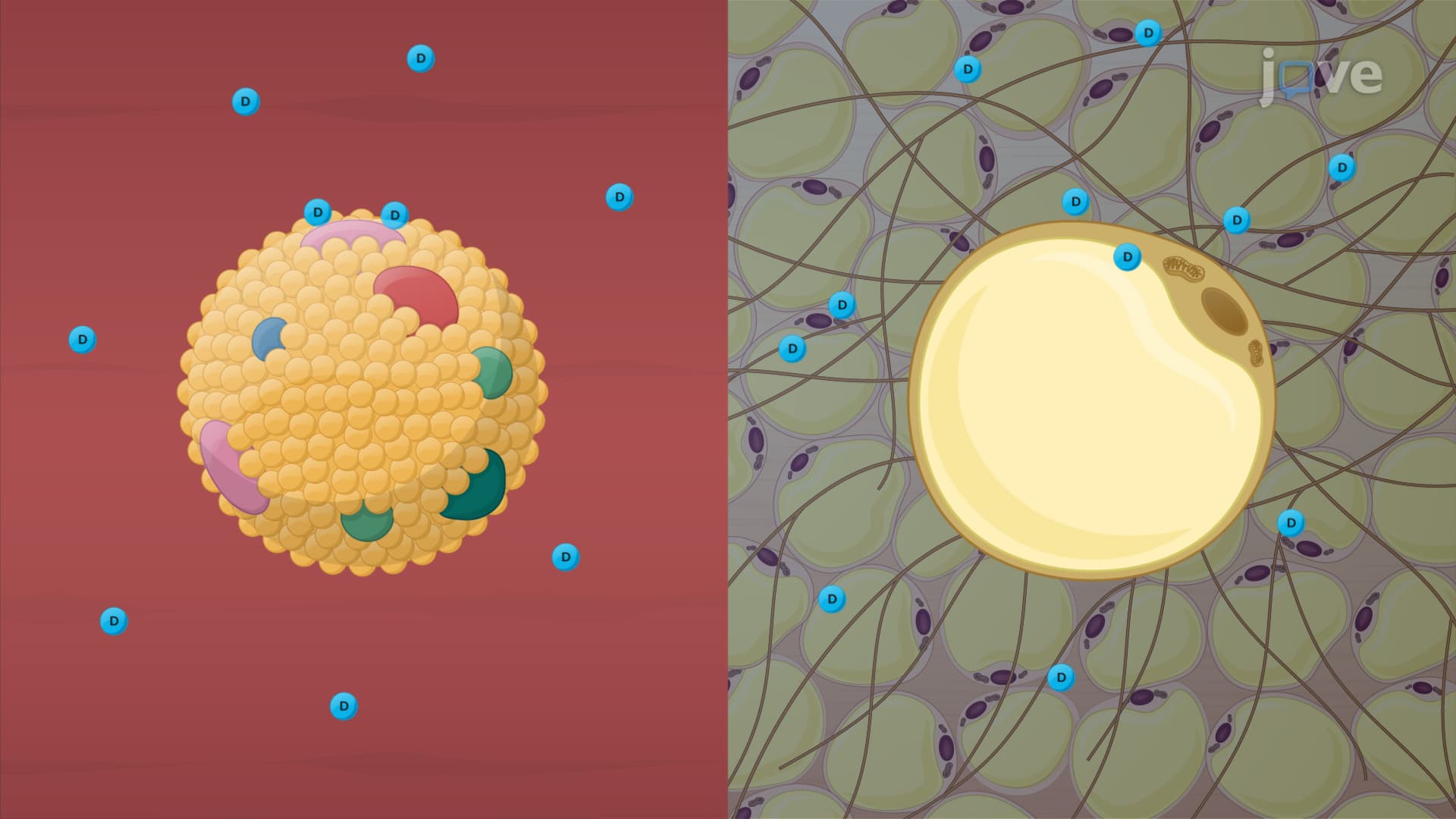
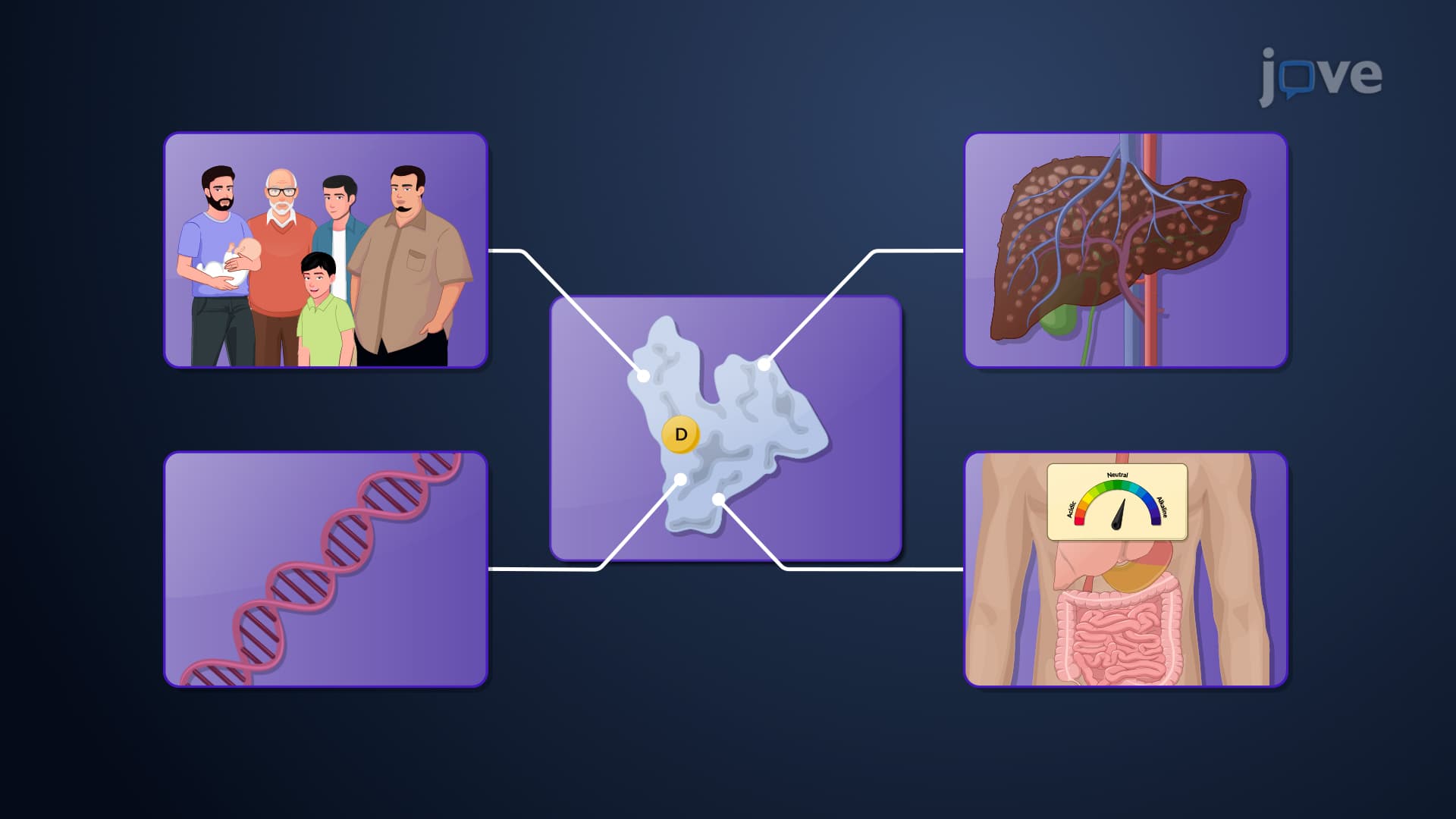
Several critical factors influence what is tissue drug binding localization of and how it occurs. Lipophilicity-a drug's ability to dissolve in fatty tissues-plays a crucial role, with highly lipophilic drugs like anesthetics accumulating in adipose tissue. Drug molecular structure determines binding affinity to specific tissue proteins and cellular components.
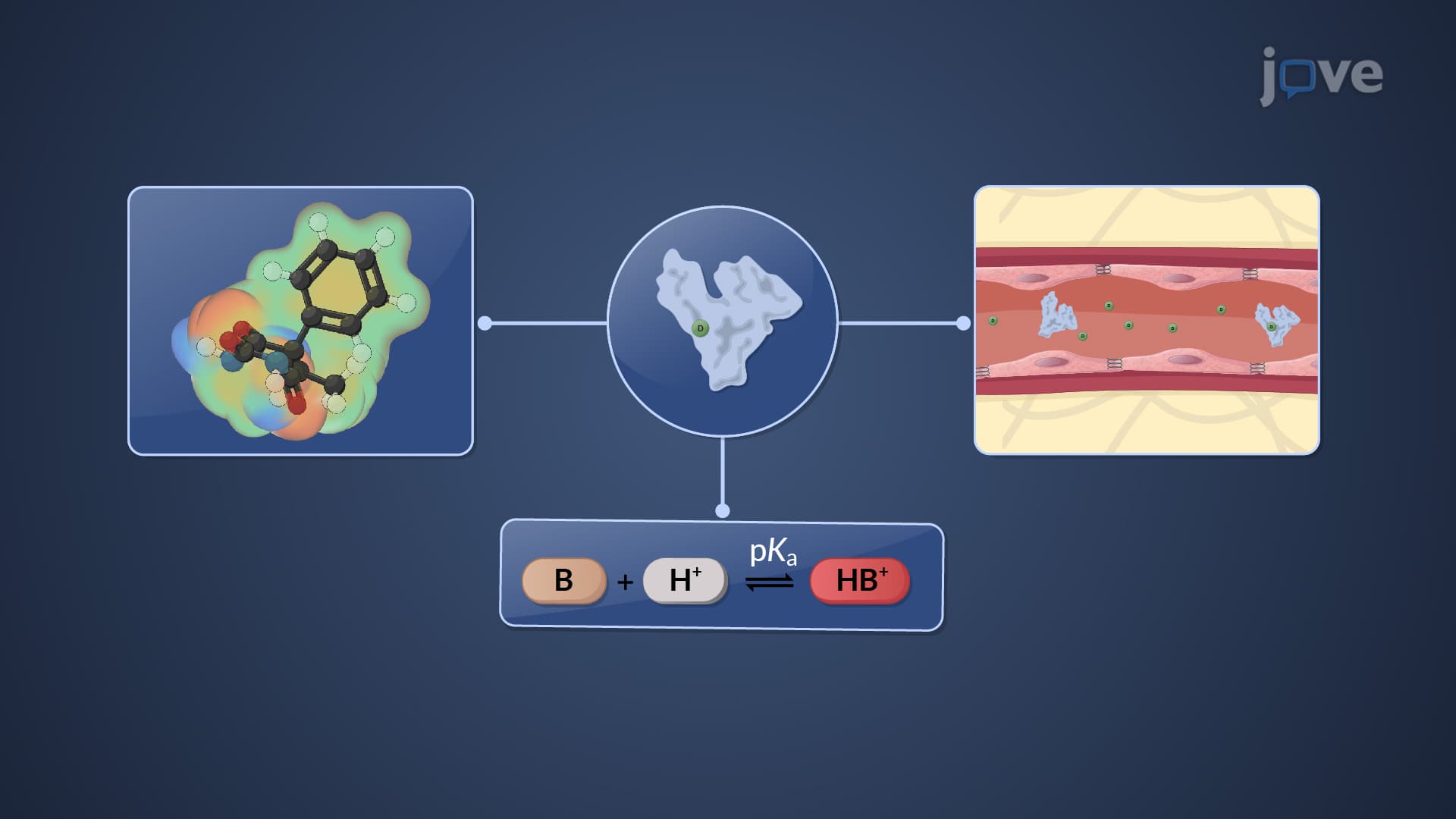
Tissue perfusion rate affects how quickly drugs reach different organs. Highly perfused tissues like the brain and heart receive medications rapidly, while poorly perfused areas like bone and cartilage may take hours to reach therapeutic concentrations. pH differences between tissues and blood also influence drug distribution, as many medications exist in pH-dependent ionized and non-ionized forms.
Understanding tissue binding proves essential for predicting drug interactions and optimizing therapy. The interaction between mexiletine and lidocaine exemplifies how one drug can displace another from tissue binding sites, potentially increasing plasma concentrations and side effect risks. This knowledge helps healthcare providers adjust dosing regimens and monitor for adverse effects.
Cancer treatment provides excellent examples of therapeutic tissue targeting. Estramustine, used in prostate cancer therapy, combines estradiol with a nitrogen mustard to selectively target prostate tissue while minimizing damage to healthy cells. This tissue-specific approach represents the future of precision medicine, where understanding tissue drug binding localization of biology enables more effective and safer treatments.
For students preparing for the MCAT, AP Biology, or college pharmacology courses, mastering these concepts provides essential foundation knowledge for understanding drug action, metabolism, and therapeutic decision-making in clinical practice.
Related Micro-courses