Loading video…


 14 Concepts
 6.6K views

Video Summary: What Is Drug Distribution
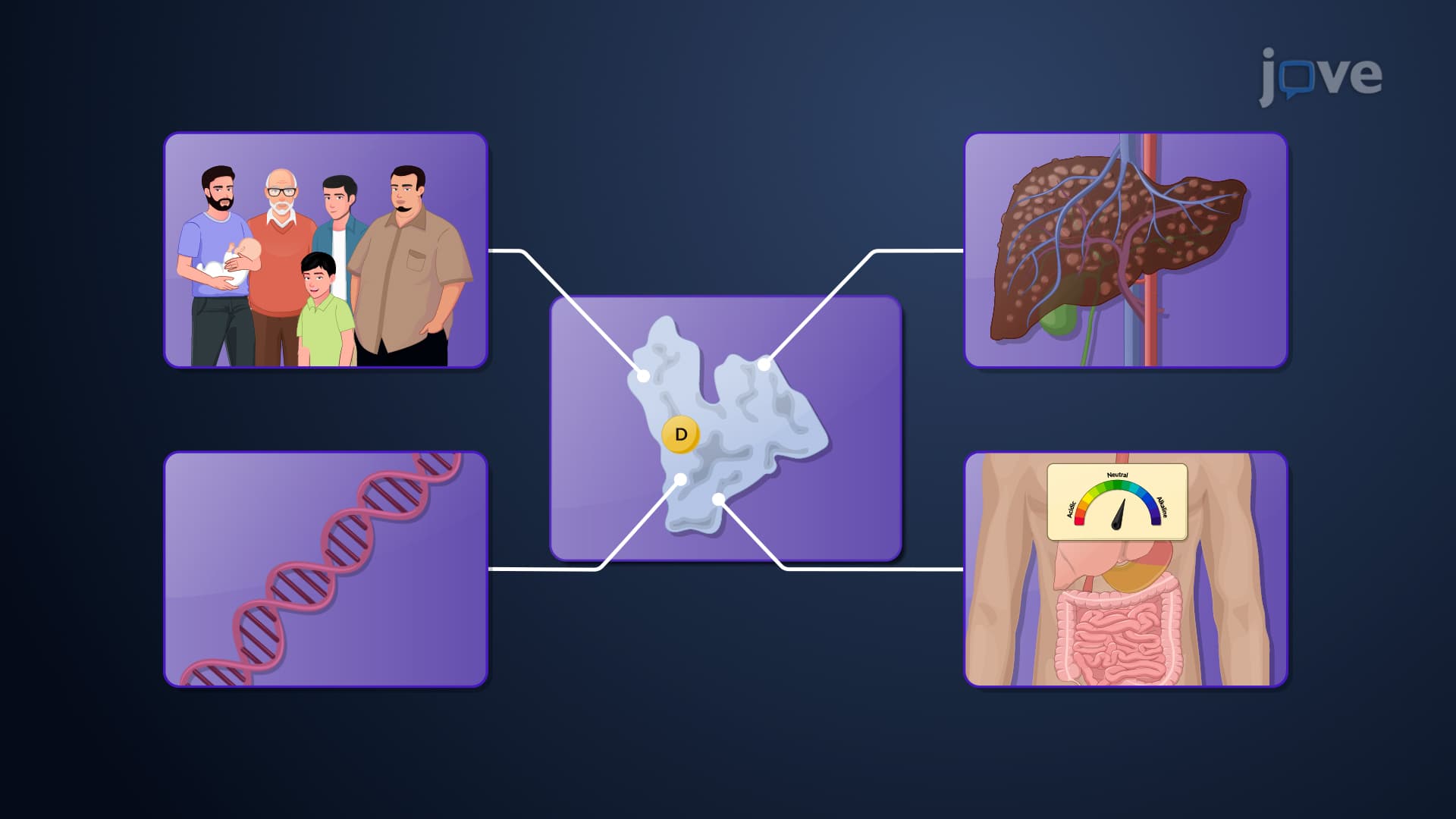
When you take an aspirin for a headache, have you ever wondered how that pill finds its way from your stomach to your brain? Drug distribution is the fascinating process that explains how medications travel throughout your body after absorption. This passive, two-way movement between different body compartments determines whether a drug like acetaminophen will effectively reach your liver for pain relief or remain trapped in your bloodstream. Watch the full video on JoVE Coach to master this concept with expert-led visuals and step-by-step explanations.
What is drug distribution? It represents one of the four fundamental processes in pharmacokinetics (alongside absorption, metabolism, and elimination) that determines a drug's therapeutic effectiveness. Unlike active transport processes, drug distribution relies entirely on passive movement driven by concentration differences between the bloodstream and target tissues.
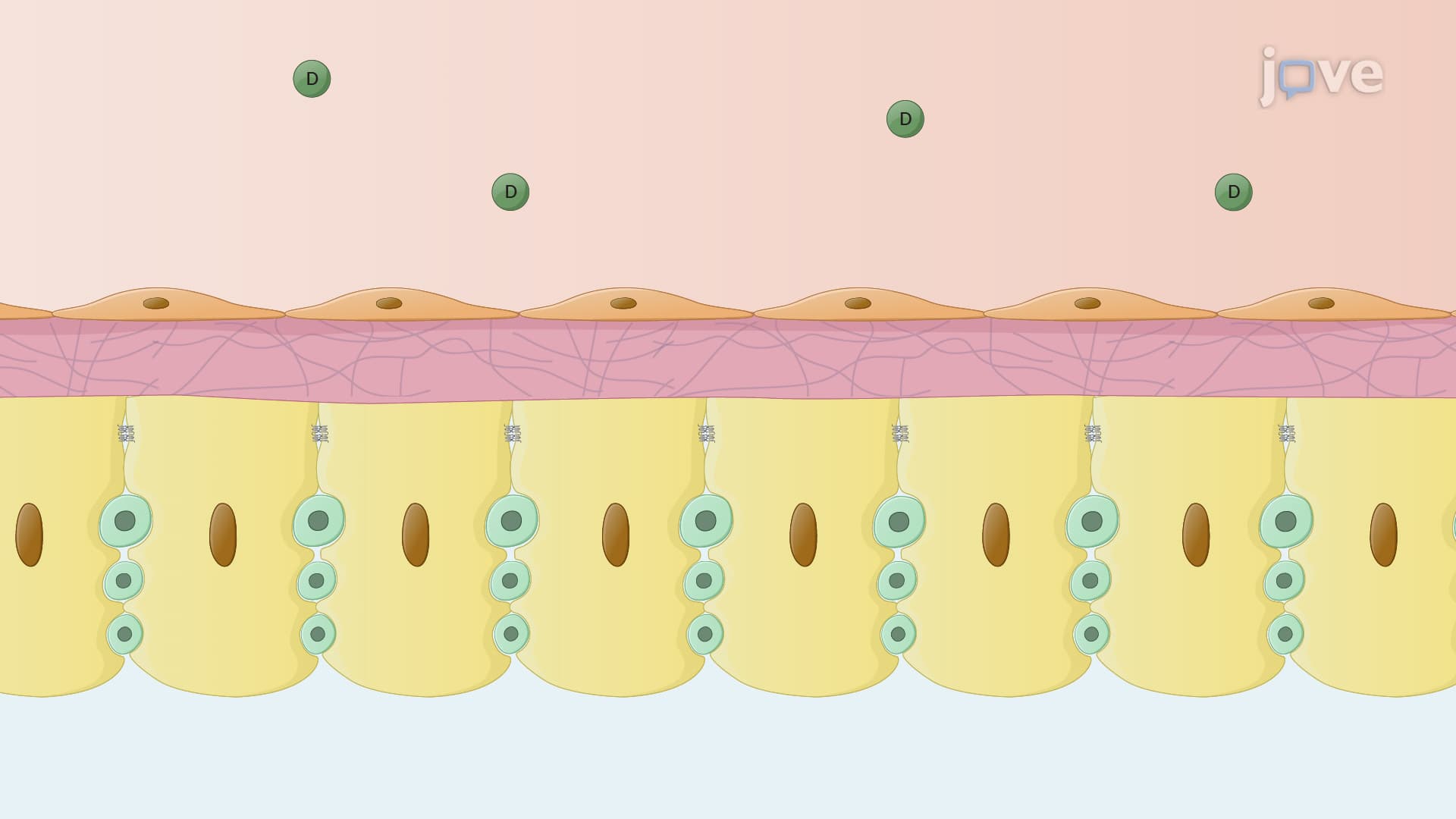
Drug distribution begins the moment a medication enters your bloodstream. Free drug molecules-those not bound to plasma proteins-rapidly cross capillary walls through small pores and fenestrations. This initial step occurs within minutes for most drugs, explaining why intravenous medications can show effects almost immediately.
The journey continues as drugs move from extracellular fluid into tissue cells. This membrane-crossing step often becomes the rate-limiting factor in drug distribution. Consider how local anesthetics like lidocaine work during dental procedures at your dentist's office. The drug must first distribute from injection sites through tissue fluid before crossing nerve cell membranes to block sodium channels and prevent pain signals.
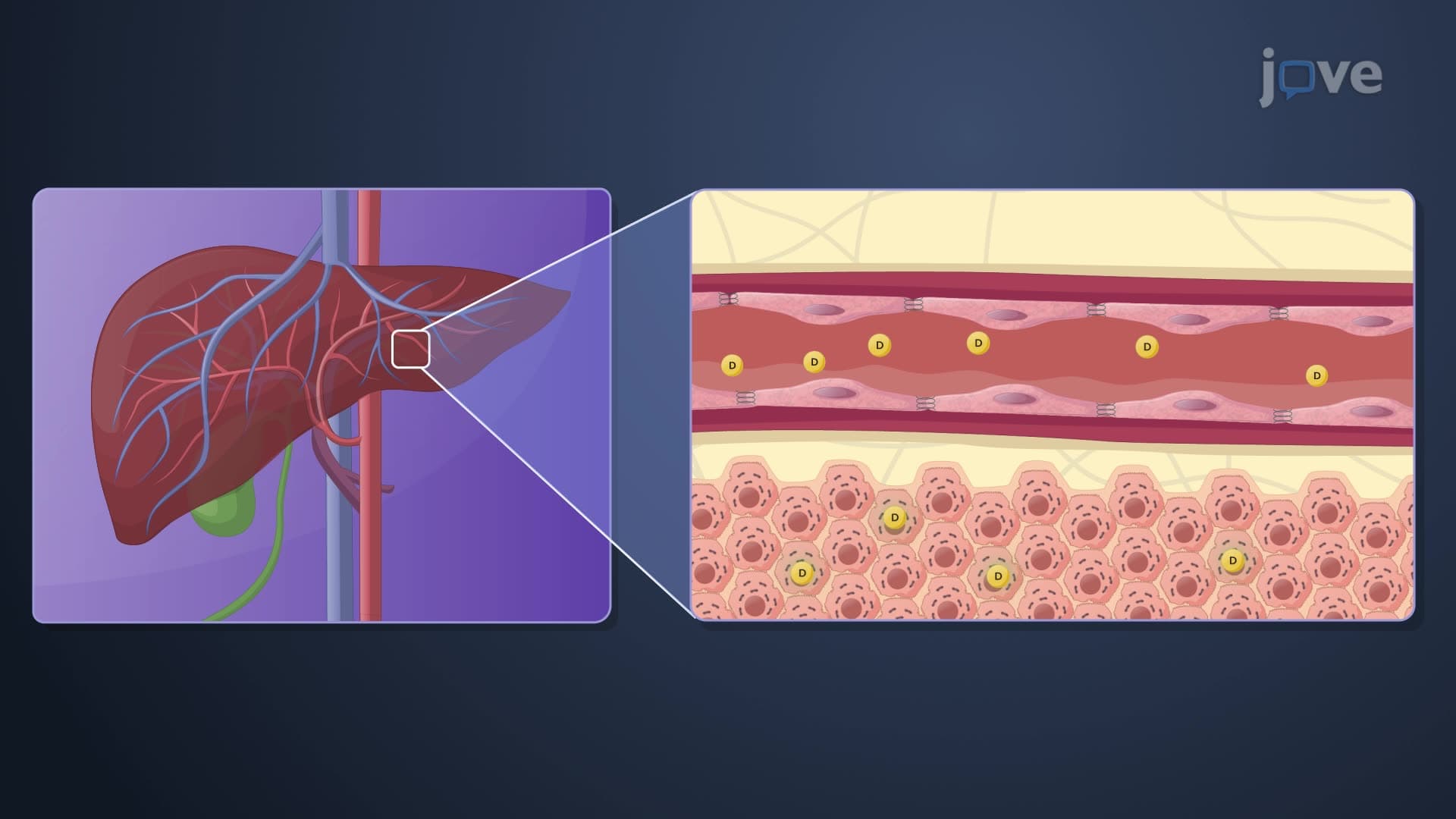
Two primary factors determine distribution success: tissue perfusion and membrane permeability. Highly perfused organs like the heart, liver, and kidneys receive drugs rapidly due to robust blood flow. The brain receives about 15% of cardiac output, making it a prime target for drug distribution-when drugs can cross the blood-brain barrier.
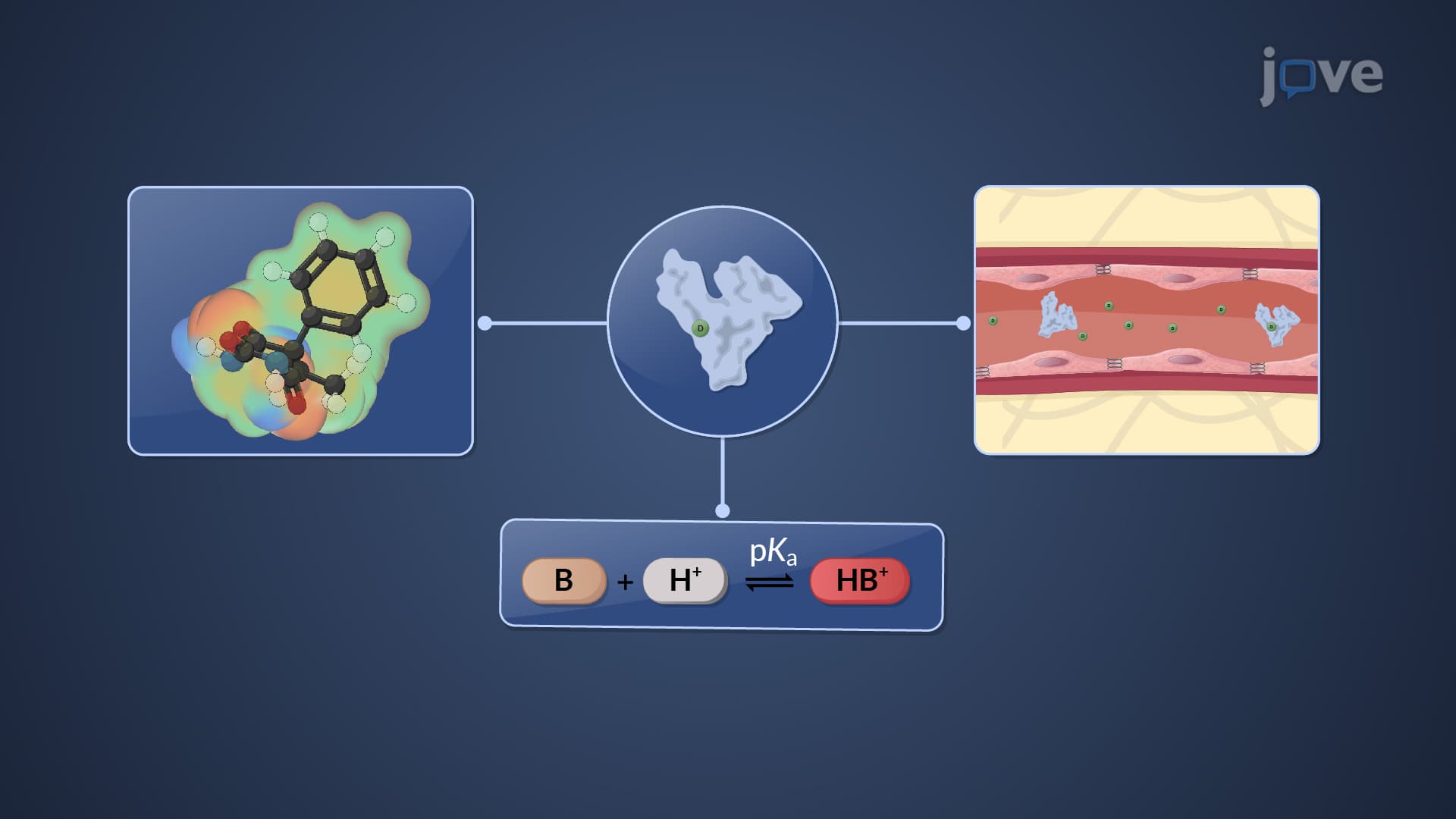
Membrane permeability depends on a drug's chemical properties. Lipophilic drugs like diazepam (Valium) easily cross cell membranes and distribute widely, including into brain tissue for anti-anxiety effects. Hydrophilic drugs like gentamicin remain largely in extracellular fluid, making them effective against extracellular bacterial infections.
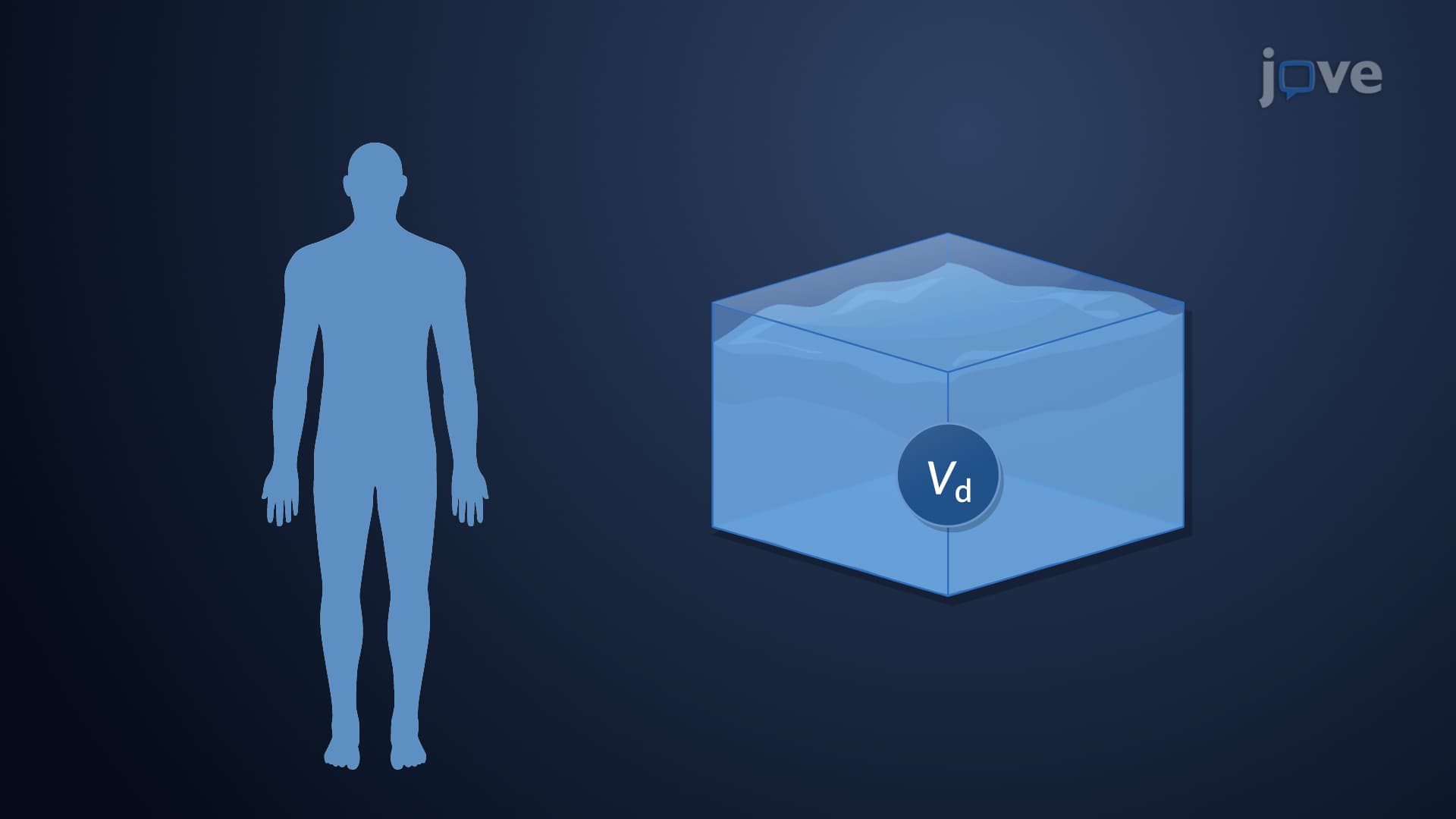
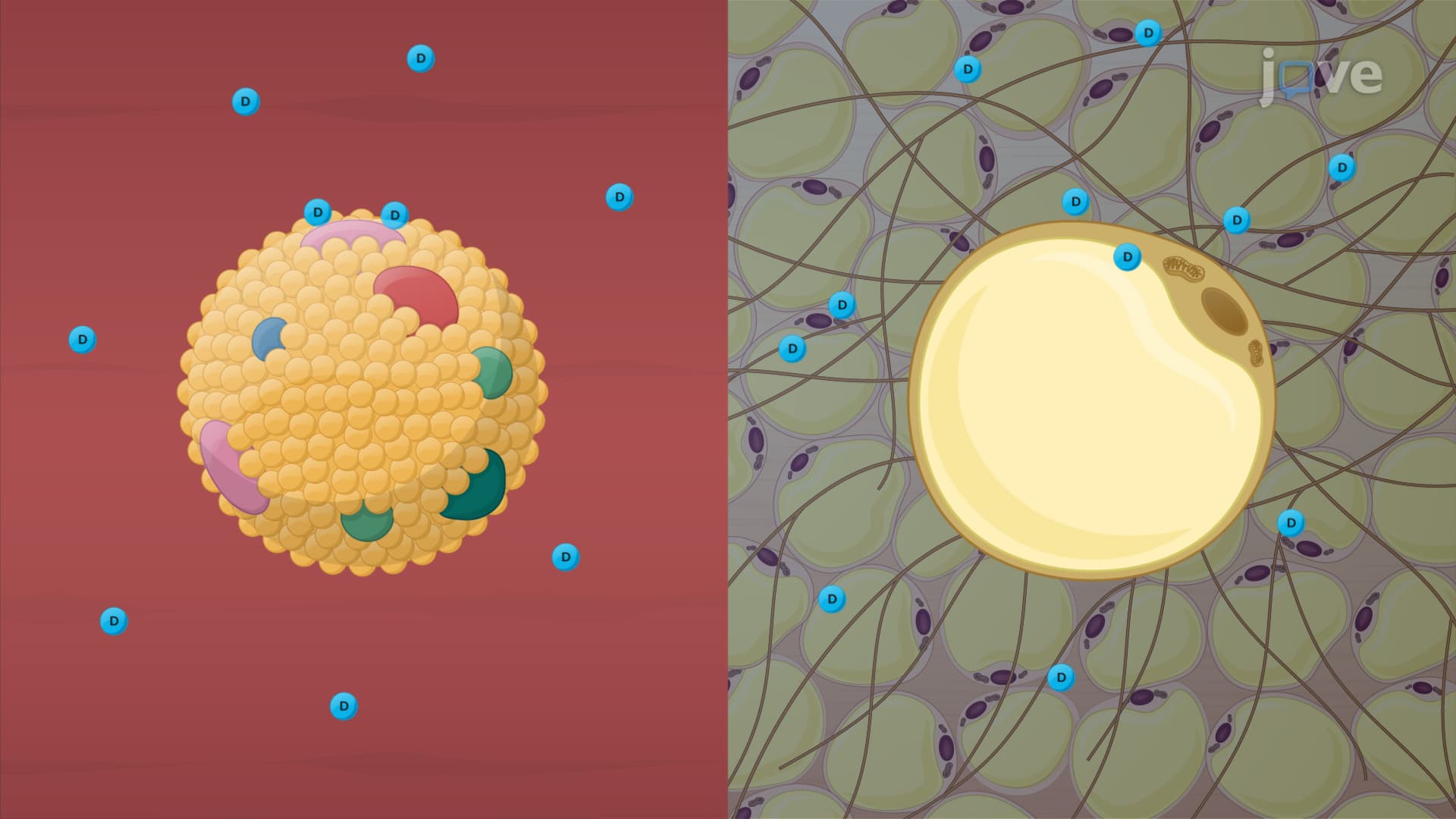
The volume of distribution concept helps clinicians predict drug behavior. A drug with a small volume of distribution (like warfarin at 0.1 L/kg) stays mainly in blood plasma, while drugs with large volumes (like digoxin at 7 L/kg) distribute extensively into tissues.
This knowledge proves crucial for medical professionals calculating dosing regimens and appears frequently on MCAT pharmacology sections and nursing school exams like the NCLEX. Understanding drug distribution also helps explain why certain populations-elderly patients with altered body composition or patients with liver disease-may require modified drug dosing.
Related Micro-courses