Loading video…


 14 Concepts
 6.6K views

Video Summary: What Is Volume of Distribution
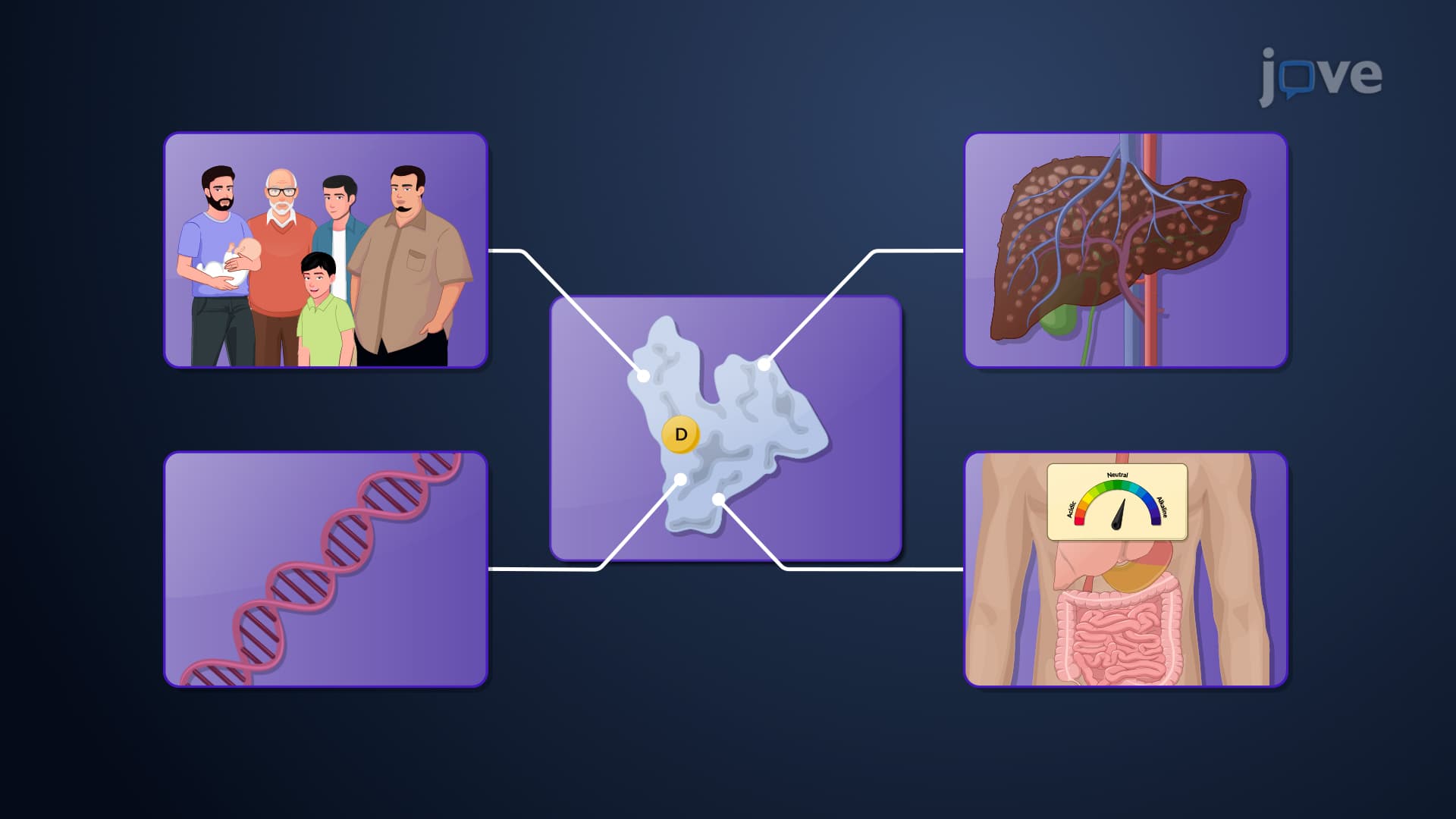
Ever wonder why some medications like warfarin require precise blood monitoring while others don't? The answer lies in volume distribution, a crucial pharmacokinetic parameter that determines how drugs spread throughout your body's fluid compartments. For instance, when doctors prescribe warfarin to prevent blood clots in patients with atrial fibrillation at Mayo Clinic, they must carefully monitor its distribution because it binds tightly to plasma proteins. Understanding What is Volume of Distribution helps explain why drug dosing isn't one-size-fits-all. Watch the full video on JoVE Coach to master this concept with expert-led visuals and step-by-step explanations.
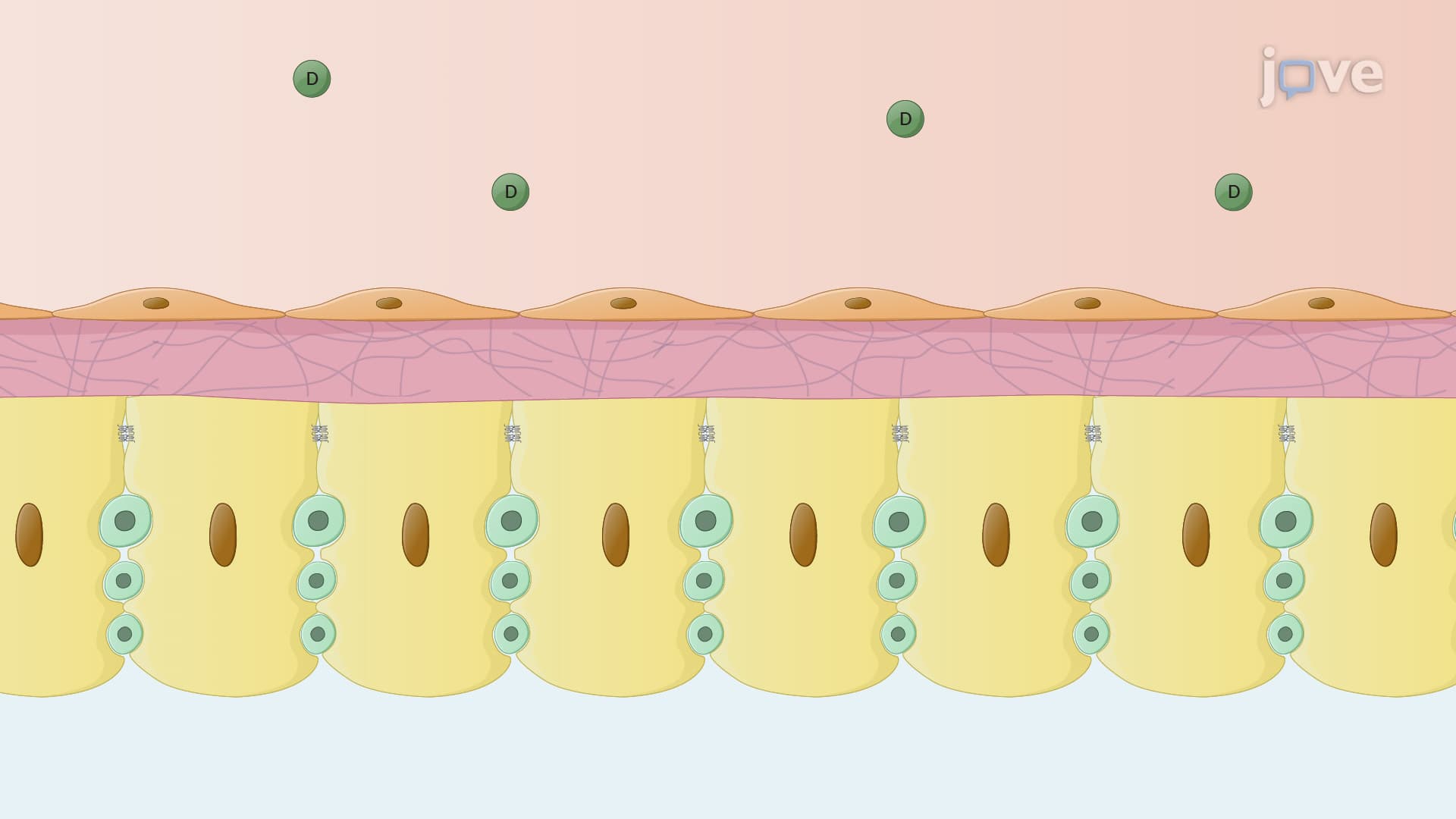
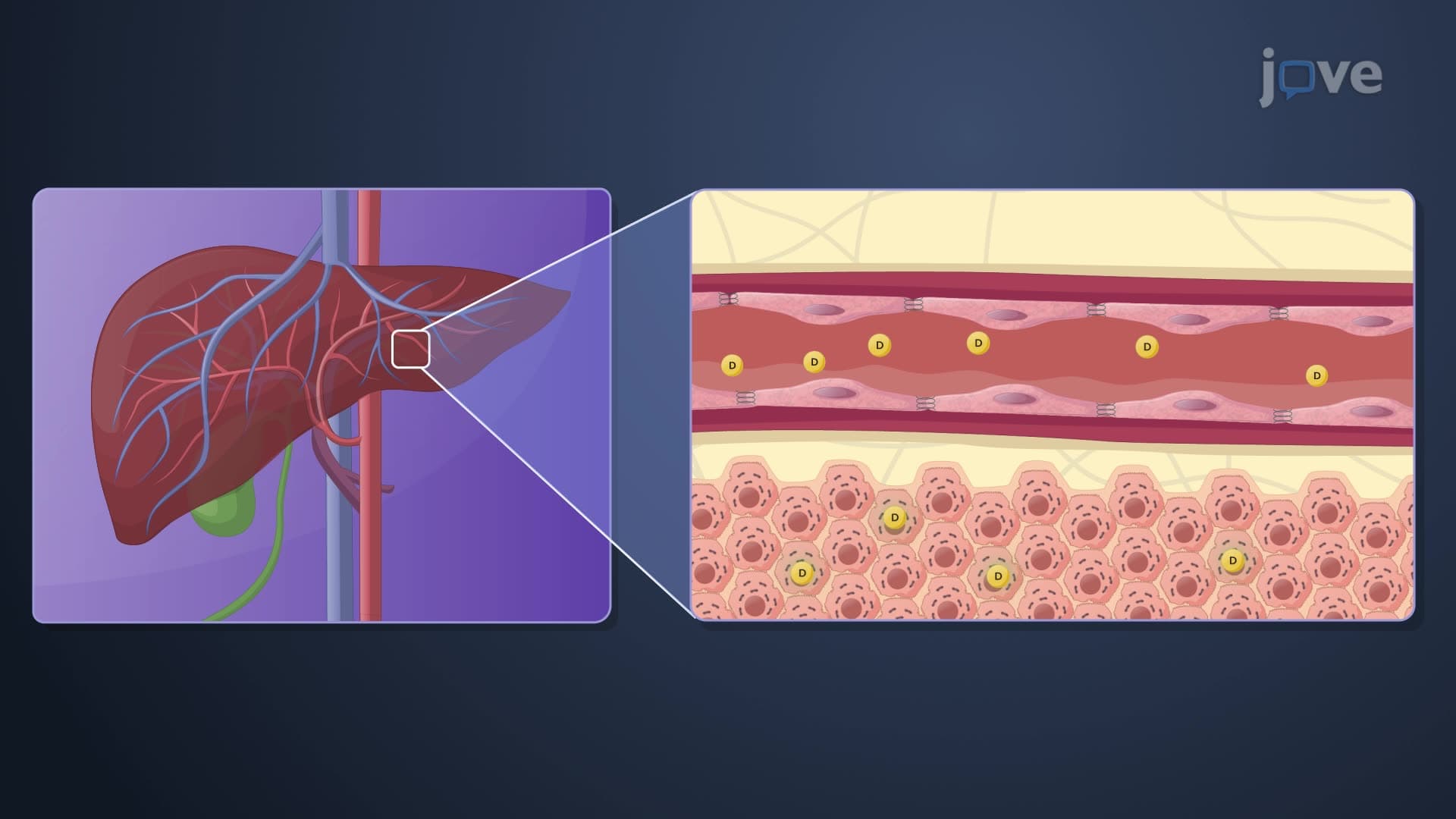
Volume of distribution represents one of pharmacology's most important yet misunderstood concepts. Unlike a physical container, this parameter describes the theoretical volume of fluid needed to contain the total amount of drug in the body at the same concentration found in plasma. Think of it as asking: "If this drug were evenly distributed like food coloring in water, how much water would we need?"
This concept becomes crucial when healthcare providers at institutions like Johns Hopkins calculate drug dosing regimens. The volume of distribution directly influences how much medication patients need and how long it stays active in their system.
The apparent volume of distribution (Vd) differs significantly from true volume distribution, creating confusion for many students preparing for the MCAT or pharmacy school exams. Apparent Vd represents what we calculate from measurable plasma concentrations, while true volume distribution reflects actual physiological body water compartments.
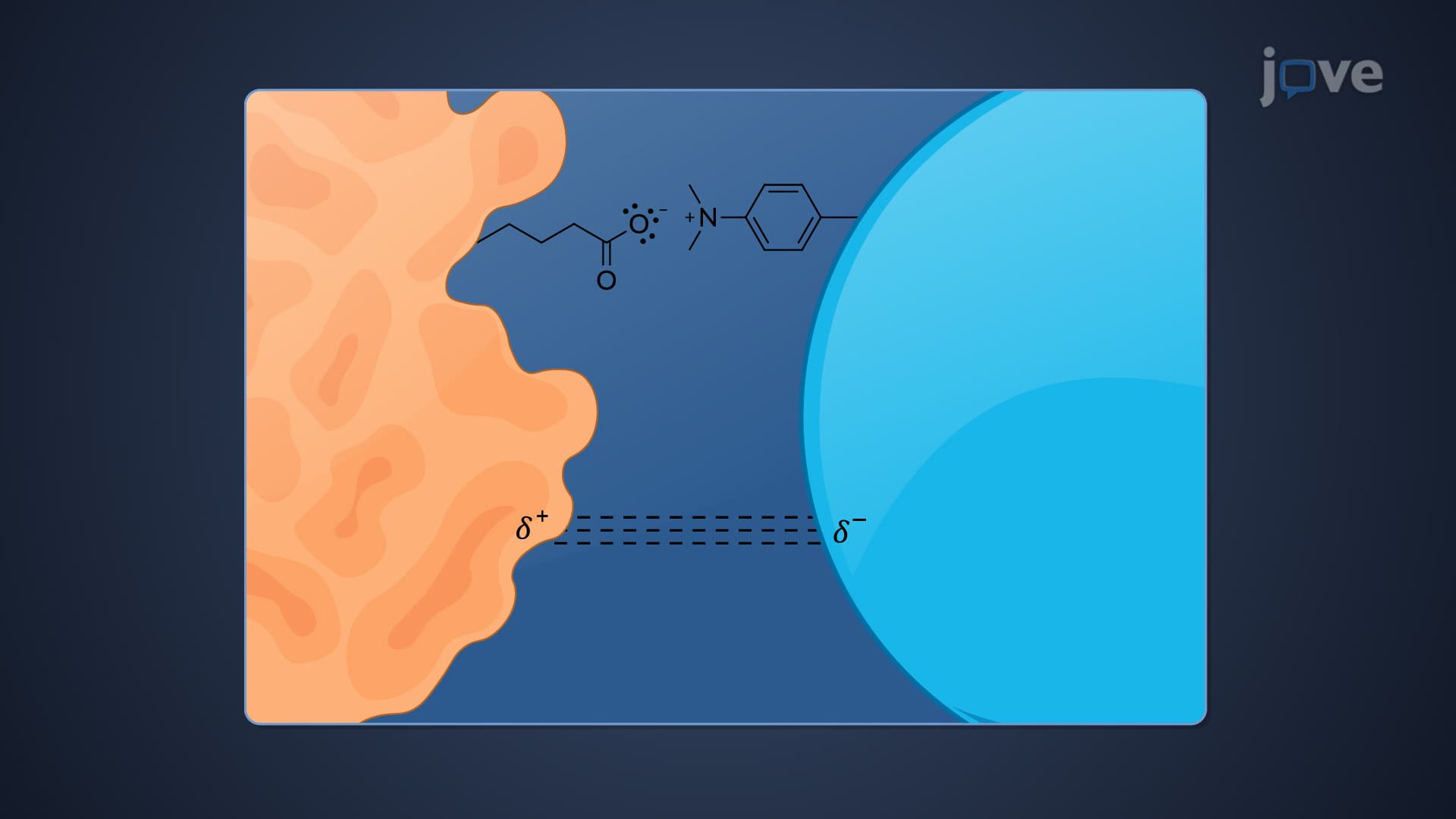
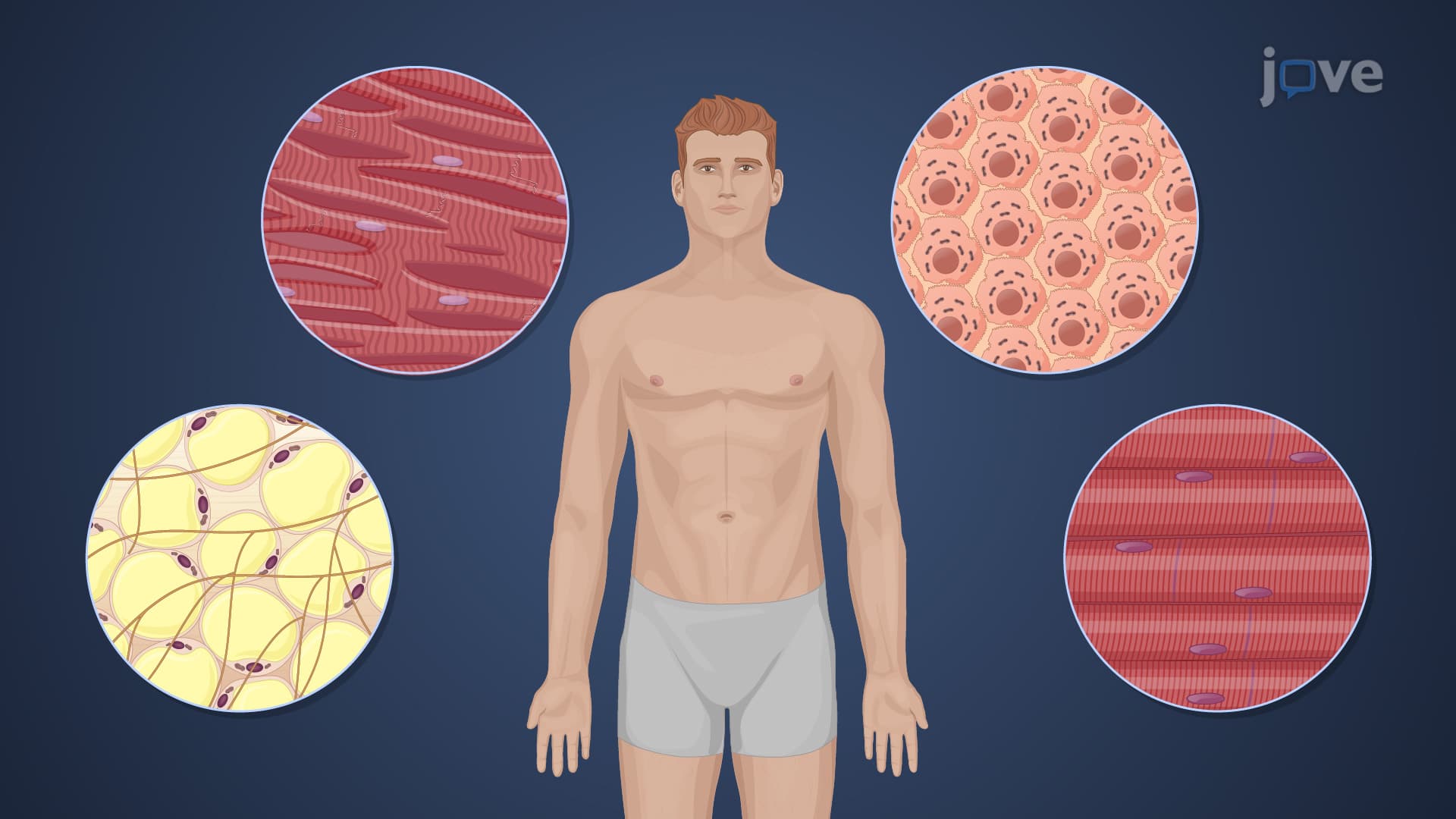
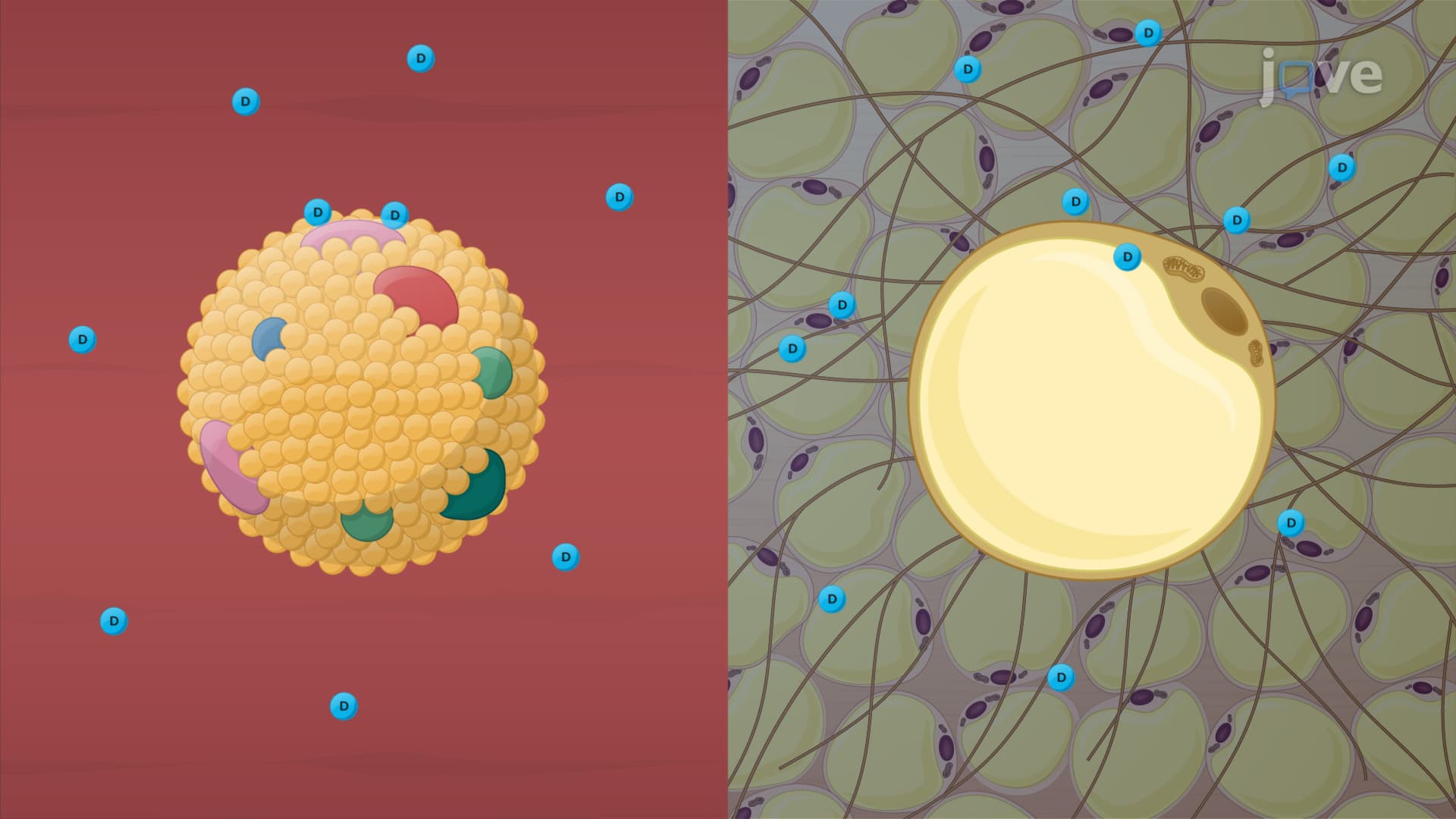
Consider warfarin, commonly prescribed at Cleveland Clinic for stroke prevention. Its apparent Vd appears smaller than its true distribution because warfarin binds extensively to plasma proteins like albumin. Conversely, chloroquine, historically used for malaria treatment, shows a larger apparent Vd because it accumulates in tissues rather than staying in plasma.
Human body water divides into three main compartments: plasma (about 3 liters), extracellular fluid (12 liters), and intracellular fluid (28 liters) in a typical 70-kg adult. Understanding these compartments helps predict where different medications will concentrate.
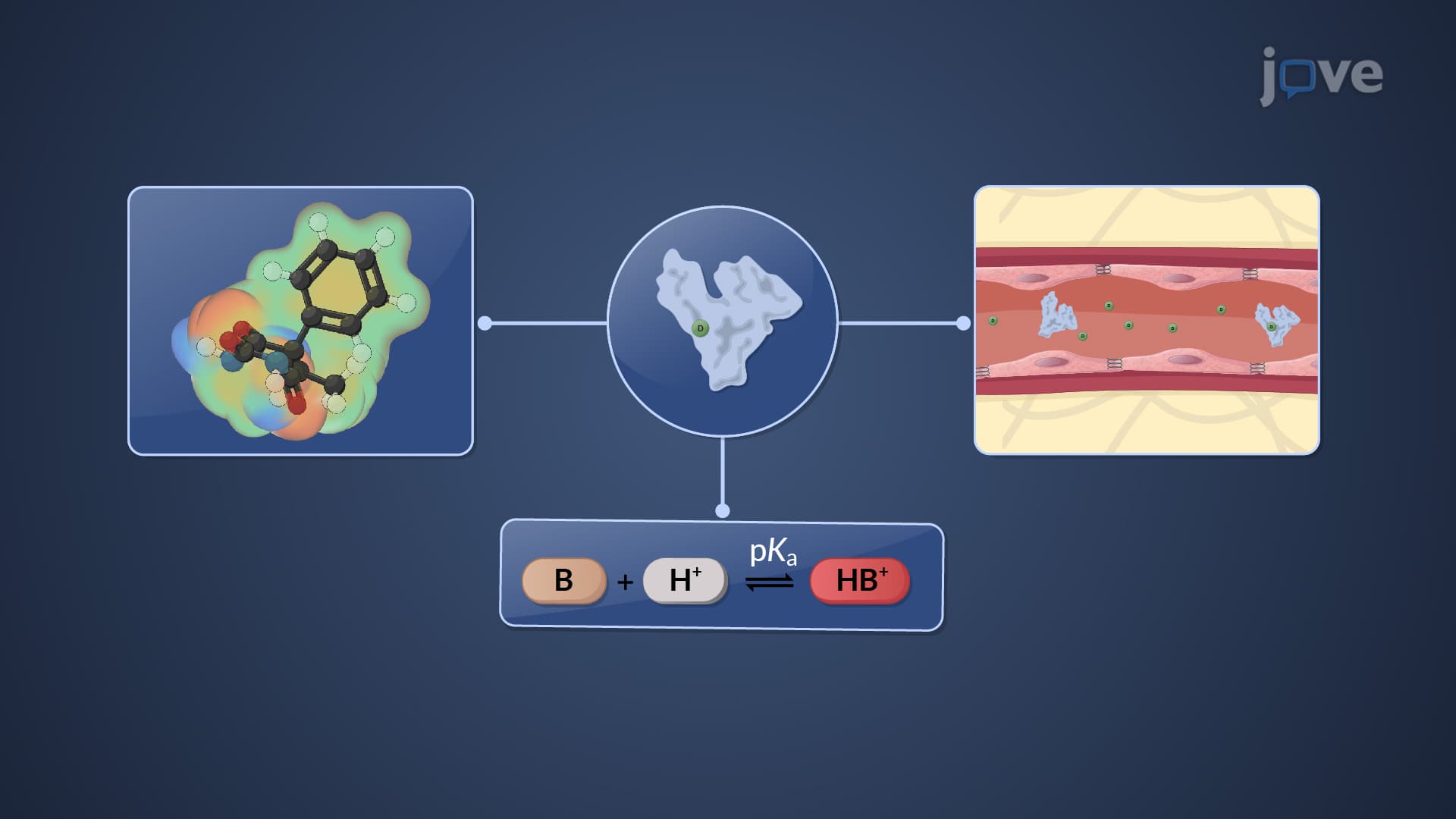
Hydrophilic drugs typically remain in extracellular compartments, while lipophilic medications penetrate cell membranes and distribute into intracellular spaces. This knowledge proves essential for AP Biology students studying membrane transport and college pharmacology courses covering drug kinetics.
Volume distribution calculations frequently appear on standardized exams including the MCAT, USMLE Step 1, and pharmacy school entrance tests. Students must understand that drugs with large volume distributions (>1 L/kg) concentrate in tissues, while those with small volumes (<0.3 L/kg) remain primarily in plasma.
This principle explains why certain antidepressants require weeks to reach therapeutic effectiveness, they must distribute into brain tissue compartments. Similarly, it clarifies why some antibiotics work quickly for bloodstream infections but need higher doses for tissue-based infections.
Related Micro-courses