Loading video…


 9 Concepts
 541 views

Video Summary: Clinically Relevant Drug Product Specifications Explained
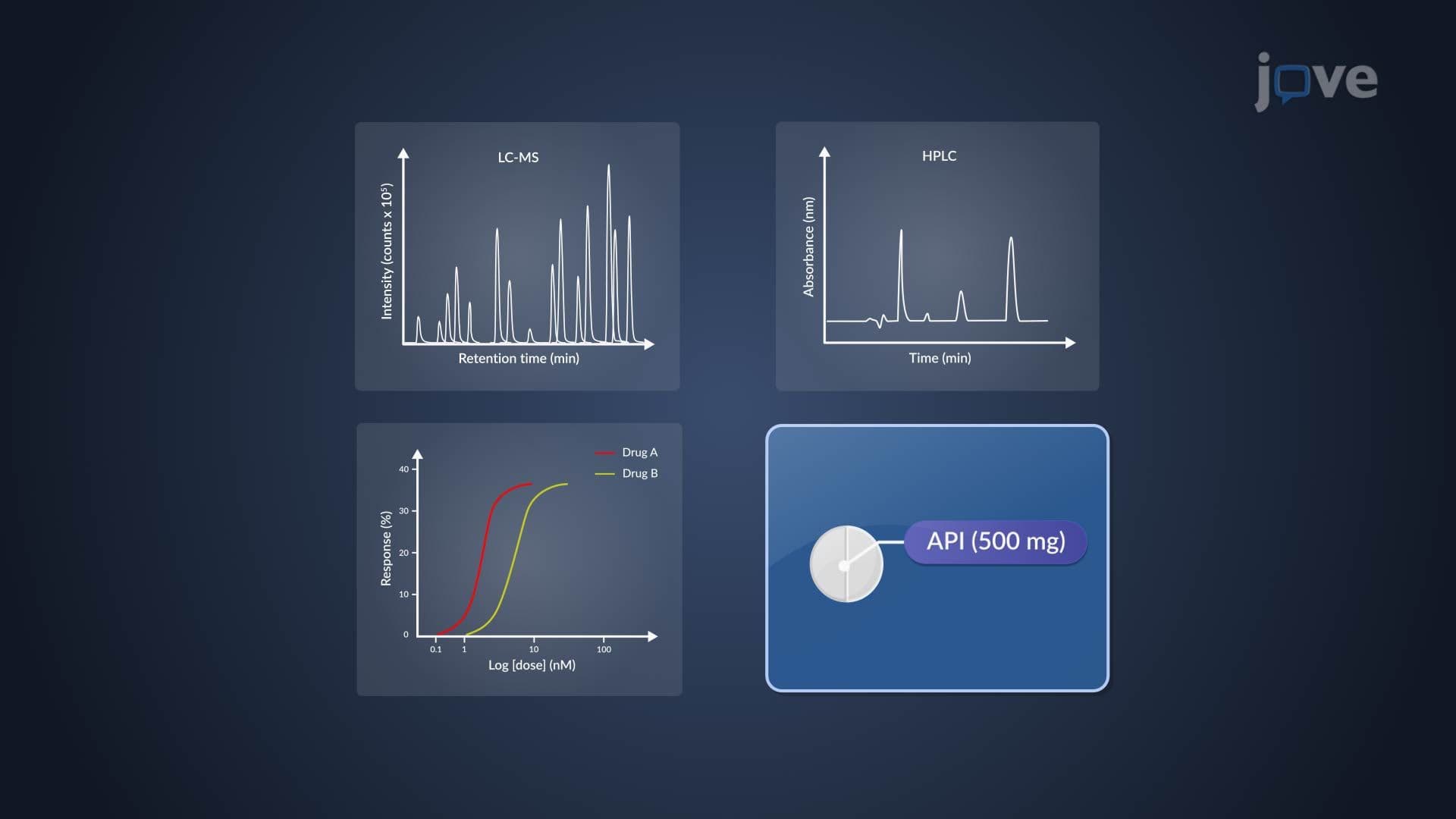
Did you know that the FDA recalls over 4,500 drug products annually due to specification failures? Clinically relevant drug product specifications ensure medications like Tylenol dissolve consistently in your body, maintaining safety and effectiveness across every batch manufactured. These specifications focus on clinical outcomes rather than just laboratory values, using dissolution studies to predict how drugs will perform in patients. Clinically Relevant Drug Product Specifications Explained covers two critical approaches pharmaceutical companies use to establish these standards. Watch the full video on JoVE Coach to master this concept with expert-led visuals and step-by-step explanations.
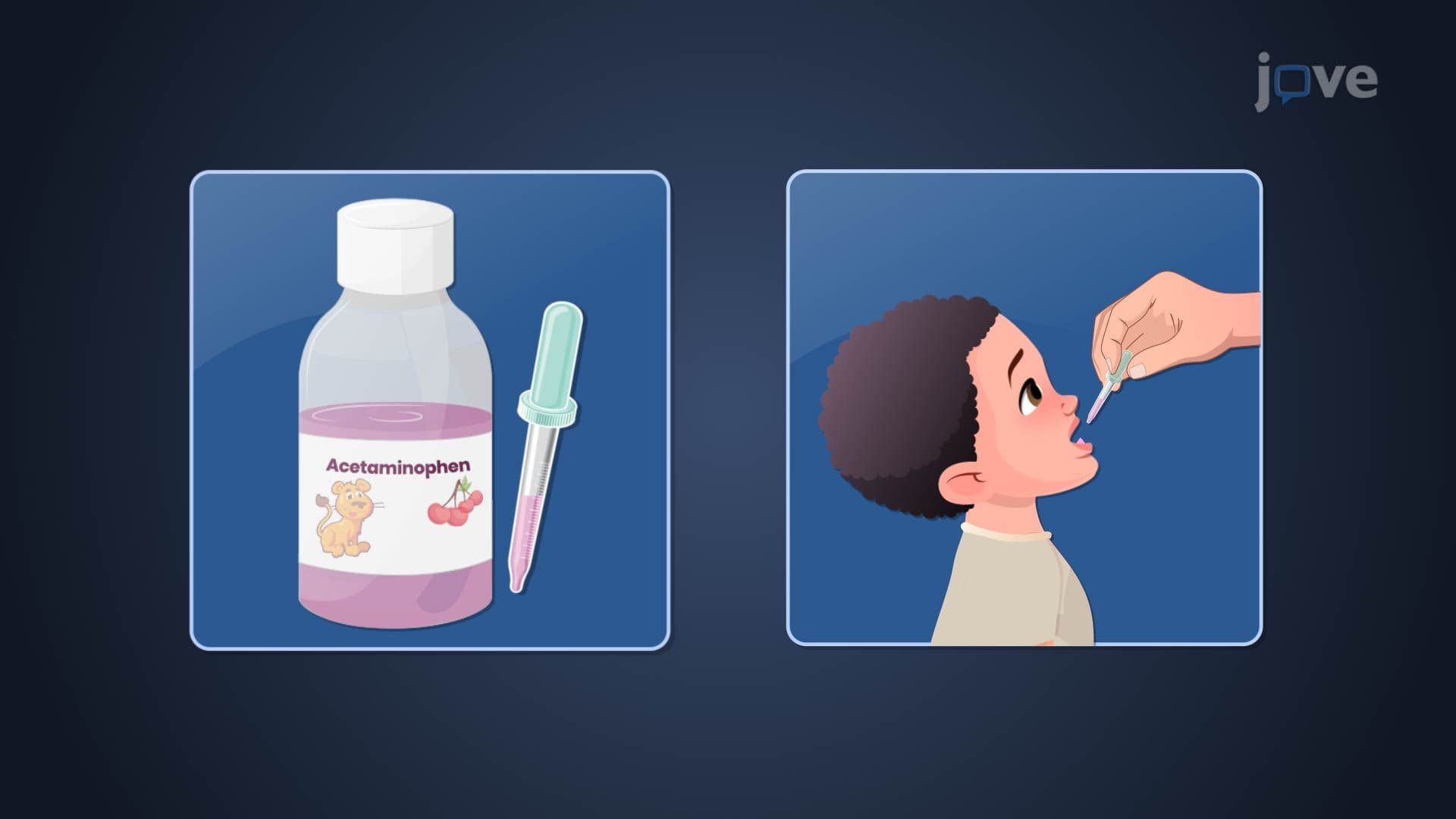
Clinically relevant drug product specifications represent the bridge between laboratory testing and real-world patient outcomes. Unlike traditional quality control measures that focus solely on chemical purity, these specifications directly correlate with how medications perform in patients. When Pfizer develops a new batch of their cholesterol medication Lipitor, for example, they must ensure each tablet dissolves at the same rate to maintain consistent blood levels across all patients.
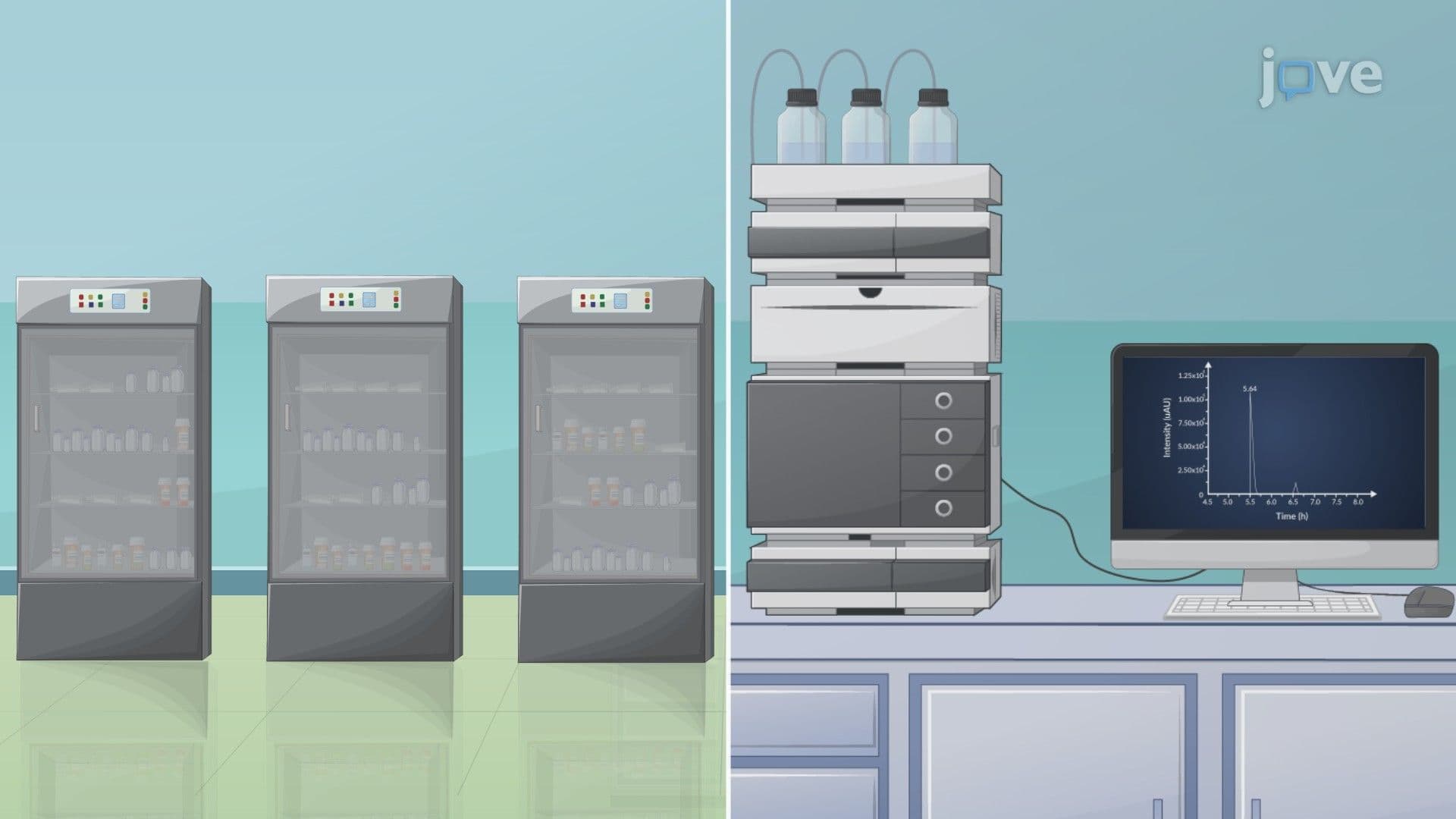
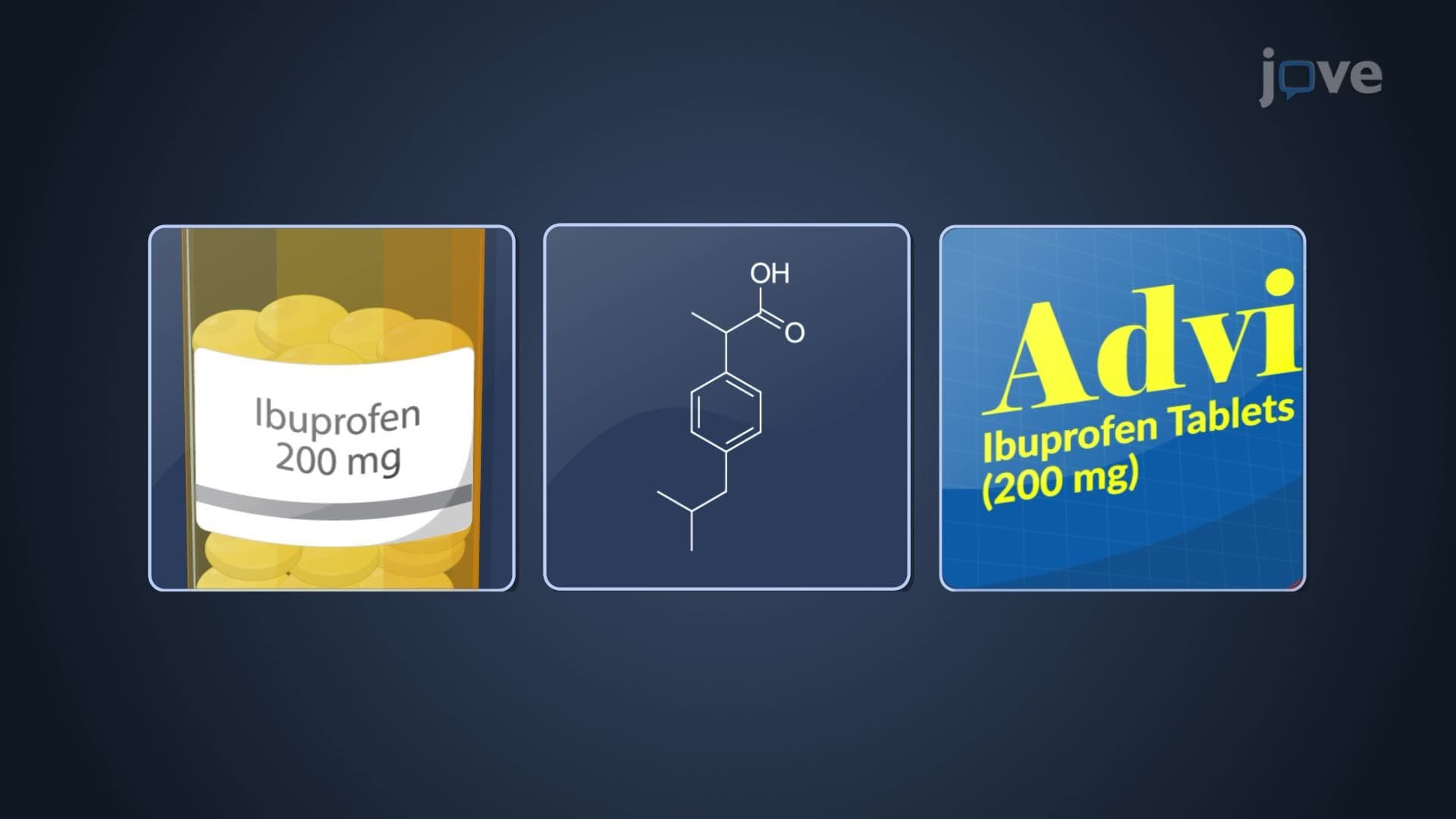
Pharmaceutical specifications encompass four critical parameters: identity (confirming the correct drug), purity (absence of harmful impurities), potency (active ingredient concentration), and strength (dose uniformity). These parameters work together to ensure therapeutic equivalence. For instance, when generic manufacturers create alternatives to brand-name drugs like Advil, they must demonstrate identical specifications to receive FDA approval for bioequivalence.
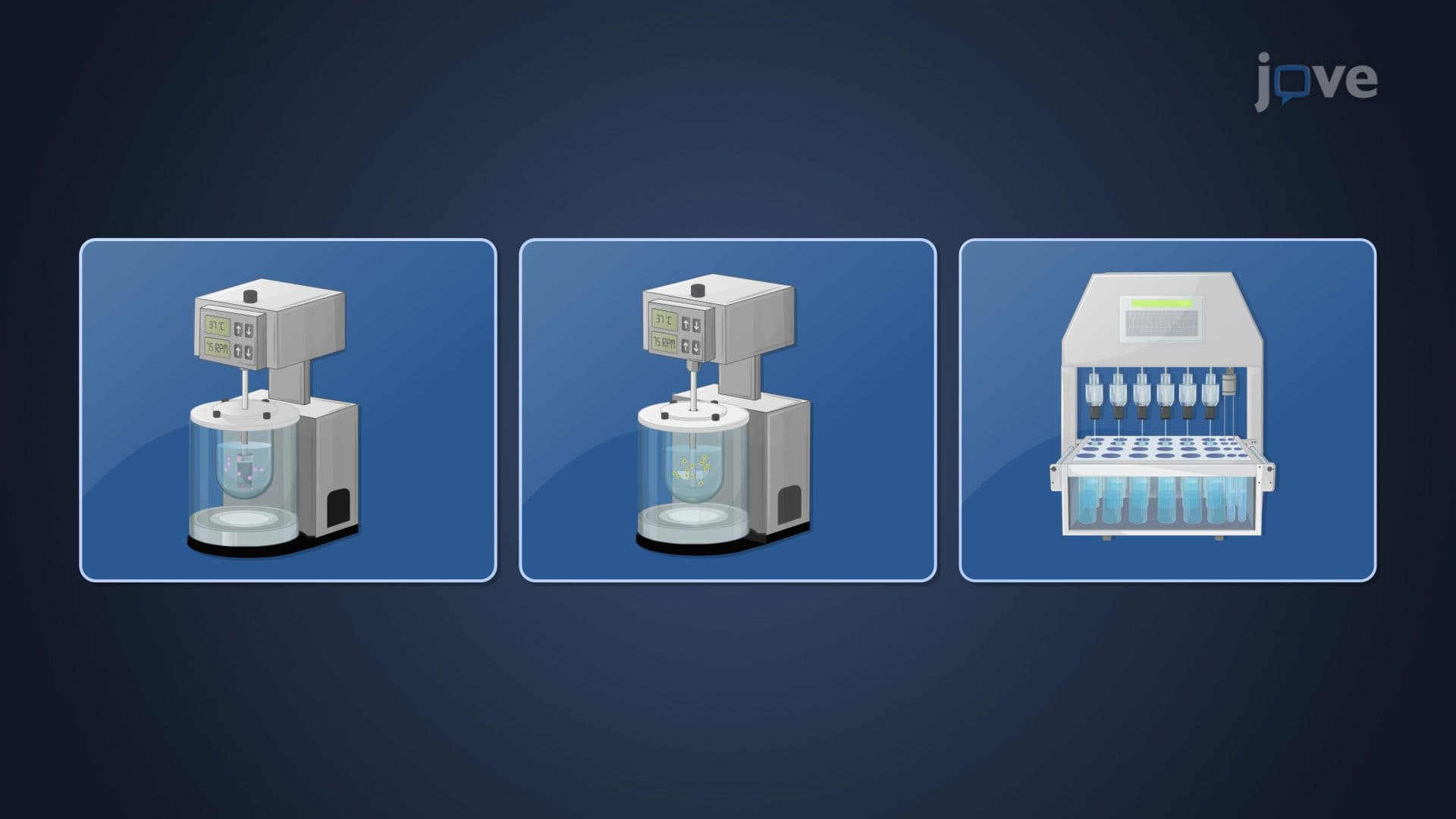
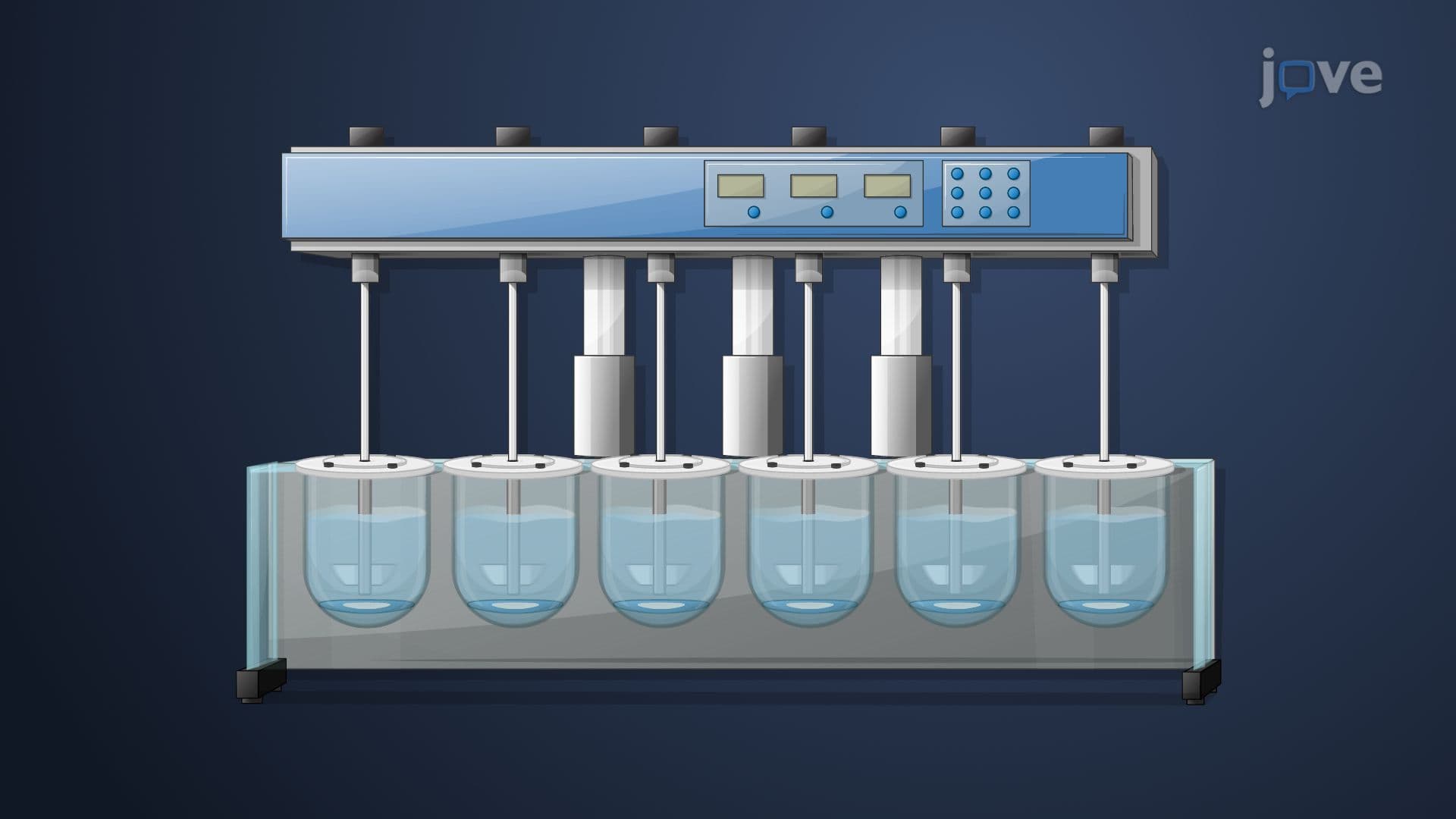
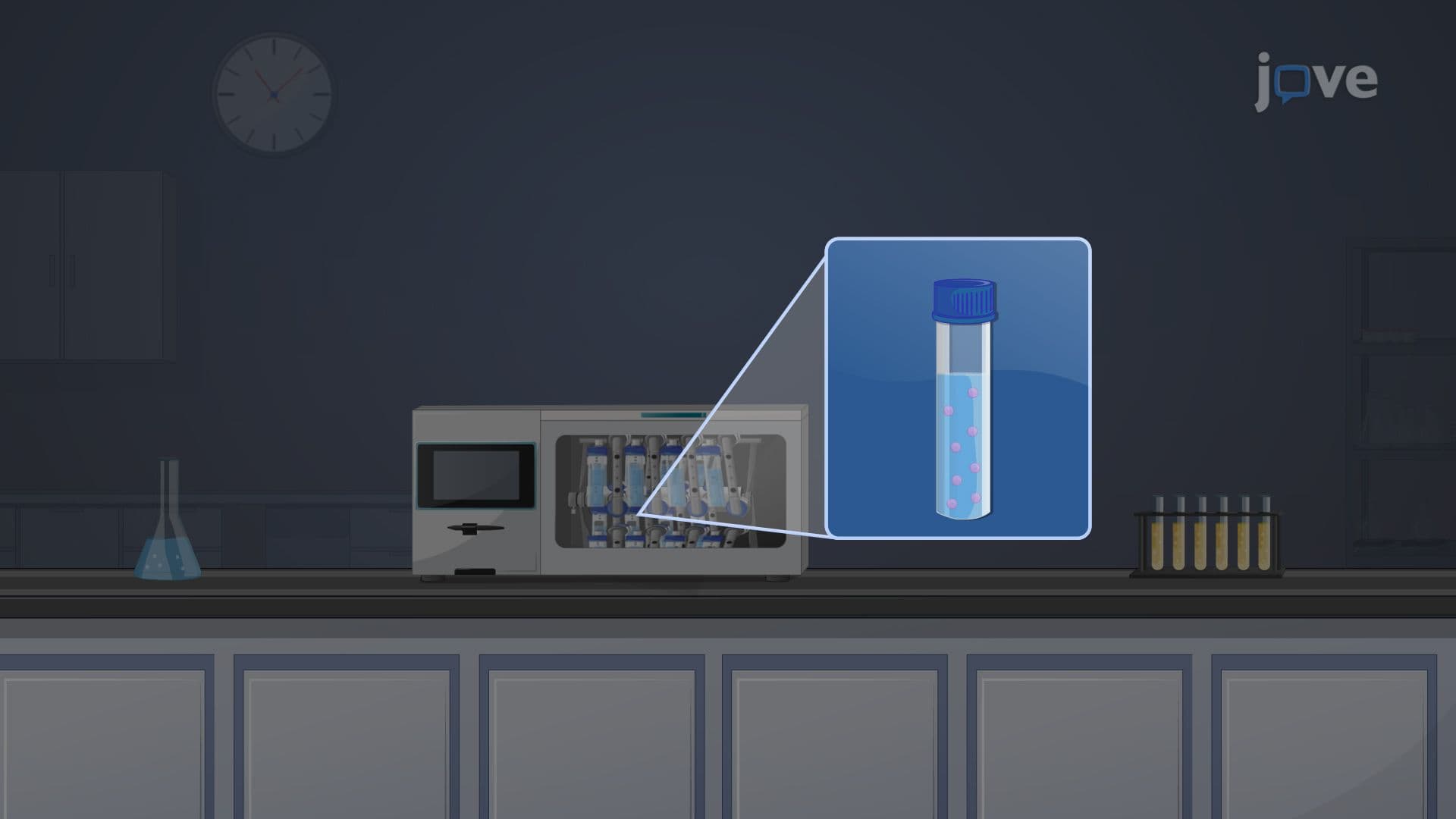
Dissolution testing serves as the cornerstone of clinically relevant specifications. This process measures how quickly and completely a drug dissolves under controlled conditions that mimic stomach and intestinal environments. Johnson & Johnson uses sophisticated dissolution apparatus to test how their acetaminophen tablets break down, ensuring consistent pain relief timing. These studies help predict in vivo performance without requiring expensive human clinical trials for every batch.
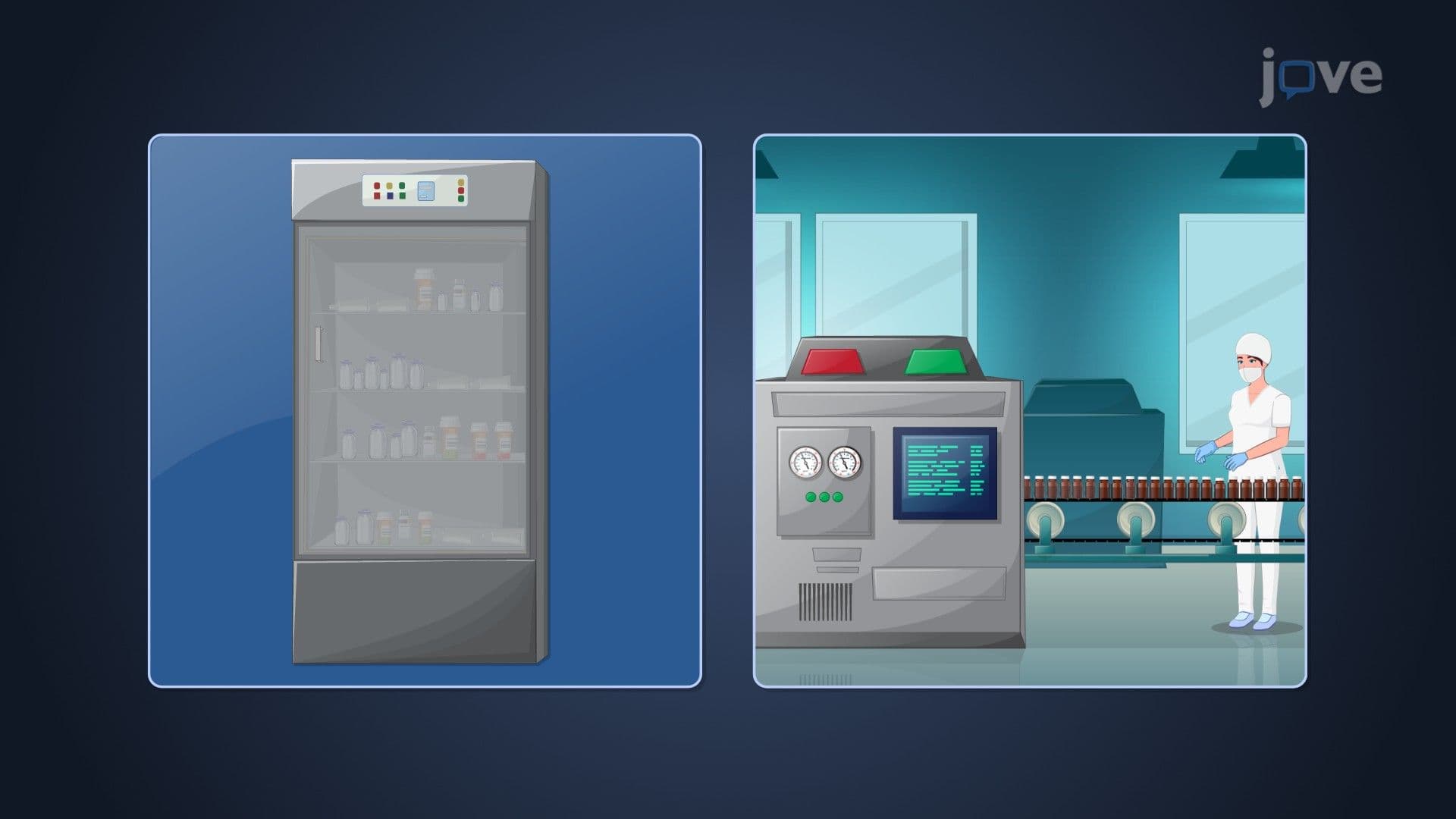
Approach A applies when pharmaceutical companies lack direct correlation data between laboratory dissolution results and human bioavailability studies. Companies rely on dissolution data from successful clinical trial batches as their specification foundation. This conservative approach requires bioequivalence studies for major formulation changes, such as switching tablet coating materials or changing manufacturing sites.
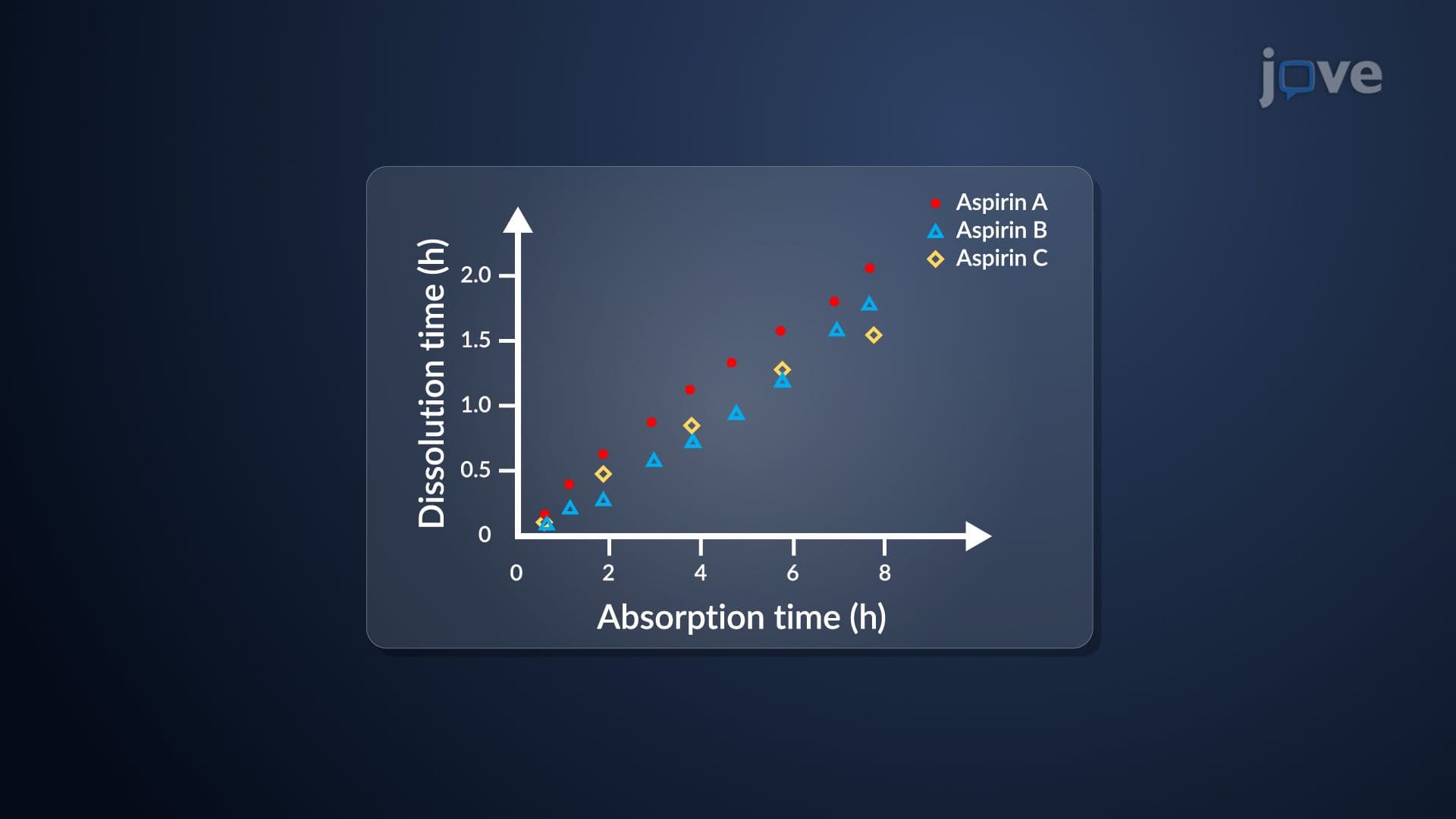
Approach B leverages established in vitro-in vivo correlations (IVIVC) to predict how manufacturing changes affect drug performance in patients. This sophisticated approach allows companies like Merck to modify manufacturing processes while maintaining product quality, using dissolution data to demonstrate continued bioequivalence without conducting new human studies.
These concepts frequently appear on MCAT pharmaceutical sciences sections and college-level pharmacokinetics courses. Students studying for the USMLE Step 1 encounter dissolution specifications in clinical pharmacology questions. Understanding these principles prepares future pharmacists for NAPLEX exam scenarios involving bioequivalence assessment and generic drug evaluation.
Related Micro-courses