Loading video…

 9 Concepts
 539 views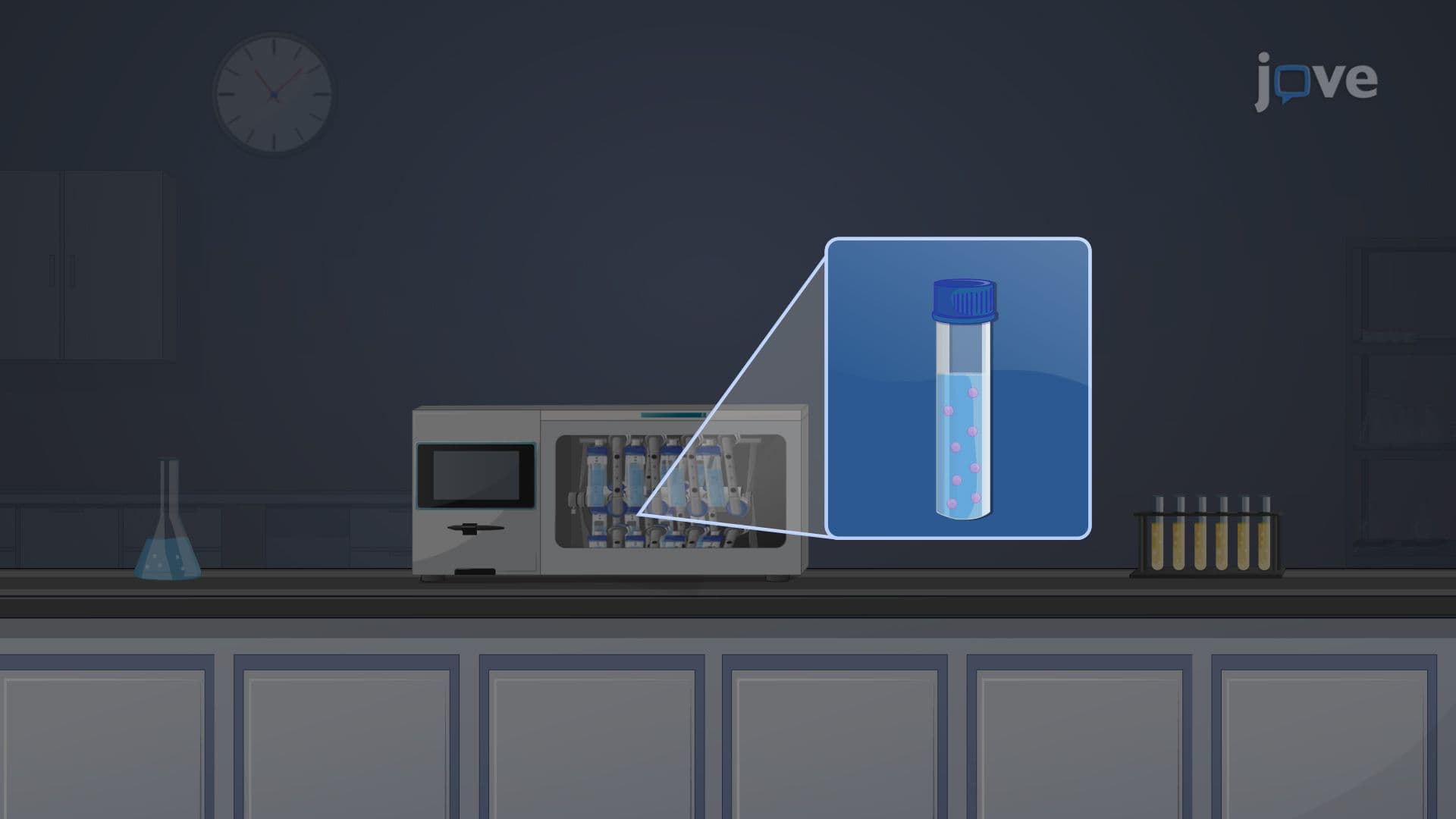

Video Summary: In Vitro Drug Dissolution Alternative Methods Explained
Ever wonder how pharmaceutical companies at major US firms like Pfizer test whether your medication will dissolve properly in your stomach? In vitro drug dissolution alternative methods provide scientists with innovative ways to simulate how drugs break down in the human body without actual human testing. These techniques, including rotating bottle systems and Franz diffusion cells, help ensure medications like extended-release pain relievers work as intended. Watch the full video on JoVE Coach to master this concept with expert-led visuals and step-by-step explanations.
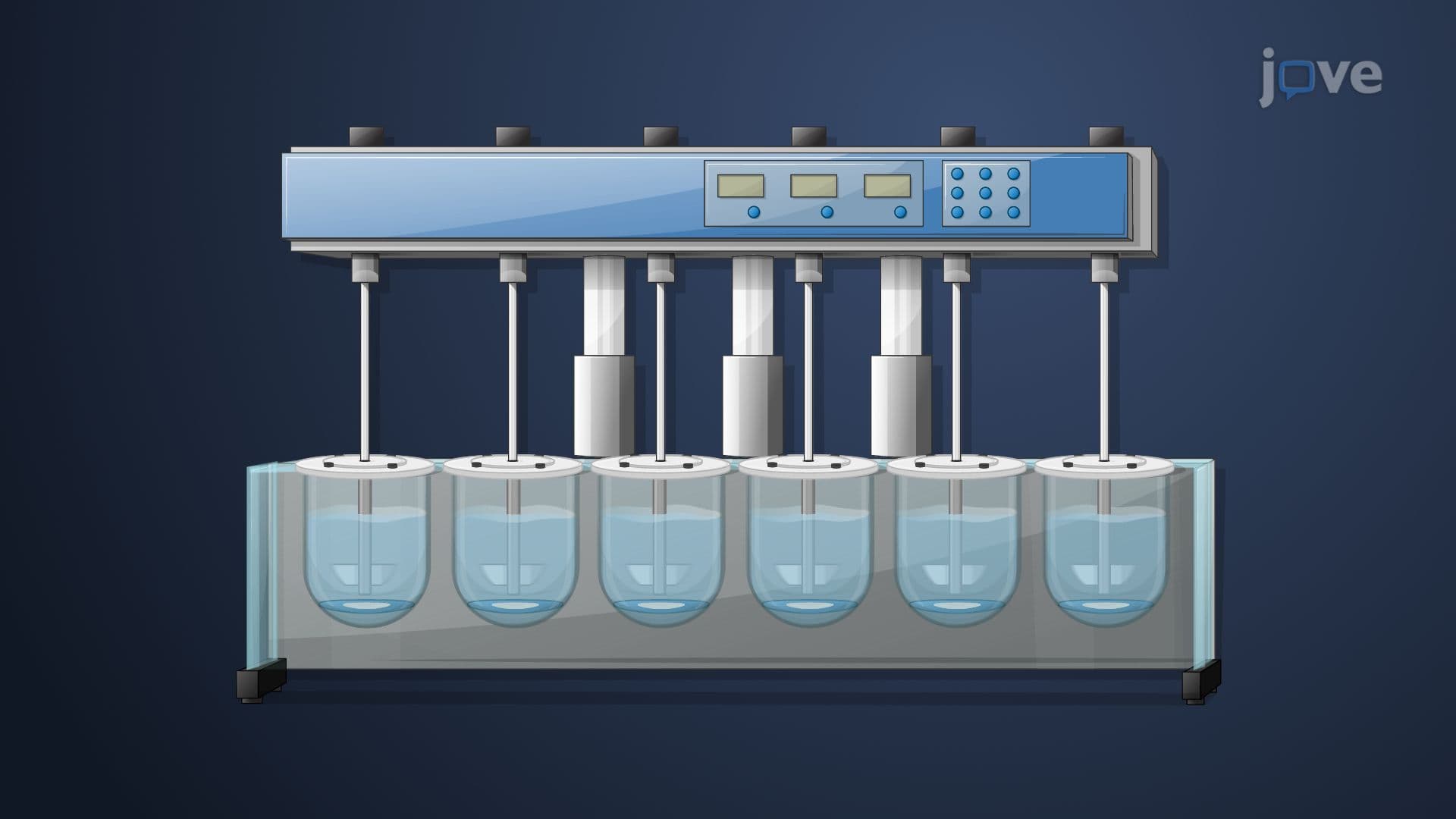
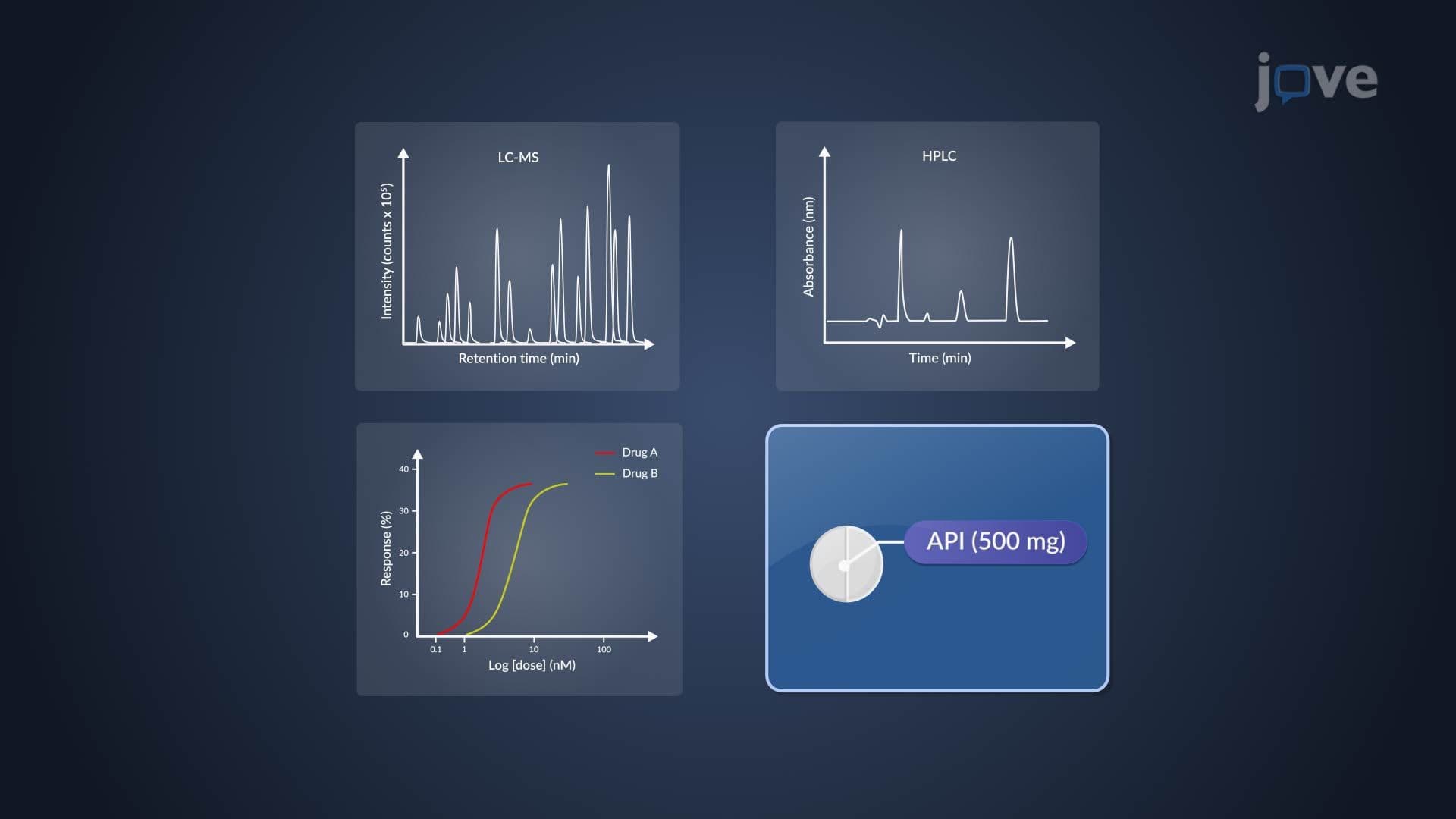
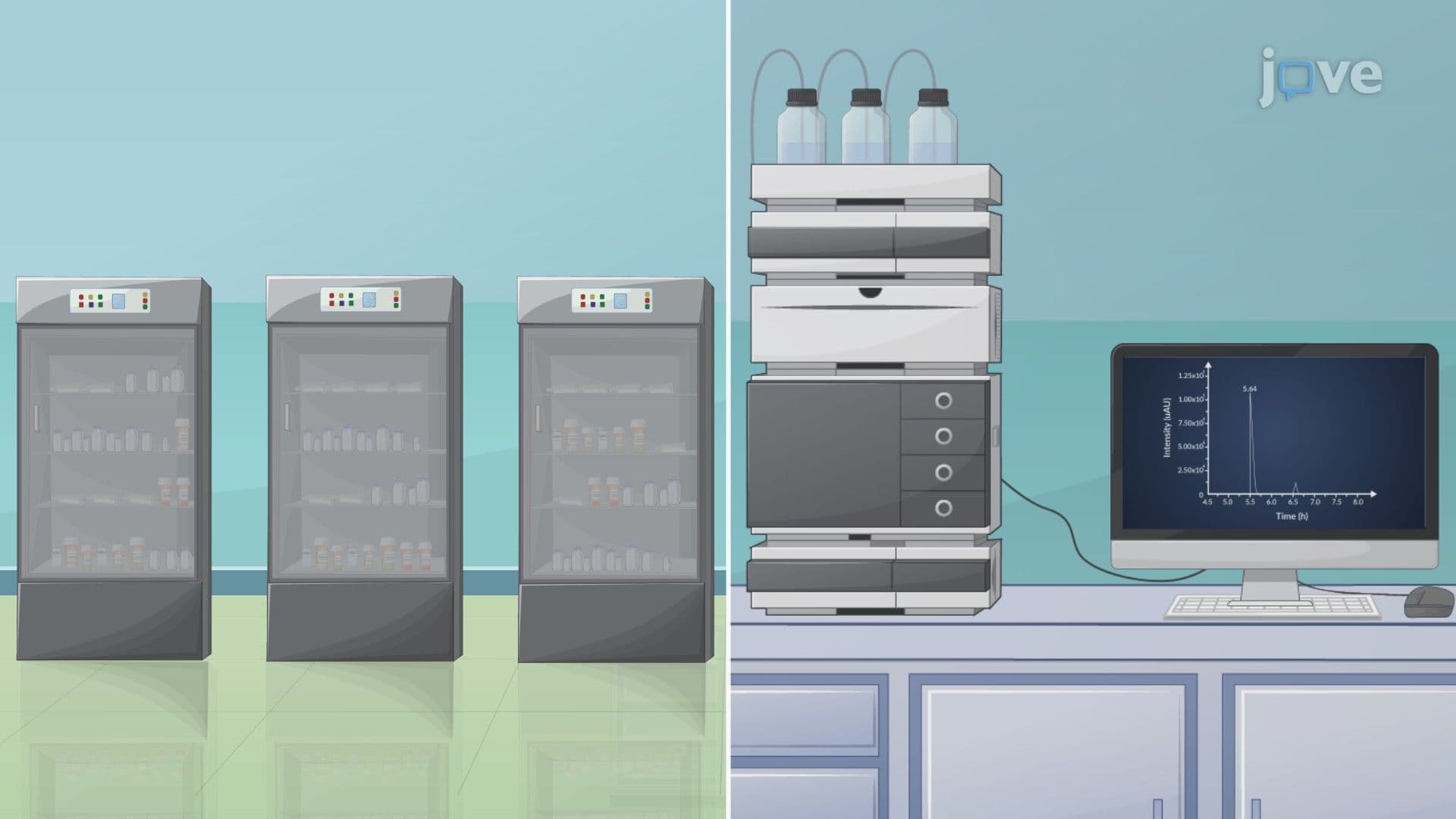
In vitro drug dissolution alternative methods represent sophisticated laboratory techniques that pharmaceutical scientists use to predict how medications will behave in the human body. These methods are essential for drug development, quality control, and regulatory approval processes overseen by the FDA. Unlike standard dissolution testing, these alternative approaches offer specialized solutions for unique drug formulations and delivery systems.
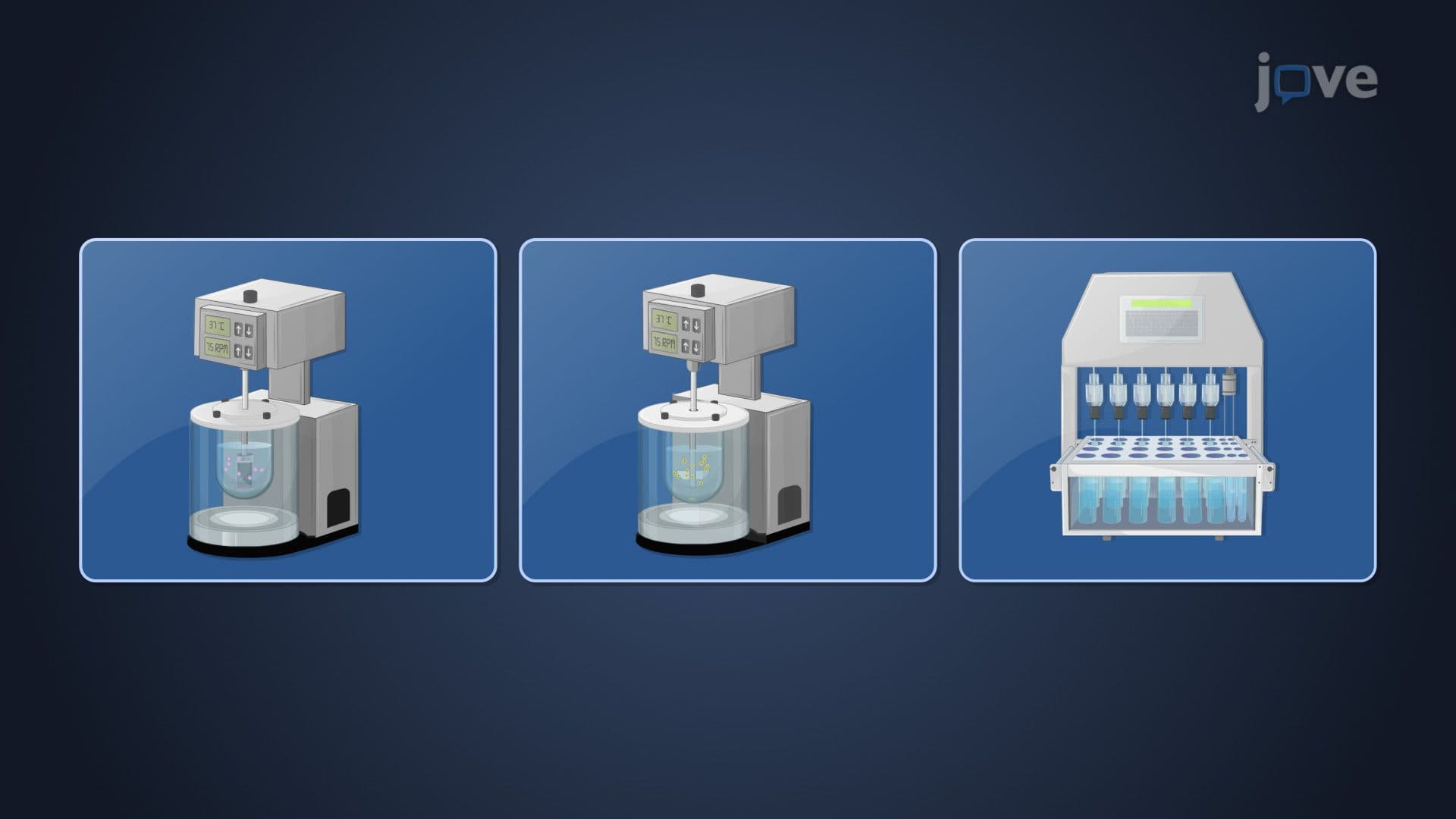
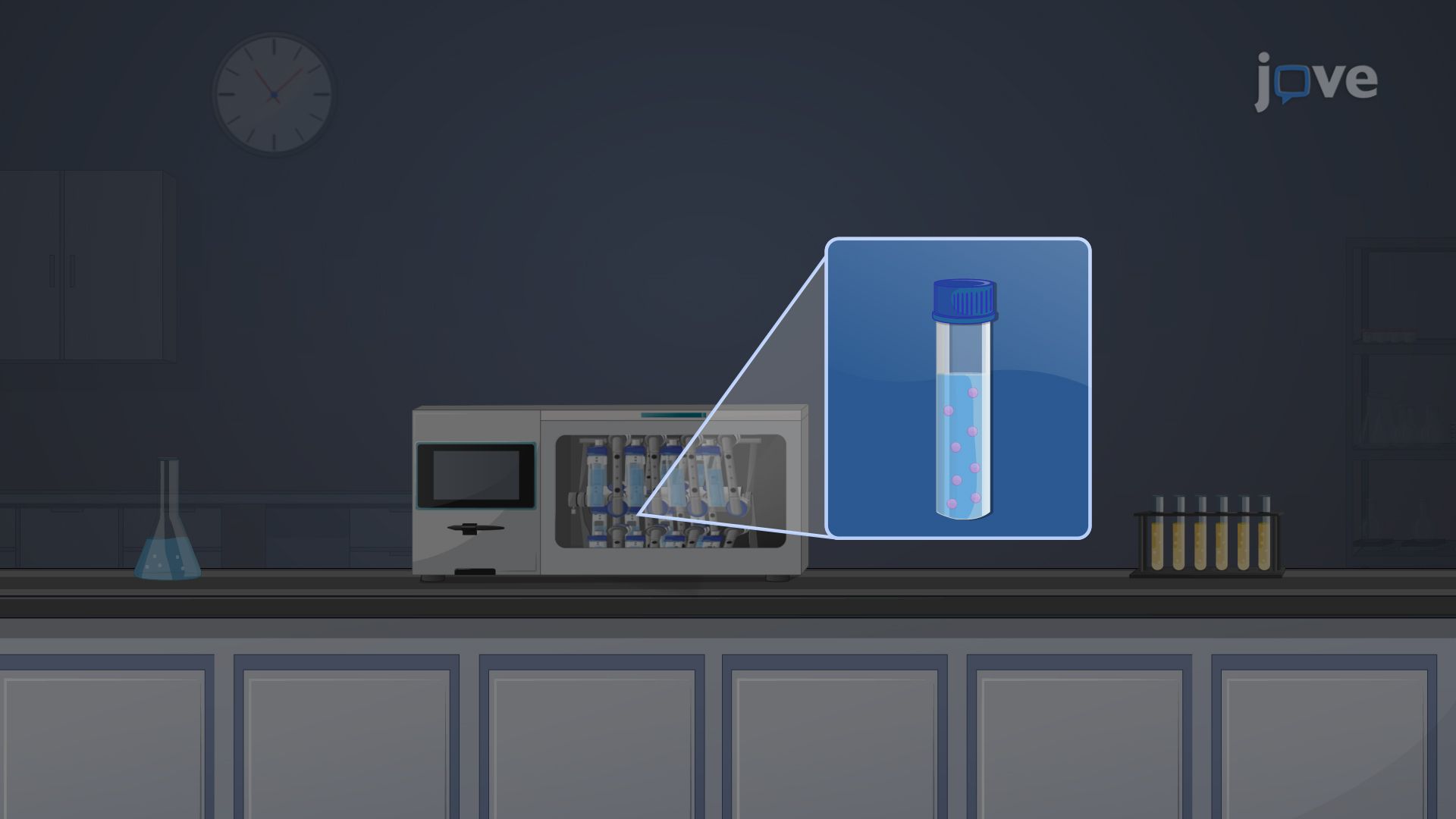
The rotating bottle technique addresses a critical challenge in pharmaceutical testing: evaluating controlled-release drug formulations like extended-release capsules. This method involves placing tightly sealed drug beads in bottles that rotate continuously in a temperature-controlled water bath set to body temperature (37°C). Scientists periodically extract samples while replenishing the dissolution medium, mimicking how fresh gastric and intestinal fluids continuously contact medications in your digestive system. The pH is systematically varied from acidic (stomach conditions) to neutral and basic (small intestine conditions), providing comprehensive data about drug release patterns. This technique proves invaluable for testing medications like extended-release morphine tablets used in US hospitals for chronic pain management.
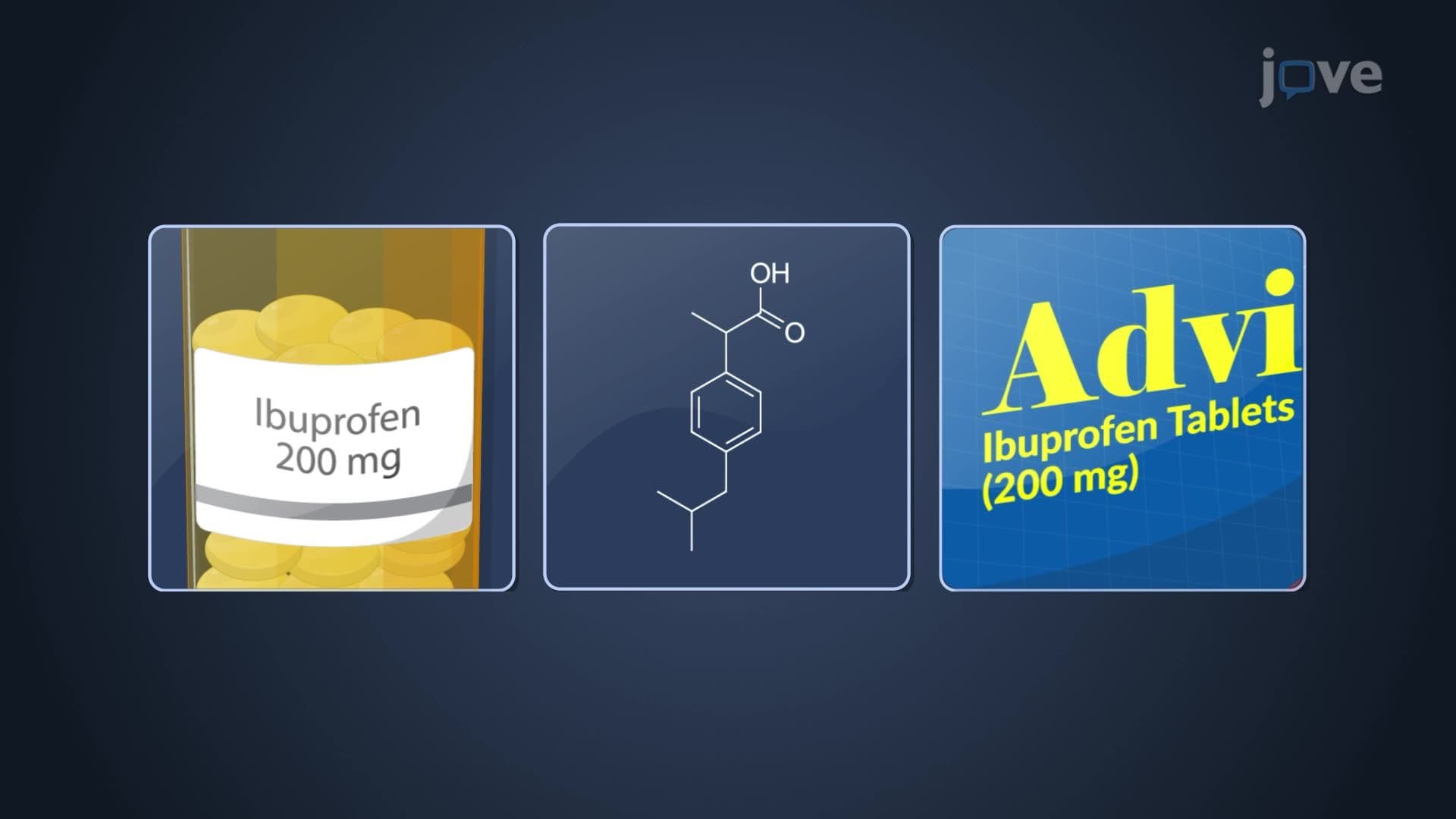
Intrinsic dissolution testing isolates the drug substance from all other tablet components (excipients), providing pure data about the drug's fundamental dissolution properties. Scientists compress pure drug powder into a flat disk surface with a known area, then expose only that surface to the dissolution medium. This method eliminates variables introduced by binding agents, fillers, and coatings, making it perfect for understanding basic drug solubility characteristics. Pharmaceutical companies use this data to optimize formulations and troubleshoot bioavailability issues. For students preparing for the MCAT or pharmacy school entrance exams, understanding intrinsic dissolution helps explain why some generic medications may perform differently than brand-name versions despite containing identical active ingredients.
The peristalsis method revolutionizes dissolution testing by incorporating fluid flow, closely mimicking how intestinal contractions move dissolved drugs through the GI tract. Using rigid plastic tubing and controlled pumping systems, this technique simulates the dynamic environment where drugs actually dissolve and absorb. Meanwhile, Franz diffusion cells serve a completely different purpose: testing topical medications like prescription skin creams and transdermal patches. These static systems use animal or synthetic membranes to model drug penetration through skin layers, measuring how much active ingredient reaches the bloodstream. US dermatology practices rely on Franz cell data when prescribing topical treatments for conditions like eczema or psoriasis, ensuring optimal drug delivery through the skin barrier.
Related Micro-courses