Loading video…

 9 Concepts
 540 views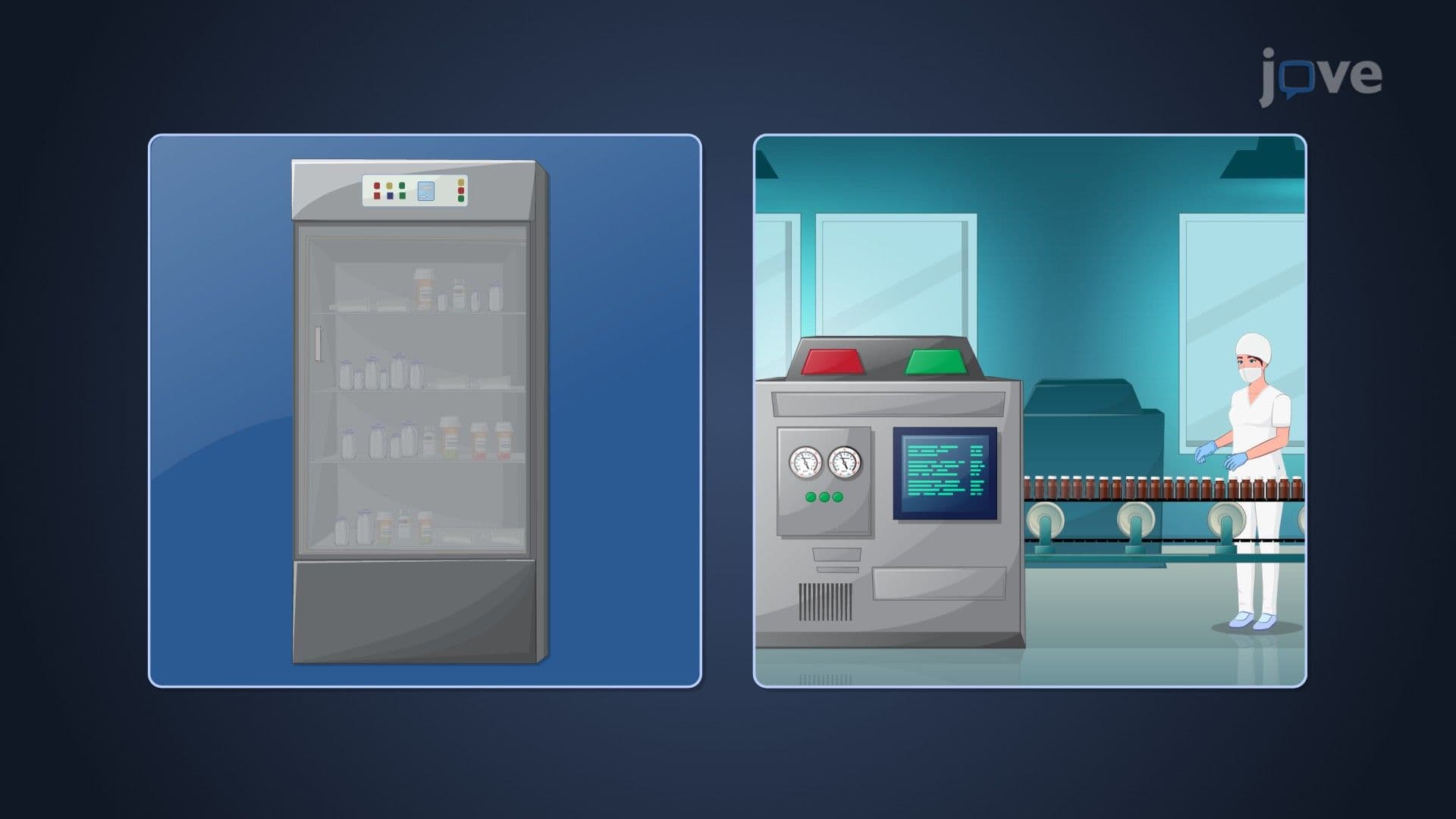

Video Summary: In Vitro Drug Release Testing Explained
Ever wonder how pharmaceutical companies ensure your medication releases the right dose at the right time? In vitro drug release testing serves as the critical quality checkpoint that protects millions of patients daily. For instance, when Pfizer develops a new extended-release pain medication, these dissolution tests confirm the drug releases consistently over 12 hours rather than dumping all at once. In vitro drug release testing explained reveals how scientists use controlled laboratory conditions to predict how medications will behave in your body before they ever reach pharmacy shelves. Watch the full video on JoVE Coach to master this concept with expert-led visuals and step-by-step explanations.
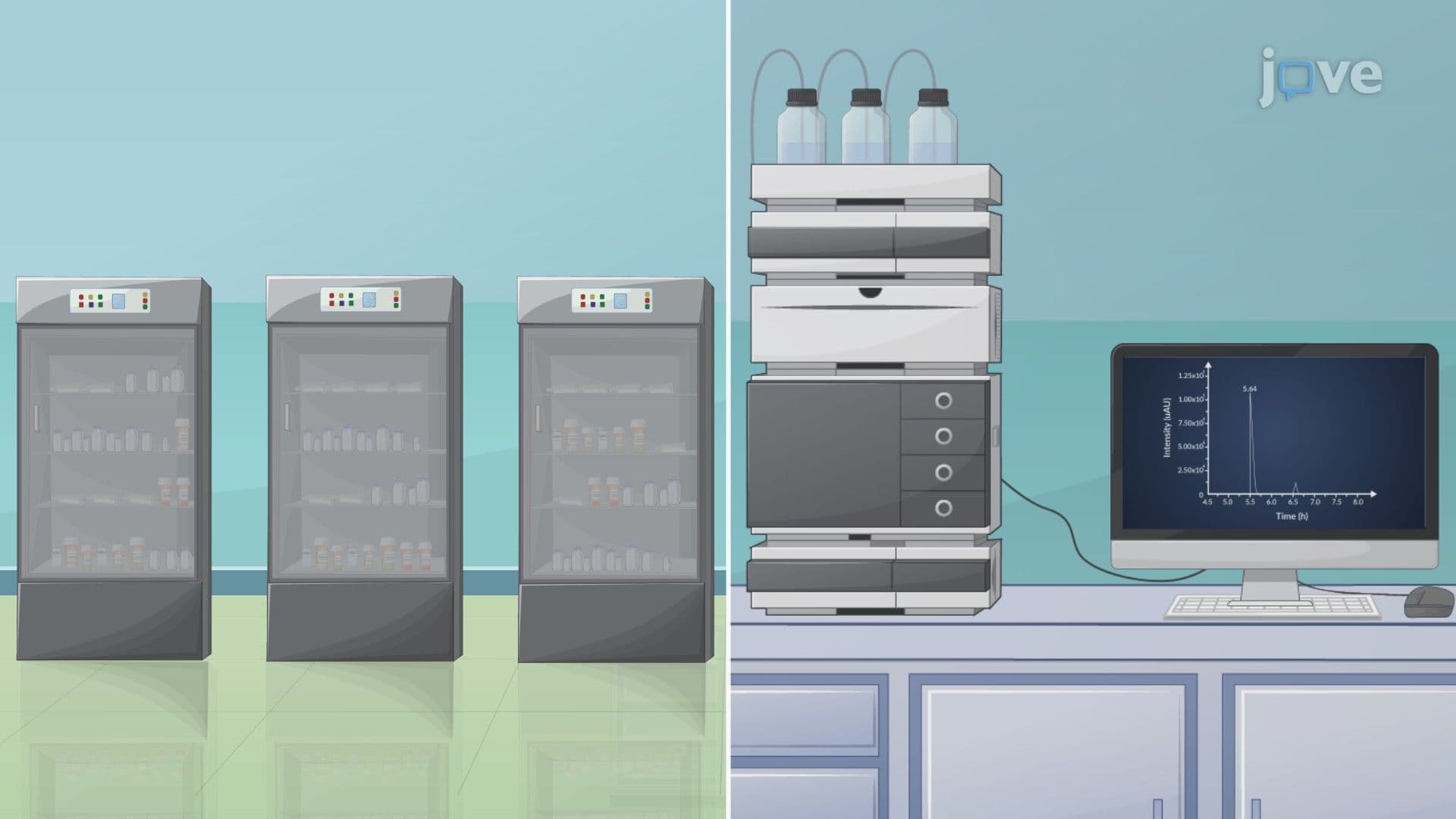
In vitro drug release testing represents a cornerstone of pharmaceutical science that bridges laboratory research with patient safety. This analytical method evaluates how quickly and completely a drug dissolves from its dosage form when placed in aqueous solutions that mimic body fluids. Unlike in vivo studies that require human subjects, these controlled laboratory tests provide rapid, cost-effective insights into drug performance.
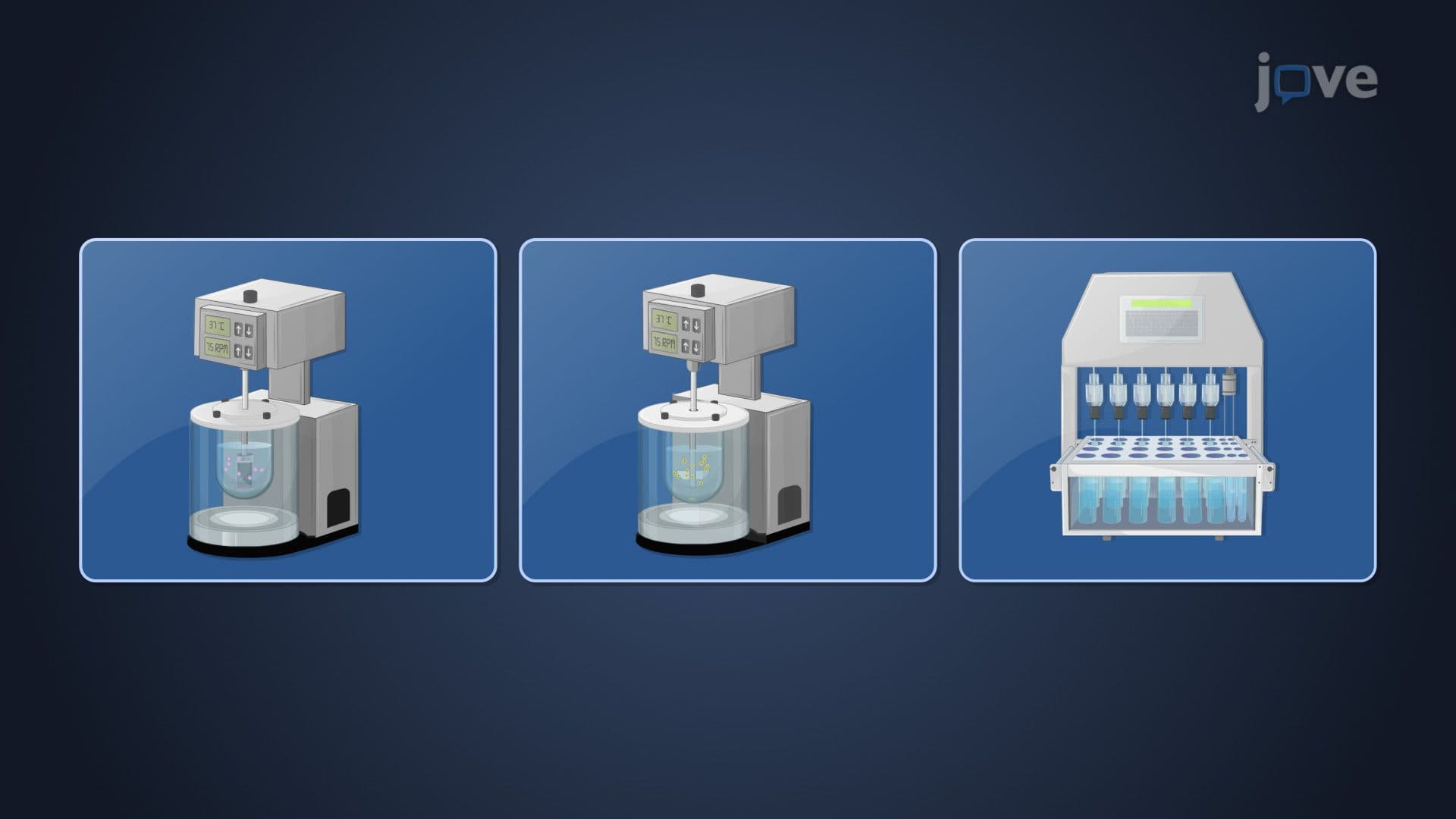
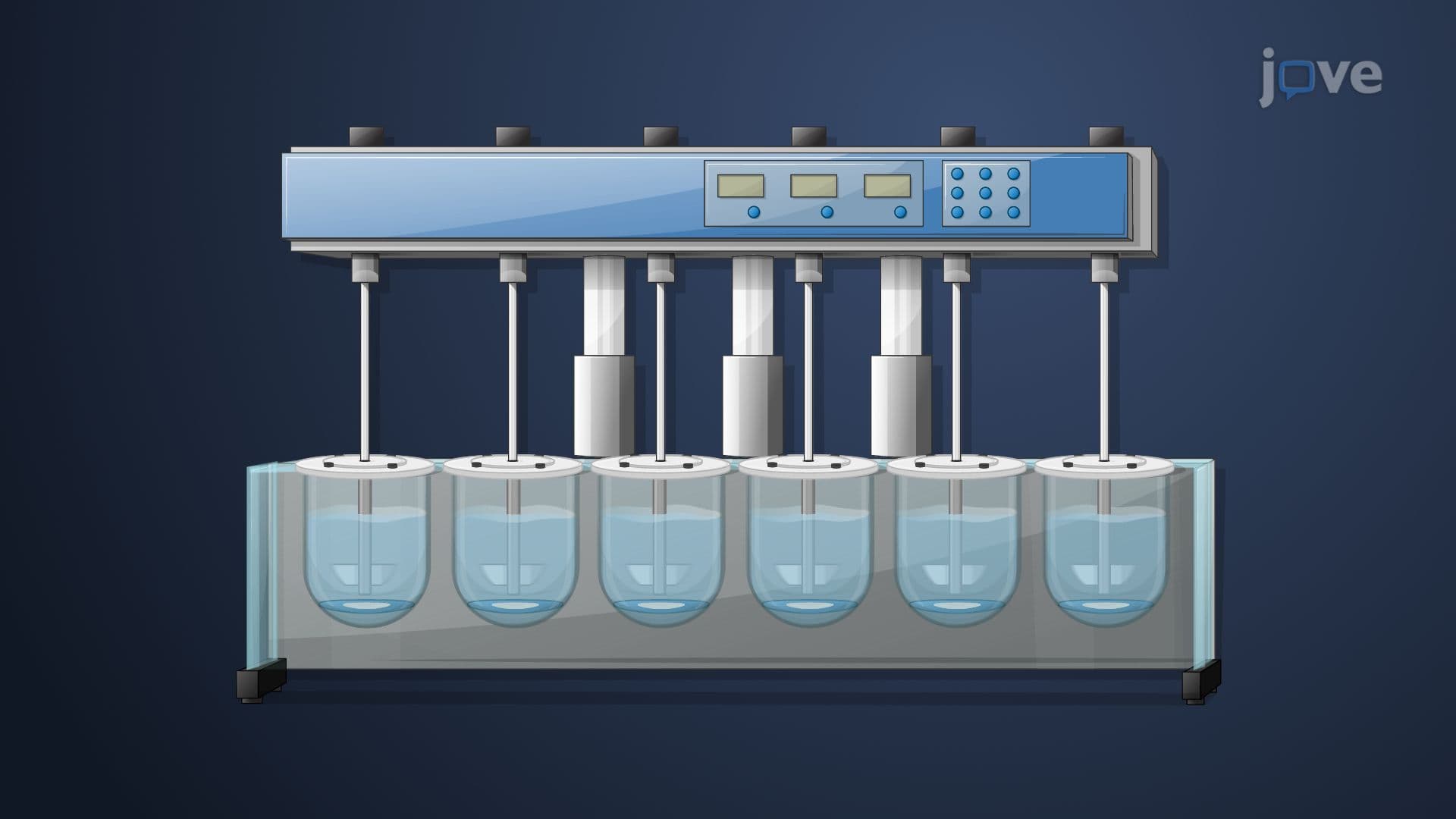
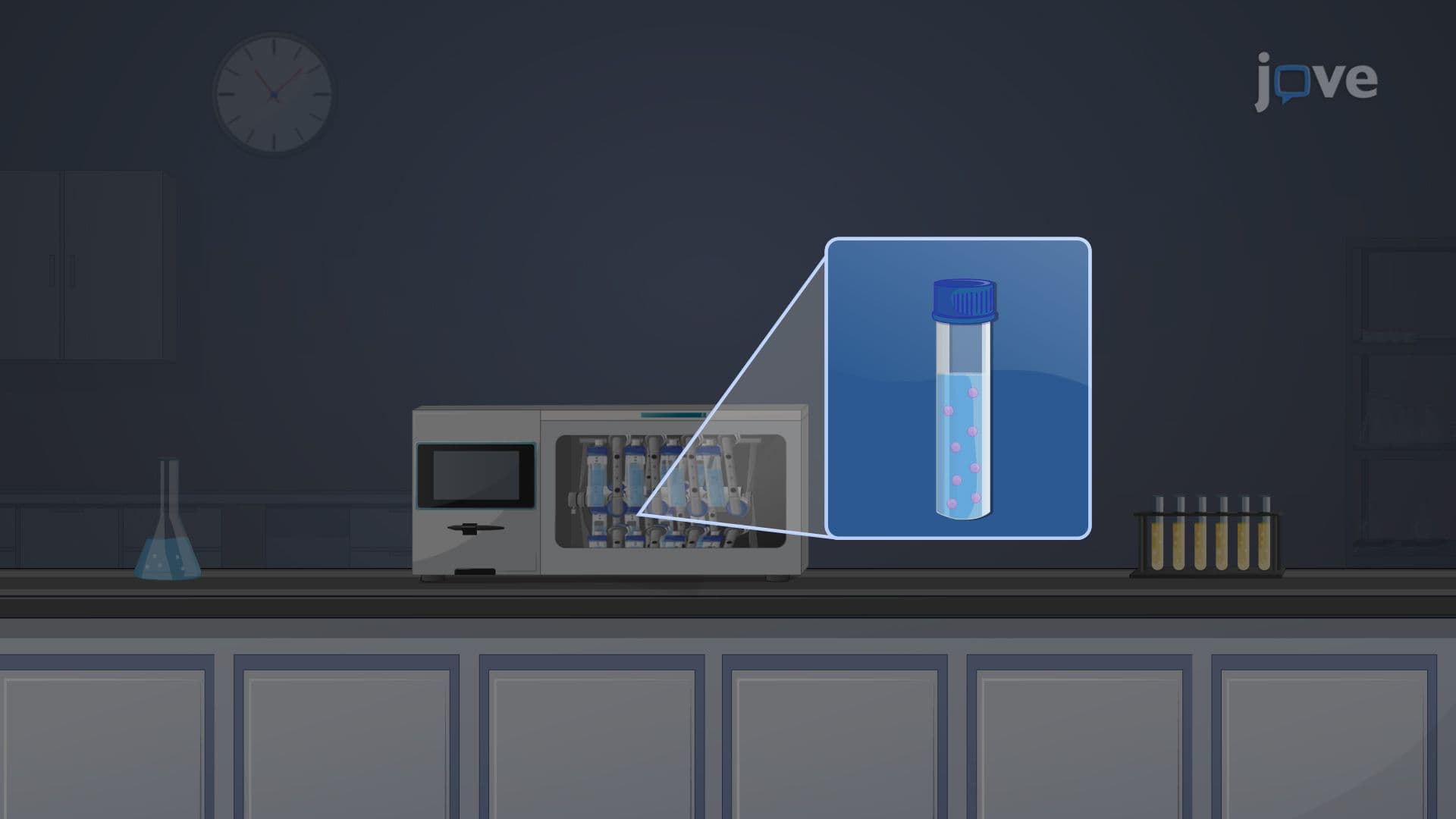
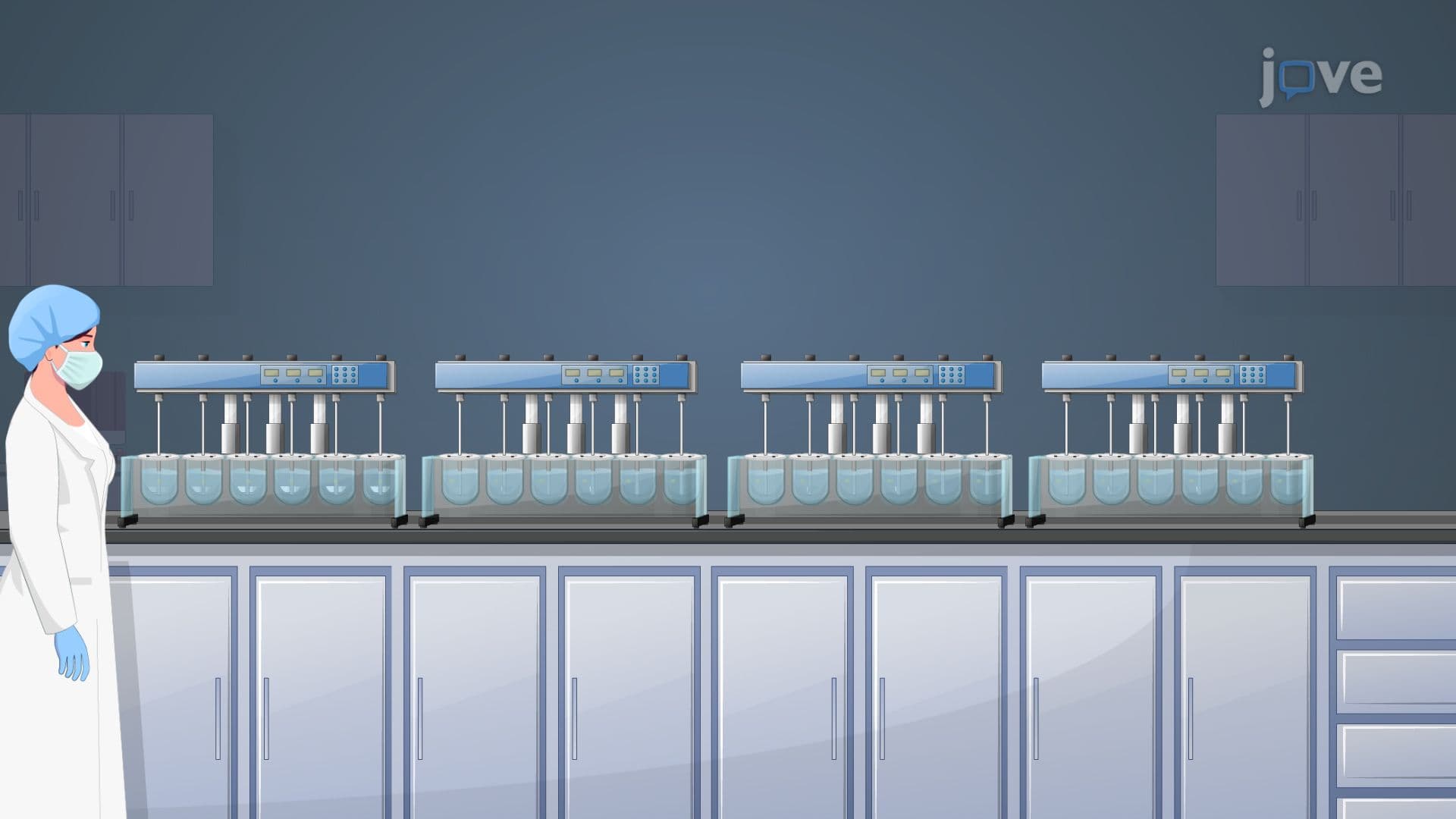
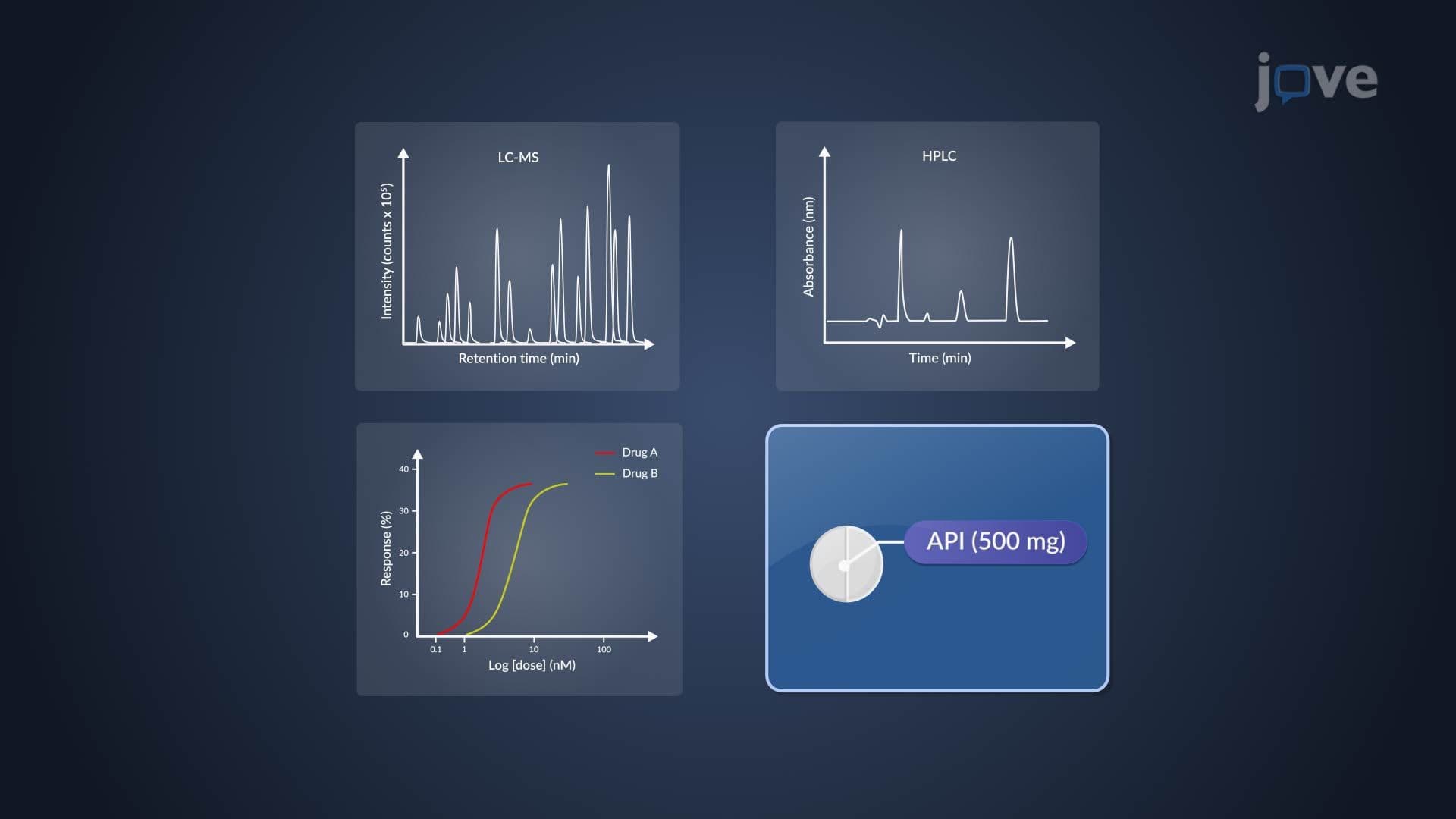
The testing process involves sophisticated equipment like USP dissolution apparatus, where tablet or capsule samples rotate in temperature-controlled media at precisely 37°C. Scientists measure drug concentration at specific time intervals, creating dissolution profiles that reveal whether a medication will release its active ingredient appropriately in patients.
During drug development, dissolution testing acts as an early warning system for formulation scientists. When Johnson & Johnson develops a new arthritis medication, dissolution tests help determine optimal tablet compression forces, coating thickness, and excipient ratios. These parameters directly influence whether patients receive consistent therapeutic benefits.
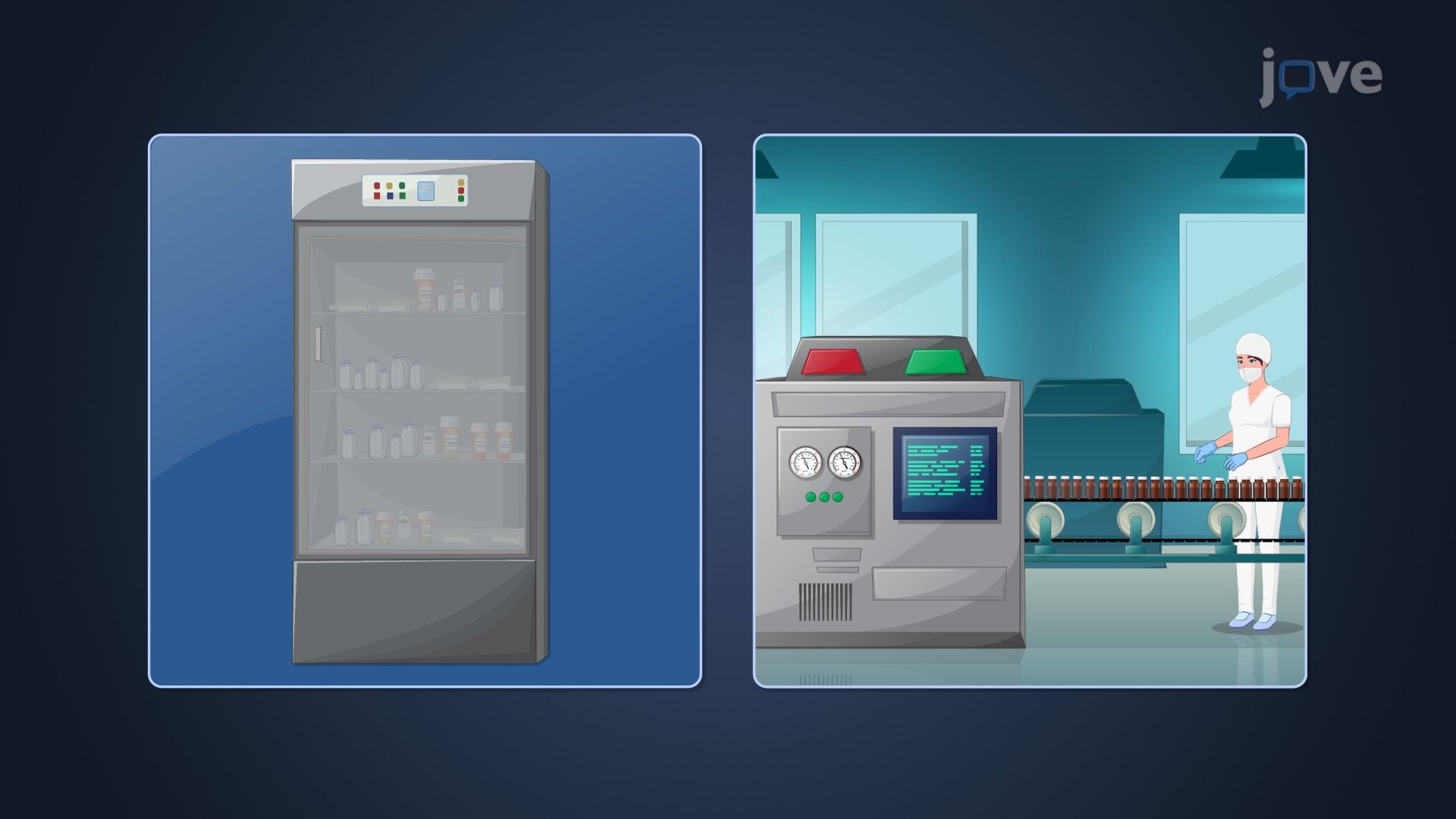
Manufacturing quality control relies heavily on dissolution testing to ensure every batch meets FDA specifications. The FDA requires dissolution testing for most solid oral dosage forms, making it essential for regulatory approval and ongoing compliance. Students preparing for the MCAT or pharmacy school entrance exams should understand that dissolution testing serves as both a development tool and a regulatory requirement.
Consider how dissolution testing protects patients taking critical medications like blood thinners or antidepressants. If a generic warfarin tablet dissolves too quickly, patients risk dangerous bleeding episodes. Conversely, if an antidepressant releases too slowly, patients may experience breakthrough symptoms.
The FDA uses dissolution testing data to evaluate generic drug applications, ensuring bioequivalence with brand-name medications. This process has enabled safe, affordable generic alternatives that save Americans billions annually. For students studying pharmacokinetics in AP Biology or college biochemistry courses, dissolution testing provides concrete examples of how molecular properties translate to clinical outcomes.
Pharmaceutical companies also use dissolution testing to support product lifecycle management. When Merck needed to reformulate a popular diabetes medication to improve stability, dissolution testing confirmed the new formulation maintained equivalent release characteristics, avoiding costly clinical trials.
Related Micro-courses