Loading subject page…


80,629 views


Video Summary: Potential Due to a Magnetized Object Explained
Ever wondered how MRI machines at hospitals like Mayo Clinic generate such precise magnetic fields? The potential due to a magnetized object reveals how magnetic materials create complex field patterns through bound currents at their surfaces and within their volume. When materials become magnetized, they develop surface-bound currents along their boundaries and volume-bound currents throughout their interior, creating measurable electric potential differences. Watch the full video on JoVE Coach to master this concept with expert-led visuals and step-by-step explanations.
The potential due to a magnetized object represents one of the most elegant concepts in electromagnetism, bridging microscopic magnetic dipoles with macroscopic field behavior. When magnetic materials like iron or nickel encounter external fields, their internal structure reorganizes to create measurable potentials that engineers harness in everything from electric motors to MRI scanners.
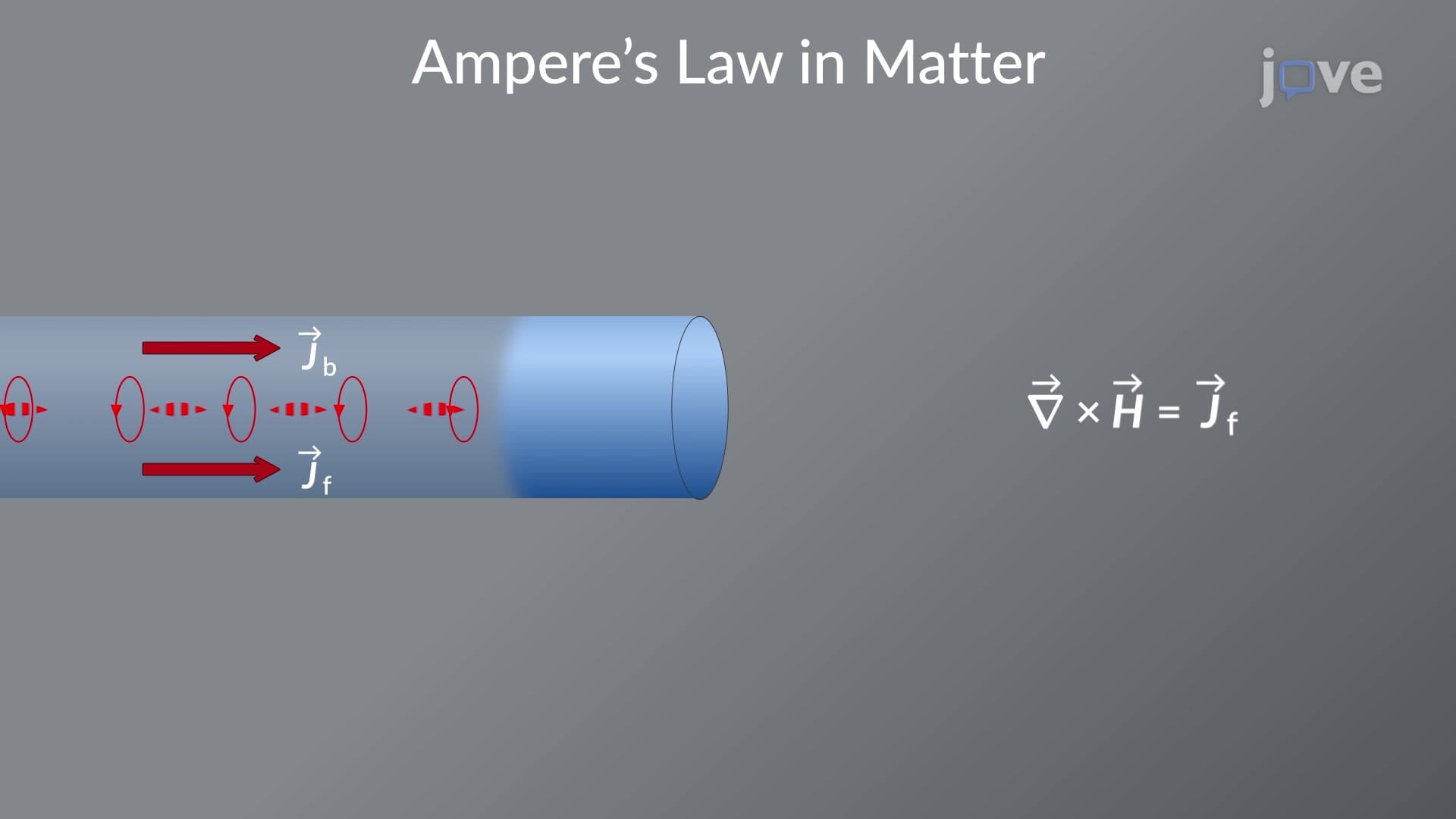
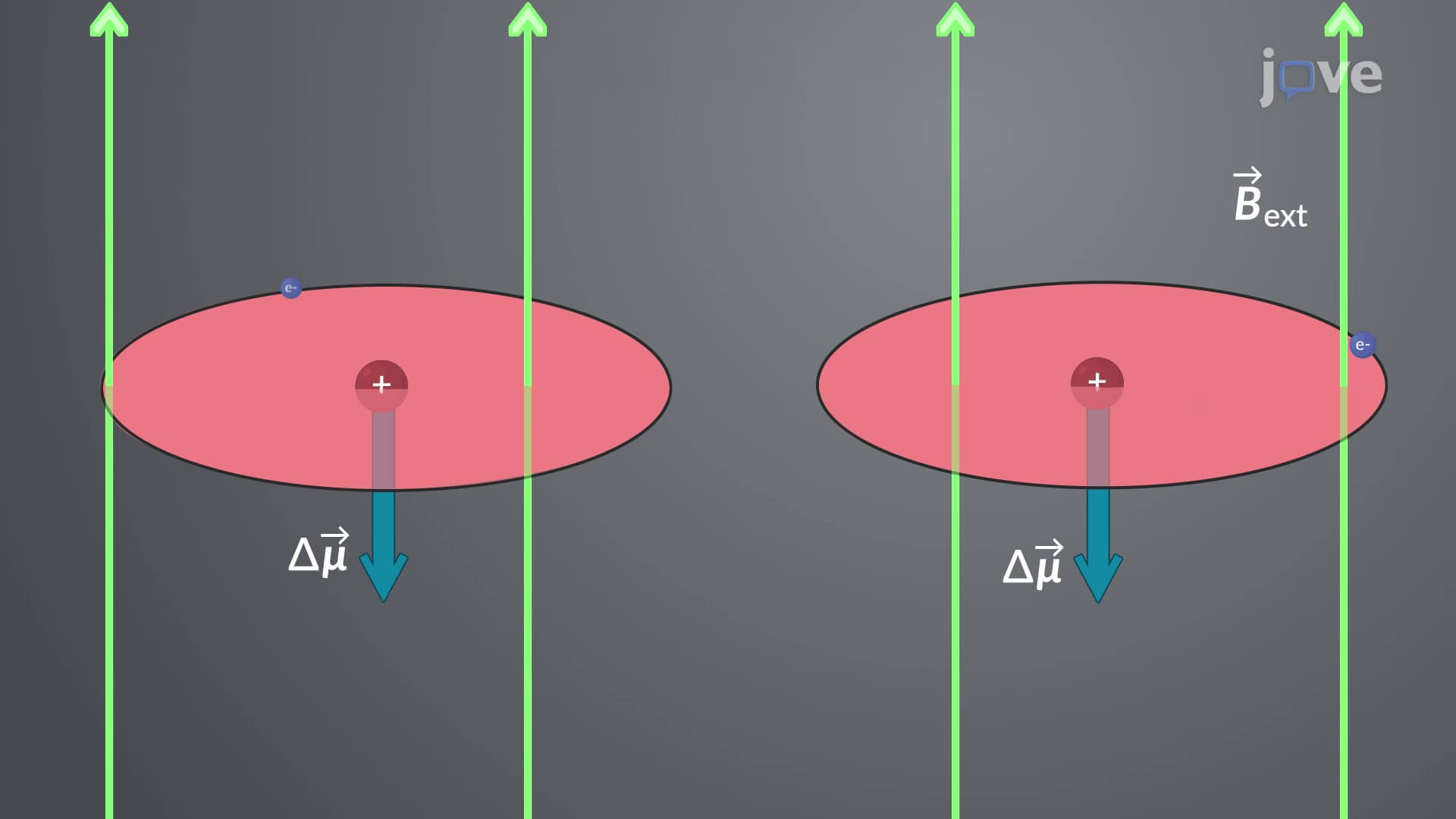
In uniformly magnetized materials, the magic happens at the boundaries. Picture thousands of tiny current loops representing individual magnetic dipoles aligned throughout the material. Adjacent loops carry equal but opposite currents that perfectly cancel each other-except at the surface. Here, unopposed currents flow along the boundary, creating what physicists call surface-bound current density.
This surface current density equals the magnetization magnitude, providing a direct link between microscopic dipole moments and macroscopic current flow. Students preparing for AP Physics C or college electromagnetism courses often encounter this relationship in exam problems involving cylindrical magnets or rectangular magnetic slabs.
Real-world magnetized objects rarely maintain perfect uniformity. In permanent magnets used by companies like General Electric in wind turbine generators, magnetization varies spatially, preventing complete current cancellation between adjacent loops. This creates volume-bound currents throughout the material's interior.
The mathematical relationship is elegant: volume-bound current density equals the curl of the magnetization vector. This vector calculus operation, crucial for MCAT physics sections and engineering coursework, reveals how spatial variations in magnetization generate internal currents.
The total vector potential combines contributions from both surface and volume-bound currents. This superposition principle allows engineers at institutions like MIT and Stanford to design sophisticated electromagnetic devices by treating complex magnetized geometries as current distributions.
For exam purposes, students typically encounter simplified geometries-infinite cylinders, spheres, or slabs-where symmetry arguments simplify calculations. Understanding these fundamental cases prepares students for advanced coursework in plasma physics, materials science, and electrical engineering.
Related Micro-courses