Loading video…


 22 Concepts
 80.6K views

Video Summary: What Is Biot Savart Law
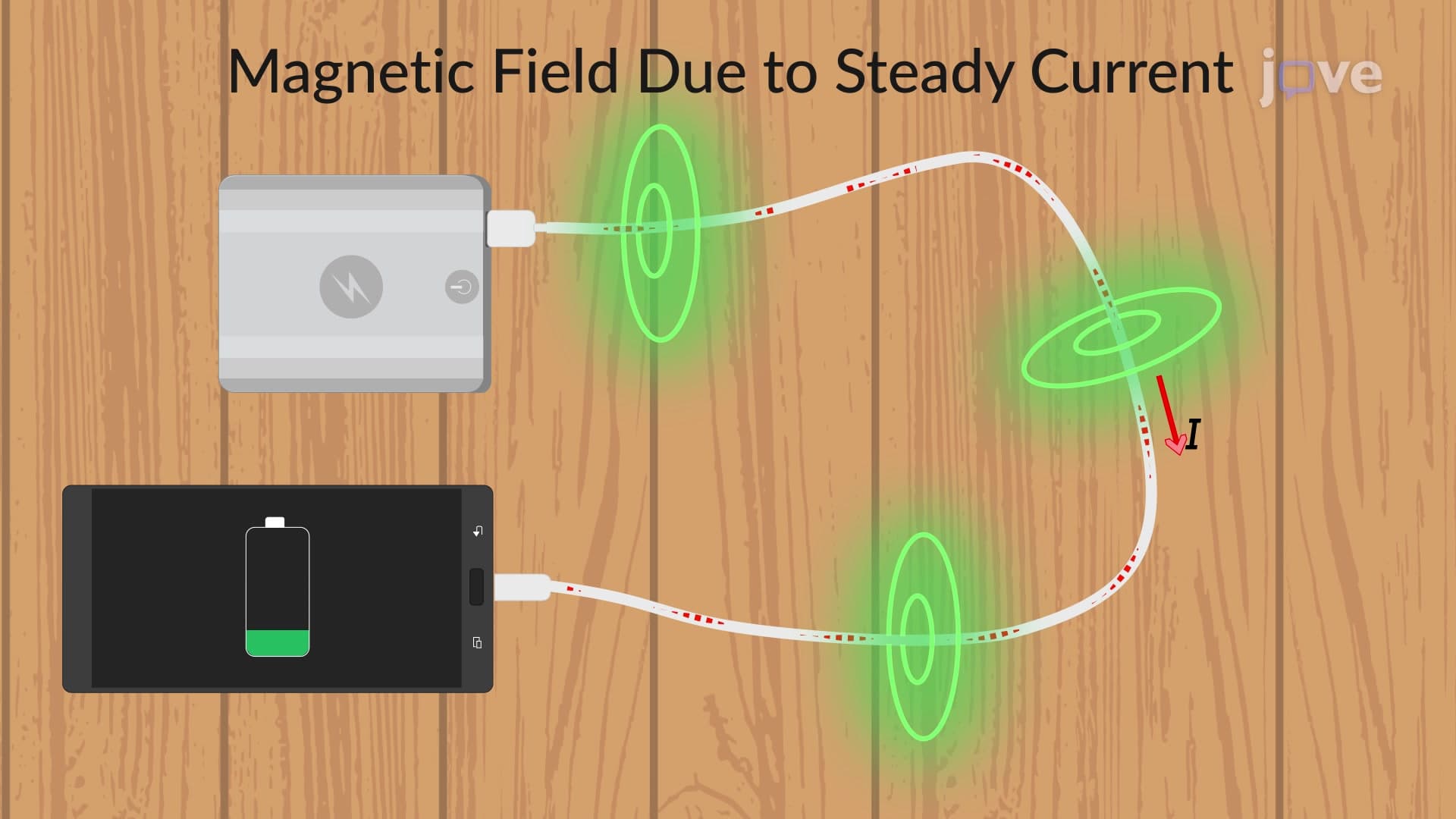
Ever wonder how MRI machines at Johns Hopkins Hospital generate precise magnetic fields to peer inside your body? The Biot Savart law provides the mathematical foundation for calculating magnetic fields produced by electric currents flowing through wires and coils. This fundamental principle in electromagnetism explains how moving charges create magnetic fields, enabling technologies from medical imaging to electric motors in Tesla vehicles. Watch the full video on JoVE Coach to master this concept with expert-led visuals and step-by-step explanations.
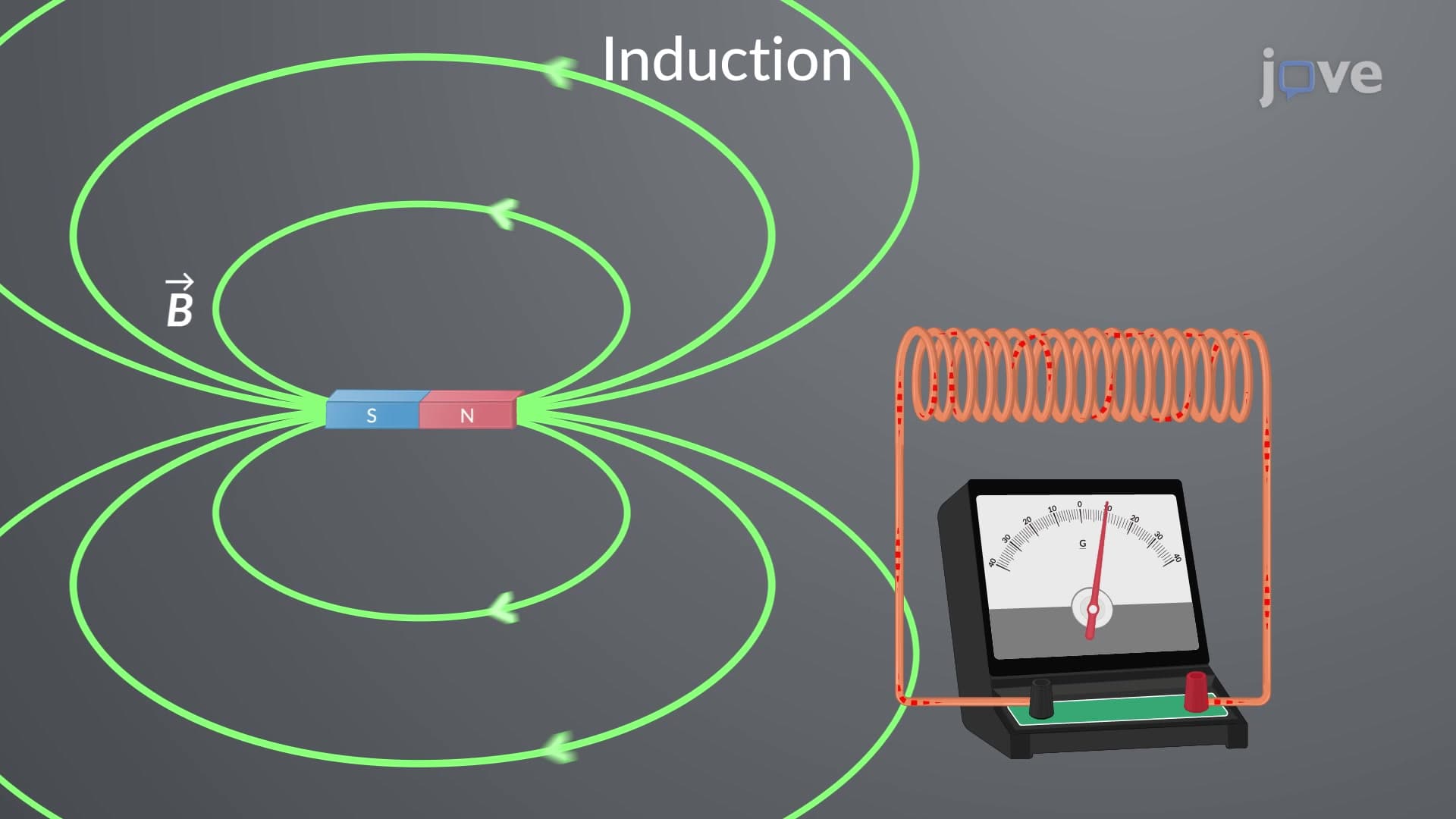
The Biot Savart law represents one of the most elegant relationships in classical electromagnetism, describing how electric currents generate magnetic fields. Named after French physicists Jean-Baptiste Biot and Félix Savart, this law provides the mathematical framework for calculating magnetic field strength and direction at any point in space due to a current-carrying conductor.
At its core, the law states that the magnetic field dB produced by a small current element depends on three factors: the magnitude of the current, the length of the current element, and the inverse square of the distance to the observation point. The complete equation is: dB = (μ₀/4π) × (I dl × r̂)/r², where μ₀ is the permeability of free space, I is current, dl is the differential length element, r is the distance vector, and r̂ is the unit vector.
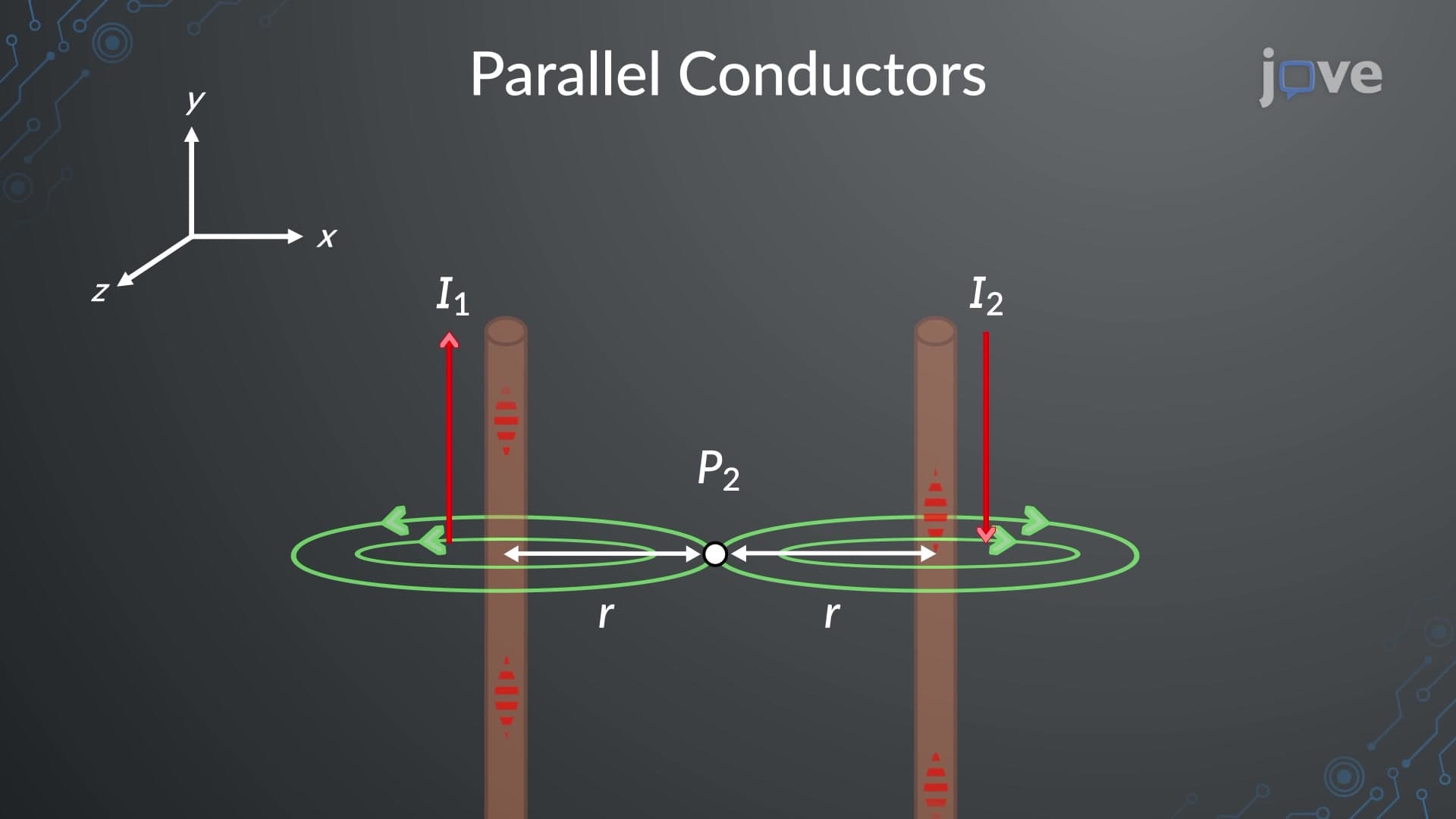
The Biot Savart law definition involves sophisticated vector mathematics that students encounter in AP Physics C and college-level electromagnetism courses. The cross product (dl × r̂) determines the magnetic field direction, always perpendicular to both the current direction and the line connecting the current element to the observation point. This geometric relationship explains why magnetic field lines form circular patterns around straight current-carrying wires.
Students preparing for the MCAT physics section frequently encounter problems requiring integration of the Biot Savart equation over extended current distributions. Unlike Ampère's law, which applies only to highly symmetric configurations, the Biot Savart law works for any current geometry, making it invaluable for analyzing complex electromagnetic systems.
The Biot Savart law concept underlies numerous technologies essential to modern American infrastructure. Medical MRI machines at facilities like the Mayo Clinic use precisely calculated magnetic field gradients to generate detailed anatomical images. The superconducting magnets in these devices require exact field calculations that rely on Biot Savart principles.
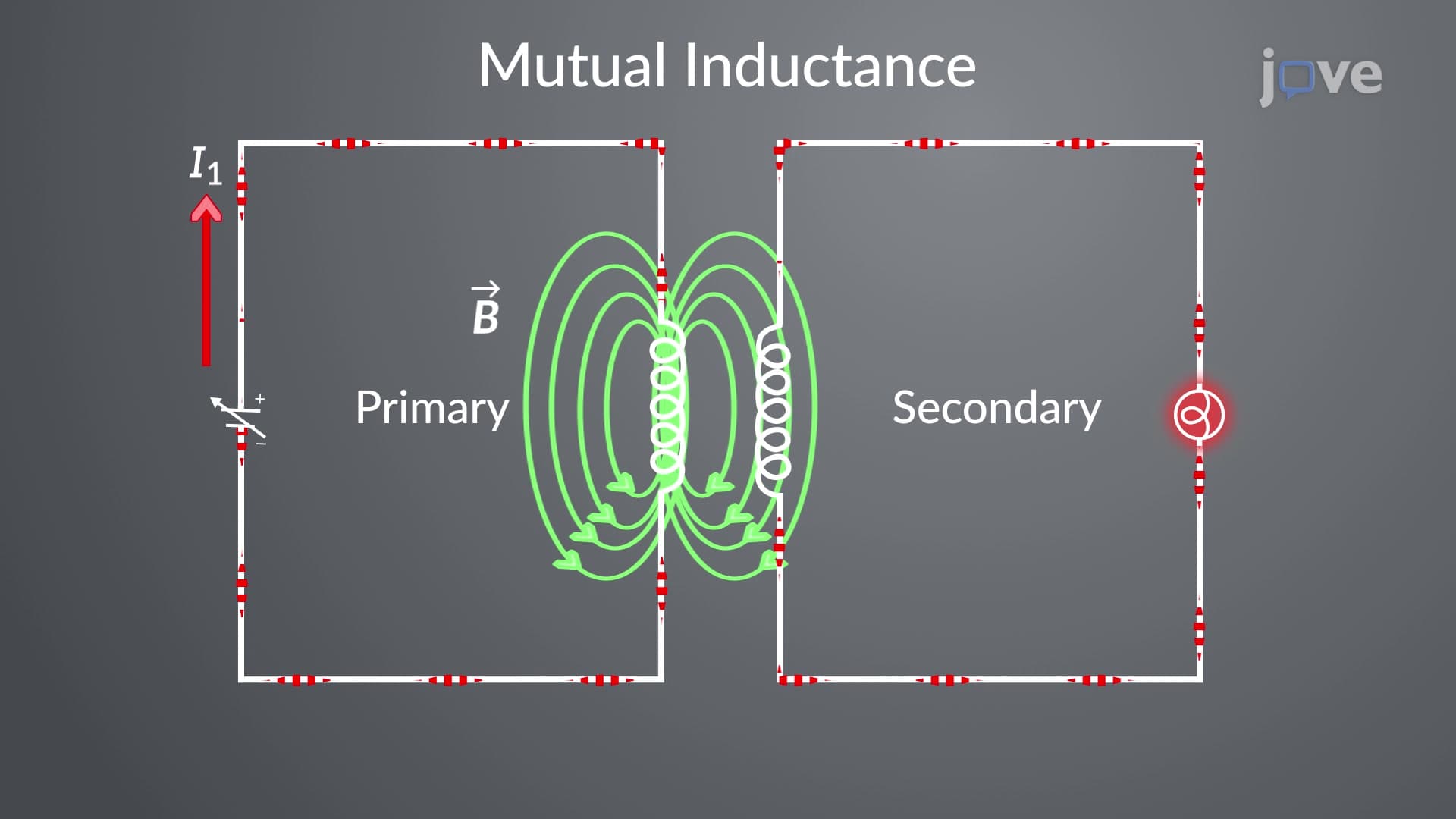
Similarly, the electric vehicle revolution depends on electromagnetic motor design optimized using these principles. Tesla's innovative motor configurations utilize computer simulations based on Biot Savart calculations to maximize efficiency and minimize electromagnetic interference. Power grid transformers, from those serving residential neighborhoods to massive installations at Hoover Dam, employ coil designs optimized through Biot Savart analysis.
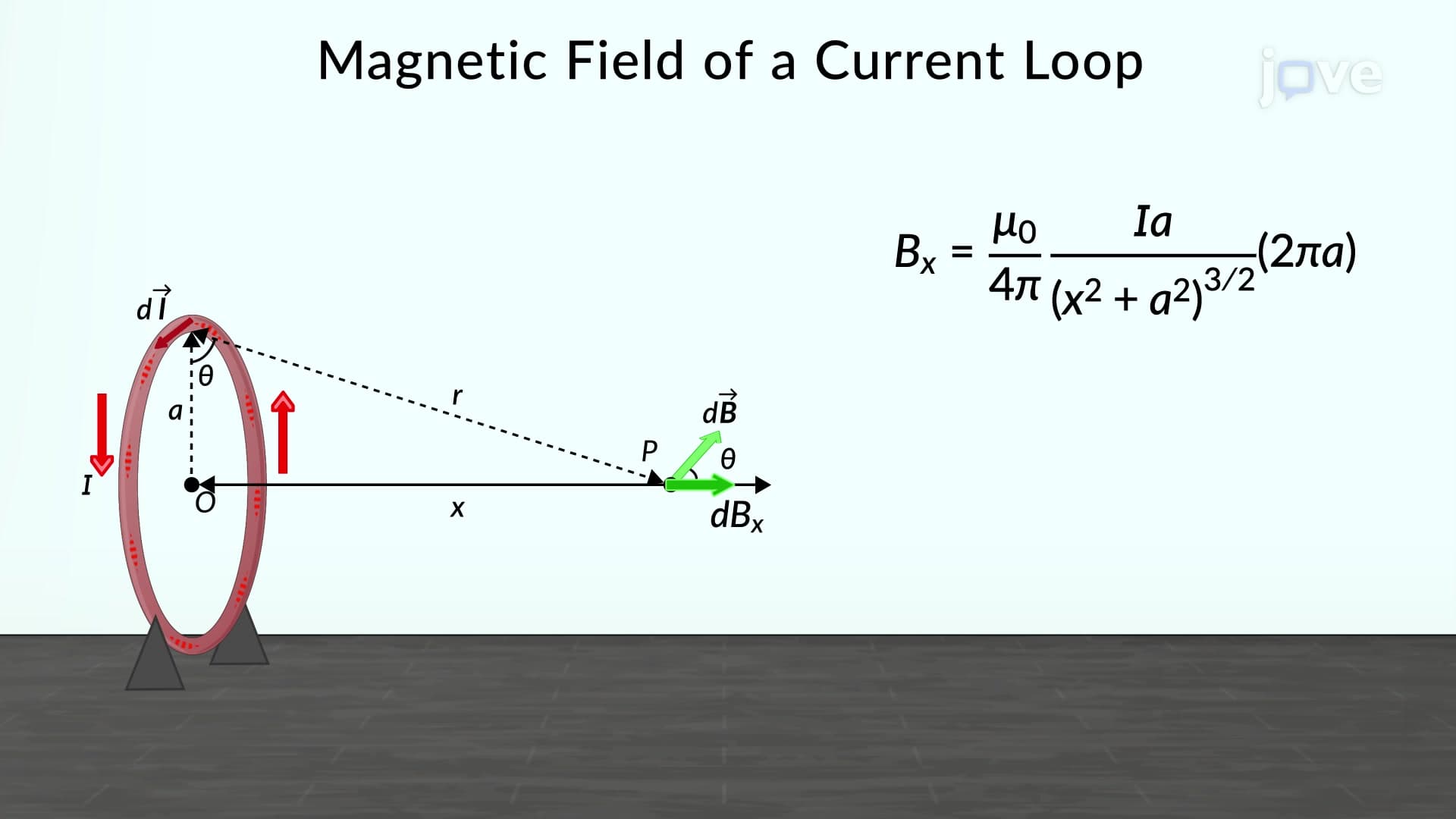
Mastering Biot Savart law basics requires systematic problem-solving approaches that physics educators across American universities consistently emphasize. Students should begin by identifying current distribution geometry, establishing coordinate systems, and applying symmetry principles to simplify integration. Many SAT Subject Test Physics and AP Physics C problems focus on standard configurations: infinite straight wires, circular loops, and solenoids, where integration yields recognizable results.
The law's mathematical complexity often intimidates students, but understanding its physical meaning-that moving charges create magnetic fields proportional to current and inversely related to distance-provides intuitive guidance for approaching electromagnetic problems in academic and professional contexts.
Related Micro-courses