Loading subject page…


80,630 views

Video Summary: What Is Magnetic Field Current Loop
Did you know that the MRI machines in US hospitals rely on the same physics principle that makes a simple wire loop generate magnetic fields? A magnetic field current loop creates distinctive field patterns when electric current flows through a circular conductor, with the strongest field appearing at the center and decreasing along the axis. This fundamental concept explains how electromagnetic coils power everything from electric motors in Tesla vehicles to medical imaging equipment. Watch the full video on JoVE Coach to master this concept with expert-led visuals and step-by-step explanations.
A magnetic field current loop represents one of the most important configurations in electromagnetism, where electric current flowing through a circular conductor creates a distinctive magnetic field pattern. This concept forms the foundation for understanding how electromagnetic devices function, from the simple compass to sophisticated MRI machines used in American hospitals.
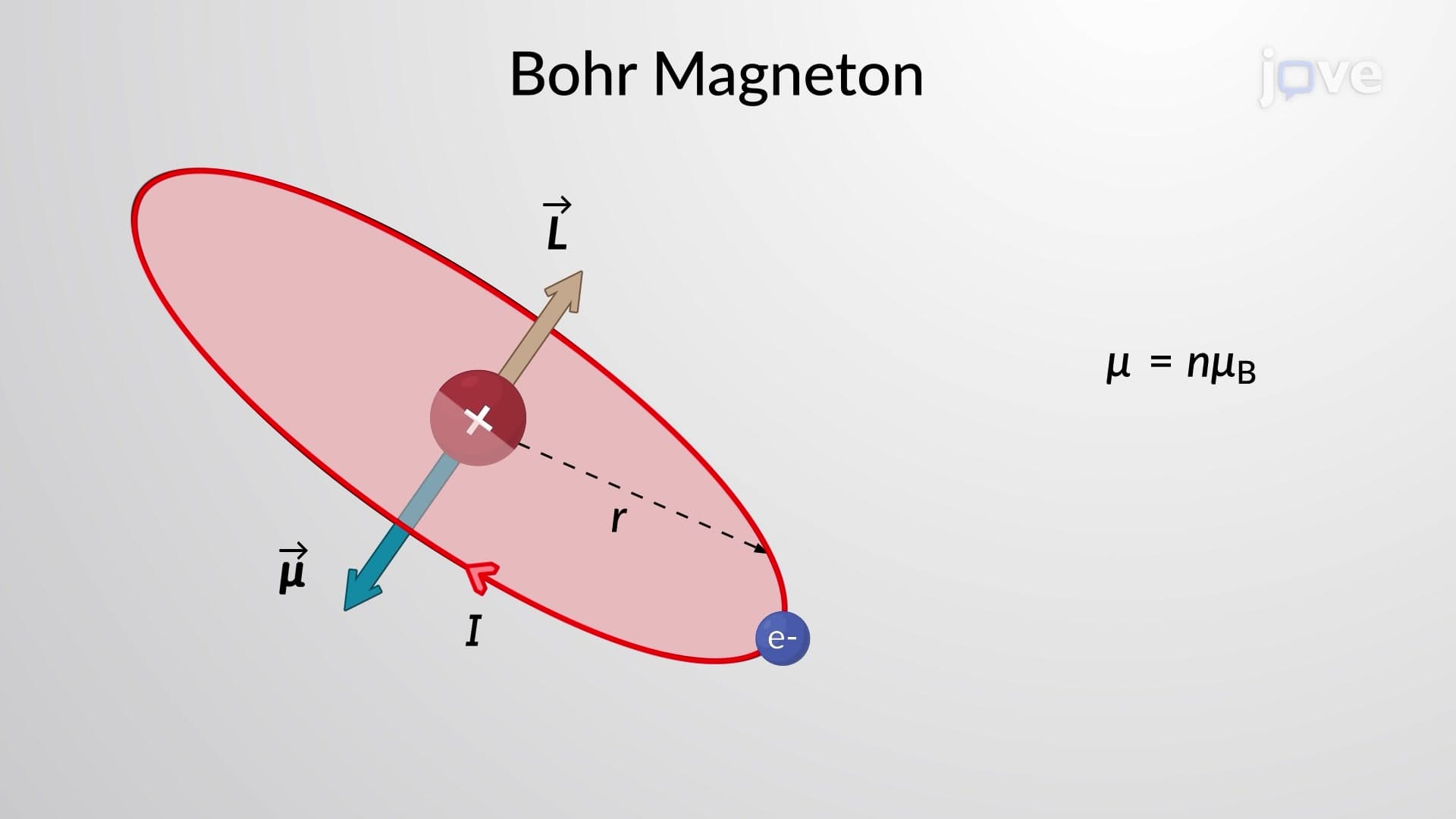
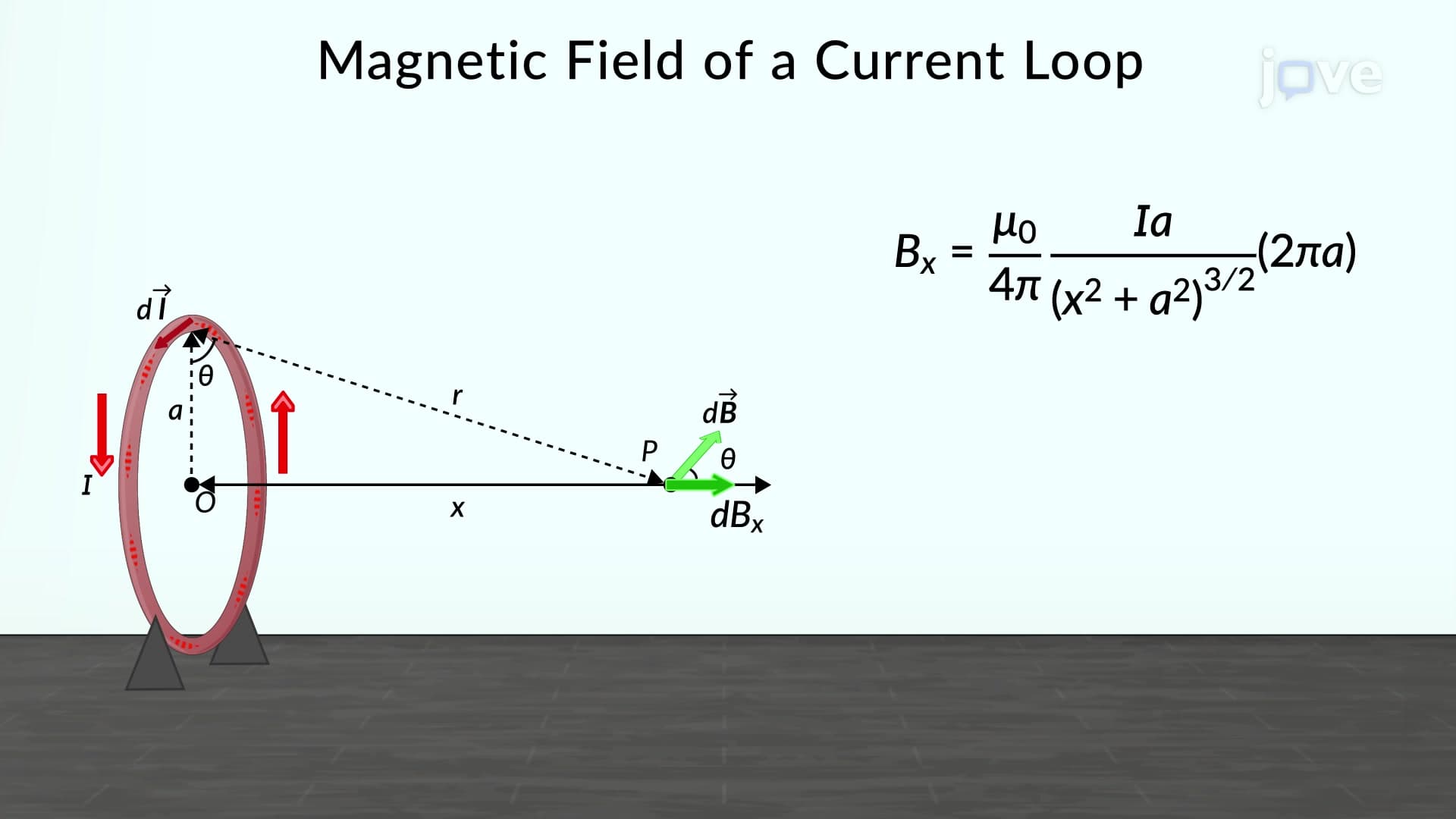
When current flows through a circular loop, each infinitesimal current element contributes to the total magnetic field according to the Biot-Savart law. The mathematical beauty lies in how the perpendicular field components from opposite sides of the loop cancel each other out, while the parallel components add constructively along the loop's axis.
The magnetic field strength at any axial point depends on the loop's radius (a), the current magnitude (I), and the distance from the center (r). Using the Pythagorean theorem, we can calculate the exact distance from any current element to the observation point. The resulting field follows an inverse relationship with distance, becoming strongest at the loop's center and decreasing as you move away along the axis.
For AP Physics students preparing for college entrance exams, this relationship frequently appears in problems involving electromagnetic induction and field calculations. The SAT Subject Test in Physics often tests understanding of how field strength varies with distance and current magnitude.
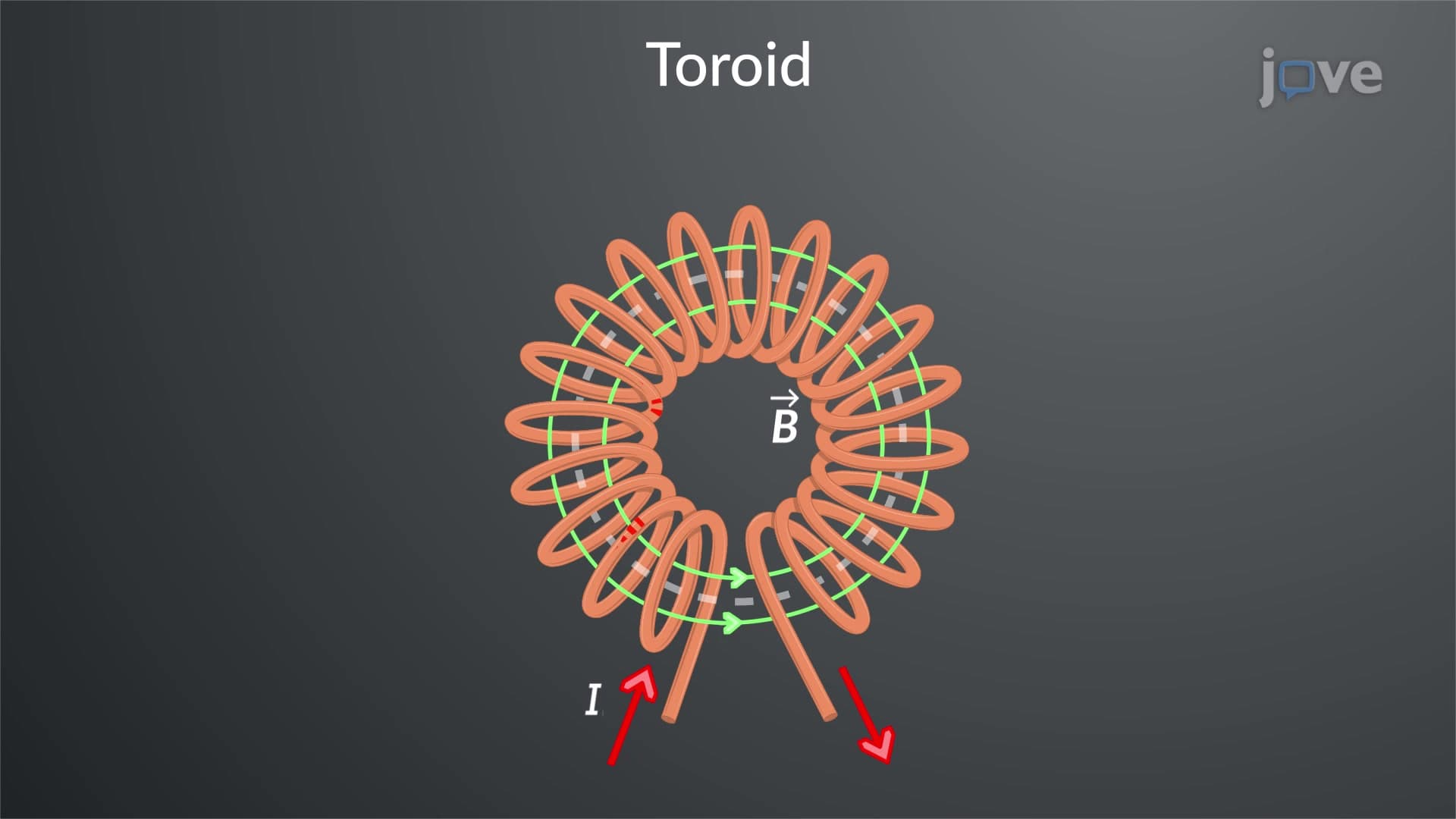
Real-world electromagnetic applications rarely use single loops. Instead, engineers design coils with multiple closely-spaced turns to amplify the magnetic field. When you have 'n' identical loops, the total axial magnetic field becomes 'n' times stronger than a single loop's field. This principle explains why electric motors in Ford and General Motors vehicles use hundreds of wire turns to generate sufficient magnetic force for rotation.
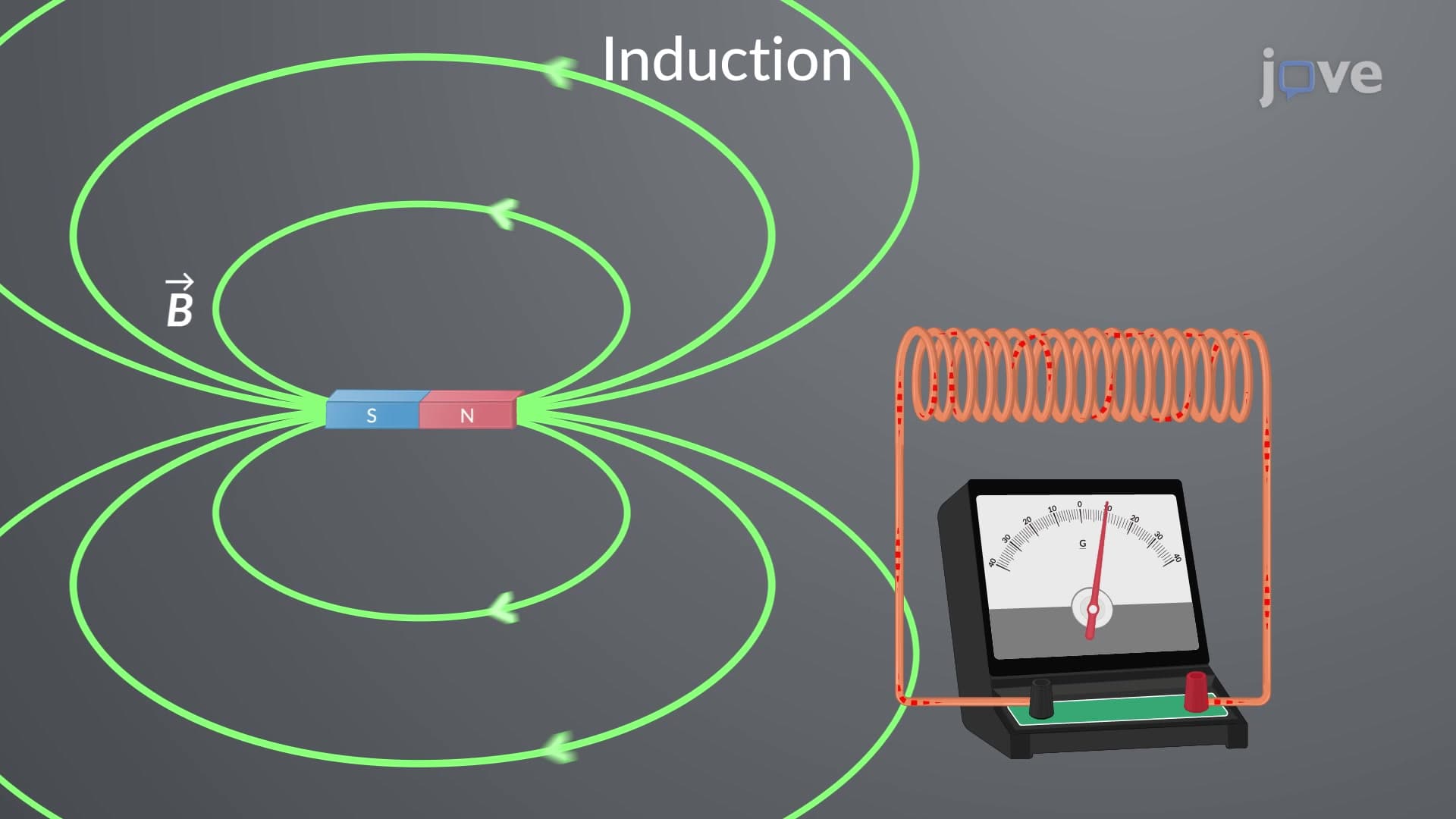
Iron filings provide an excellent method for visualizing magnetic field lines around current loops. When sprinkled around an energized coil, these tiny iron particles align with the field lines, revealing the characteristic pattern that resembles a bar magnet's field. This demonstration technique, commonly used in American high school physics classes, helps students understand field geometry before tackling complex electromagnetic problems on the MCAT or engineering entrance exams.
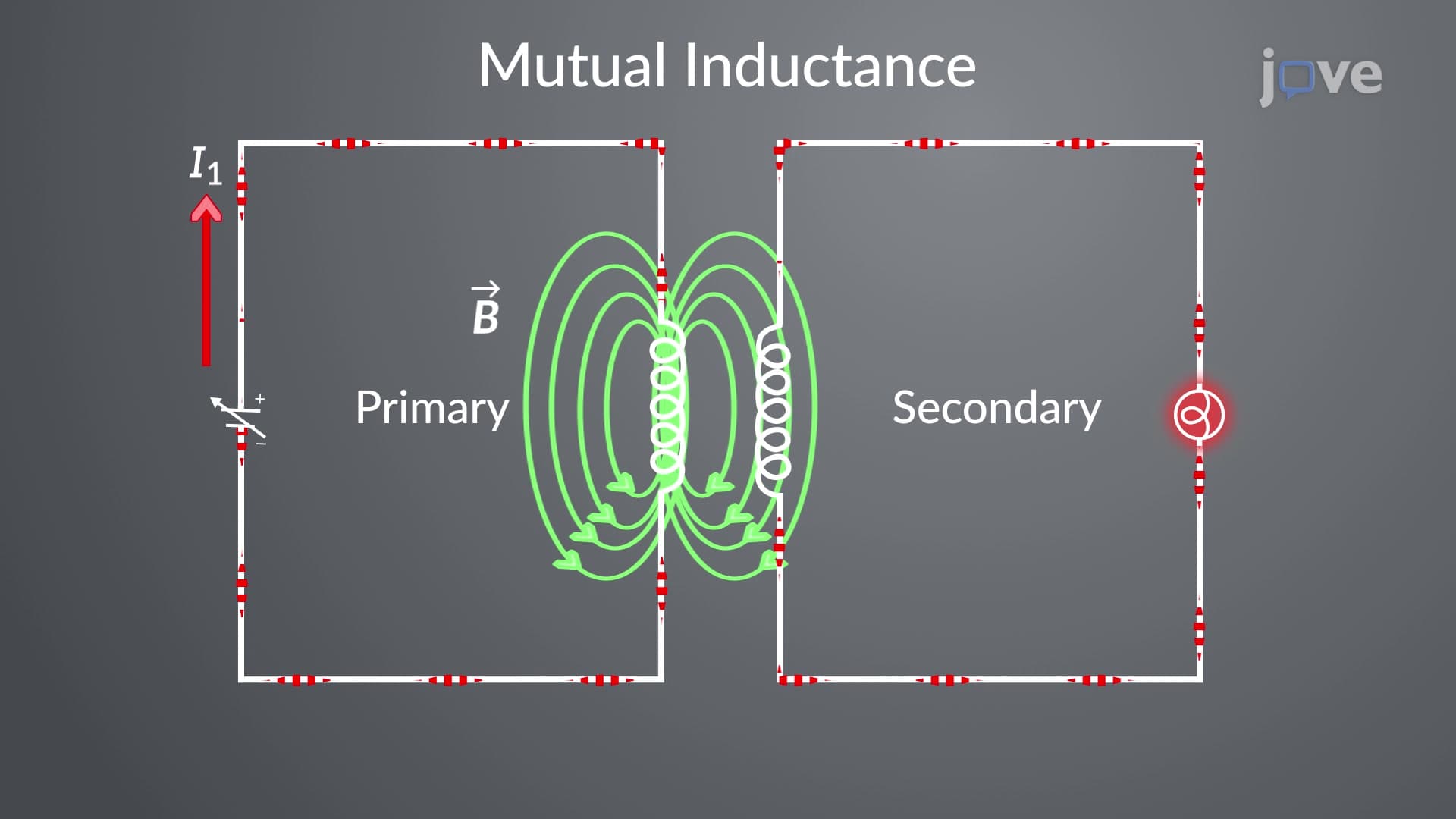
The magnetic field current loop concept directly applies to solenoids, transformers, and inductors found in everything from smartphone chargers to power grid transformers across the United States.
Related Micro-courses