Loading video…


 22 Concepts
 80.6K views


Video Summary: What Is Magnetic Susceptibility and Permeability
Did you know that the MRI machines at Cleveland Clinic use magnetic susceptibility principles to create detailed images of your brain? Magnetic susceptibility and permeability determine how different materials respond to magnetic fields, from the tiny diamagnetic effect in your body tissues to the powerful ferromagnetic properties in transformer cores at electrical substations across Texas. Understanding What is Magnetic Susceptibility And Permeability reveals why some materials are attracted to magnets while others are repelled. Watch the full video on JoVE Coach to master this concept with expert-led visuals and step-by-step explanations.
Magnetic susceptibility and permeability form the foundation for understanding how materials interact with magnetic fields. These properties determine everything from why your refrigerator magnet sticks to steel but not aluminum, to how MRI machines at major US hospitals like Johns Hopkins create detailed medical images.
Magnetic susceptibility (χ) represents a material's tendency to become magnetized when exposed to an external magnetic field. This dimensionless quantity tells us whether a material will enhance or oppose the applied field. The relationship M = χH shows that magnetization (M) is directly proportional to magnetic field intensity (H) in linear materials.
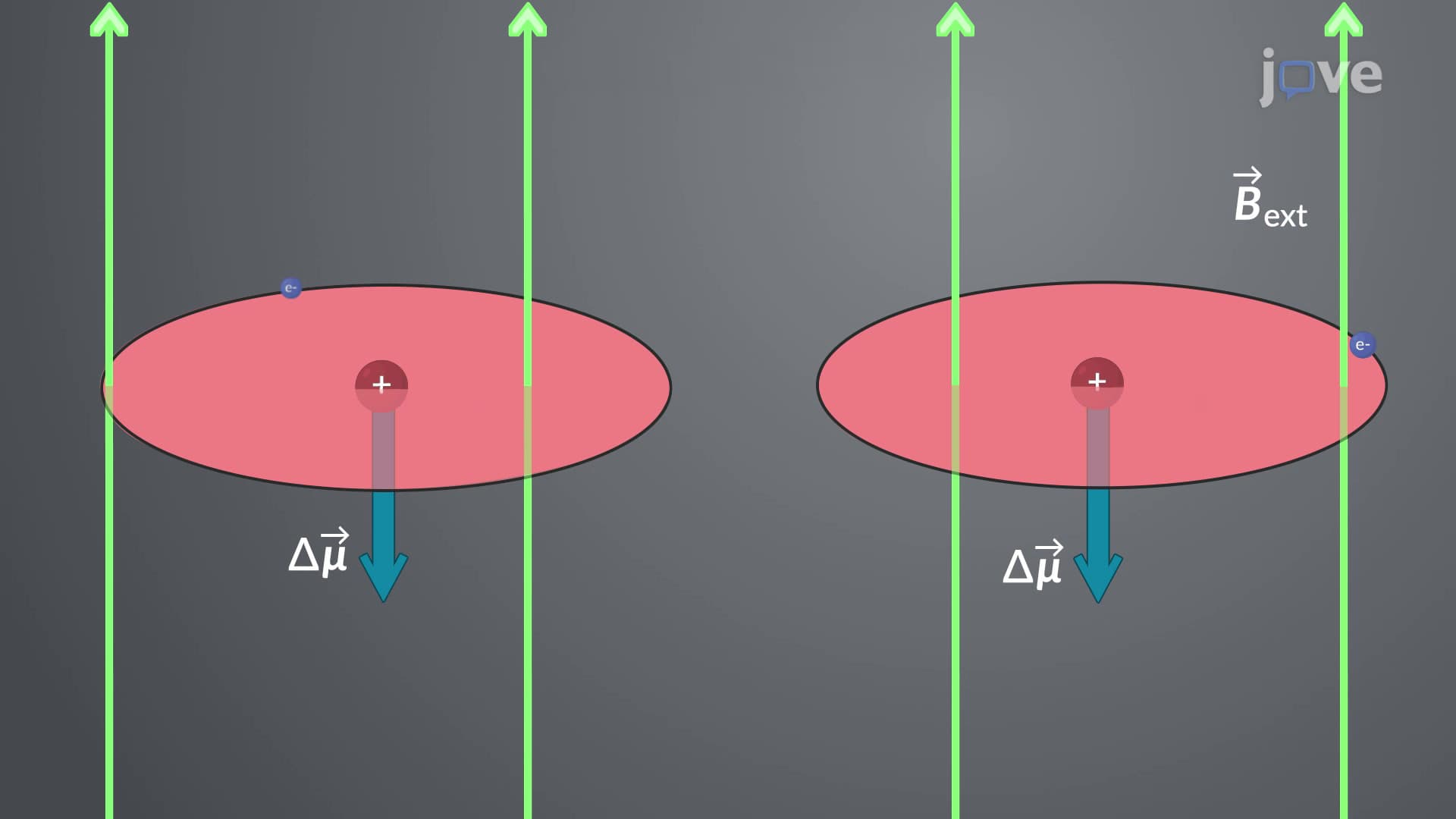
Materials fall into three main categories based on their magnetic susceptibility. Diamagnetic materials like copper and bismuth exhibit negative susceptibility values (χ < 0), typically around -10^-5. These materials create weak magnetic fields opposing the applied field, which explains why superconductors can levitate magnets-a principle used in experimental maglev trains being tested in Nevada.
Paramagnetic materials such as aluminum and oxygen show small positive susceptibility values (χ > 0), usually around 10^-3 to 10^-5. Unlike diamagnets, paramagnetic susceptibility decreases with increasing temperature, following Curie's law. This temperature dependence appears frequently on AP Physics exams and college-level physics courses.
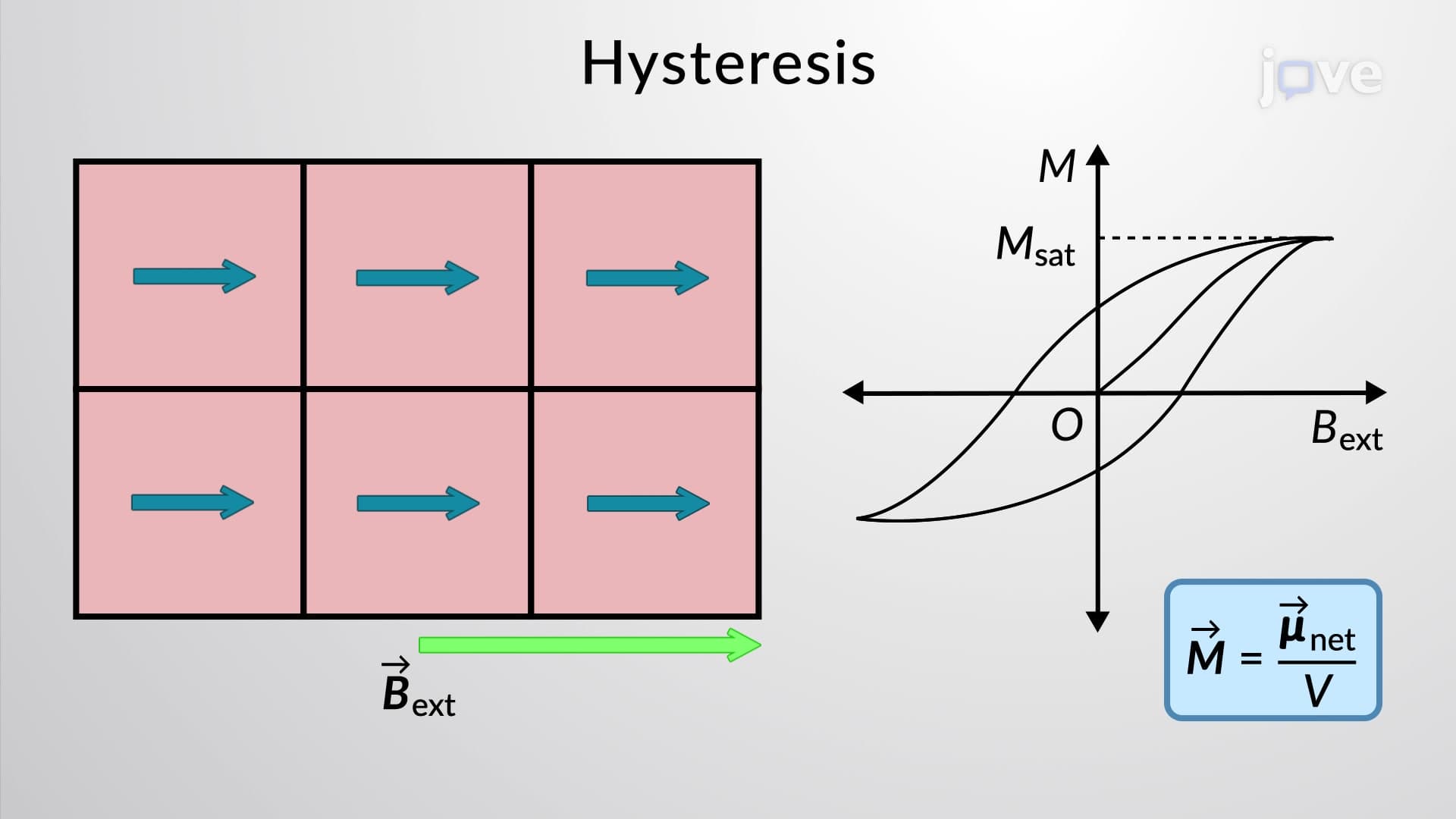
Ferromagnetic materials like iron, nickel, and cobalt display much larger positive susceptibility values, often exceeding 1000. However, these materials exhibit hysteresis, meaning their magnetization depends on magnetic field history-a crucial concept for understanding transformer cores in US power grids.
Magnetic permeability (μ) quantifies how easily magnetic field lines can penetrate a material. The relationship B = μH connects magnetic field (B) to magnetic field intensity (H). Relative permeability (μ_r = μ/μ_0) compares a material's permeability to that of free space.
For diamagnets, μ_r is slightly less than 1, while paramagnets have μ_r slightly greater than 1. Ferromagnetic materials can have relative permeability values reaching thousands, making them essential for electric motors in Tesla vehicles manufactured in US facilities.
Understanding these concepts proves crucial for MCAT physics sections, where students must analyze magnetic field behavior in biological tissues, and for engineering students designing electromagnetic devices used throughout American industry.
Related Micro-courses