Loading subject page…

- Physics
- Motion in Two or Three Dimensions
- Relative Velocity in Two Dimensions
Micro-course: Motion in Two or Three Dimensions
154,200 views
Learn key concepts and earn your certificate.

Relative Velocity in Two Dimensions

00:00
01:11
Video Summary: Relative Velocity in Two Dimensional Motion
Ever wonder why a baseball looks like it's curving when viewed from the stands versus the pitcher's mound? Relative velocity in two-dimensional motion explains how objects appear to move differently depending on your reference frame. Consider how air traffic controllers at LAX track aircraft movements-each plane's velocity appears different based on the observer's position and motion. Understanding relative velocity in two-dimensional motion requires vector analysis to determine how fast and in what direction objects move relative to each other. Watch the full video on JoVE Coach to master this concept with expert-led visuals and step-by-step explanations.
- Understand how relative velocity in two-dimensional motion describes object movement from different reference frames
- Identify the components needed to solve relative velocity problems using vector diagrams and trigonometry
- Analyze real-world scenarios where multiple objects move at angles to determine their relative motion
- Apply the law of sines and vector addition principles to calculate relative velocities in two dimensions
- Recognize how reference frame selection affects the apparent motion and velocity calculations
- Evaluate relative velocity problems involving boats, aircraft, and vehicles moving at various angles
- Compare velocity measurements from stationary versus moving observers in practical situations
- Explore how relative velocity concepts connect to collision prediction and navigation systems
Understanding Relative Velocity in Two-Dimensional Motion
Relative velocity in two-dimensional motion extends beyond simple one-dimensional problems by incorporating both magnitude and direction components. When objects move in different directions simultaneously, their relative motion creates a vector triangle that requires trigonometric analysis to solve completely.
Vector Components and Reference Frames
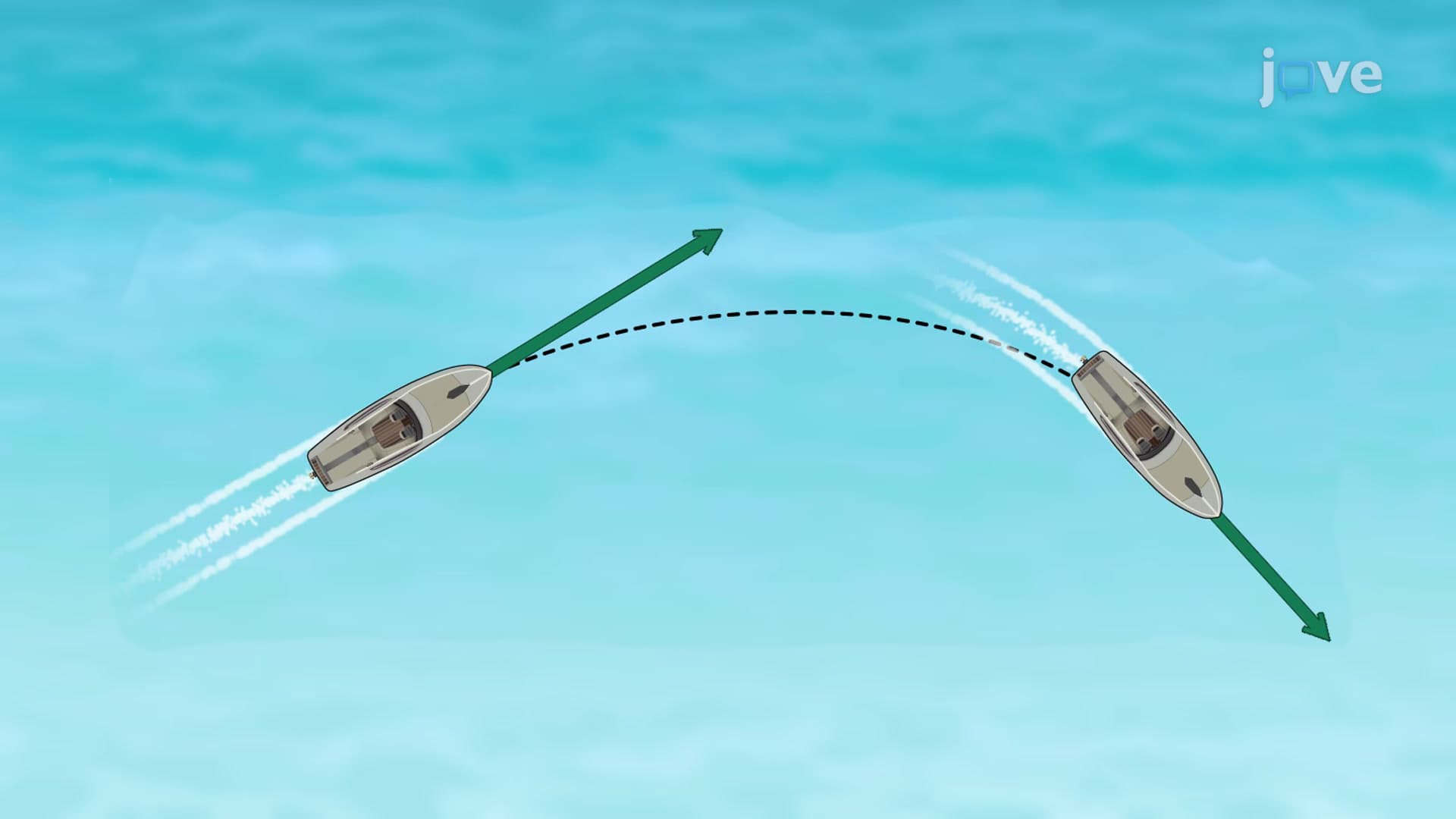
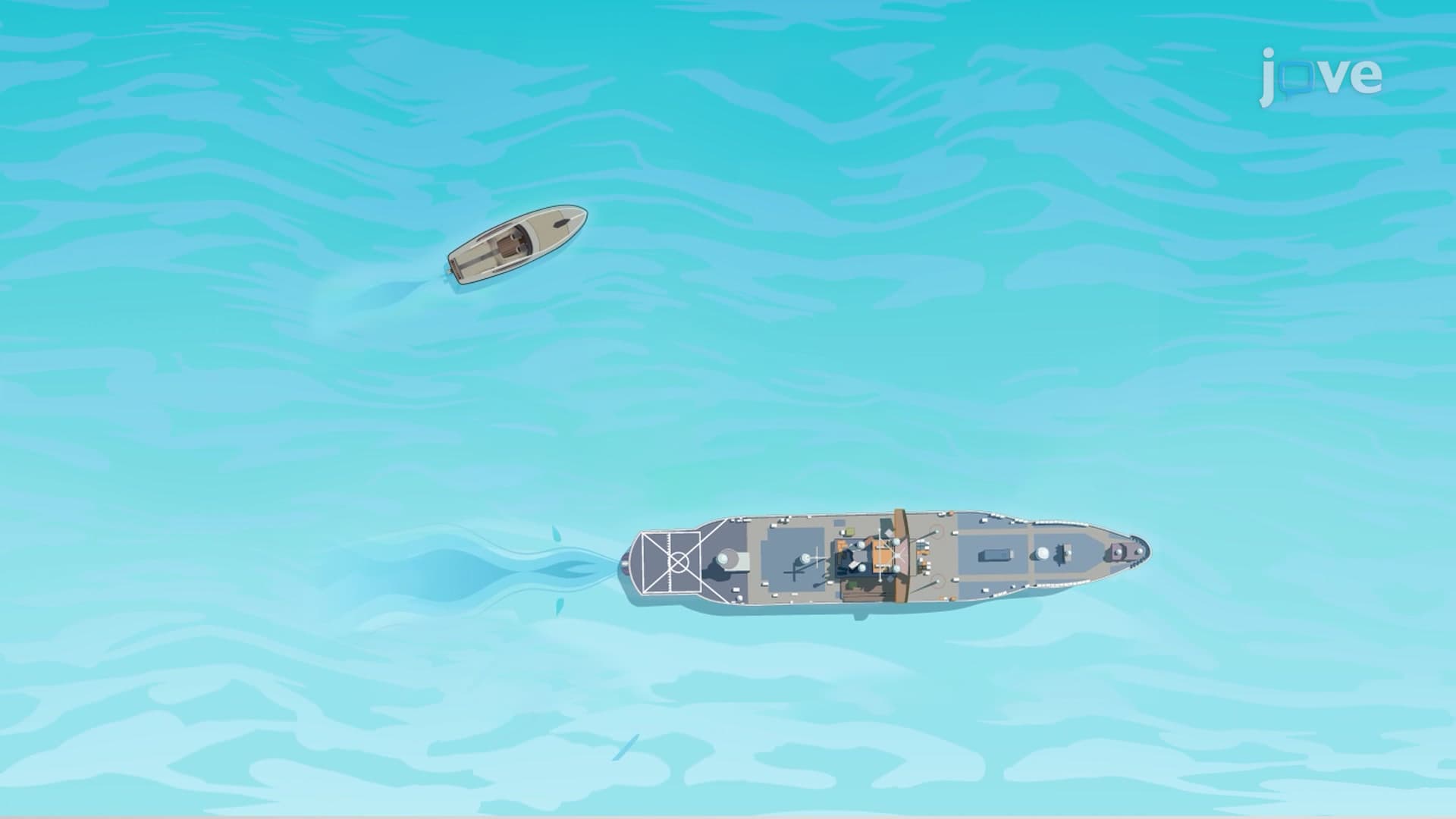
The foundation of relative velocity problems lies in choosing appropriate reference frames. When analyzing motion from a stationary observer versus a moving observer, the apparent velocities change dramatically. For example, consider two Coast Guard vessels approaching a distressed boat from different angles-each crew sees the other vessel's motion differently based on their own movement.
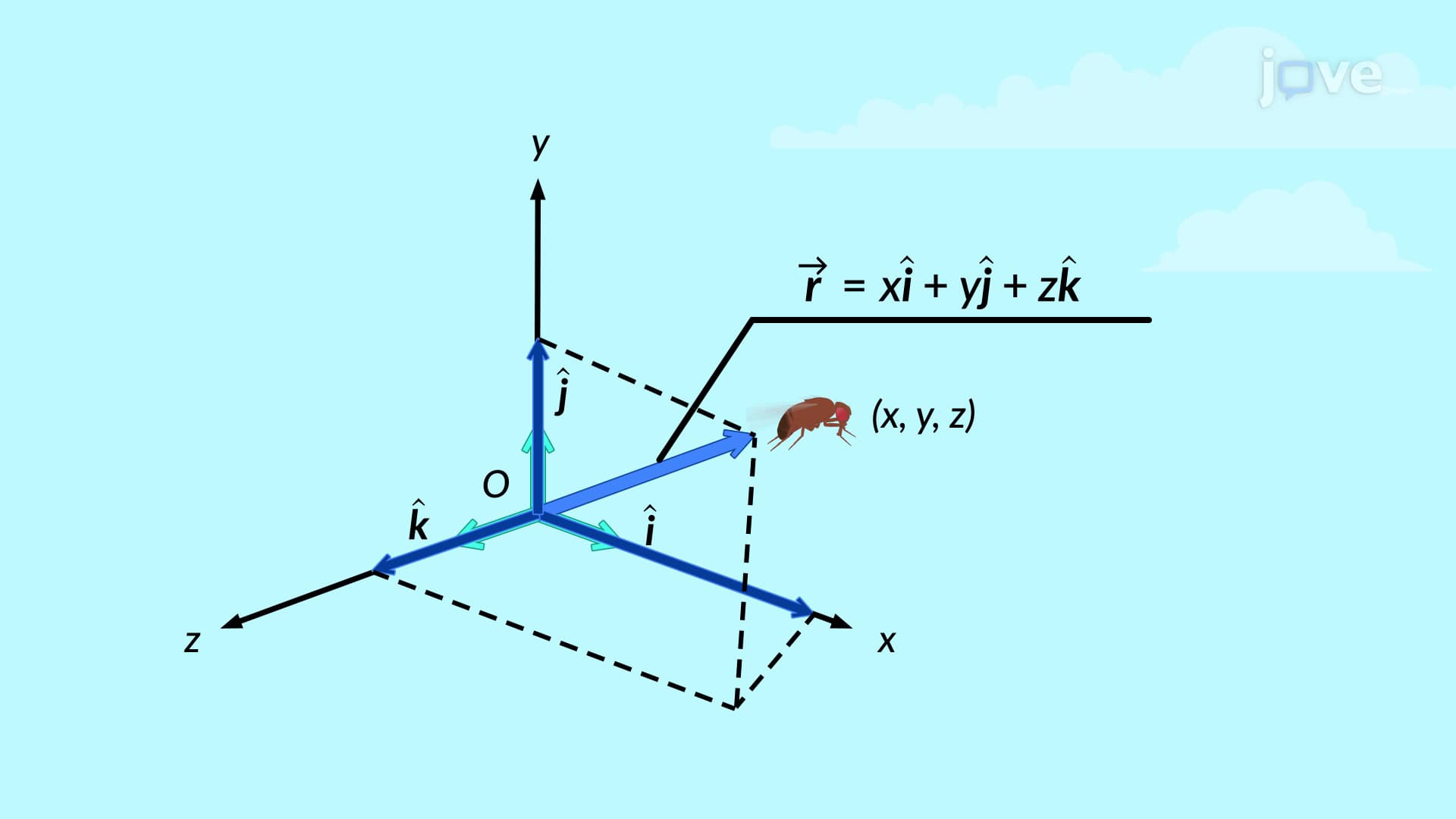
The relative velocity equation V(AB) = V(A) - V(B) becomes more complex in two dimensions because we must account for both x and y components. Students preparing for AP Physics or college-level mechanics courses encounter these problems frequently, as they test both conceptual understanding and mathematical skills.
Practical Problem-Solving Techniques
Vector triangle construction provides the visual framework for solving relative velocity problems. When sketching these diagrams, ensure all angles sum to 180 degrees and label each vector with appropriate magnitude and direction. The law of sines becomes particularly useful: sin(A)/a = sin(B)/b = sin(C)/c, where lowercase letters represent side lengths and uppercase letters represent opposite angles.
Consider NASA's mission planning for spacecraft rendezvous-engineers must calculate relative velocities between moving objects in three-dimensional space, though the two-dimensional principles remain fundamental. Similarly, air traffic control systems at major airports like Chicago O'Hare rely on relative velocity calculations to maintain safe separation between aircraft.
Applications in Engineering and Navigation
Modern GPS navigation systems continuously calculate relative velocities between your vehicle and surrounding traffic. Maritime navigation, particularly for vessels operating near busy ports like those in Long Beach, California, requires constant relative velocity awareness to prevent collisions. These real-world applications demonstrate why mastering relative velocity concepts proves essential for STEM careers in aerospace engineering, maritime operations, and transportation systems.
Students should practice identifying known quantities, drawing accurate vector diagrams, and applying trigonometric relationships systematically. This methodical approach ensures success on standardized exams and builds problem-solving confidence for advanced physics coursework.
Frequently Asked Questions
Relative velocity in two-dimensional motion describes how fast and in what direction one object moves as observed from another moving object, incorporating both horizontal and vertical components. Unlike one-dimensional problems that only require simple addition or subtraction, two-dimensional relative velocity requires vector analysis and trigonometry to determine the resultant magnitude and direction.
AP Physics 1 and C exams often present scenarios involving boats crossing rivers, aircraft navigation, or projectile motion viewed from moving reference frames. Students must draw vector diagrams, apply the law of sines or cosines, and calculate both magnitude and direction of relative velocities. These problems frequently appear in free-response sections worth significant point values.
College physics exams commonly feature maritime navigation problems, aircraft collision avoidance scenarios, and sports-related motion analysis. Professors often test students' ability to identify appropriate reference frames, construct accurate vector triangles, and apply trigonometric relationships to solve for unknown velocities or directions.
Air traffic controllers at airports like Denver International use relative velocity calculations to maintain safe aircraft separation during takeoffs and landings. Maritime operators in busy ports apply these concepts to avoid collisions between ships, tugboats, and barges moving at different speeds and directions. GPS navigation systems also rely on relative velocity computations for accurate positioning.
Basic trigonometry including sine, cosine, and the law of sines provides sufficient mathematical foundation for most relative velocity problems. High school Algebra 2 and Trigonometry courses cover the necessary skills, making this topic accessible to students in Physics 1 or introductory college mechanics courses.
Practice drawing accurate vector diagrams first, then focus on identifying known and unknown quantities systematically. Work through problems involving boats, aircraft, and vehicles moving at various angles, ensuring you can apply both the law of sines and vector addition methods confidently.
Advanced topics include three-dimensional relative motion, rotational kinematics, and Einstein's special relativity theory. Students interested in aerospace engineering might explore orbital mechanics, while those pursuing maritime careers could investigate advanced navigation techniques and collision avoidance systems.
When analyzing projectile motion from moving reference frames, relative velocity concepts explain why trajectories appear different to stationary versus moving observers. This understanding proves crucial for applications like calculating missile trajectories from moving naval vessels or analyzing baseball pitches from different viewing positions in stadiums.
Related Micro-courses
16 Concepts

10 Concepts
15 Concepts