Loading subject page…

- Physics
- Motion in Two or Three Dimensions
- Acceleration Vectors
Micro-course: Motion in Two or Three Dimensions
154,200 views
Learn key concepts and earn your certificate.
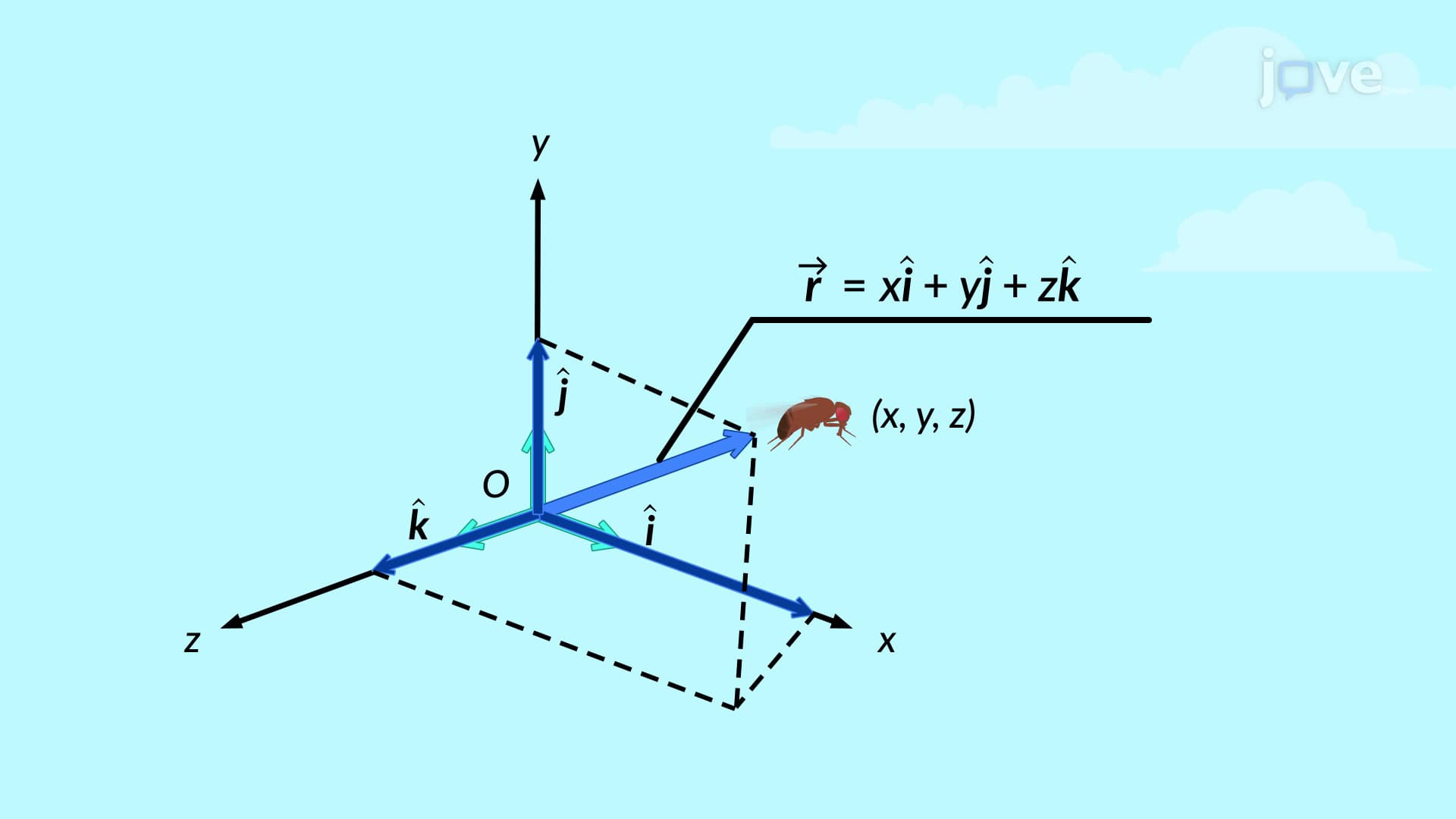

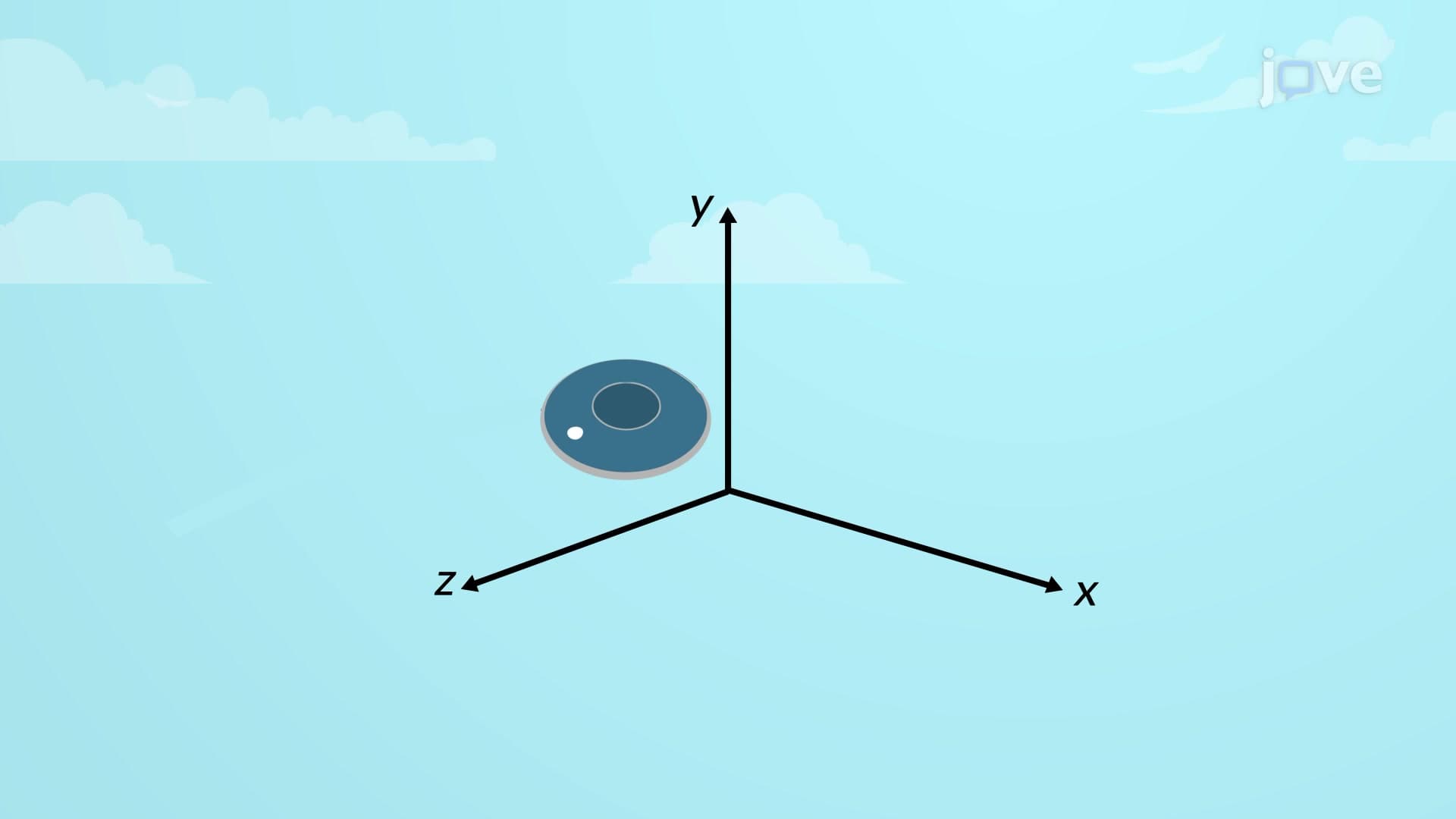
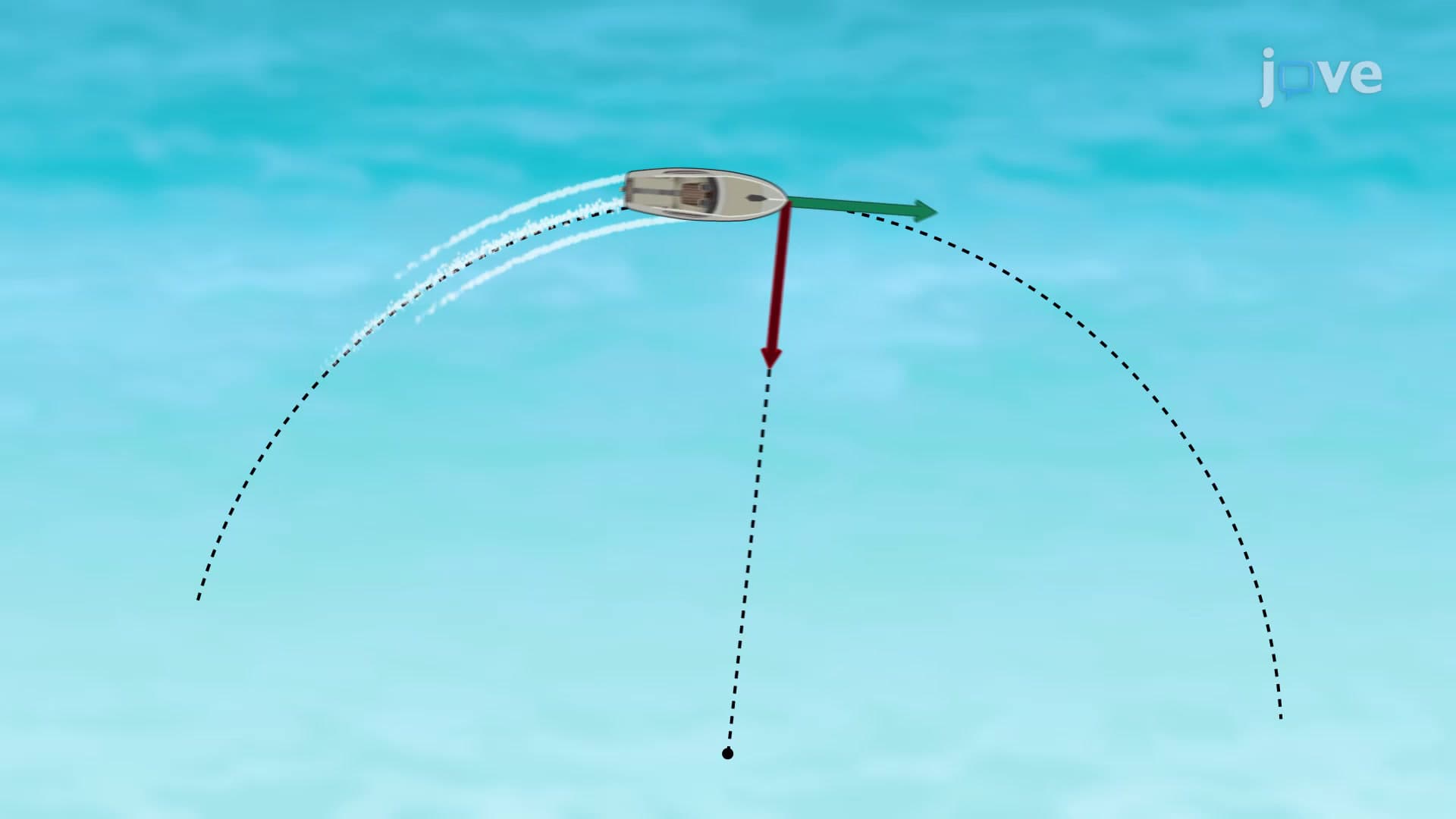
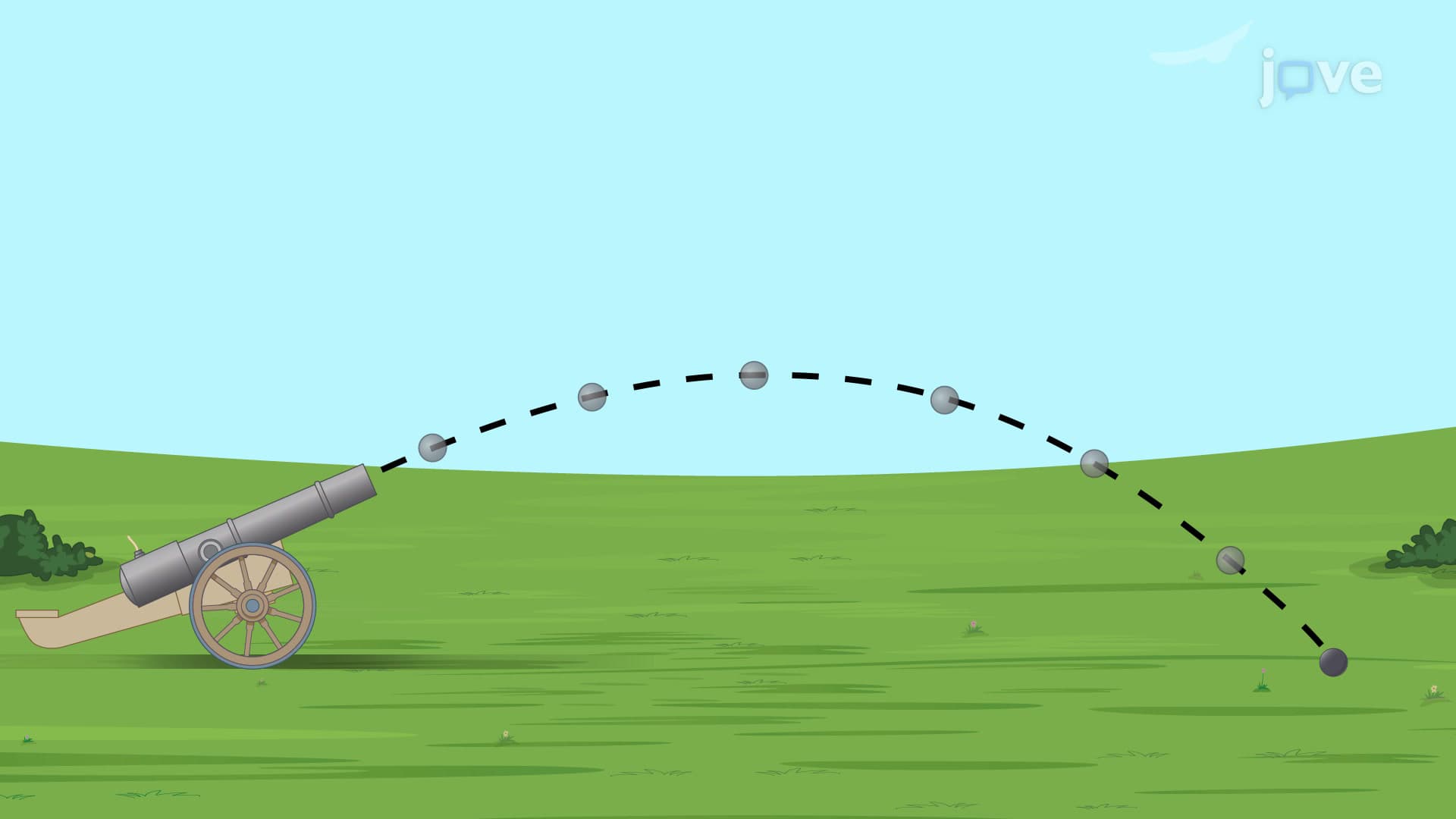
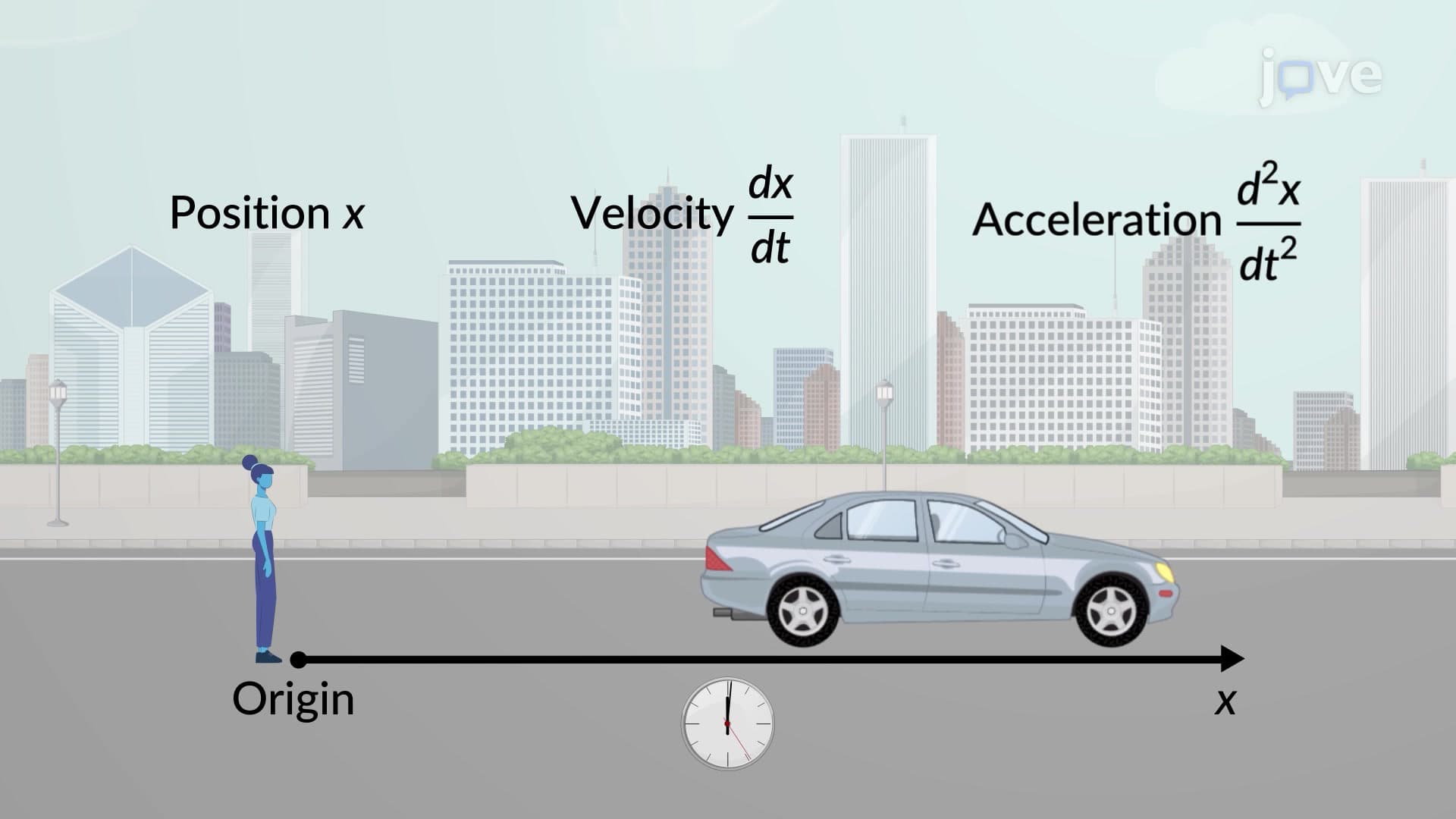

Acceleration Vectors


00:00
01:30
Video Summary: What are Acceleration Vectors
Acceleration vectors describe how velocity changes over time, combining both speed and direction changes. When a NASCAR driver navigates a banked turn at Daytona International Speedway, their car experiences acceleration even at constant speed due to the directional change. What are acceleration vectors? They're mathematical tools that capture this complete picture of motion change, from the magnitude of velocity shifts to their precise directional components. Watch the full video on JoVE Coach to master this concept with expert-led visuals and step-by-step explanations.
- Understand what are acceleration vectors and how they represent changes in both speed and direction of moving objects
- Identify the mathematical relationship between velocity vectors, time intervals, and acceleration vector calculations
- Analyze how instantaneous acceleration differs from average acceleration as time intervals approach zero
- Apply vector subtraction techniques to determine change in velocity between two position points
- Recognize real-world scenarios where objects experience acceleration through directional changes at constant speed
- Evaluate the geometric representation of acceleration vectors and their directional properties
- Compare magnitude and directional components of acceleration in various motion scenarios
- Explore the limiting process that transforms average acceleration into instantaneous acceleration
Understanding What are Acceleration Vectors
Acceleration vectors represent one of physics' most fundamental concepts, describing how an object's velocity changes over time. Unlike scalar acceleration, which only considers magnitude, acceleration vectors capture both the rate of change and the direction of that change. This vector nature makes acceleration a powerful tool for analyzing complex motion patterns in engineering, biomechanics, and space exploration.
The mathematical foundation rests on the relationship: a = Δv/Δt, where acceleration vector a equals the change in velocity vector Δv divided by the time interval Δt. This seemingly simple equation conceals profound implications for understanding motion in multiple dimensions.
Types of Acceleration Vectors in Motion Analysis
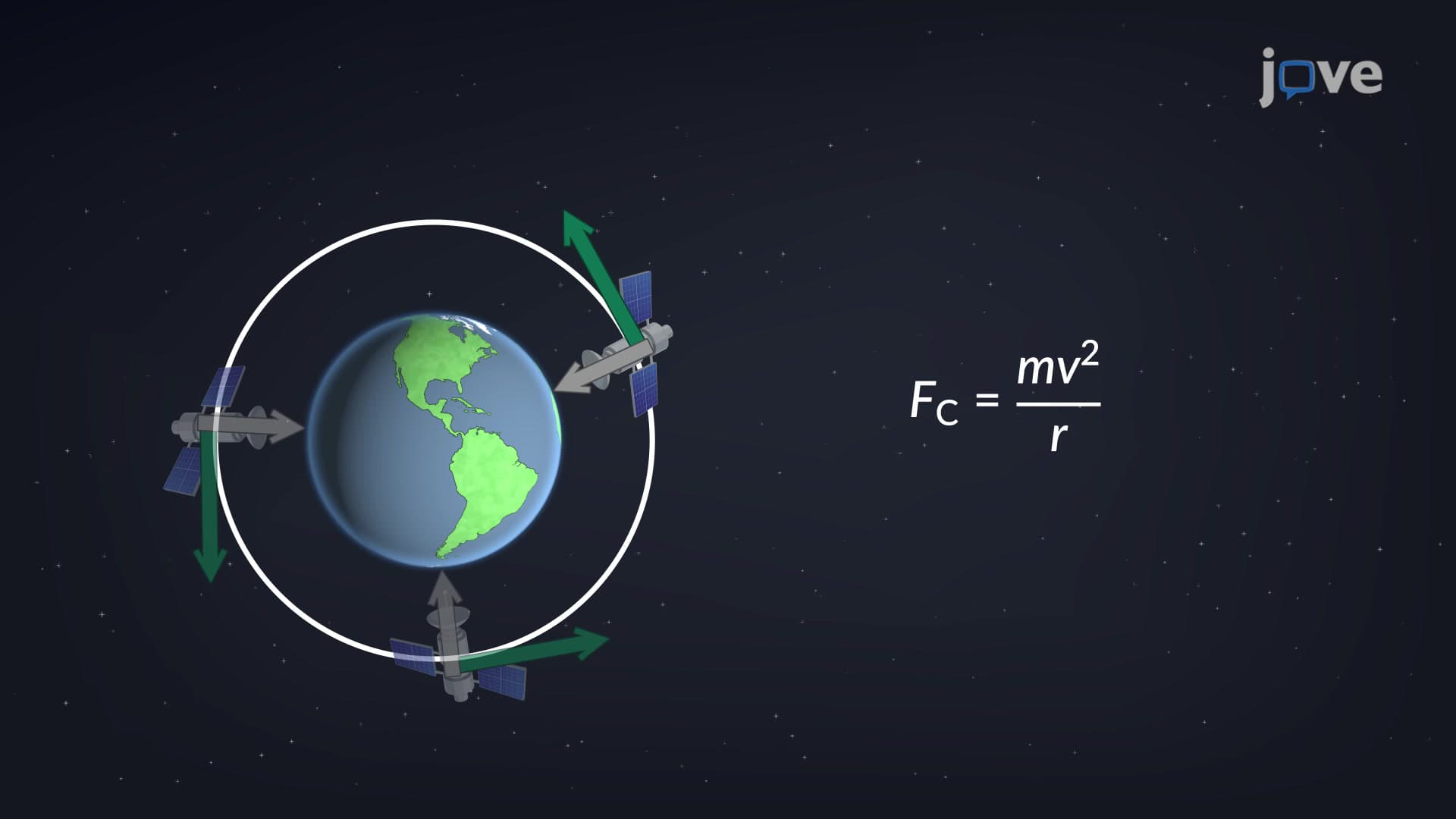
Types of acceleration vectors emerge from different motion scenarios. Linear acceleration occurs when objects speed up or slow down along straight paths, like a Tesla Model S accelerating from 0 to 60 mph on Interstate 95. Centripetal acceleration appears during circular motion, pointing toward the center of curvature-crucial for understanding satellite orbits and roller coaster dynamics at Six Flags Magic Mountain.
Tangential acceleration affects speed changes along curved paths, while normal acceleration handles directional changes. These distinctions prove essential for AP Physics students tackling projectile motion problems and college engineering students analyzing robotic arm movements.
Mathematical Framework and Vector Operations
The vector subtraction process v₂ - v₁ = Δv reveals acceleration's directional properties. When calculating acceleration vectors, the resulting direction always points toward the change in velocity, not necessarily the direction of motion. This counterintuitive aspect challenges students but provides crucial insight into forces acting on objects.
As time intervals shrink toward zero, average acceleration approaches instantaneous acceleration-a fundamental calculus concept appearing on SAT Subject Tests and college physics midterms. This limiting process connects kinematics to differential calculus, preparing students for advanced engineering coursework.
Real-World Applications and Problem-Solving
Understanding acceleration vectors proves invaluable across multiple fields. Aerospace engineers at NASA use these concepts for spacecraft trajectory calculations, while automotive safety engineers analyze crash dynamics. Medical professionals studying biomechanics apply acceleration vectors to understand joint movement and injury mechanisms.
For students preparing for standardized tests, acceleration vector problems frequently appear on AP Physics exams, requiring both conceptual understanding and mathematical proficiency. Success depends on visualizing vector relationships and applying systematic problem-solving approaches.
Frequently Asked Questions
Acceleration vectors include both magnitude and direction information about how velocity changes over time. Unlike scalar acceleration, which only tells you how fast speed changes, acceleration vectors reveal the complete picture of motion changes, including turns, curves, and directional shifts that occur even at constant speeds.
Acceleration vectors represent the rate of change of velocity vectors over time, expressed mathematically as a = Δv/Δt. Since velocity itself is a vector quantity with both speed and direction components, acceleration vectors capture how both aspects change simultaneously during motion.
AP Physics frequently tests acceleration vectors through projectile motion, circular motion, and inclined plane scenarios. Students must calculate vector components, apply trigonometry, and interpret graphical representations. The College Board emphasizes both mathematical calculations and conceptual understanding of vector relationships.
Yes, MCAT physics includes acceleration vector concepts, particularly in passages about biomechanics, fluid dynamics, and rotational motion. The exam focuses on applying vector principles to biological systems, such as blood flow dynamics and joint movement analysis in human physiology.
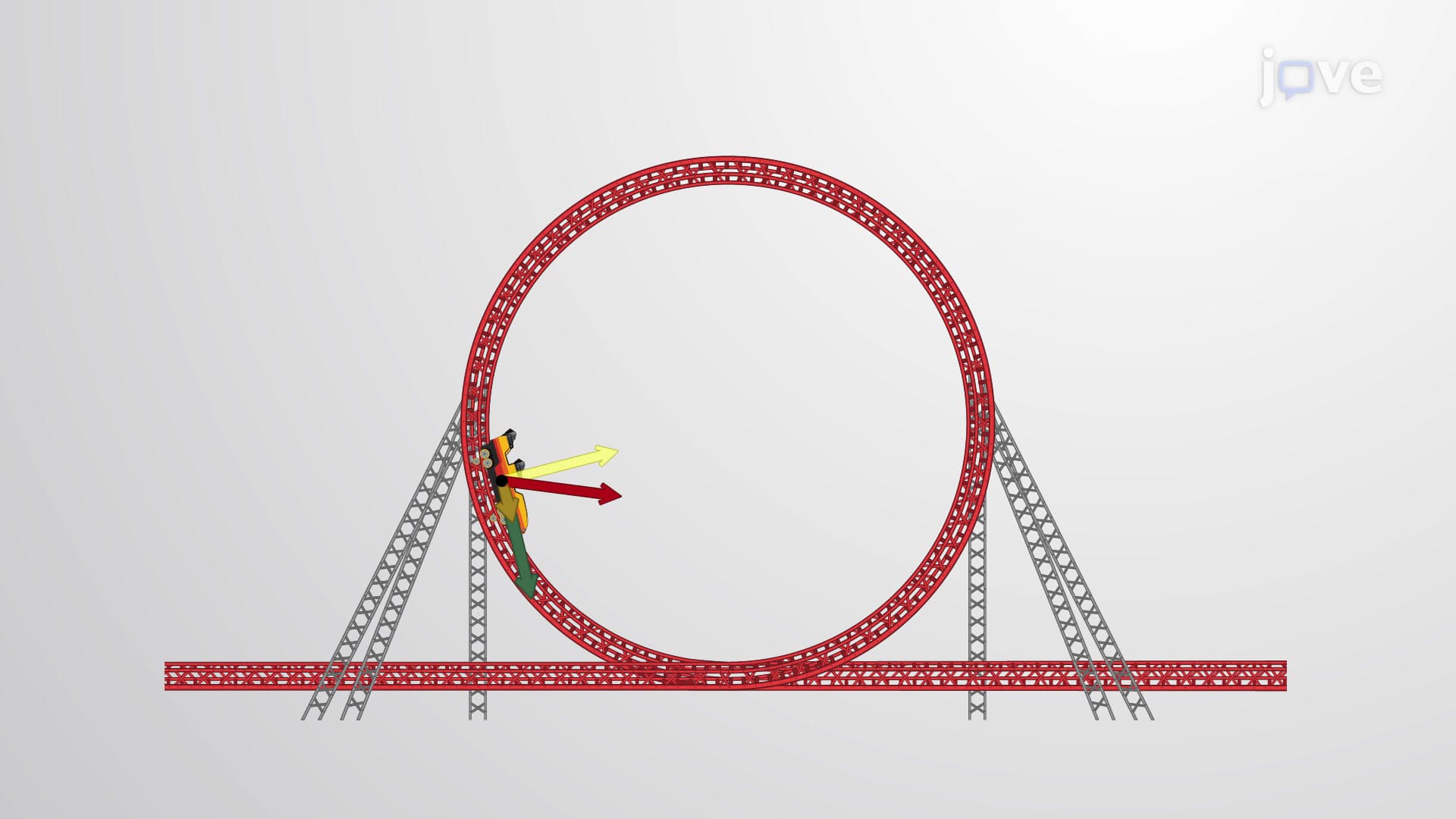
Roller coasters at theme parks like Cedar Point showcase multiple acceleration types simultaneously. Linear acceleration occurs during lift hills and drops, centripetal acceleration happens during loops pointing toward the center, and tangential acceleration affects speed changes along curved sections, creating the thrilling sensations riders experience.
No advanced mathematics is required initially-basic algebra and trigonometry suffice for introductory acceleration vector problems. High school students can master fundamental concepts using geometric approaches, while calculus becomes important only for instantaneous acceleration calculations in advanced courses.
Focus on drawing vector diagrams for every problem, practice vector addition and subtraction systematically, and work through diverse motion scenarios. Create concept maps connecting acceleration vectors to real-world examples, and solve practice problems from multiple textbooks to encounter varied question formats.
Acceleration vectors form the foundation for studying forces through Newton's second law (F = ma), rotational dynamics, oscillatory motion, and electromagnetic field interactions. Mastering these concepts prepares students for advanced coursework in mechanical engineering, aerospace engineering, and theoretical physics.
Objects maintaining constant speed but changing direction experience acceleration because velocity is a vector quantity including both speed and direction. When direction changes-like a car navigating a curve-the velocity vector changes, creating a non-zero acceleration vector pointing toward the center of curvature.
Related Micro-courses

16 Concepts

10 Concepts
15 Concepts