Loading subject page…


154,200 views

Video Summary: What are Direction of Acceleration Vectors
Ever wondered why NASCAR drivers experience crushing forces while turning at constant speeds on oval tracks? The direction of acceleration vectors explains this phenomenon perfectly. When a race car maintains 180 mph around Daytona's banked turns, it's constantly accelerating toward the track's center, even without changing speed. What are direction of acceleration vectors reveals how acceleration occurs through velocity changes in both magnitude and direction. This fundamental physics concept distinguishes between straight-line motion and curved-path dynamics, showing how acceleration vectors point toward curvature centers, ahead during speeding up, or behind when slowing down. Watch the full video on JoVE Coach to master this concept with expert-led visuals and step-by-step explanations.
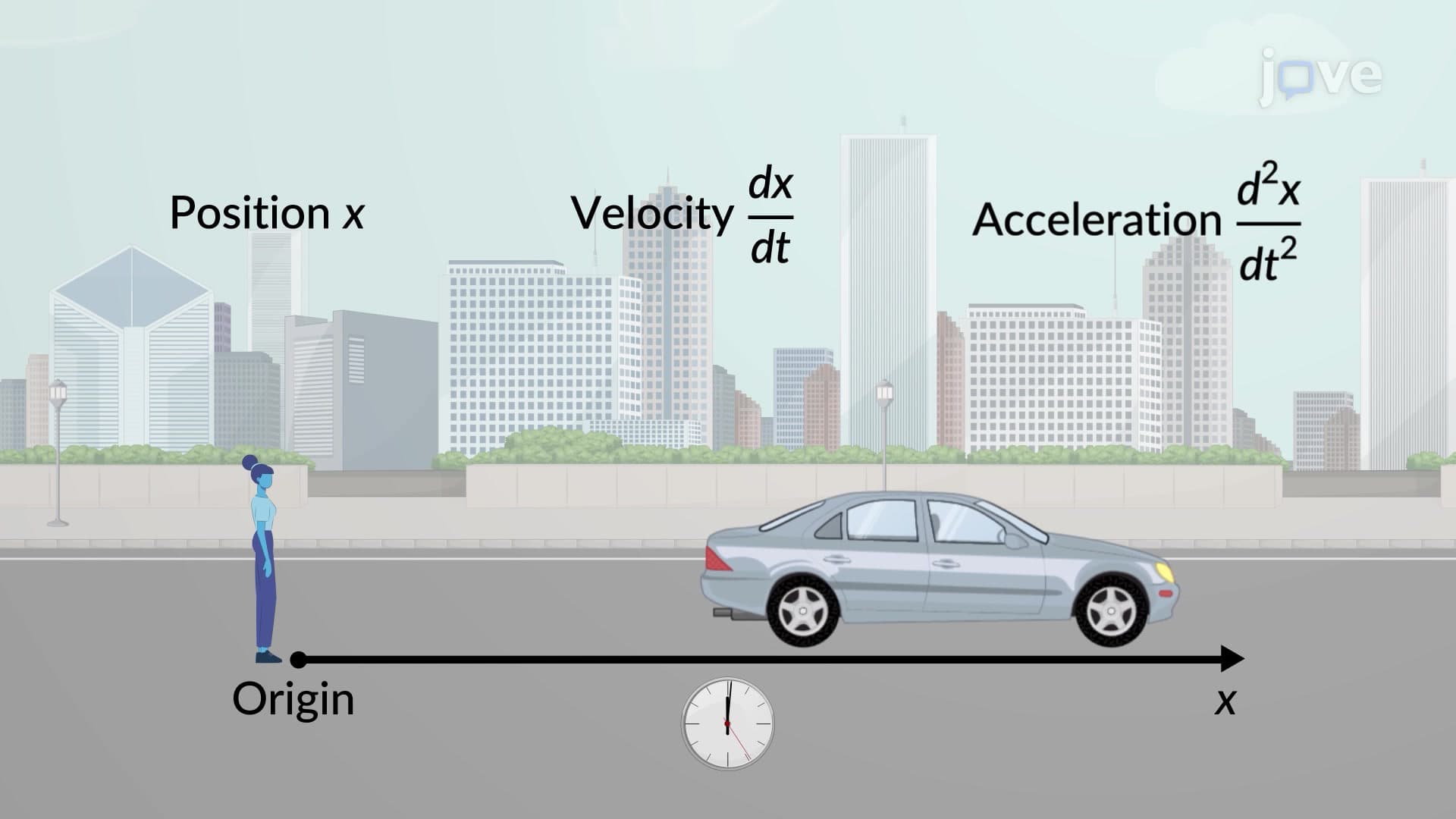
Direction of acceleration vectors represents one of physics' most counterintuitive yet fundamental concepts. Unlike our everyday understanding where acceleration means "speeding up," physics defines acceleration as any change in velocity-encompassing changes in speed, direction, or both. This distinction becomes crucial when analyzing motion in AP Physics courses, SAT Subject Tests, and college-level mechanics.
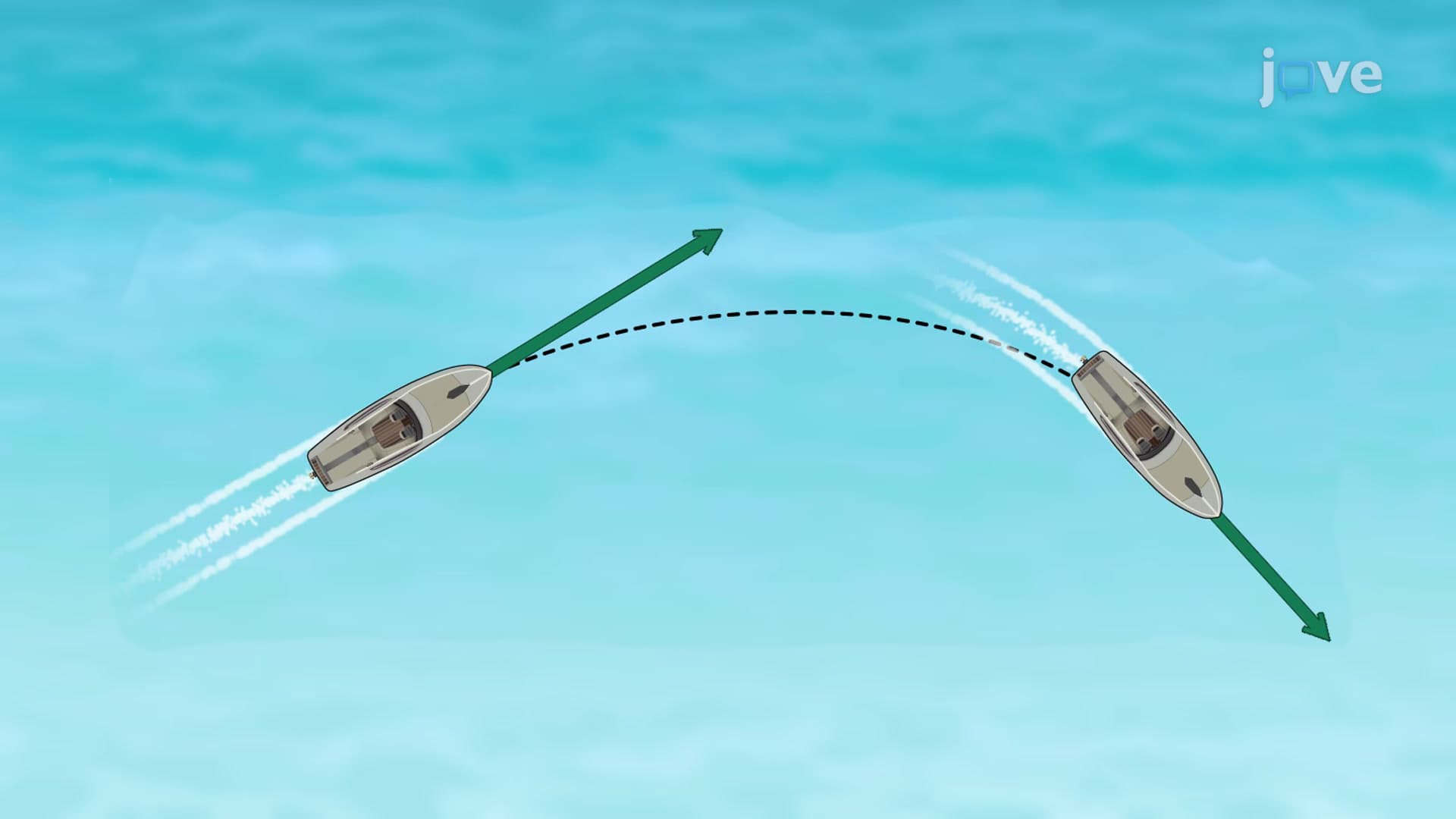
The acceleration vector's direction provides immediate insight into the type of motion occurring. In straight-line motion, acceleration vectors align with the path-forward when speeding up, backward when slowing down. However, curved motion introduces centripetal acceleration, where vectors point toward the curvature center regardless of speed changes.
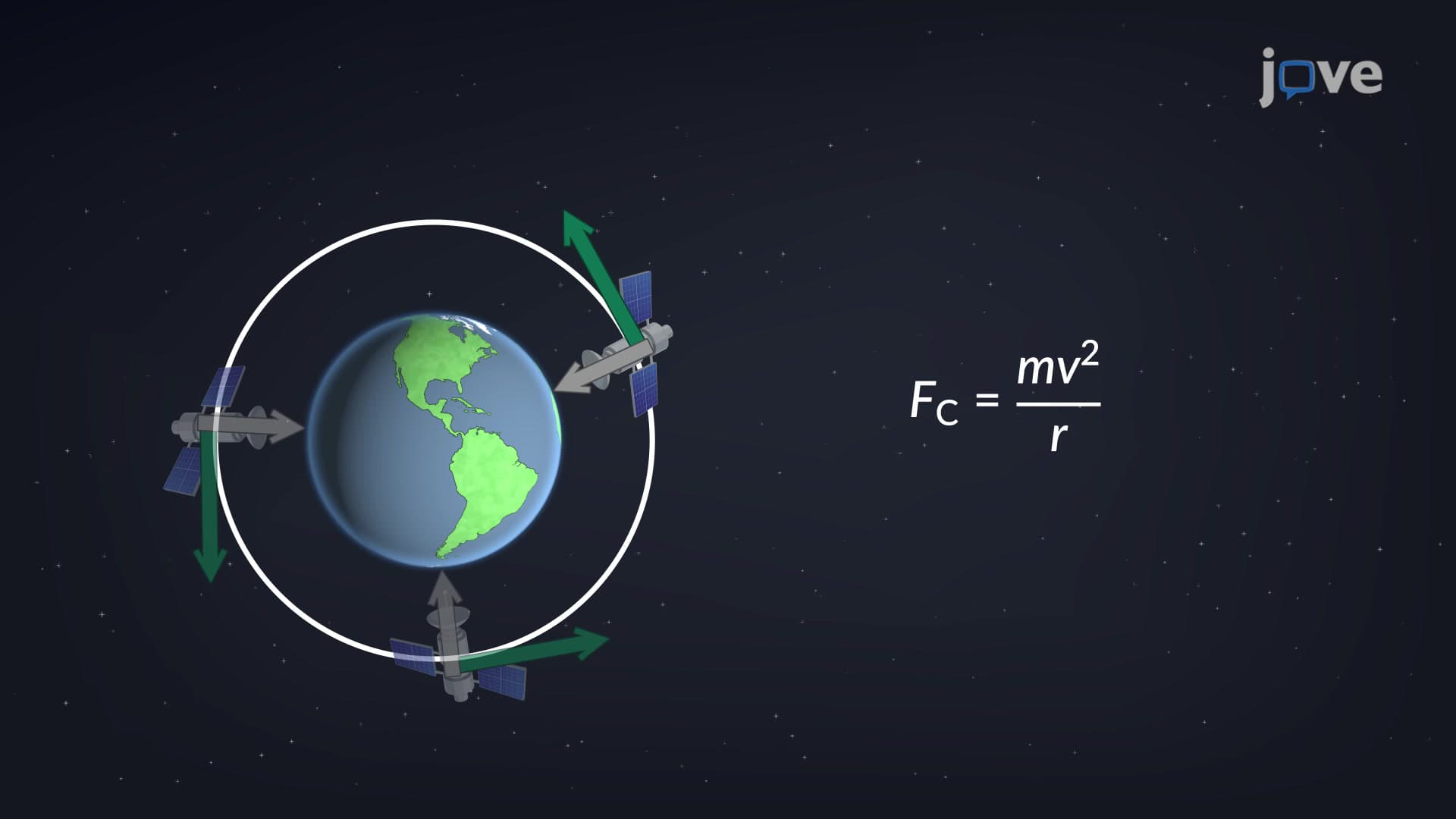
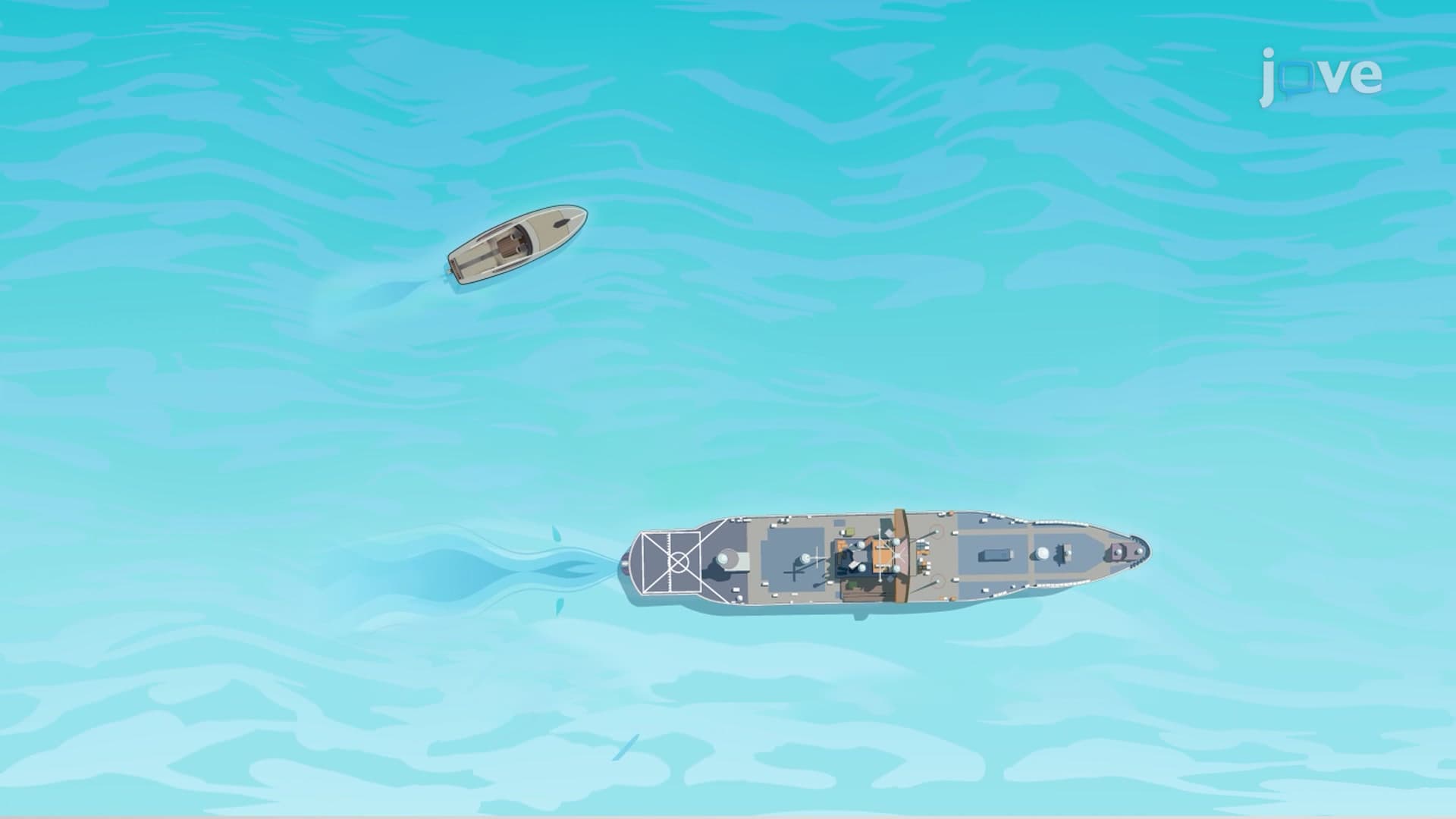
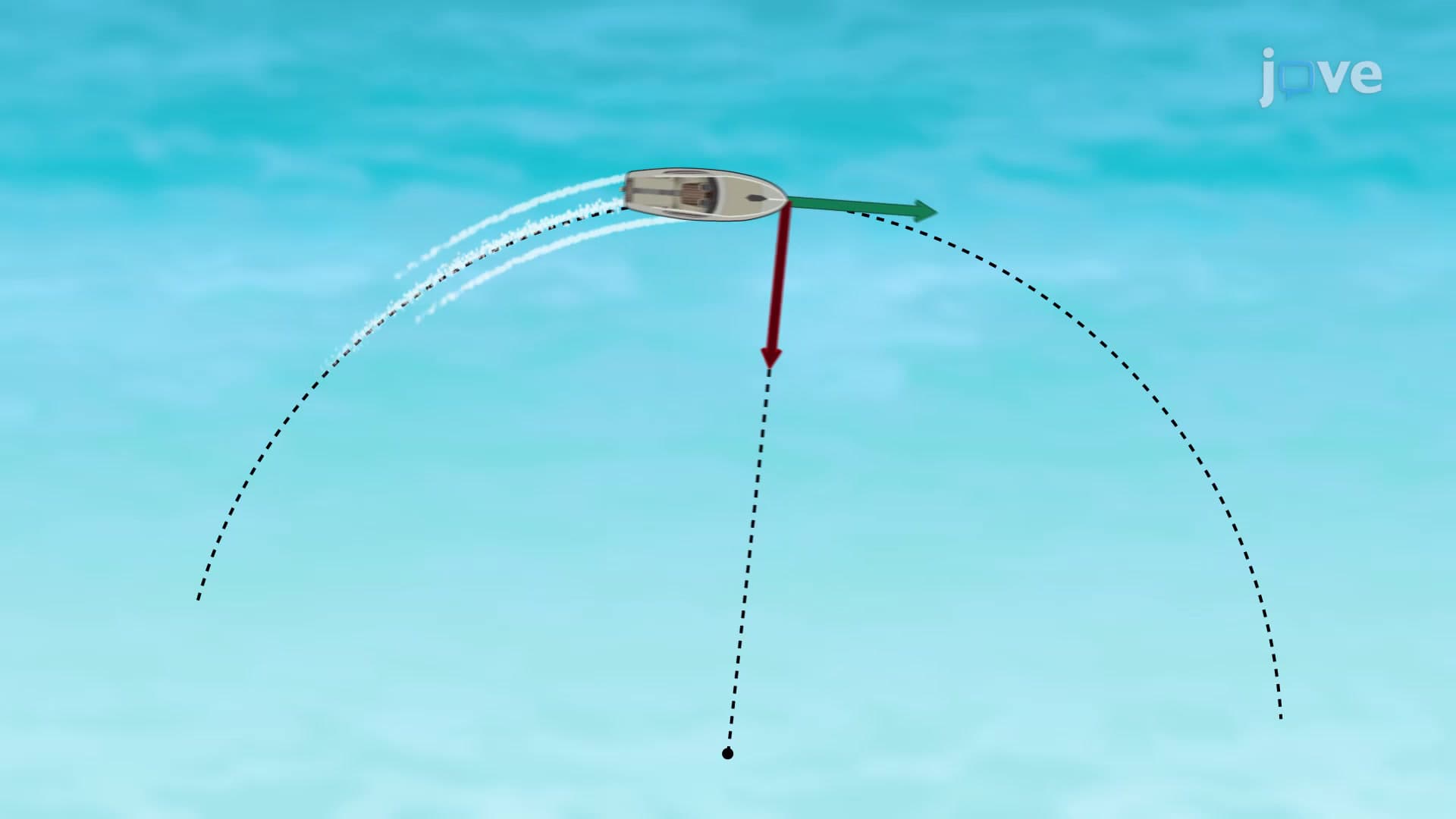
Three primary scenarios define acceleration vector orientations. First, during uniform circular motion-like satellites orbiting Earth or cars navigating highway cloverleafs-acceleration vectors point directly toward the rotation center. This centripetal acceleration maintains the curved path without changing speed.
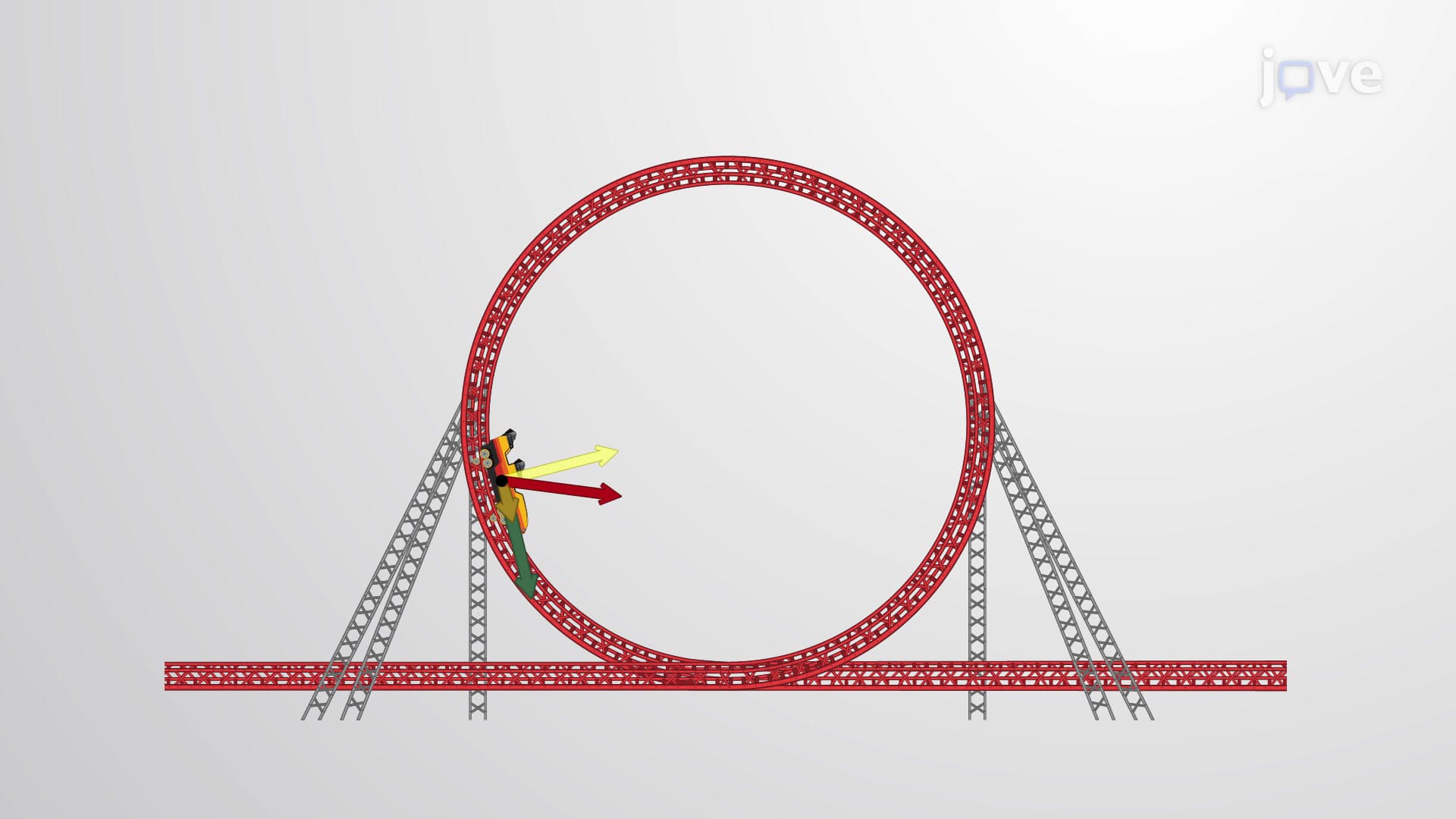
Second, when objects speed up along curved paths, acceleration vectors point ahead of the curvature center. Consider a roller coaster accelerating through a loop: the vector combines forward tangential acceleration with inward centripetal acceleration. Third, during deceleration on curves, vectors point behind the center, as seen when vehicles brake while turning.
Understanding direction of acceleration vectors proves essential for MCAT physics sections, particularly in analyzing physiological systems. Blood flow through curved arteries experiences centripetal acceleration, affecting pressure distributions. Similarly, understanding these concepts helps medical students grasp how the semicircular canals in our inner ears detect rotational motion through fluid acceleration.
In engineering applications, roller coaster designers must calculate acceleration vector directions to ensure passenger safety and comfort. NASA engineers apply these principles when planning spacecraft trajectories, where acceleration vectors determine orbital insertions and course corrections.
When approaching acceleration vector problems, first identify whether motion involves straight lines or curves. For curved motion, locate the instantaneous center of curvature-the point toward which centripetal acceleration points. Then determine if speed changes occur, adding tangential acceleration components.
College physics courses emphasize vector decomposition techniques, breaking complex acceleration into centripetal and tangential components. This approach simplifies calculations while providing clear physical interpretation of motion dynamics.
Related Micro-courses