Loading subject page…


154,200 views

Video Summary: What Is Non Uniform Circular Motion
Ever wonder why NASCAR drivers experience crushing forces during turns, especially when accelerating or braking around curves? Non uniform circular motion occurs when objects travel in circular paths with changing speeds, creating complex acceleration patterns that affect everything from roller coaster design to satellite orbits. Unlike uniform circular motion, this involves both radial acceleration toward the center and tangential acceleration along the path. A perfect example is a car navigating highway on-ramps in cities like Los Angeles, where drivers must adjust speed while turning. Watch the full video on JoVE Coach to master this concept with expert-led visuals and step-by-step explanations.
Non uniform circular motion represents one of the most complex yet fascinating topics in classical mechanics. Unlike its uniform counterpart, this motion involves objects traveling along circular paths while experiencing continuous speed changes. This creates a dynamic system where both the magnitude and direction of various motion parameters constantly evolve.
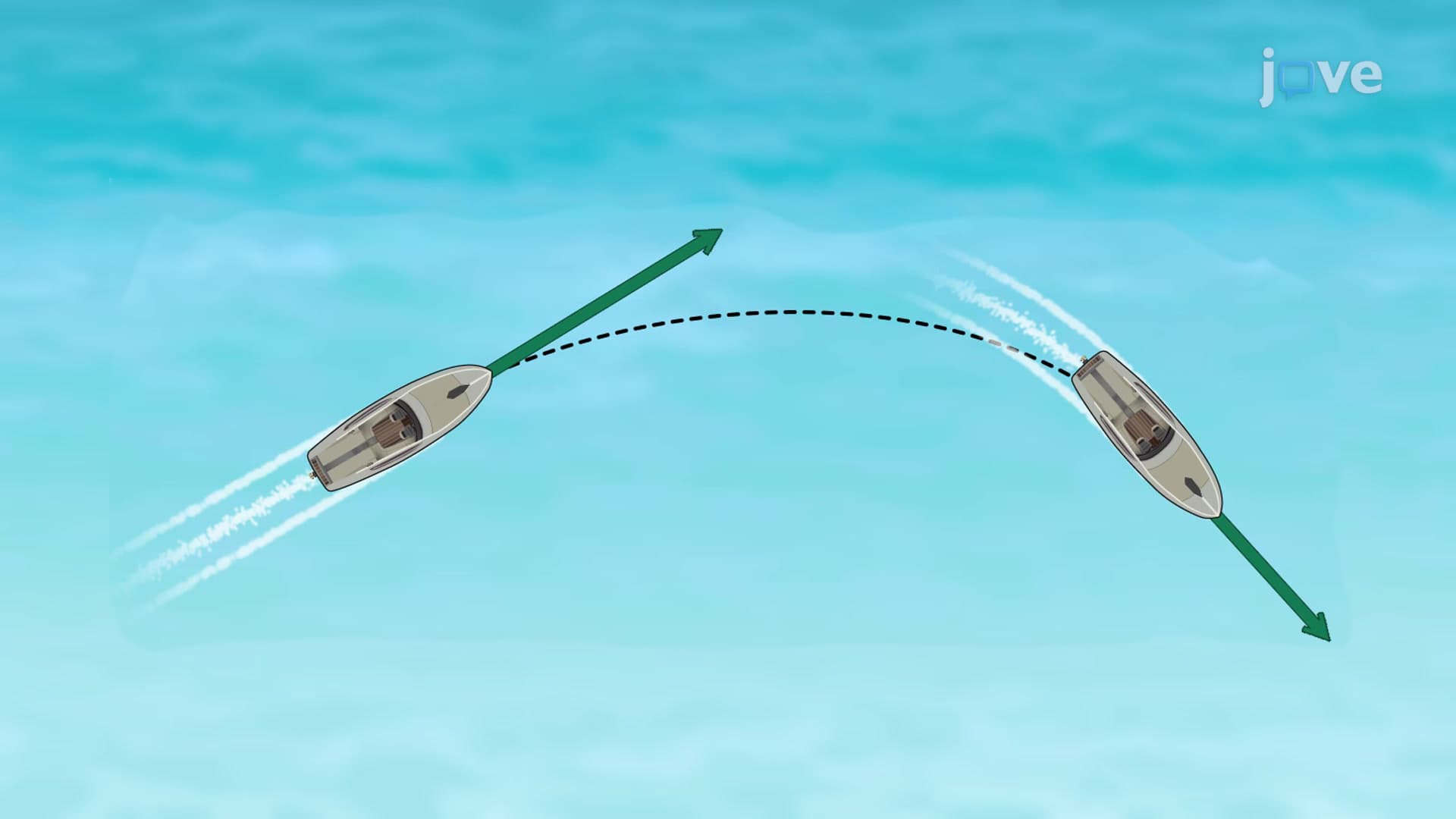
The defining characteristic lies in the velocity variations throughout the circular path. When an object moves with changing speed around a curve, its velocity vector not only changes direction (as in uniform circular motion) but also changes magnitude. This dual change creates unique acceleration patterns that students encounter frequently in AP Physics courses and college-level mechanics.
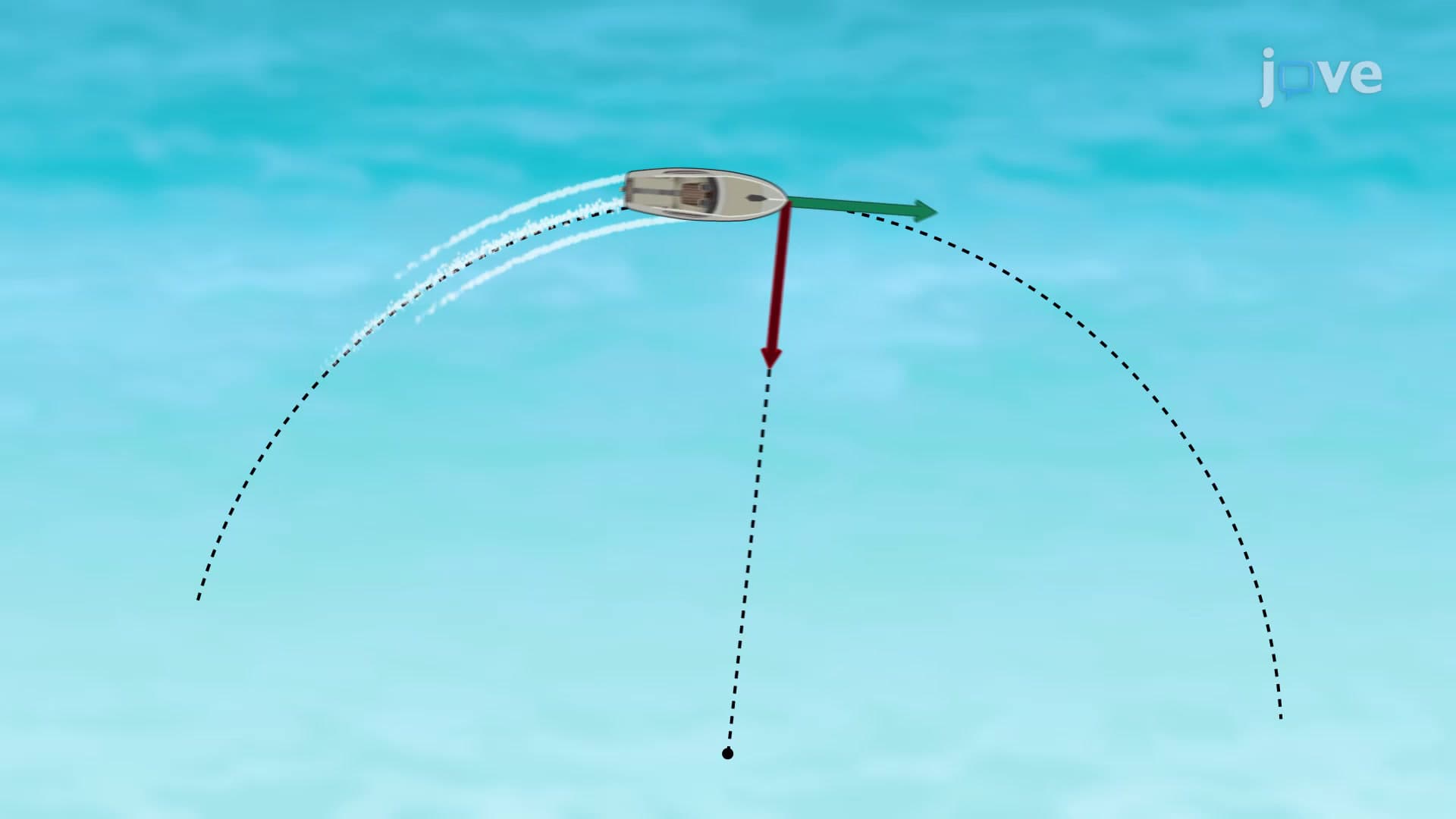
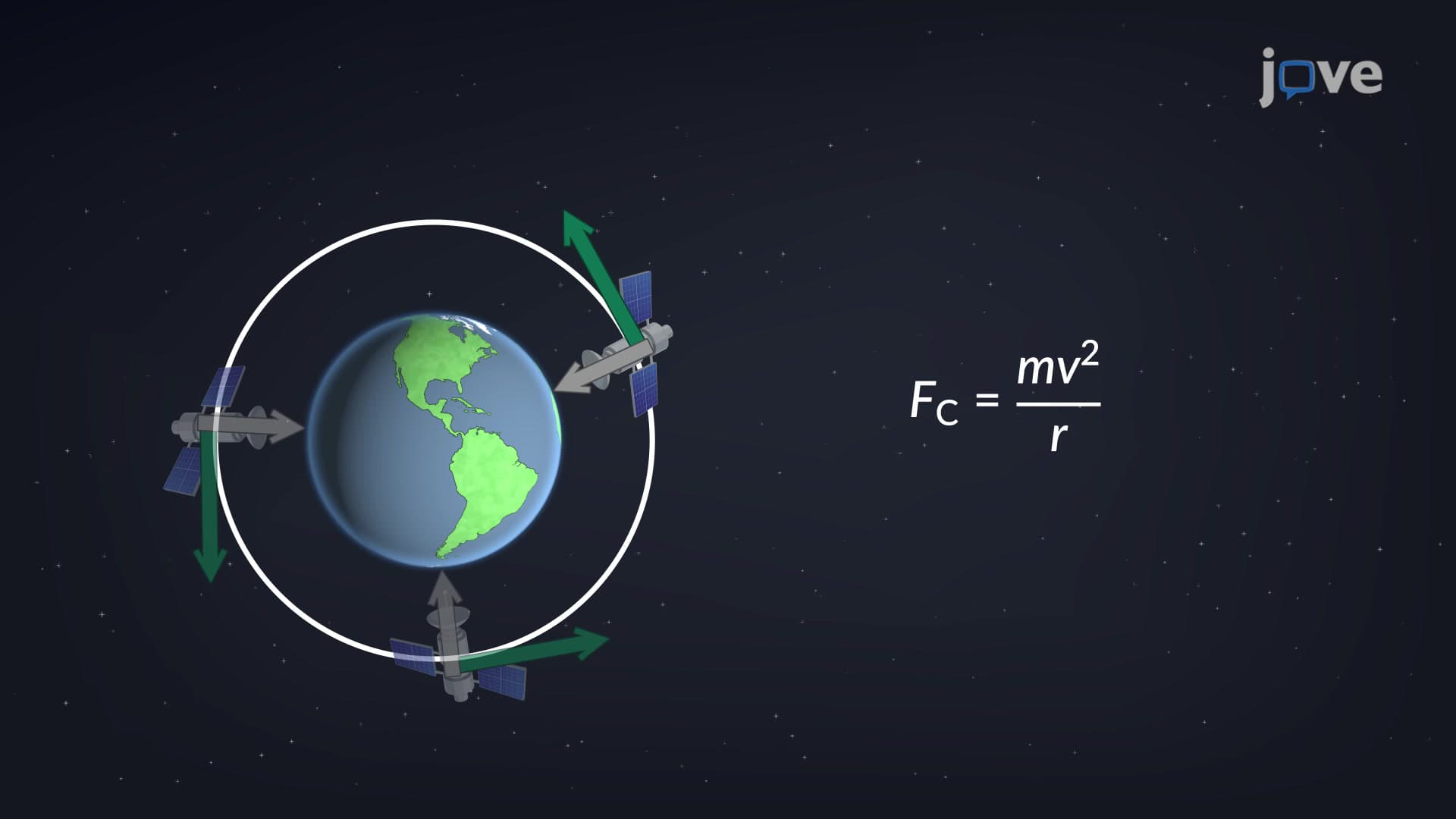
Two distinct acceleration components govern this motion type. Radial acceleration always points toward the circle's center, with its magnitude directly proportional to the square of the instantaneous speed. The formula a(radial) = v²/r demonstrates why faster-moving objects experience greater centripetal forces. This explains why high-speed turns on Interstate highways require larger curve radii for safe navigation.
Tangential acceleration acts along the circular path, either speeding up or slowing down the object. When a motorcycle accelerates around a curve, tangential acceleration aligns with the velocity direction. During deceleration, it opposes the velocity direction. This component equals the rate of speed change at any instant, making it zero at maximum and minimum speed points.
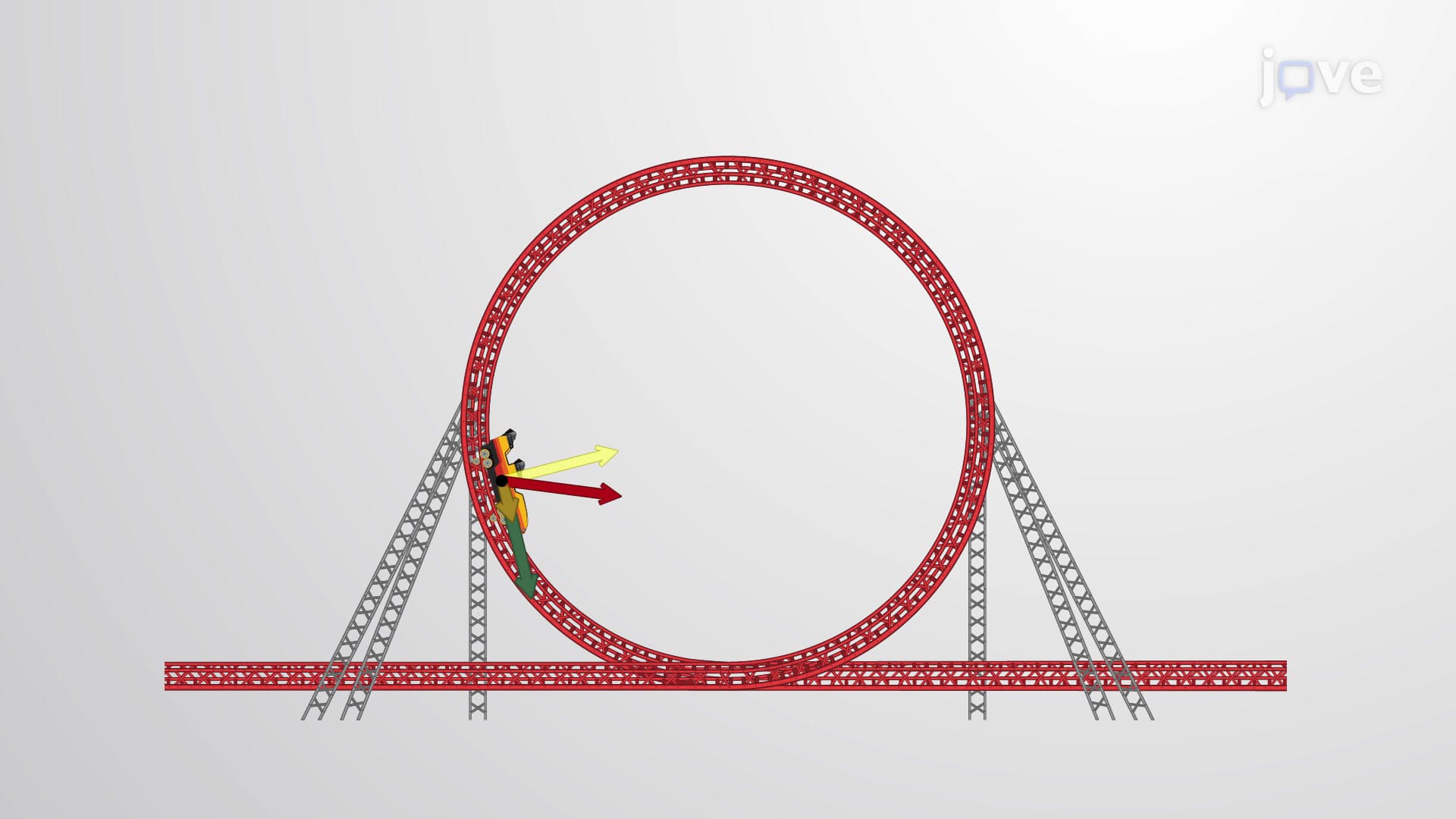
Understanding this concept proves crucial for students tackling SAT Subject Tests in Physics and MCAT physics sections. Consider amusement park roller coasters at Six Flags parks, where cars navigate loops with varying speeds. At the bottom of loops, cars move fastest with maximum radial acceleration, while tangential acceleration may be zero if speed remains constant at that point.
The total acceleration vector represents the geometric sum of radial and tangential components, varying in both magnitude and direction throughout the motion. This vector relationship frequently appears in college physics midterms and AP Physics C examinations, where students must calculate resultant accelerations using vector addition principles.
Engineering applications include automotive safety systems, where understanding these acceleration patterns helps design stability control systems for vehicles navigating curved highway sections with speed variations.
Related Micro-courses