Loading subject page…

1,786 views

Video Summary: Social Foundations of Self I Explained
Ever wonder why American teenagers constantly check social media for likes and comments? The social foundations of self i reveals how our identity emerges through interactions with others, not in isolation. George Herbert Mead's groundbreaking theory shows how children develop self-awareness through two crucial stages: the play stage and game stage, where they learn role-taking through activities like playing house or joining school basketball teams. Watch the full video on JoVE Coach to master this concept with expert-led visuals and step-by-explanations.
The social foundations of self i represents a cornerstone theory in developmental psychology, explaining how human identity emerges through social interaction rather than individual introspection. George Herbert Mead's revolutionary approach challenged earlier psychological theories by demonstrating that the "self" is fundamentally a social product, created through our relationships and interactions with others.
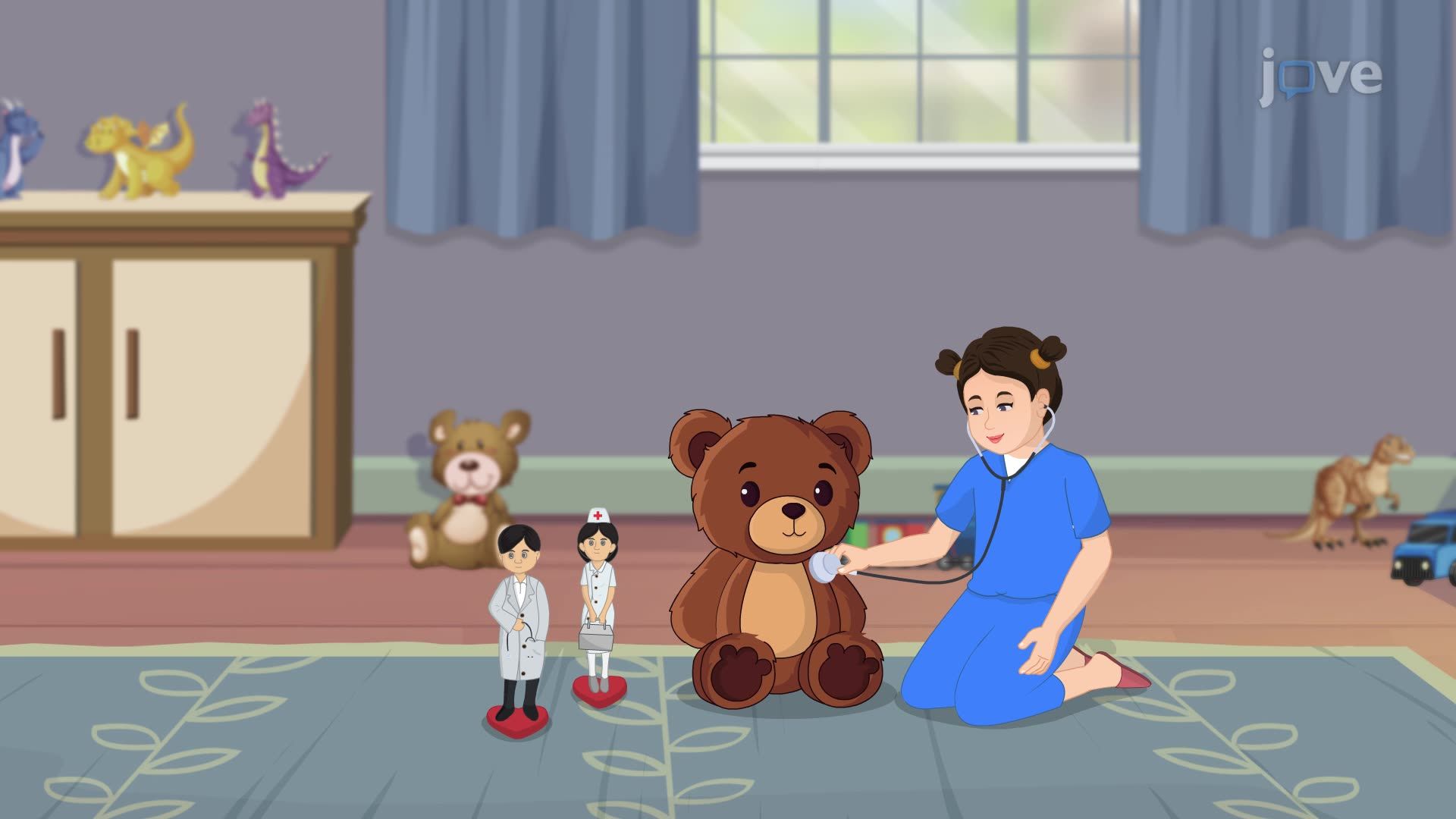
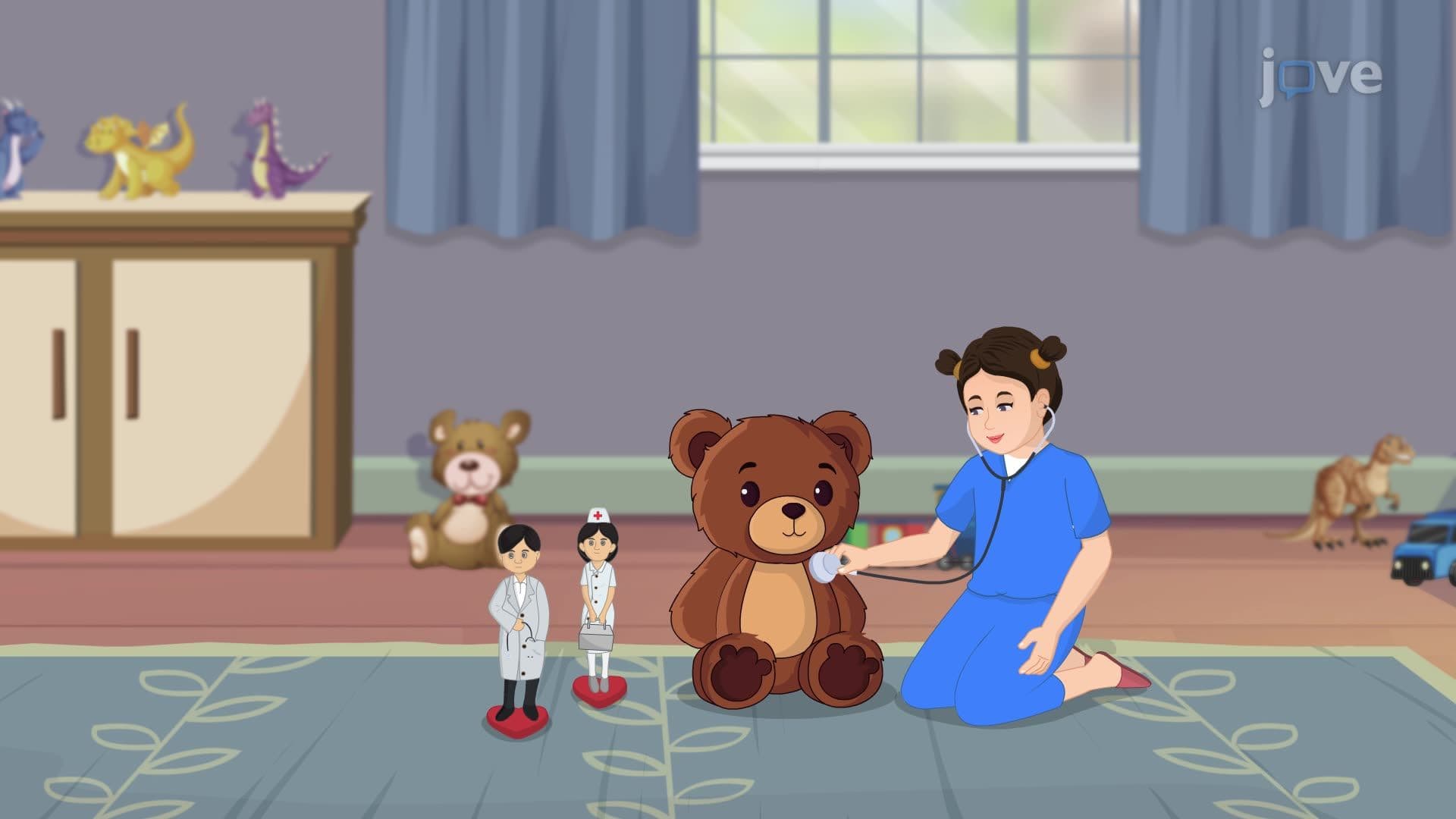
During the play stage, typically occurring between ages 2-4, children engage in what psychologists call "role imitation." American preschoolers might pretend to be teachers by lining up stuffed animals and "teaching" them, or play doctor by giving check-ups to dolls. This stage is crucial for AP Psychology students to understand because it demonstrates how children first learn social expectations and behavioral norms.
Children at this stage see roles in binary terms-good versus bad, teacher versus student-without recognizing role complexity. A child playing "mommy" might strictly separate this role from being a "worker," not yet understanding that their actual mother holds multiple simultaneous roles. This limitation appears frequently on college developmental psychology exams, particularly when analyzing case studies of early childhood behavior.
The game stage, emerging around ages 6-8, marks a critical transition in social development. Children begin participating in organized activities that require understanding multiple perspectives simultaneously. Consider a middle school student playing on their school's soccer team-they must understand their own position, anticipate teammates' actions, predict opponents' moves, and respond to coaching instructions all at once.
This stage is particularly relevant for students preparing for the MCAT's psychology section, as it demonstrates advanced cognitive development. Children learn what Mead called "taking the role of the generalized other"-understanding societal expectations and norms that extend beyond individual relationships.
Understanding these concepts proves essential for students pursuing careers in education, social work, or clinical psychology. High school counselors, for instance, apply these principles when helping teenagers navigate identity crises or peer relationship challenges. The theory also appears prominently in SAT Subject Test Psychology questions and college-level developmental psychology coursework, making mastery crucial for academic success.
Related Micro-courses