Loading subject page…

1,786 views

Video Summary: Social Foundations of Self Ii Explained
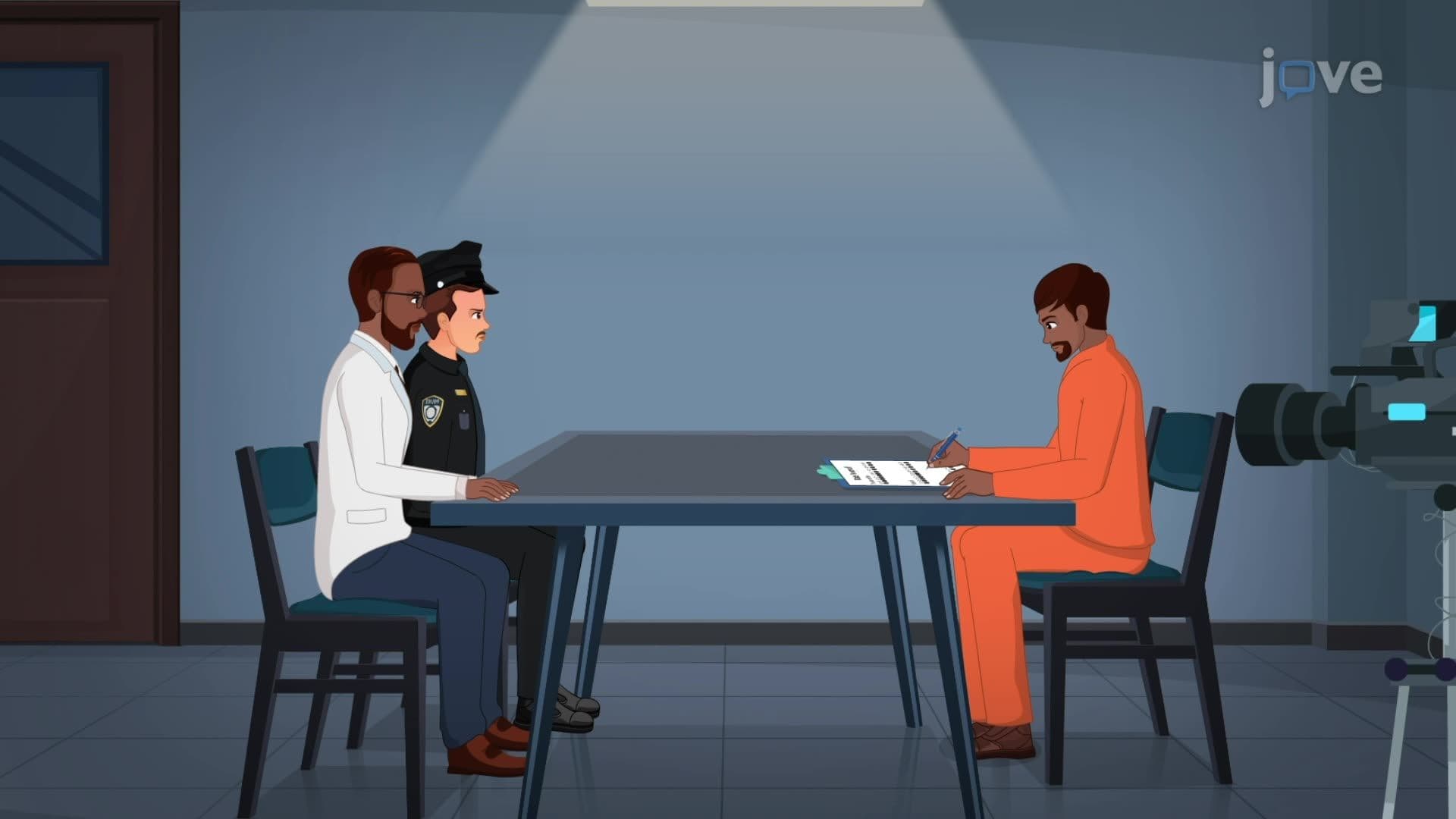
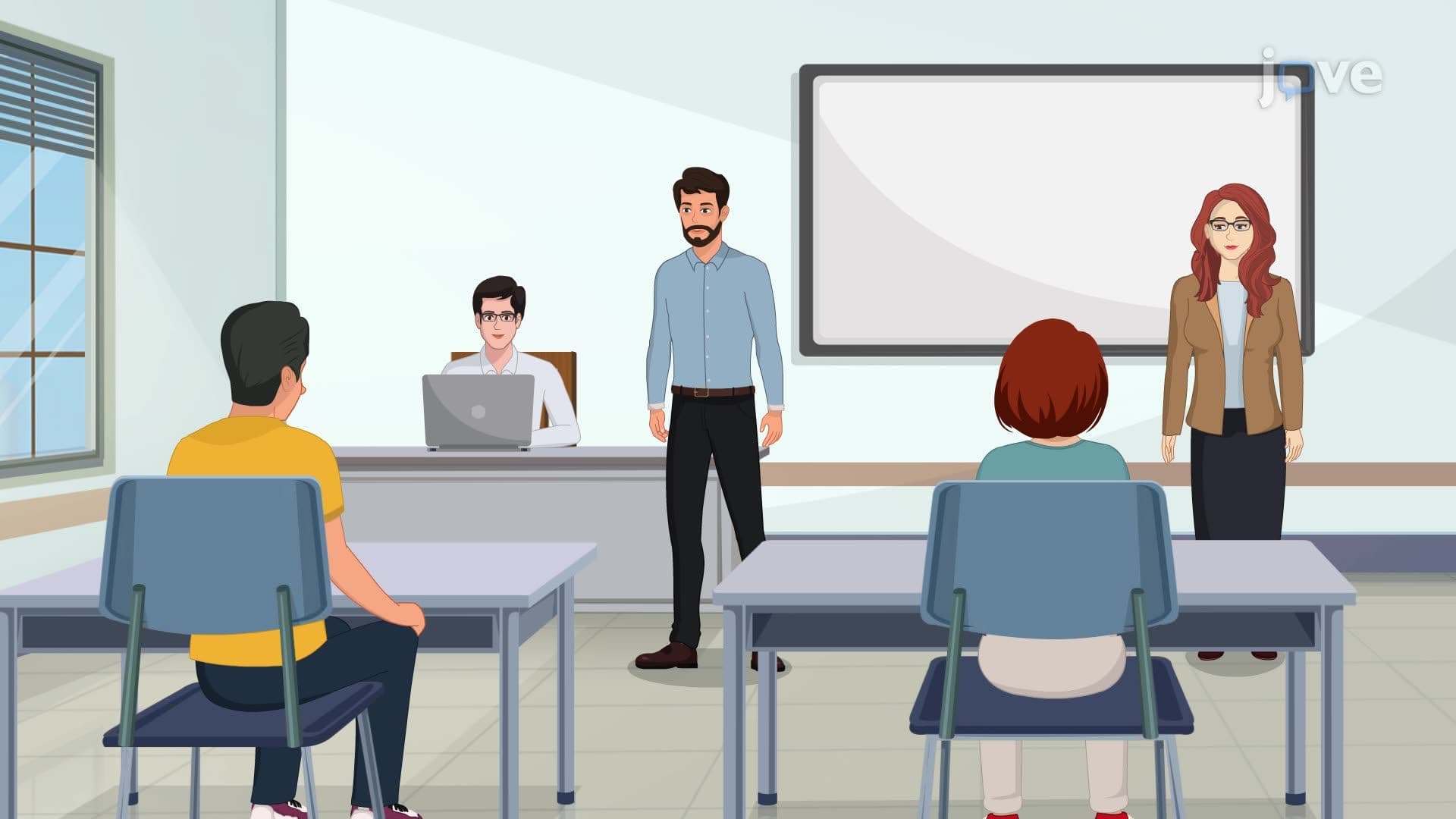
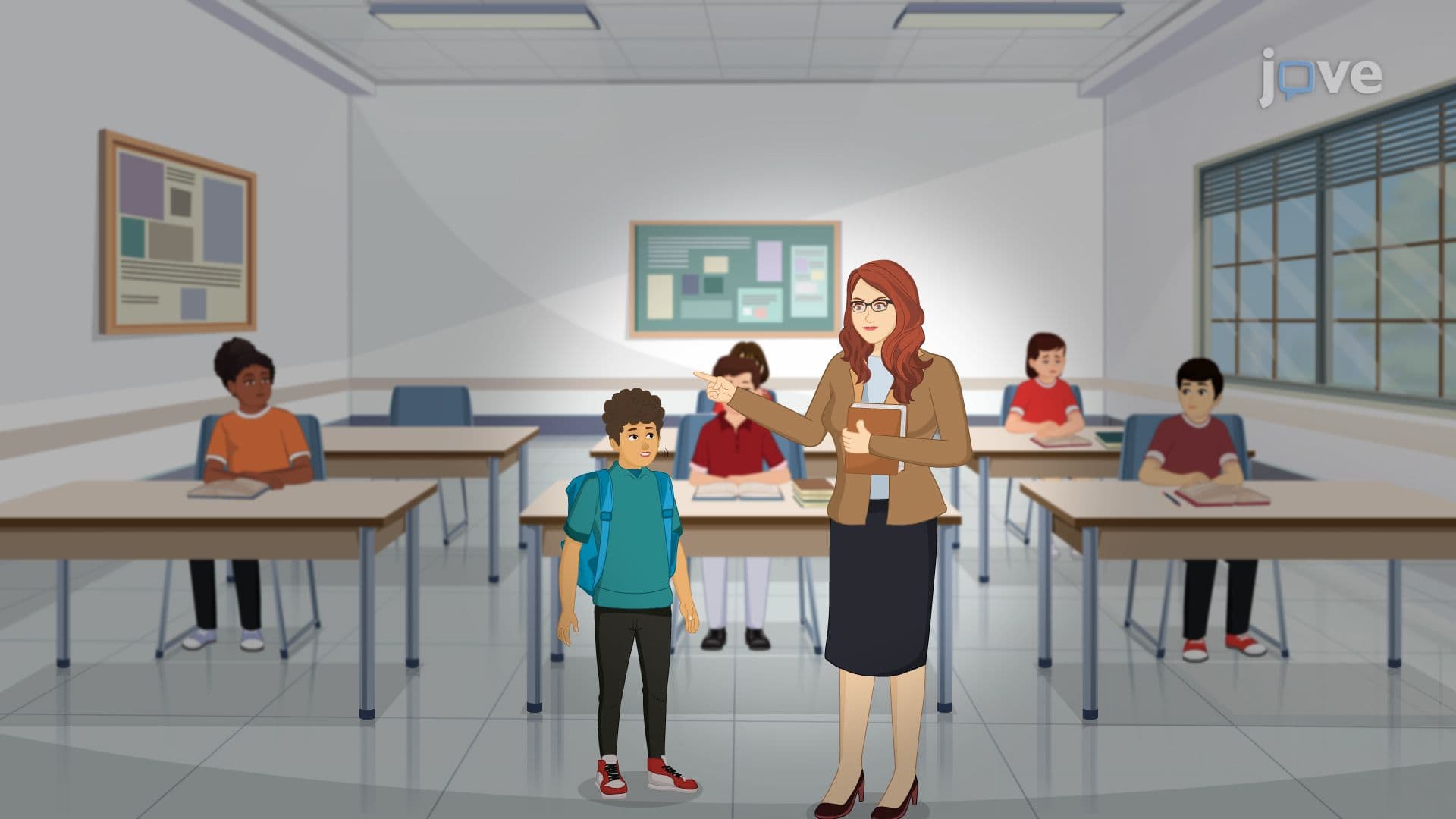
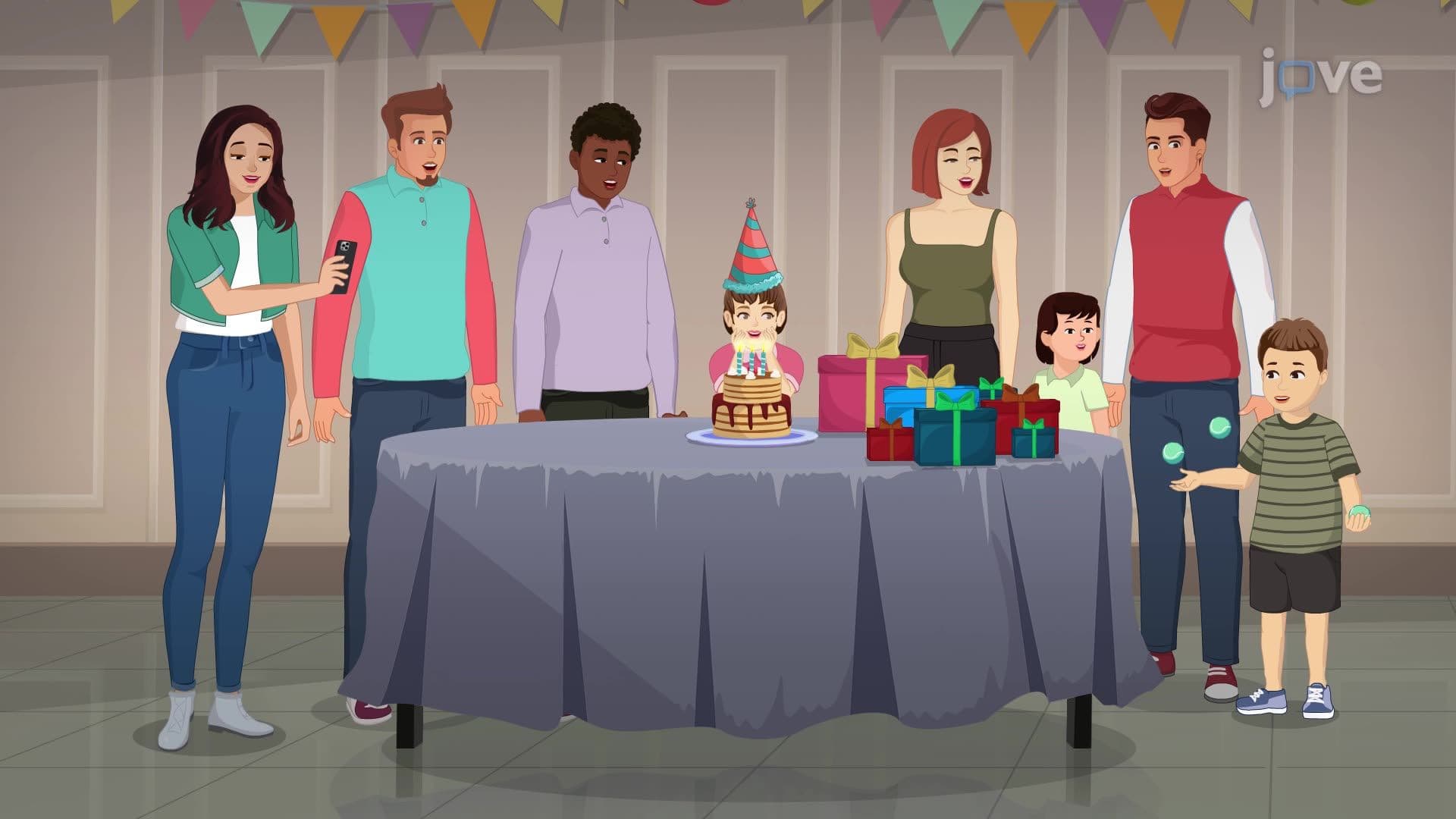
Why do American high school students instinctively raise their hands in class but freely interrupt conversations at home? The social foundations of self ii concept reveals how children develop sophisticated social awareness through George Herbert Mead's "generalized other" theory. Students learn to navigate complex social expectations-like knowing when to speak up during a Stanford University debate club meeting versus remaining silent during a SAT exam. Watch the full video on JoVE Coach to master this concept with expert-led visuals and step-by-step explanations.
George Herbert Mead's social foundations of self ii framework represents a crucial developmental milestone where children transcend basic role-playing to understand complex social structures. Unlike earlier stages focused on simple imitation, this advanced phase involves sophisticated recognition of interconnected social relationships and group dynamics.
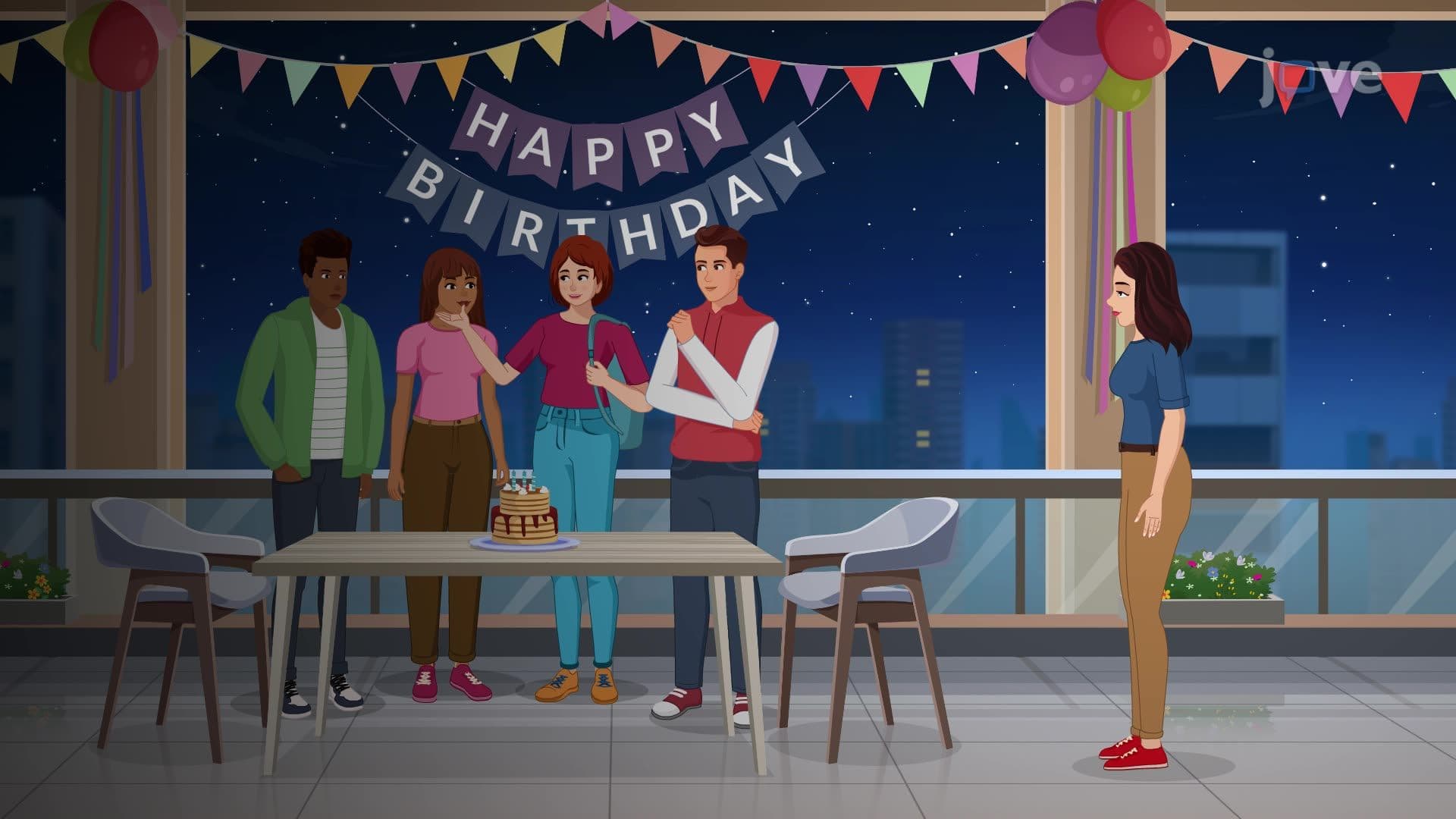
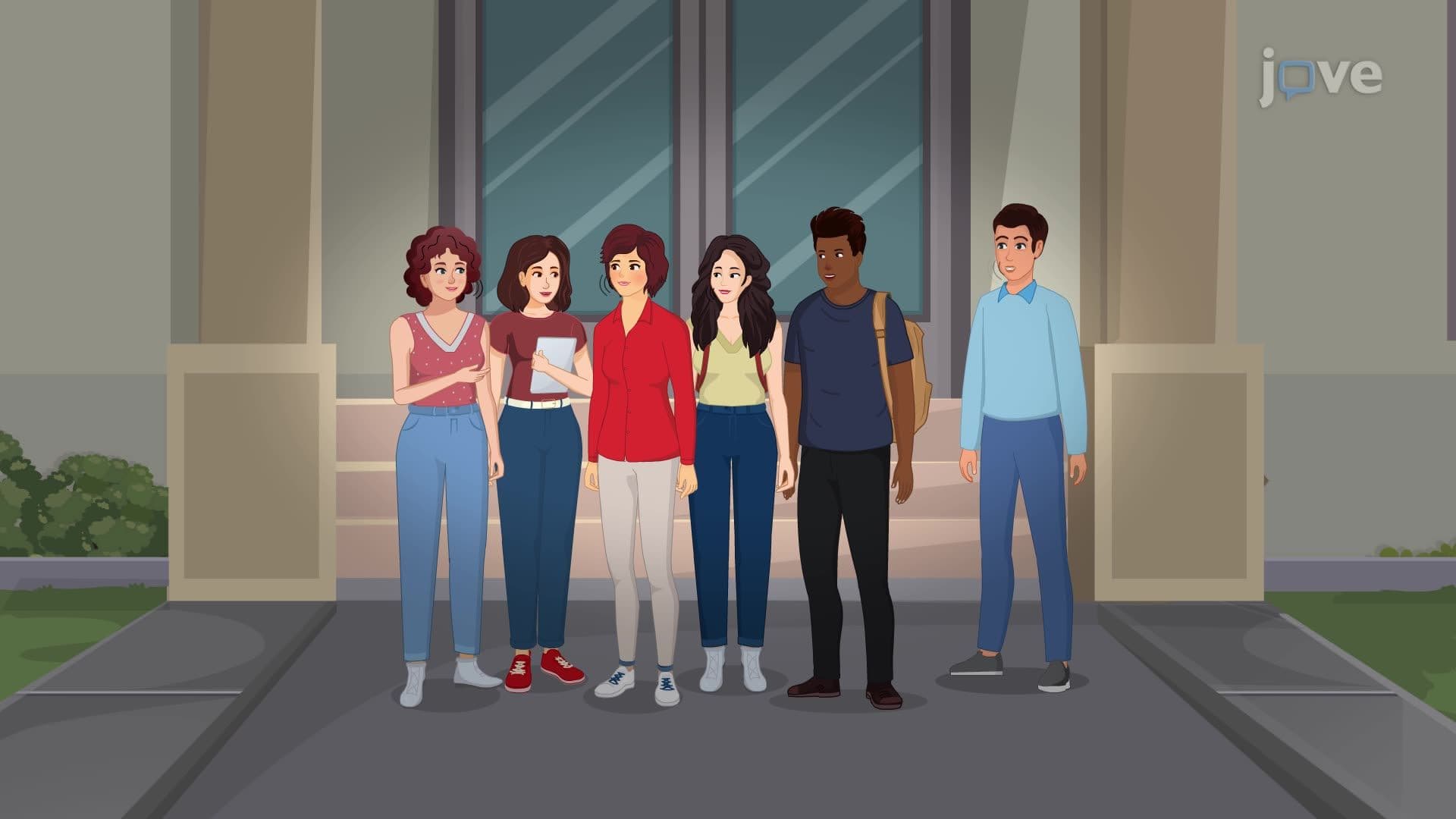
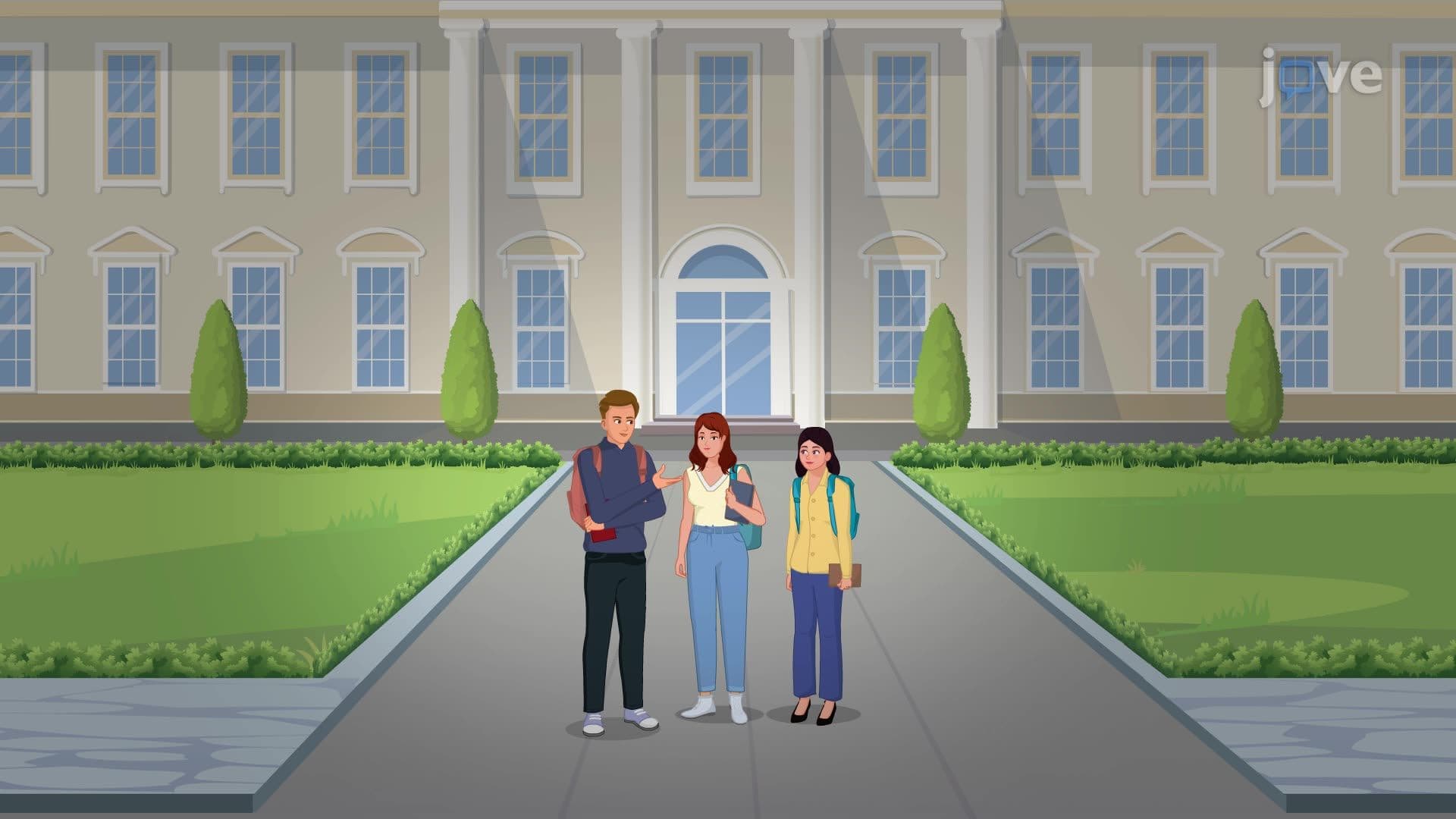
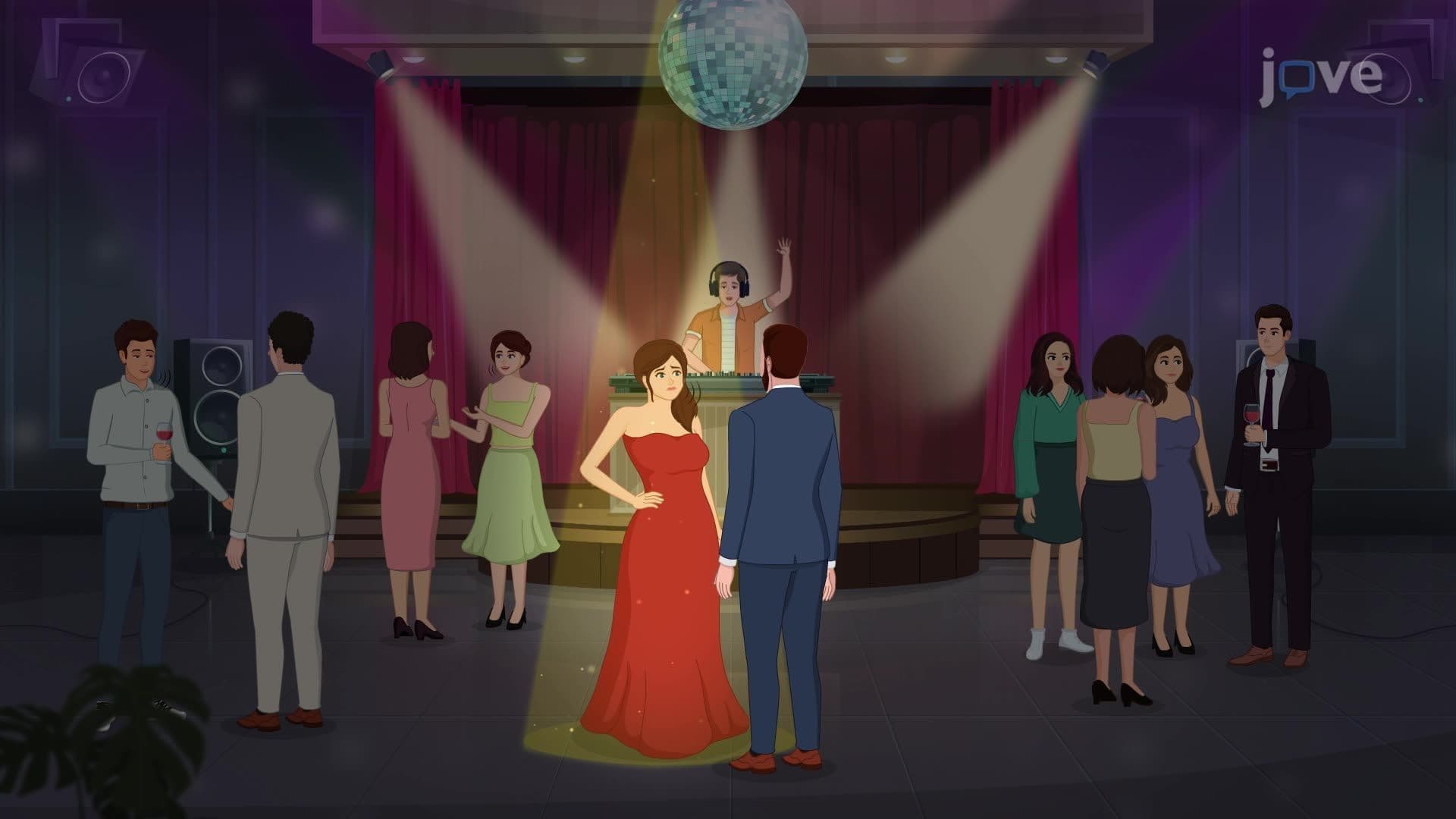
The generalized other represents society's collective voice that children internalize during adolescence. American teenagers navigating high school exemplify this concept-they understand that classroom behavior differs from cafeteria conduct, which differs from behavior at part-time jobs. A student working at Target learns distinct social expectations: greeting customers warmly, following corporate protocols, and maintaining professional demeanor, even when personal preferences conflict.
This internalized social compass helps explain why AP Psychology students automatically silence phones during exams or why varsity basketball players instinctively follow team hierarchies. The generalized other functions as an internal referee, constantly evaluating whether actions align with group expectations.
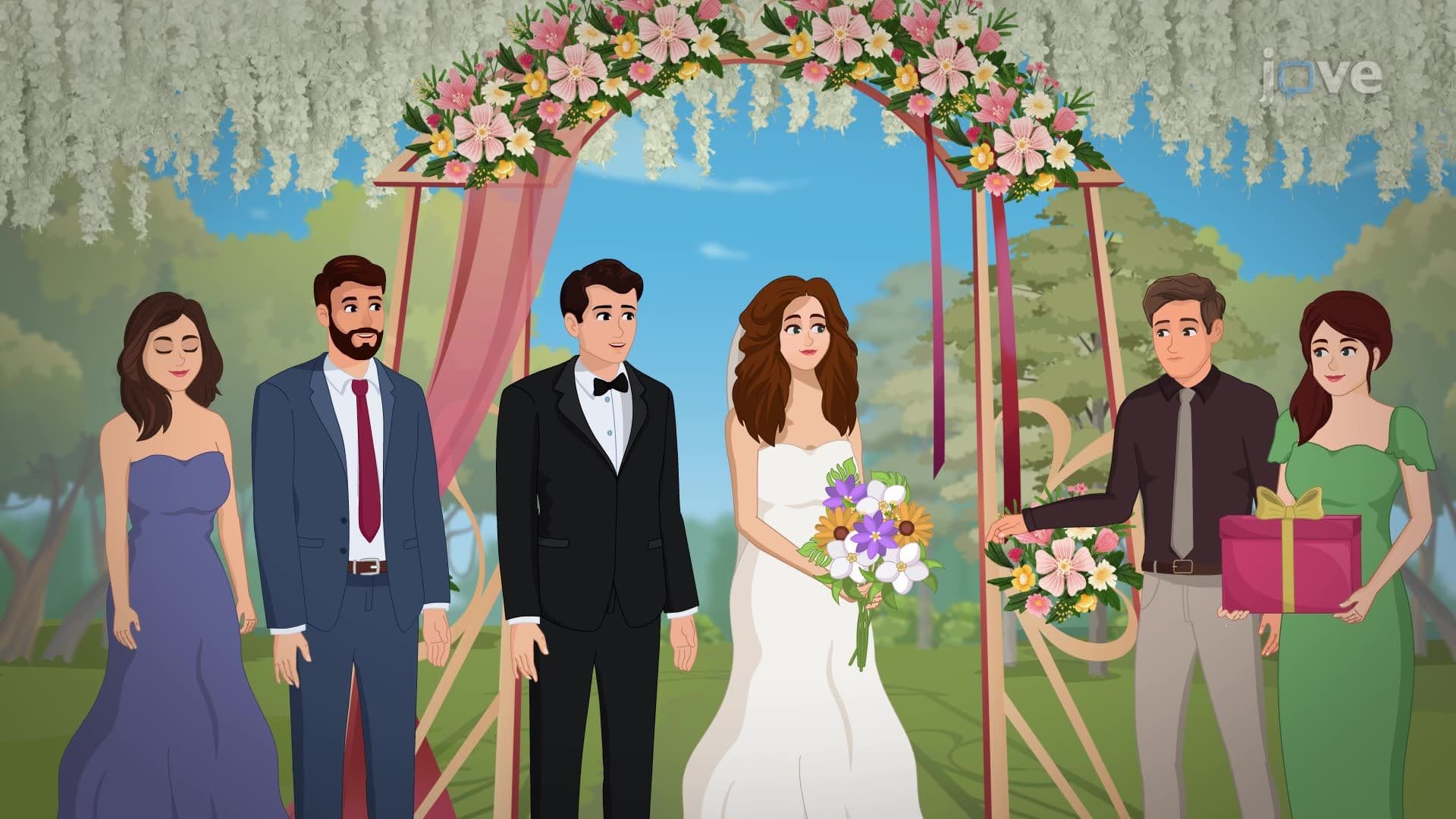
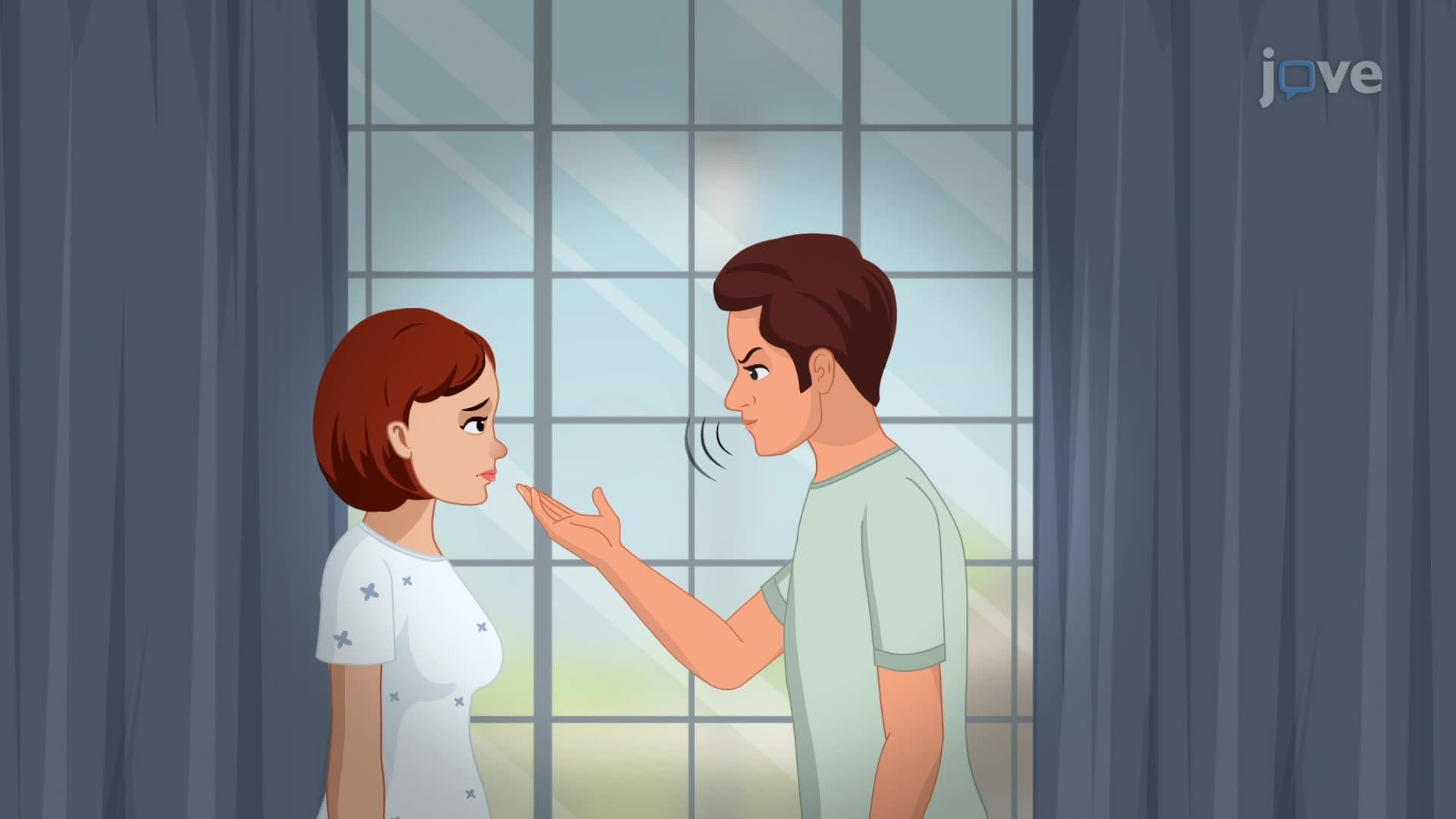
Children frequently encounter conflicting social messages across environments, creating identity confusion. Consider Maria, a high school senior encouraged to be assertive during family discussions but expected to remain quiet during Advanced Placement classes. These contradictory expectations challenge her developing self-concept, forcing navigation between competing social frameworks.
Research from American universities demonstrates that students from diverse cultural backgrounds often struggle with these contradictions. A first-generation college student might face pressure to maintain family loyalty while embracing academic independence-a classic example of competing generalized others.
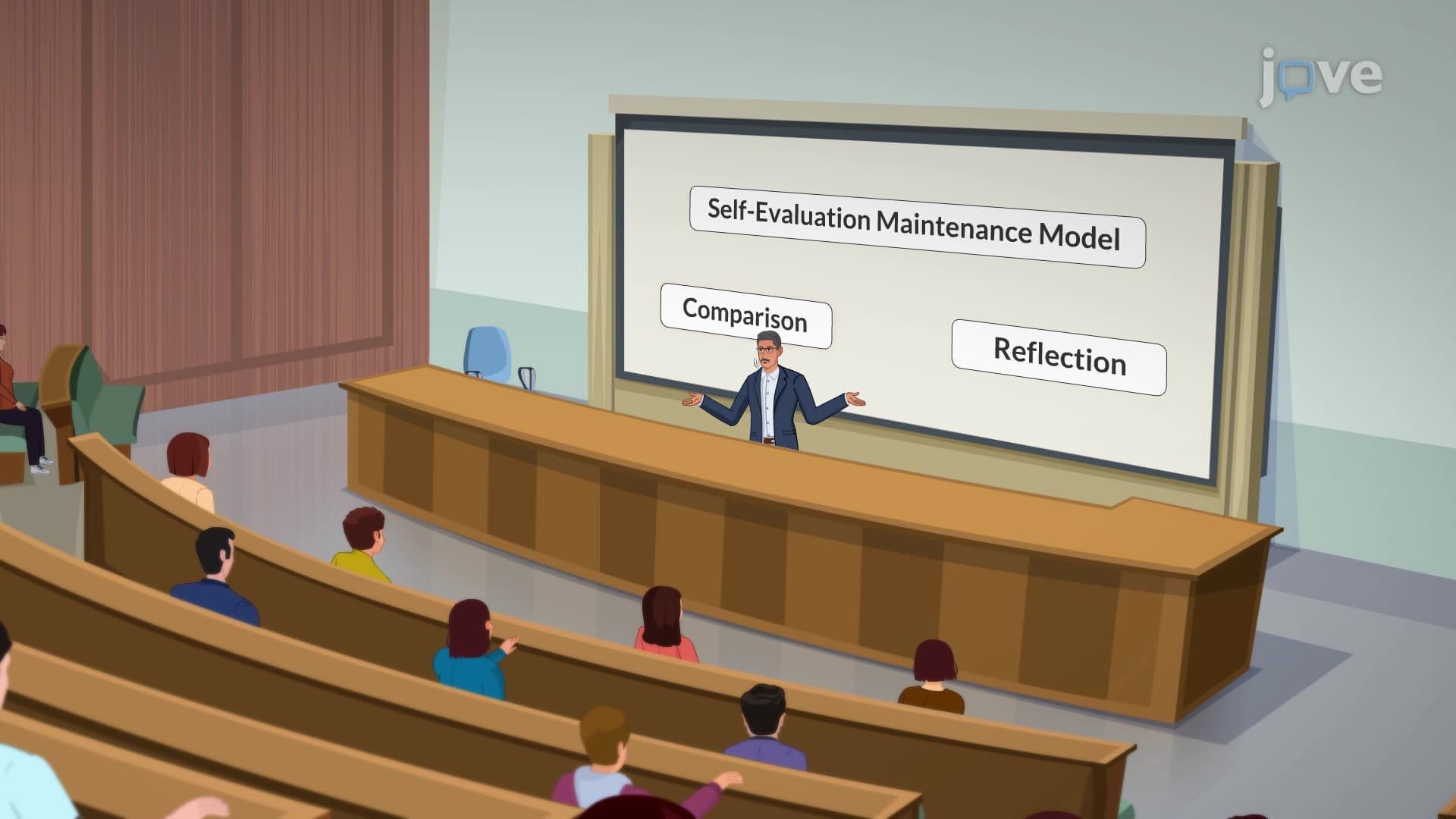
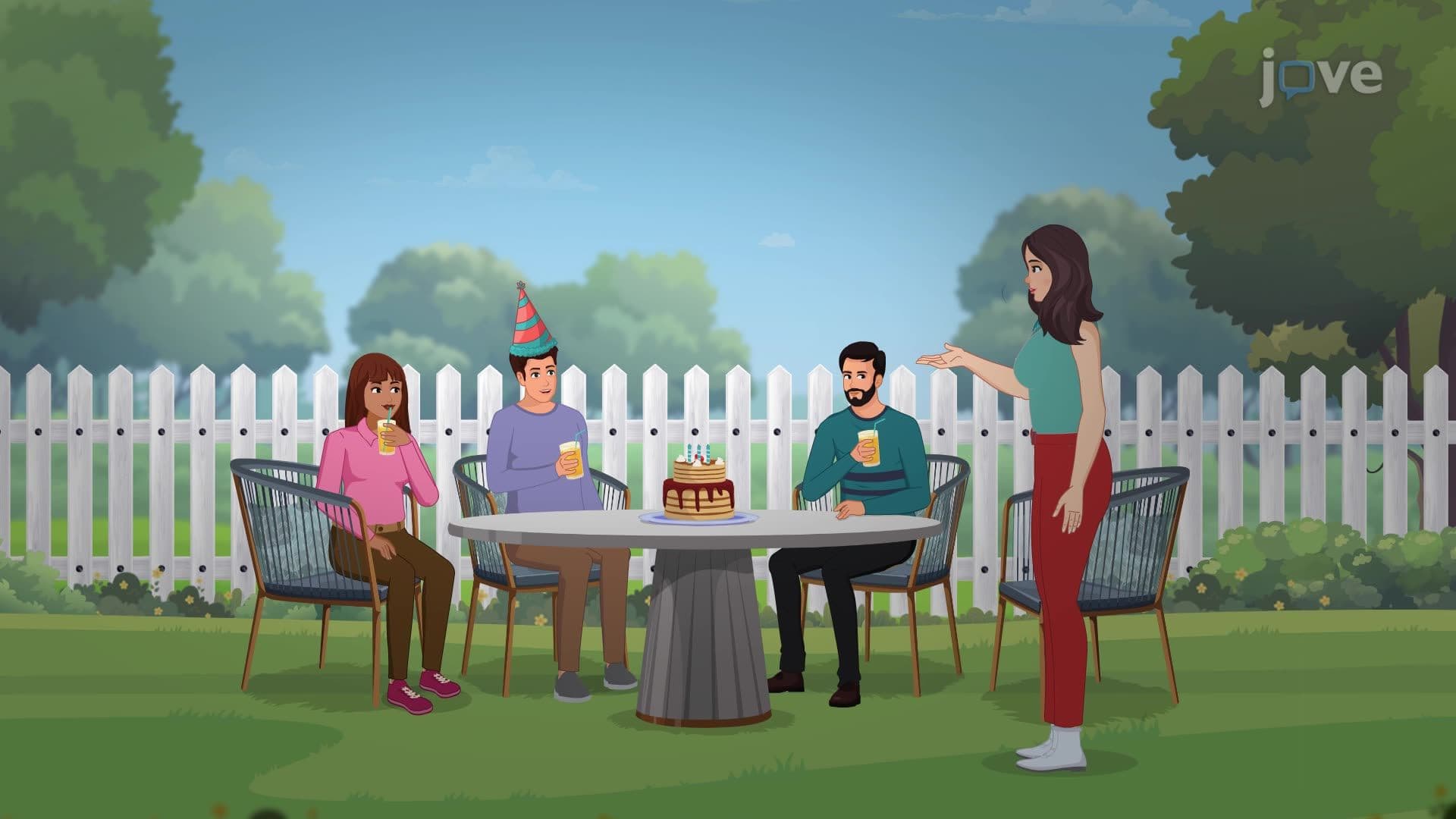
Children actively protect existing self-concepts when encountering contradictory information. A student athlete labeled "academically weak" by peers might reject this characterization by emphasizing previous honors roll achievements. This psychological defense mechanism, while protective, can sometimes limit growth and adaptation.
Understanding these dynamics proves essential for SAT Critical Reading passages, AP Psychology free-response questions, and college sociology coursework, where students must analyze complex social interactions and developmental patterns.
Related Micro-courses