Loading subject page…

1,786 views

Video Summary: Social Foundations of Self Iv Explained
Did you know that 95% of American teens have access to smartphones, fundamentally reshaping how we construct our identities? Social foundations of self iv explores how computer-mediated communication transforms self-concept through digital interactions. Unlike traditional face-to-face communication, online platforms like Instagram and TikTok allow users to craft curated digital selves with four distinct characteristics: inward orientation, narrative consistency, retractability, and multiplicity. Watch the full video on JoVE Coach to master this concept with expert-led visuals and step-by-step explanations.
Social foundations of self iv represents a critical framework for understanding how modern technology reshapes human identity formation. As digital natives, today's students navigate complex online environments where traditional social psychology principles require reexamination. This concept bridges classical self-concept theories with contemporary digital communication realities.
The digital self operates through four interconnected mechanisms that distinguish online identity from traditional self-presentation. Inward orientation reflects how social media platforms encourage users to share internal experiences, thoughts, and emotions that might remain private in face-to-face interactions. For example, students frequently post about mental health struggles, academic stress, or personal achievements on platforms like Instagram Stories or Twitter, creating vulnerability-based connections with their audiences.
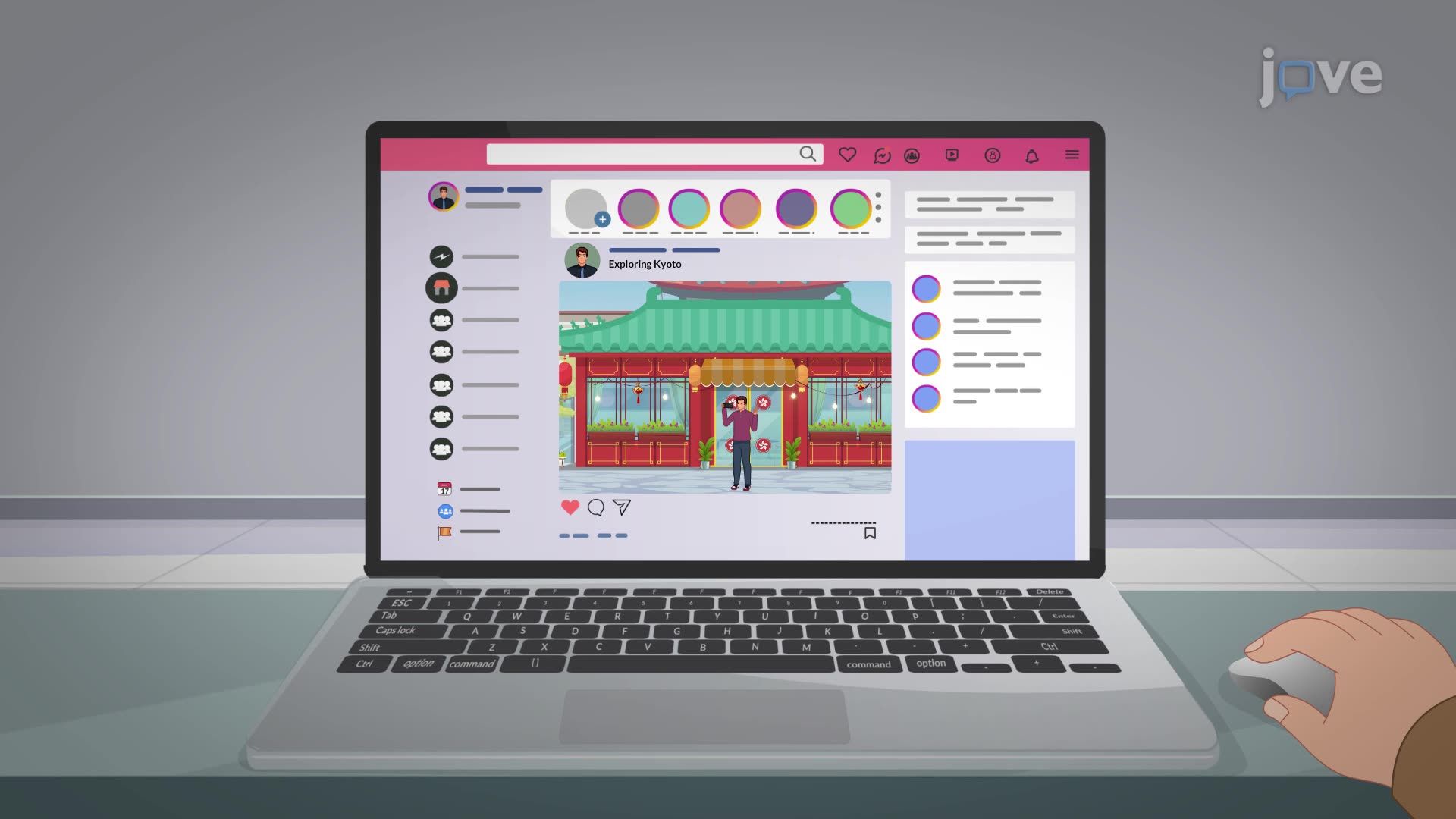
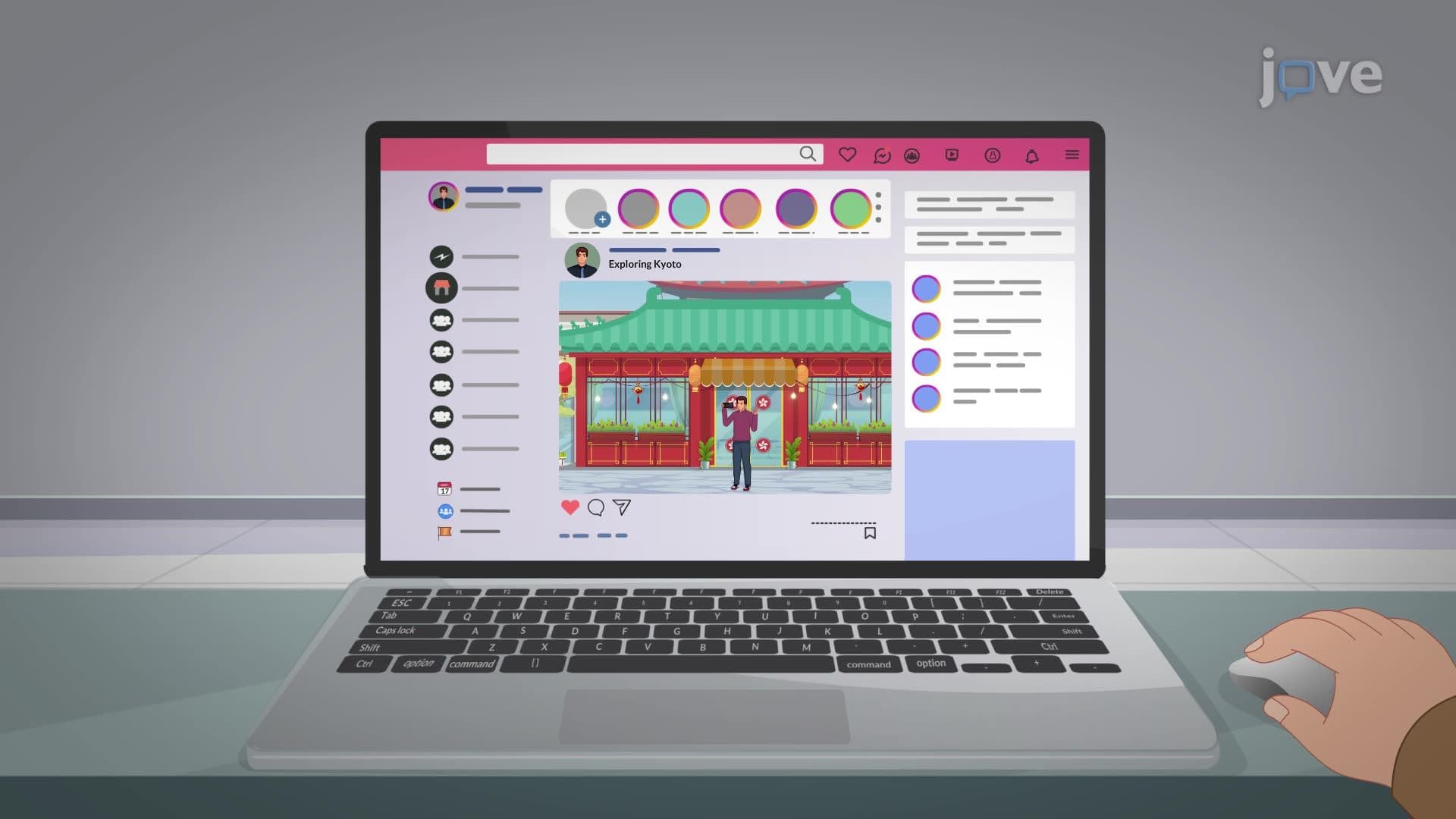
Narrative consistency involves the ongoing story individuals tell about themselves across digital platforms. Travel influencers exemplify this principle by maintaining coherent themes about exploration and cultural discovery across posts, stories, and videos. This consistency helps build recognizable personal brands and follower loyalty.
Unlike spoken words or physical actions, digital communication offers unique retractability features. Users can delete posts, edit captions, or remove entire account histories to align with evolving self-concepts or values. This capability proves particularly significant for college-bound students who increasingly audit their social media presence to ensure professional appropriateness. Many high school seniors delete old posts before college applications, demonstrating active digital identity curation.
Multiplicity enables users to maintain different online personas across platforms or through multiple accounts. Research indicates that 32% of American teenagers maintain "finsta" (fake Instagram) accounts alongside their main profiles, allowing authentic self-expression without public scrutiny. This multiplicity reflects sophisticated understanding of context-dependent self-presentation.
These concepts frequently appear in AP Psychology exams, particularly in units covering social psychology and developmental psychology. College-level abnormal psychology and social psychology courses examine digital self-construction's impact on mental health, self-esteem, and interpersonal relationships. Understanding these mechanisms helps students analyze case studies involving cyberbullying, online dating, professional networking, and digital addiction.
Related Micro-courses