Loading subject page…

- Social Psychology
- The Self and Self Concept
- Understanding the Self
Micro-course: The Self and Self-Concept
1,786 views
Learn key concepts and earn your certificate.

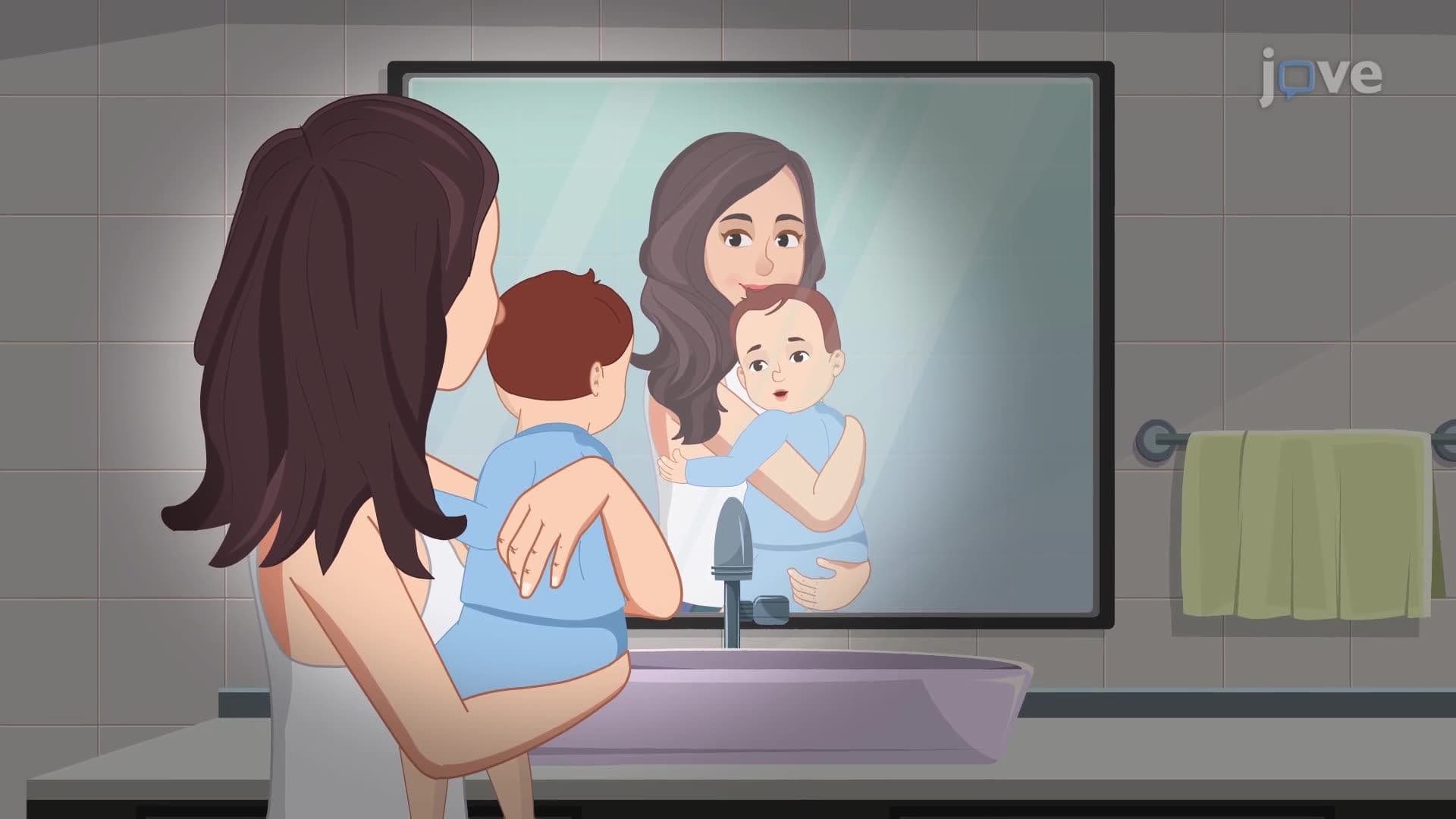



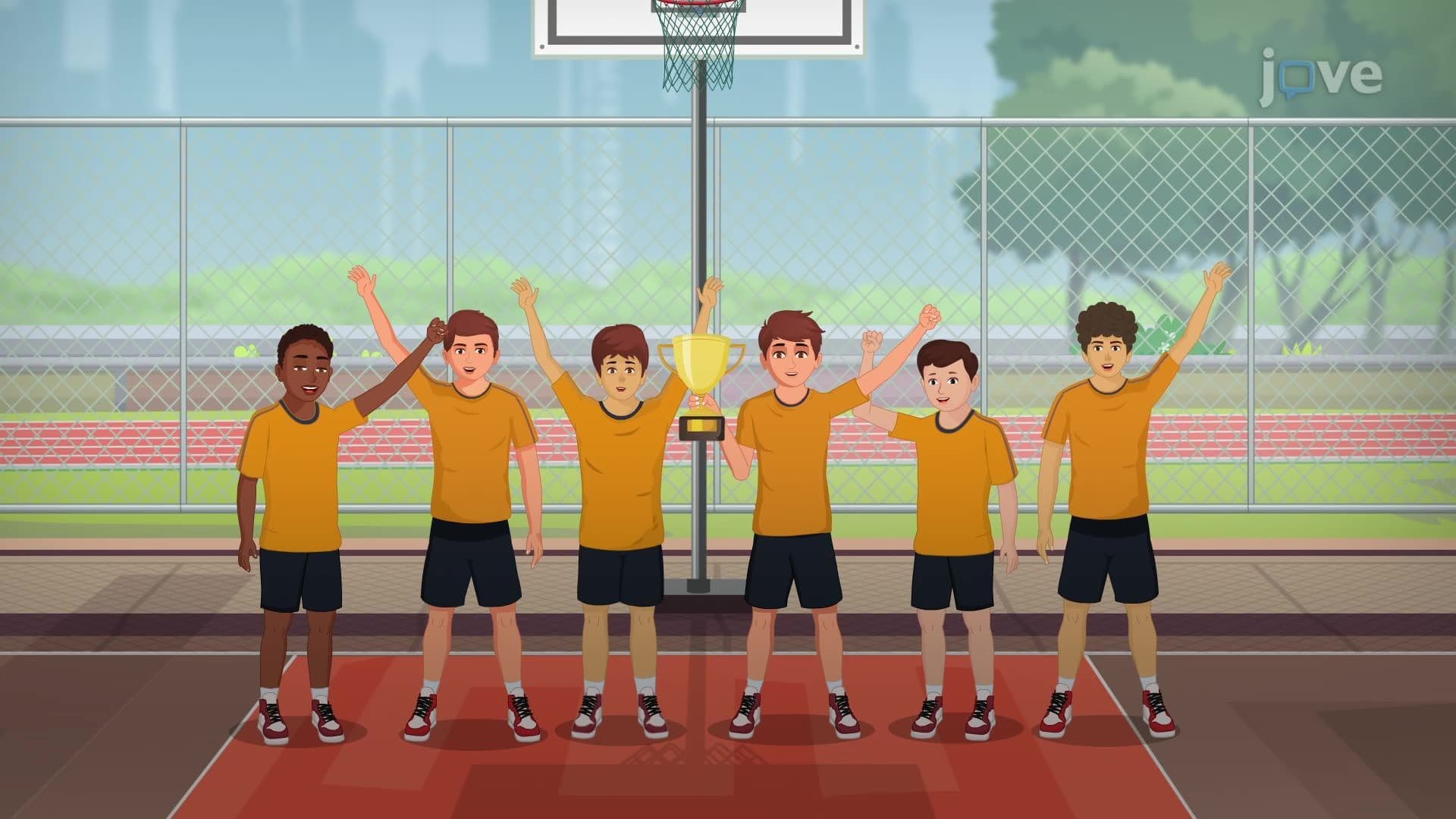


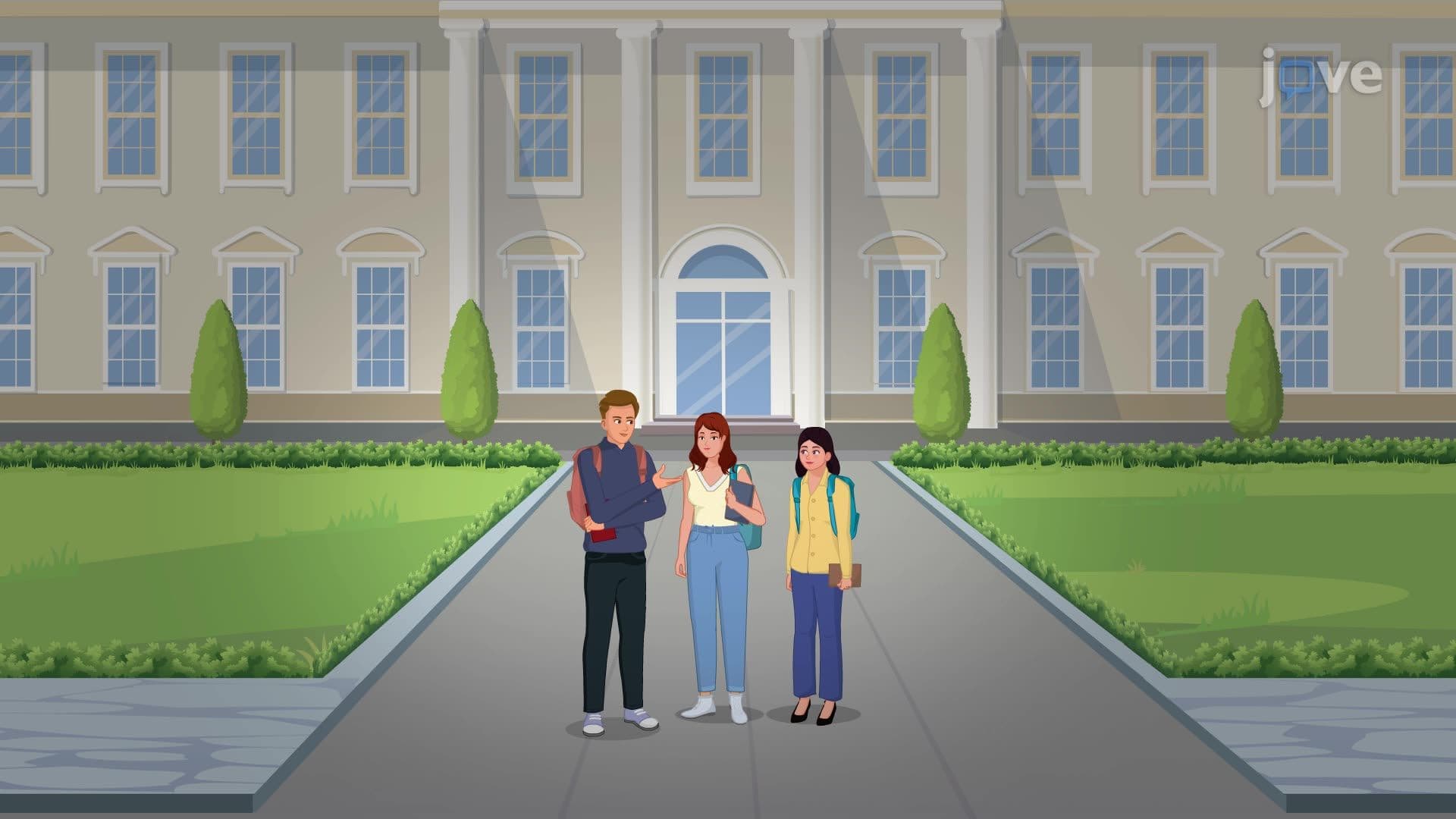

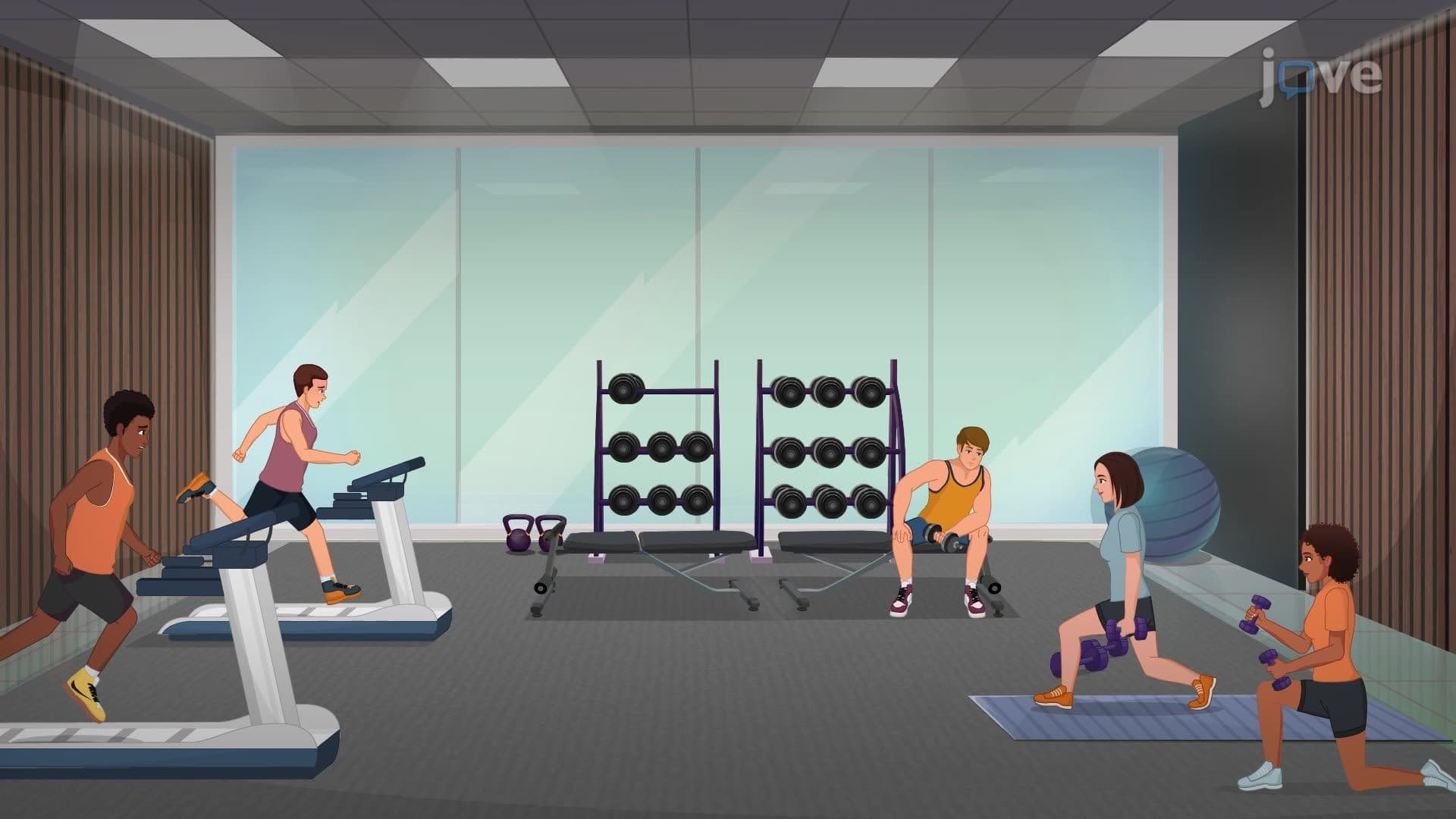
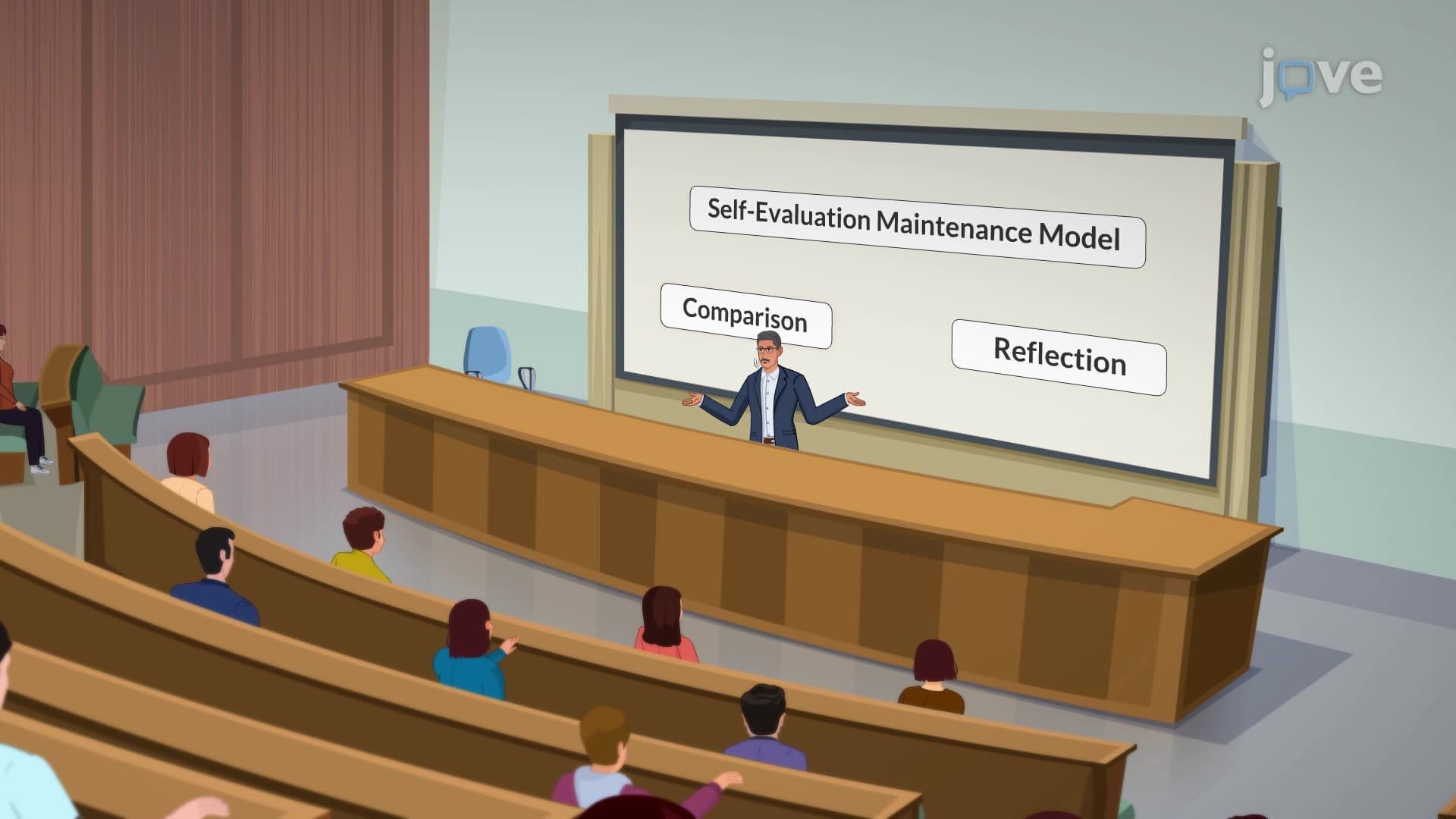









Understanding the Self


00:00
01:28
Video Summary: Understanding the Self Identity and Self Perception
Why do identical twins raised together often develop completely different self-concepts despite sharing the same genes and environment? Understanding the self: identity and self-perception reveals how our brains construct a unique sense of who we are through personal beliefs, emotional experiences, and social interactions. Consider how a naturally introverted Stanford student might develop a confident, outgoing self-image through successful campus leadership roles, demonstrating how self-perception can override personality traits. Watch the full video on JoVE Coach to master this concept with expert-led visuals and step-by-step explanations.
- Understand how understanding the self: identity and self-perception differs from fixed personality traits and influences behavior more powerfully than innate characteristics
- Identify the key brain regions involved in self-recognition, including the right hemisphere's role and the medial prefrontal cortex's integration functions
- Analyze how self-schemas shape information processing, memory recall, and attention toward identity-relevant experiences
- Compare the relationship between objective personality traits and subjective self-perception in determining individual behavior patterns
- Evaluate how social experiences and cultural contexts contribute to the formation of personal identity and self-concept
- Apply self-schema theory to predict how individuals with different identity frameworks process and remember information
- Recognize the role of personal beliefs, sense of control, and life purpose in constructing a coherent sense of self
- Explore how self-perception influences real-world decisions in academic, career, and relationship contexts
Understanding the Self: Identity and Self-Perception Foundations
The human sense of self represents one of psychology's most fascinating puzzles. Unlike personality traits measured by assessments like the Big Five, self-perception involves the active, ongoing process of interpreting and giving meaning to our experiences. Research from Harvard Medical School demonstrates that patients with right-hemisphere brain damage often struggle with self-recognition tasks, while neuroimaging studies show the medial prefrontal cortex lighting up whenever people engage in self-referential thinking.
The Neuroscience Behind Self-Recognition
Modern brain imaging reveals that self-perception isn't just philosophical-it's biological. When University of California researchers asked participants to think about their own traits versus others', distinct neural networks activated. The right hemisphere processes self-recognition at a basic level, helping us recognize our face in mirrors or photos. Meanwhile, the medial prefrontal cortex integrates complex self-information, creating our narrative sense of identity. This explains why stroke patients with prefrontal damage might recognize themselves physically but struggle with deeper questions about their identity and life goals.
Self-Schemas: The Building Blocks of Identity
Self-schemas function like mental filing systems, organizing beliefs about our capabilities, roles, and characteristics. A pre-med student at Johns Hopkins with a strong "academic achiever" schema will naturally notice study techniques, remember educational successes more vividly, and interpret challenges as opportunities rather than threats. These schemas develop through repeated experiences and social feedback, becoming increasingly resistant to contradictory information over time.
Real-World Applications in Education and Assessment
Understanding self-perception proves crucial for academic success and standardized testing. Students preparing for AP Psychology exams encounter self-concept questions regularly, while MCAT test-takers must understand how self-schemas influence healthcare provider-patient interactions. College counselors use self-perception principles when helping students choose majors-someone with an "artistic" self-schema might thrive in creative fields even if their personality tests suggest otherwise. The key insight: self-perception often predicts behavior better than objective personality measures, making it essential for career planning and personal development.
Frequently Asked Questions
Self-perception involves how you interpret and give meaning to your traits, while personality refers to your actual behavioral tendencies. Your personality might be naturally introverted, but if you perceive yourself as outgoing, that self-image will influence your behavior more than your innate temperament. This distinction helps explain why people can change their behavior patterns through shifting their self-concept.
AP Psychology frequently includes free-response questions asking students to explain how self-schemas influence information processing and behavior. Multiple-choice questions often focus on brain regions involved in self-recognition, particularly the medial prefrontal cortex and right hemisphere functions. Students should understand real-world examples, like how athletic self-schemas affect attention to sports-related information.
Yes, MCAT Psychology/Sociology sections regularly include self-concept questions, especially regarding healthcare provider identity and patient interactions. Questions might ask how physician self-schemas influence treatment decisions or how patient self-perception affects health behaviors. Understanding these concepts proves essential for both test success and future medical practice effectiveness.
Self-schemas powerfully influence academic and career choices, often more than aptitude tests or personality assessments. A student with a "helper" self-schema might gravitate toward social work or teaching regardless of high analytical scores suggesting engineering aptitude. Career counselors increasingly focus on helping students identify and align their self-perception with realistic career paths for greater satisfaction and success.
Not at all-these concepts build naturally on everyday self-awareness that teenagers already possess. High school students constantly navigate identity questions, making self-perception theory highly relatable and accessible. Starting with familiar examples like social media self-presentation or peer group identity makes these psychological principles easy to grasp and apply.
Create personal examples for each concept, connecting abstract theory to your own identity experiences. Practice explaining how your self-schemas influence your attention, memory, and behavior in specific situations. Use brain region mnemonics (medial prefrontal cortex = "me-dial" for self-focus) and review case studies showing self-perception's power over personality traits.
Explore social psychology concepts like self-esteem, self-efficacy, and social identity theory, which build directly on self-perception foundations. Attribution theory explains how we interpret our successes and failures, while cognitive dissonance theory shows what happens when self-perception conflicts with behavior. These interconnected concepts frequently appear together on college psychology exams.
Self-schemas change through consistent experiences that contradict existing beliefs, though this process typically requires months or years of new evidence. Cognitive-behavioral therapy techniques help people identify and challenge negative self-perceptions deliberately. Research shows that even acting "as if" you have desired traits can gradually shift self-perception, explaining why "fake it till you make it" sometimes works psychologically.
Related Micro-courses